Understanding Vitamin Premix for Poultry: Why It Matters Worldwide
At first glance, vitamin premix for poultry might sound like just another feed additive, maybe even niche. But, in reality, it's a cornerstone of modern poultry farming and an unsung hero in global food security. This blend of essential vitamins, tailored specifically for poultry, helps ensure the health, productivity, and welfare of chickens worldwide—affecting not only commercial farms but also smallholder farmers, humanitarian food programs, and large supply chains.
Why should anyone care? Well, consider this: the UN estimates that over 70% of the world's protein comes from animal sources, poultry playing a major role. Having the right micronutrients means healthier birds, reduced disease, better growth rates, and, ultimately, safer and more affordable protein for billions. Vitamin premixes aren’t just about nutrition—they’re about feeding a growing population sustainably and efficiently.
Global Context: The Rising Demand for Vitamin Premix in Poultry Farming
Poultry production has roughly doubled in the past 30 years, a trend driven largely by increasing demand in Asia, Africa, and Latin America — areas where malnutrition remains a stubborn global challenge. According to the World Bank, poultry meat production reached a staggering 137 million tonnes in 2022. But rapid scale-up without adequate nutrition can lead to disease outbreaks or low yields.
Enter vitamin premix for poultry: a practical solution born out of global necessity. It helps fortify feed in regions where natural feed ingredients might lack vital micronutrients. For example, in Africa's dryland farming zones or Southeast Asia’s monsoon-hit regions, such premixes can be the difference between a thriving flock and total loss.
This is not just about commercial gains either. Humanitarian organizations often rely on vitamin-fortified feeds to support rural livelihoods and address protein deficiencies. Because if you think about it, food security starts at the bird’s stomach.
What Exactly is Vitamin Premix for Poultry?
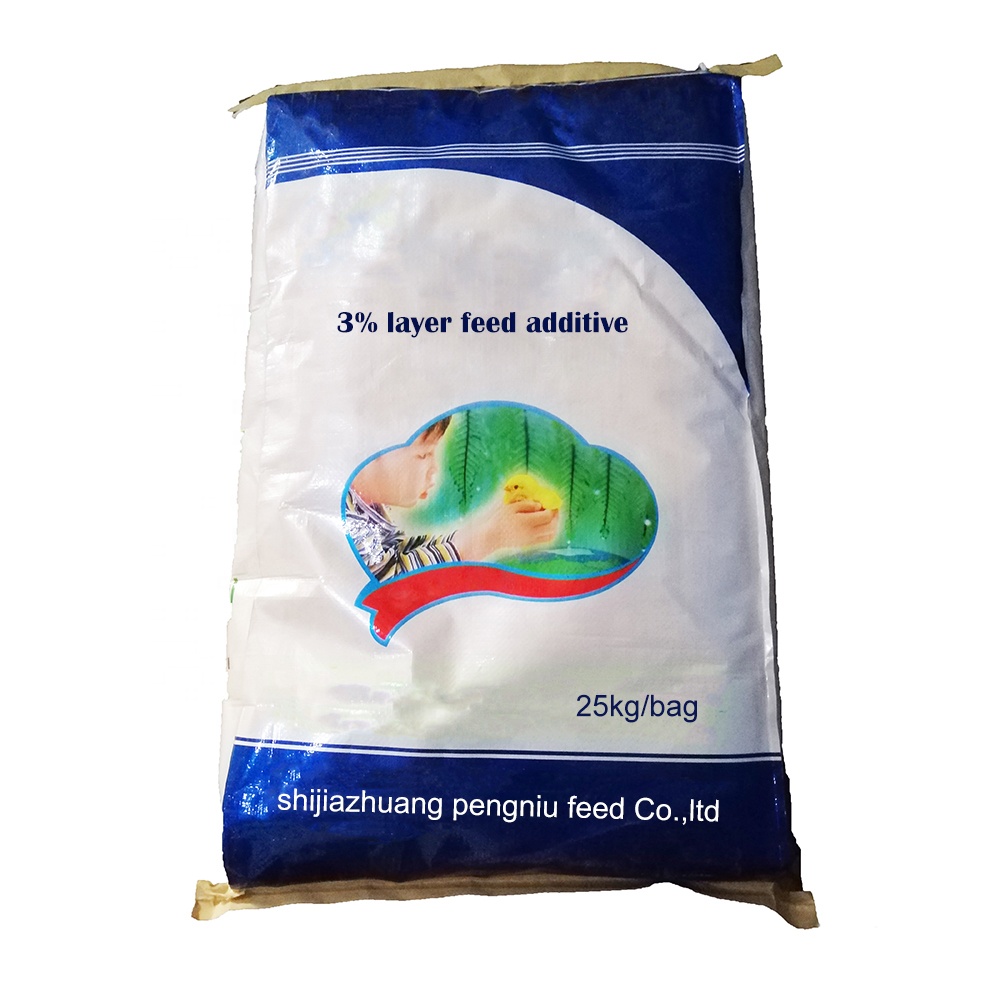
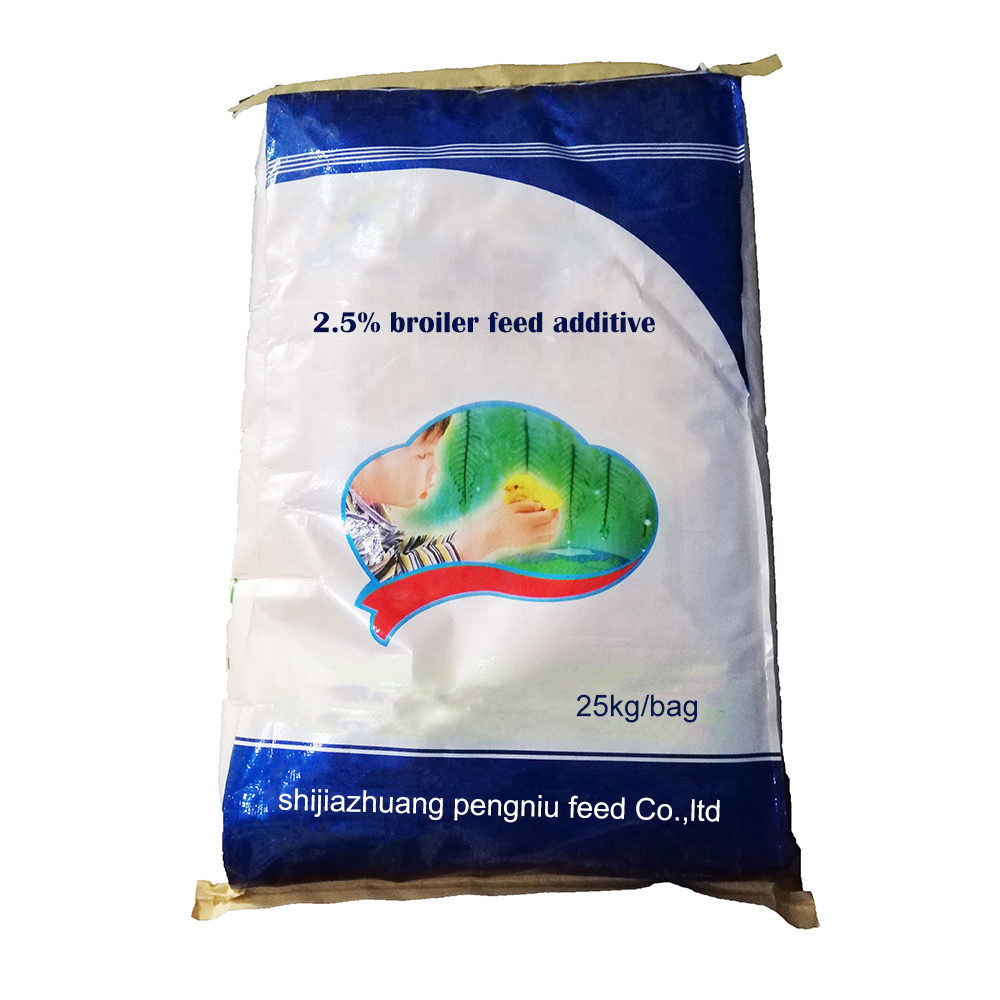
Simply put, a vitamin premix is a carefully formulated blend of vitamins—like A, D3, E, K, and B-complex—designed to mix into poultry feed for optimal health benefits. The idea is to provide a concentrated form that complements the base grains and protein sources.
This mix ensures consistent nutrient delivery, improves immunity, enhances growth rates, and increases egg production. It's a staple in modern poultry feed formulations, reflecting decades of nutritional science and practical farming needs.
In a broader sense, vitamin premixes are part of a global approach to precision nutrition in animal husbandry, connecting agriculture to food security, public health, and environmental sustainability.
Core Components and Key Considerations for Vitamin Premixes
1. Nutritional Completeness
Each vitamin premix must be balanced to meet the species-specific requirements. The right ratios of fat-soluble and water-soluble vitamins are crucial since deficiencies can cause anything from poor feathering to bone deformities.
2. Stability and Bioavailability
It’s one thing to add vitamins; it’s another to ensure they remain effective after storage, processing, and in the bird’s digestive system. Many manufacturers use stabilized forms or microencapsulation techniques to protect sensitive vitamins.
3. Compatibility with Feed Ingredients
Vitamin premixes should not chemically react adversely with other feed components. For instance, some minerals might interfere with vitamin absorption, so formulations must be carefully tested.
4. Shelf Life and Packaging
Poultry farms often operate in warm, humid conditions. The premix packaging and shelf life need to accommodate these realities to avoid nutrient loss.
5. Cost Effectiveness
Smallholder farmers especially need affordable premixes. Balancing cost without sacrificing quality is a persistent challenge in the industry.
Real-World Applications of Vitamin Premix for Poultry
All over the globe, from intensive operations in the US and Europe to family farms in India and Kenya, vitamin premixes are extensively used. Industrial egg producers rely on them to boost shell quality and egg counts, while broiler farms focus on rapid, healthy weight gain.
- Asia: In Vietnam, vitamin premixes help counter nutrient deficiencies caused by monsoon-damaged feed crops.
- Africa: Small-scale farmers integrate premixes to reduce mortality rates during vulnerable growth phases.
- Europe & Americas: Innovation labs develop fortified premixes aiming to reduce antibiotic use through better immune support.
- Humanitarian efforts: Post-disaster zones use premixed feed in poultry to expedite protein availability quickly.
Oddly enough, vitamin premixes also support organic poultry farming, albeit using strictly approved natural or synthetic sources that meet certification standards.
Advantages and Long-Term Value of Vitamin Premixes
One of the biggest perks is predictable health outcomes. When a poultry farmer adds a reliable vitamin premix, the risks of disease linked to nutritional deficiencies drop significantly. This means fewer veterinary expenses and less flock turnover.
From a sustainability angle, balanced nutrition reduces feed wastage and environmental footprint by making feed conversion more efficient. The egg and meat products also improve in quality—so consumers get safer, more nutritious protein.
Socially, supporting small farmers with proven premixes empowers rural economies and combats malnutrition on a micro-level, building trust and dignity for those depending on poultry income.
Future Trends: Where is Vitamin Premix Technology Headed?
Innovation in premix formulation is swelling, thanks to technology and digital tools. For example:
- Precision Nutrition: Data-driven feed formulations customized by breed, age, and local conditions.
- Microencapsulation: Advanced coatings protect vitamins from heat and moisture, enabling longer shelf life and better absorption.
- Sustainable Ingredients: Research into biofortified plants and algae as vitamin sources is gaining ground.
- Automation & IoT in Feed Production: Factories and farms increasingly use sensors to ensure consistent premix integration.
All while regulators push for cleaner labels and reduced synthetic additives, prompting a slow but steady shift toward more natural vitamin sources.
Common Challenges & Practical Solutions With Vitamin Premix for Poultry
Challenges persist. For example:
- Storage Sensitivity: Heat and moisture often degrade vitamins quickly in tropical regions.
- Quality Control: Not all premixes on the market meet stated nutrient levels, creating trust issues.
- Price Fluctuations: Vitamin raw materials can be volatile, influencing cost unpredictably.
Solutions? Manufacturers now use better packaging technologies and batch testing, some even employing blockchain for traceability. NGOs and cooperatives combine purchasing power to drive down costs for small farmers, and research continues to develop more robust vitamin forms.
Quick FAQs About Vitamin Premix for Poultry
What makes vitamin premix essential instead of just natural feed?
Even the best natural feeds can lack specific vitamins due to soil depletion or processing. Premixes ensure consistent nutrient supply, preventing deficiencies that harm bird health and productivity.
Can I customize vitamin premix for different poultry breeds?
Absolutely. Different breeds and ages require varied vitamin balances, and many suppliers offer tailored premixes to match these needs, improving feed efficiency.
How should I store vitamin premix to maintain quality?
Keep it in a cool, dry place away from sunlight and humidity—ideally below 25°C. Using sealed packaging also extends its shelf life considerably.
Is there a risk of vitamin overdose in poultry from premixes?
Over-supplementation can cause toxicity, so it’s crucial to follow recommended dosage guidelines. Modern premixes are designed to be safe within typical usage ranges.
Where can smallholder farmers purchase reliable premixes?
Local agricultural suppliers, cooperatives, or direct vendors online are good places to start. Always look for verified quality certifications and ask for batch testing reports.
Product Specification Table: Typical Vitamin Premix for Poultry
| Component | Amount per kg | Purpose |
|---|---|---|
| Vitamin A (IU) | 3,000,000 | Growth and immune function |
| Vitamin D3 (IU) | 600,000 | Calcium metabolism and bone health |
| Vitamin E (mg) | 4,000 | Antioxidant protection |
| Vitamin K3 (mg) | 800 | Blood clotting |
| Vitamin B12 (mg) | 10 | Red blood cell formation |
Vendor Comparison: Popular Vitamin Premix Providers
| Vendor | Country | Key Features | Price Range (per kg) |
|---|---|---|---|
| NutriBlend Co. | USA | Custom formulas, rapid delivery, traceability | $5.50 – $7.00 |
| AgroVita Supplements | India | Cost-effective, organic options, local distribution | $3.00 – $5.00 |
| EuroFeed Labs | Germany | High stability premixes, premium quality, R&D focus | $6.00 – $8.50 |
Final Thoughts
Vitamin premix for poultry might not carry the glamour of new tech or shiny machinery, but its role is no less vital. Understanding its components, applications, and challenges can help farmers, feed producers, and policymakers make smarter, more sustainable choices.
Whatever your angle — improving flock health, cutting costs, or supporting sustainable protein supplies — vitamin premixes stand as an essential piece of the puzzle. And hey, if you want to dive deeper or source quality blends, don’t hesitate to visit our website for expert insights and trusted products: vitamin premix for poultry.
References
Post time: November 29, 2025