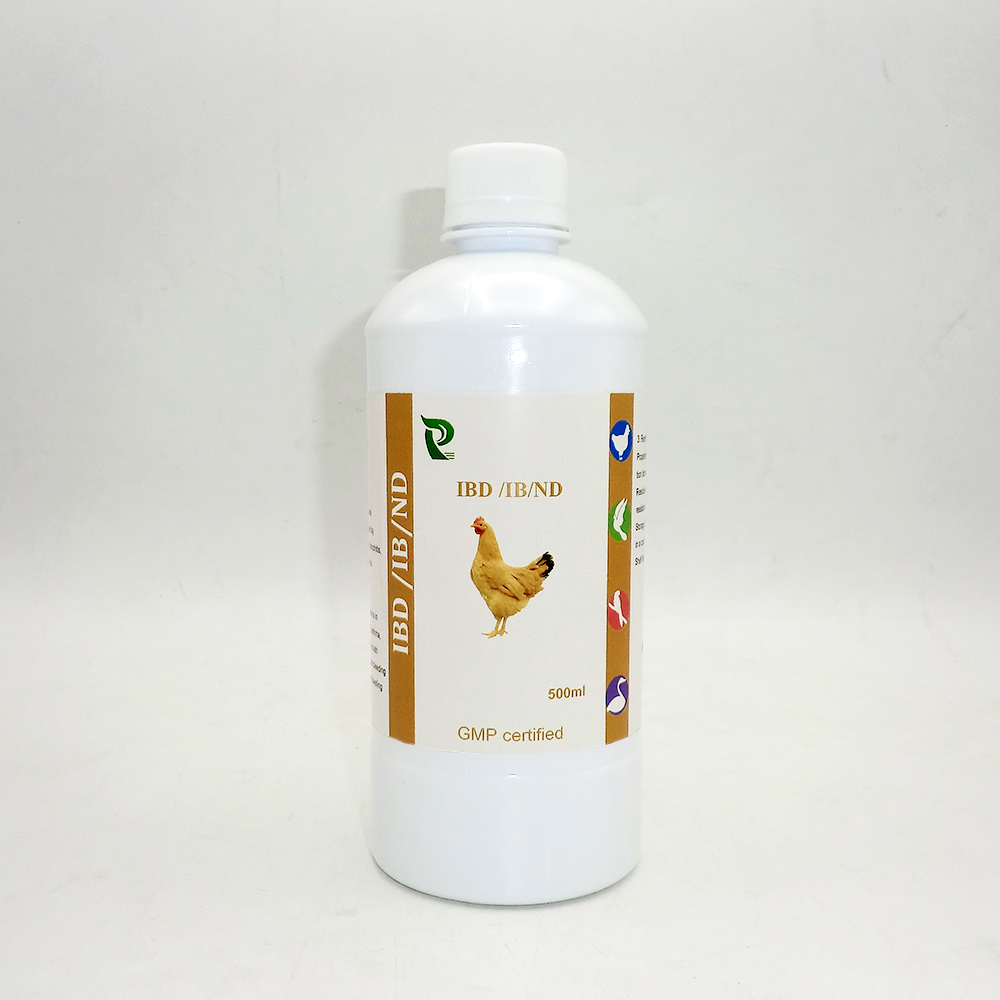
Understanding Veterinary Medicine Use: A Global Perspective
Veterinary medicine use isn’t just about treating animals—it’s a critical cornerstone supporting global food security, public health, and environmental balance. When we think about it, ensuring animals remain healthy touches agriculture, economies, ecosystem health, and even human well-being. Grasping the ins and outs of veterinary medicine use helps policy makers, farmers, and health practitioners alike address a chain of challenges from disease controls to food safety.
Why Veterinary Medicine Use Matters Worldwide
Globally, about 70 billion farm animals are raised annually for food production (FAO, 2022), which only underscores the scale and importance of veterinary care. Responsible veterinary medicine use—ranging from vaccines and antibiotics to parasite control—helps keep these populations productive and safe. However, improper use leads to antibiotic resistance, ecological disruptions, and even zoonotic risks, as the World Health Organization warns. So it’s not just some niche sector; it’s a global health and sustainability concern.
What Exactly Is Veterinary Medicine Use?
Veterinary medicine use refers to the administration and management of pharmaceuticals and treatments designed for animals—pets, livestock, and wildlife alike. It encompasses everything from simple vaccinations to complex therapeutics and even nutritional supplements. At its essence, it’s about preventing, diagnosing, and treating diseases to promote animal health and welfare, while indirectly protecting human health, too. In modern agriculture and humanitarian efforts (like emergency livestock care in disaster zones), veterinary medicine use is foundational.
Key Aspects of Veterinary Medicine Use
1. Safety and Regulatory Compliance
Using veterinary medicines safely means adhering to strict regulations—drug approvals, withdrawal periods before slaughter, dosage controls. This safeguards consumers from drug residues and protects animal welfare. Oddly enough, despite the high stakes, some regions face regulatory mismatches or supply chain gaps, which complicates safe medicine access.
2. Resistance Management
Antibiotic resistance is a hot-button issue. Prudent veterinary medicine use involves monitoring, rotating drugs, and relying more on vaccines or preventive care to reduce reliance on antibiotics. Many farms now follow “One Health” principles linking animal and human medicine to tackle this.
3. Accessibility and Affordability
Veterinary medicines must be accessible to rural farmers and underserved communities. Cost-effective solutions without compromising quality are vital. International aid programs often focus on building this access, especially in developing countries.
4. Traceability and Data Use
Tracking medicine use through digital records and supply chains is gaining traction, enabling better outbreak responses and resistance tracking. It’s early days for many but promising.
Global Applications & Real-World Impact
Look at the dairy industry in New Zealand, where veterinary medicine use supports high milk yields and disease control, or the pastoralist communities in Kenya relying on effective treatments to keep livestock alive and thriving. In post-disaster zones like post-cyclone Mozambique, rapid veterinary interventions prevent disease outbreaks among displaced animals, crucial for rebuilding livelihoods.
Even wildlife conservation programs rely heavily on veterinary medicine use to safeguard endangered species, showing how broadly this topic stretches.
Benefits & Long-Term Value
- Economic Stability: Healthy animals mean higher productivity and income.
- Social Impact: Ensures food security and livelihoods.
- Environmental Care: Responsible medicine use prevents ecological damage.
- Trust and Innovation: Modern veterinary therapies reassure farmers and encourage adoption of sustainable practices.
Frankly, it feels like veterinary medicine use embodies a balance—between protecting animals and protecting people.
Future Trends & Innovations in Veterinary Medicine Use
Technology’s touch is palpably changing veterinary medicine. Digital health monitoring, AI-driven diagnostics, precision dosing, and biodegradable drug delivery systems are all shaping the near horizon. The integration of green chemistry and sustainable drug production promises to reduce environmental footprints, crucial given rising ecological concerns. Additionally, international standards are harmonizing to streamline safe imports and access, especially in developing economies.
Overcoming Challenges
Lack of infrastructure and inconsistent regulations remain big hurdles, especially in rural and impoverished regions. Training farmers and veterinary professionals to use medicines wisely requires ongoing effort. Innovative mobile health platforms and partnerships between governments, NGOs, and private sectors are proving useful to bridge these gaps. I suppose it’s a slow but hopeful process.
Product Specifications: Sample Veterinary Medicine Use for Livestock
| Product | Type | Dosage Form | Target Species | Withdrawal Period |
|---|---|---|---|---|
| Oxytetracycline | Antibiotic | Injectable | Cattle, Sheep, Pigs | 28 days (meat) |
| FMD Vaccine | Vaccine | Injection | Cattle | N/A |
| Ivermectin | Antiparasitic | Oral/Drench | Sheep, Goats | 14 days |
Vendor Comparison for Veterinary Medicine Suppliers
| Vendor | Product Range | Geographic Reach | Certifications | Pricing |
|---|---|---|---|---|
| VetPharm Global | Broad (antibiotics, vaccines) | Worldwide | ISO 9001, GMP | Mid-Range |
| AgriMed Solutions | Focused (livestock vaccines) | Asia, Africa | WHO Prequalified | Affordable |
| BioVet Innovate | Innovative therapies & supplements | Europe, North America | FDA, EMA Approval | Premium |
FAQ: Common Questions About Veterinary Medicine Use
- Q: How does veterinary medicine use help prevent zoonotic diseases?
A: Proper veterinary care controls infections in animals, reducing the risk of diseases spilling over to humans. Vaccines and antibiotics treat or prevent infections that might otherwise jump species. - Q: Are all veterinary medicines safe for food-producing animals?
A: Medicines approved for livestock undergo strict safety evaluations, including withdrawal periods to ensure residues don’t enter the food chain. - Q: How can smallholder farmers afford veterinary medicines?
A: Subsidies, community animal health workers, and NGO programs often provide affordable access and training to maximize benefits. - Q: What steps are taken to combat antimicrobial resistance in veterinary medicine use?
A: Strategies include reducing unnecessary antibiotic use, monitoring resistance, and promoting vaccines and hygiene.
Wrapping Up: Why Vet Medicines Matter Long-Term
Veterinary medicine use is more than treating sick animals; it’s about fostering sustainable food systems, protecting public health, and maintaining ecological harmony. With innovations and global cooperation, the challenges can be turned into opportunities. For those interested in deeper insights or practical solutions, I encourage visiting our website for resources and updates.
Sometimes, when you think of veterinary medicine, it’s just pets or farms, but in real terms, it’s about people’s lives, economies, and the planet’s future.
Quick Takeaway: Veterinary medicine use is a vital global practice intricately linked to animal welfare, food security, and human health, continuously evolving with technology and policy.
References
Post time: December 1, 2025