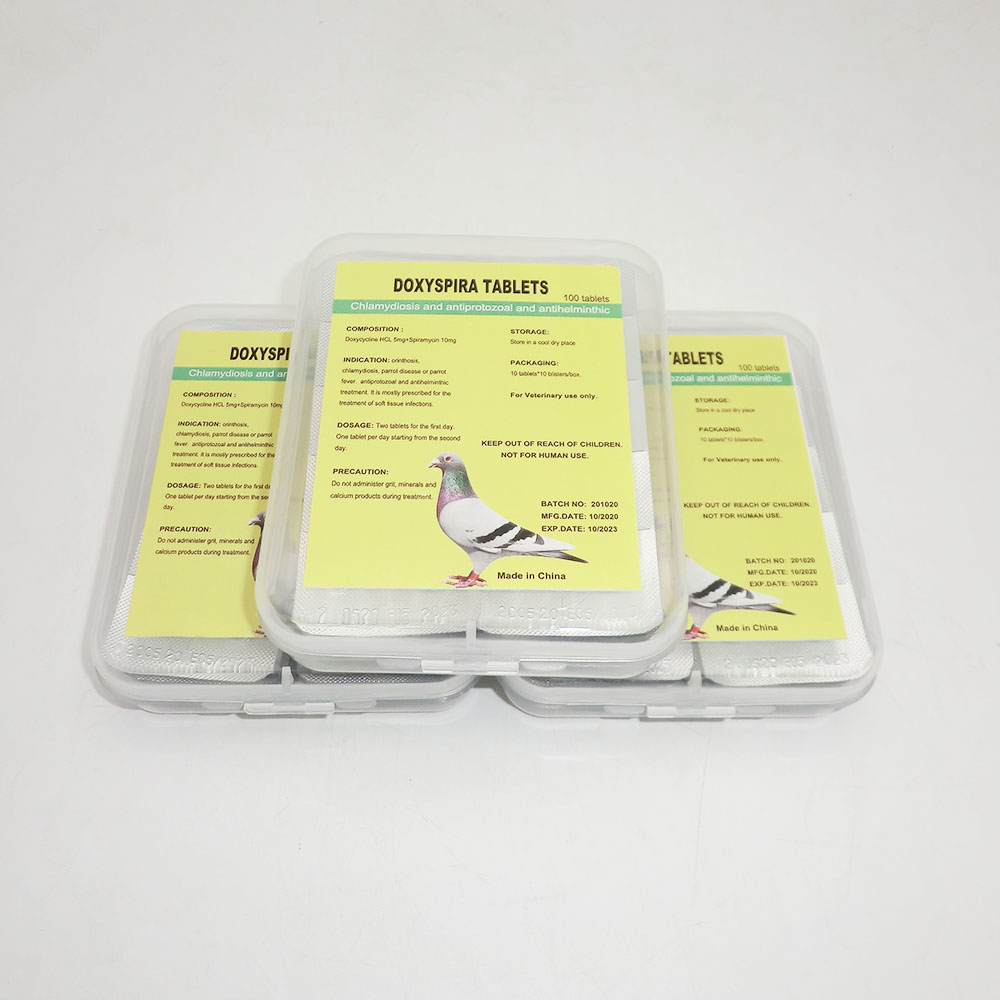
The Importance of a Veterinary Medicine Price List in Today’s Global Market
When you stop to think about it, managing veterinary healthcare isn’t just about treating animals—it’s about safeguarding public health, food security, and even ecosystems. A well-organized veterinary medicine price list plays a surprisingly pivotal role in this complex puzzle. But why does it matter so much on a global scale? And what benefits come from truly understanding how these price lists work? Let’s dive in with an honest look at this often-overlooked topic.
Introduction: Why a Veterinary Medicine Price List Matters Globally
Veterinary medicine is a billion-dollar industry worldwide. According to the World Bank, livestock contributes up to 40% of agricultural GDP globally, which shows you just how critical animal health is for economies and communities alike. Yet, access to affordable medicines remains a challenge, especially in developing regions. Here’s where a clear, up-to-date veterinary medicine price list becomes indispensable: it helps governments, NGOs, and veterinarians plan budgets, identify costs, and make informed purchasing decisions.
However, the landscape is complicated by factors like fluctuating currency rates, supply chain disruptions, and differing regulatory frameworks. Because of these challenges, many clinics and animal welfare organizations struggle with medication procurement, sometimes leading to stock-outs or excessive expenditure. Frankly, having a reliable pricing reference can alleviate these issues by promoting transparency and predictability.
What Exactly is a Veterinary Medicine Price List?
Simply put, a veterinary medicine price list is a detailed record outlining the costs of various veterinary drugs and medical products. Think of it as an evolving catalogue that shows not just the prices, but also packaging sizes, dosages, manufacturers, and even expiry dates in some cases. These lists can be global, regional, or customized for specific markets.
In today’s context, they’re strongly linked to the drive for efficient supply chains and equitable animal healthcare. For instance, a humanitarian agency supplying vaccines in rural areas might rely heavily on an accurate price list to ensure it can afford enough doses for livestock populations, which in turn protects both food supplies and local economies.
Core Components of a Veterinary Medicine Price List
1. Price Accuracy and Currency Considerations
Prices must reflect real-time costs including taxes, logistics fees, and currency exchange rates. This is crucial to avoid surprises during purchases, especially in international transactions.
2. Comprehensive Product Descriptions
Not all medicines are created equal. Detailed descriptions covering active ingredients, concentration, and intended species ensure that vets know exactly what they’re buying.
3. Regulatory Compliance Information
Medicines must comply with local and international regulations. A good price list often includes registration status, which helps avoid wasted spending on unapproved products.
4. Supplier and Manufacturer Details
Transparency on who supplies what helps users assess reliability and delivery speed, plus warranty or return policies.
5. Packaging and Quantity Options
Since veterinary drugs are often used in varied settings—from small practices to large farms—options in packaging size affect cost-efficiency and logistics.
Product Specification Table Example
| Product Name | Active Ingredient | Pack Size | Price (USD) | Target Species |
|---|---|---|---|---|
| Rabivet Vaccine | Rabies Virus Inactivated | 10-dose vial | $120 | Dogs, Cats |
| Flubellin Injectable | Influenza Virus Vaccine | 5-dose vial | $80 | Horses |
| Cattlemend Plus | Multivitamin Injectable | 100 ml bottle | $50 | Cattle |
Mini takeaway: A veterinary medicine price list’s precision depends heavily on detailed product info and market conditions; these basics can make the difference between smooth operations or costly setbacks.
Global Applications & Use Cases
Where does this all really come into play? Well, from large-scale commercial farms in the US and Europe to smallholder farms in Africa and Asia, veterinary medicine price lists are vital. For instance, in post-disaster relief operations—say, after a flood in Southeast Asia—rapid deployment of affordable vaccines can prevent zoonotic outbreaks. NGOs working in these situations rely heavily on up-to-date pricing to procure enough supplies quickly.
Meanwhile, in remote industrial zones like Australia’s mining camps, vets need quick access to medicines to keep working animals healthy without excessive costs. Veterinary price lists are also essential in developed countries for fleet management of veterinary hospitals or large clinics, enabling cost comparison and strategic stockpiling.
Vendor Comparison Table
| Vendor | Price Range | Product Range | Geographical Reach | Support Services |
|---|---|---|---|---|
| VetGlobal Supplies | Medium to High | Wide (Vaccines, Antibiotics, Nutrients) | Global | Consulting, Training |
| FarmVet Direct | Low to Medium | Basic & Generic Medicines | North America, Europe | Customer Support, Logistics |
| AgroVet Africa | Low to Medium | Vaccines, Parasite Control | Sub-Saharan Africa | On-site Training, Mobile App |
Mini takeaway: Choosing the right vendor depends on your geography, budget, and the complexity of medical needs — no one-size-fits-all here.
Advantages & Long-Term Value of Veterinary Medicine Pricing Transparency
The obvious advantage is cost savings through smarter procurement. But beyond the dollars and cents, there's a deeper significance. Knowing prices clearly helps build trust between veterinarians, suppliers, and farmers. It fosters a sense of security — like you’re not being blindsided by sudden hikes or shady deals.
From a sustainability perspective, efficient medicine use prevents wastage and mitigates environmental risks that come from overmedication or improper disposal. There’s also a social layer: affordable medicines improve animal welfare and by extension, the livelihoods of the people dependent on them. It’s a circle of trust, economy, and ethics intertwined.
Looking Ahead: Future Trends & Innovations
Oddly enough, technology is reshaping how veterinary medicine price lists are managed and accessed. Digital platforms now offer real-time updates, AI-driven cost predictions, and integration with inventory systems. Blockchain, too, is emerging for transparency and counterfeit prevention.
Green chemistry is influencing formulations to make medications more eco-friendly, aligning with global goals like the UN Sustainable Development Goals. Meanwhile, policies encouraging generic drug production in emerging markets may push prices down, making veterinary healthcare more accessible than ever.
Challenges & Possible Solutions
No price list is perfect. Currency volatility can quickly make numbers obsolete. Also, uneven data collection standards lead to inconsistencies — in some places, prices might not be updated frequently enough. Plus, language barriers and internet access are real hurdles for smaller providers or remote users.
Some promising solutions include:
- Cloud-based, multilingual platforms that automatically adjust for currency and logistical costs.
- Partnerships between governments and private sectors to standardize data reporting.
- Mobile applications designed for offline access and quick synchronization when online.
These innovations aren’t just theoretical — some NGOs are already piloting such systems with impressive results.
FAQ: Frequently Asked Questions About Veterinary Medicine Price Lists
Q1: How often should a veterinary medicine price list be updated?
A: Ideally, price lists should be updated monthly if not bi-weekly, especially in volatile markets. Some digital platforms provide real-time updates synchronized with currency and supply changes.
Q2: Can veterinary medicine price lists help in budgeting for animal healthcare?
A: Absolutely. They provide a baseline for costs, enabling veterinarians and organizations to forecast expenses more accurately, reduce surprises, and allocate funds efficiently.
Q3: Are generic veterinary medicines always cheaper and equally effective?
A: Typically, generics cost less but may vary in efficacy depending on the manufacturer and regulatory standards. Always verify approval status and source reliability before purchasing.
Q4: How can small clinics in remote regions access accurate veterinary medicine price lists?
A: Many organizations now offer downloadable price lists or mobile apps that work offline and update when the device is online, helping those in connectivity-challenged areas.
Q5: Is there a way to compare prices from different vendors easily?
A: Yes, platforms that aggregate multiple suppliers’ data are becoming popular, offering side-by-side comparisons including price, shipping, and delivery times.
Conclusion: Why Understanding Veterinary Medicine Prices Pays Off
In real terms, knowing your veterinary medicine price list inside and out helps save money, safeguard animal and public health, and even support ethical practices. It’s not just about prices—it's about building a resilient, transparent, and efficient veterinary ecosystem worldwide. If you want to explore detailed listings or find the best deals for your veterinary needs, visit our website: veterinary medicine price list.
Thanks for sticking with me through this deep dive — it feels like a small world with big impacts hidden inside these lists!
Quick recap:
- Accurate pricing boosts procurement efficiency and trust.
- Global challenges call for adaptable, digital solutions.
- Transparency benefits animal welfare and sustainability.
References:
1. World Bank Agriculture Overview
2. United Nations Sustainable Development Goals
3. Wikipedia: Veterinary Medicine
Post time: December 2, 2025