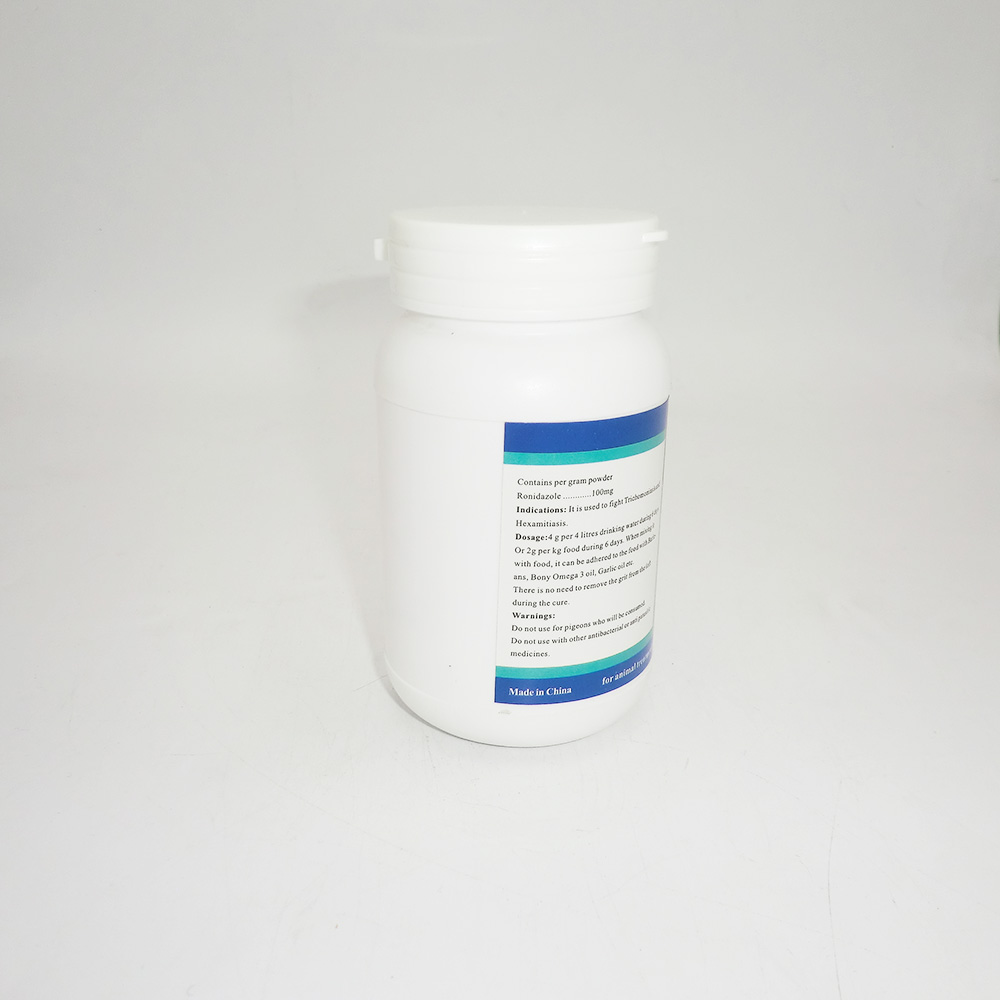
Understanding Veterinary Pharmaceuticals: Why They Matter Worldwide
If you’ve ever paused to consider the vast industries behind the food we eat or the pets we adore, you might have stumbled upon the term veterinary pharmaceuticals. It’s one of those phrases that feels niche but actually holds global importance. Put simply, these are medicines and healthcare products formulated specifically to treat animals — whether livestock, pets, or wildlife. Now, why should anyone outside the veterinary world care about this?
Well, veterinary pharmaceuticals ensure animal health, which directly correlates with human health, food safety, and ecological balance. Globally, billions rely on treated livestock for nutrition and livelihoods. Understanding these products opens a window into a world where science, sustainability, and commercial needs meet — with ripple effects from farms in Iowa to wildlife reserves in Kenya.
The Bigger Picture: Global Relevance of Veterinary Pharmaceuticals
Here's a trivia nugget: the global veterinary pharmaceutical market was valued at over $40 billion in 2023, expected to grow steadily over the coming decade (World Health Organization). Why? Increasing world population means more demand for animal proteins and healthier pets, and that demand requires better and safer animal medicines.
Yet it’s not just about quantity; it’s about quality and responsibility. Overuse or misuse of animal drugs can lead to antimicrobial resistance — a huge concern worldwide flagged by the Food and Agriculture Organization and the United Nations. So, veterinary pharmaceuticals sit at the crux of advancing animal welfare, public health, and food security, while also managing global challenges like disease outbreaks.
What Exactly Are Veterinary Pharmaceuticals?
At its heart, veterinary pharmaceuticals are drugs designed exclusively for animals. Think antibiotics, vaccines, anthelmintics, hormones, and other therapeutic agents that help diagnose, prevent, or treat diseases in animals.
Unlike human medicines, these products are crafted with species differences in mind — because what works for a dog might be harmful to a cow, or vice versa. They form an essential pillar supporting modern veterinary medicine and animal husbandry — especially as humans push towards sustainable agriculture and responsible pet ownership.
Why Does This Matter Beyond the Vet Clinic?
Veterinary pharmaceuticals are critical in ensuring animals remain healthy in food production chains, reducing zoonotic disease transmission (diseases transferable from animals to humans), and supporting biodiversity where wild animals are threatened.
Core Components of Veterinary Pharmaceuticals
1. Efficacy and Safety
Veterinary drugs must be effective in curing or managing conditions with minimal side effects. In real terms, this means rigorous testing, validation, and constant monitoring post-release.
2. Species-Specific Formulations
Because of metabolism differences, drugs come in tailored doses and forms: tablets, injectables, topical creams, or oral pastes. This allows veterinarians and farmers to administer medicines safely without guesswork.
3. Regulatory Compliance
These pharmaceuticals follow strict global and national laws overseen by authorities such as the FDA (USA), EMA (Europe), and local agencies. Compliance ensures product quality, ethical marketing, and prevents illegal use.
4. Sustainability and Environmental Impact
Today’s manufacturers aim to minimize chemical residues and environmental contamination—crucial for preserving ecosystems where treated animals live or graze.
5. Cold Chain and Storage Requirements
Many veterinary vaccines and biologics require careful temperature control from production to administration, which can be a logistical challenge in remote or developing regions.
6. Cost-Effectiveness
Especially in agricultural contexts, affordable treatments mean farmers can maintain herd health without excessive losses — critical to livelihoods and food security.
Applying Veterinary Pharmaceuticals Across the Globe
The applications are as diverse as the animals themselves:
- Agriculture: In regions like Brazil’s cattle ranches or India’s dairy farms, vaccines and antibiotics ensure high productivity and disease control.
- Companion Animals: In North America and Europe, flea, tick, and worming treatments keep pets safe and happy — which for many families means peace of mind.
- Wildlife Conservation: Organizations like the World Wildlife Fund use selected pharmaceuticals to treat ill or injured endangered species in Africa and Asia.
- Disaster Relief and Disease Outbreaks: Post-flood regions often face outbreaks like foot-and-mouth disease. Timely pharmaceutical intervention prevents spread and massive economic loss.
For example, in remote industrial zones of Australia, mobile veterinary units equipped with essential pharmaceuticals provide critical healthcare to livestock, maintaining both animal welfare and the region’s economic health.
Benefits and Lasting Value of Veterinary Pharmaceuticals
Here’s where it gets a little emotional but practical — veterinary pharmaceuticals provide:
- Safety: Protecting animals from painful illnesses.
- Food Security: Healthy livestock means more stable food supplies and better nutrition worldwide.
- Innovation: New drug developments accommodate emerging diseases and resistance challenges.
- Economic Stability: Farmers and pet owners can avoid devastating losses.
- Trust: As a society, knowing animals are treated responsibly helps build consumer confidence in food products.
Product Specification Table: Typical Veterinary Pharmaceutical Packaging
| Specification | Details |
|---|---|
| Dosage forms | Injectables, Oral Tablets, Topical Solutions, Powders |
| Temperature Storage | 2°C - 8°C (Vaccines), Room Temperature (Antibiotics) |
| Shelf Life | 12 to 36 Months, depending on product |
| Packaging | Vials, Blister Packs, Sachets |
| Target Species | Cattle, Poultry, Swine, Companion Animals |
Comparing Leading Veterinary Pharmaceutical Vendors
| Vendor | Product Range | Global Reach | Sustainability Initiatives | Price Level |
|---|---|---|---|---|
| VetPharma Co. | Vaccines, Antibiotics, Nutritional Supplements | 100+ countries | Eco-friendly packaging, reduced carbon footprint | Mid-High |
| GlobalVet Solutions | Parasite Control, Hormones, Diagnostics | 75+ countries | Water-saving manufacturing, biodegradable components | Mid |
| AnimalCare Labs | Broad spectrum antibiotics, vaccines | 50+ countries | Carbon-neutral goals by 2030 | Low-Mid |
Looking Forward: Trends and Innovations in Veterinary Pharmaceuticals
Technology is shaking up this space like never before. Digital tools like AI and blockchain are improving supply chain transparency, helping to track drug efficacy, and curb counterfeiting — a serious problem in some markets.
Green chemistry is making veterinary pharmaceuticals more environmentally friendly, reducing the use of hazardous solvents or heavy metals in production. Add to that the rise of precision medicine targeted by animal genotype or microbiome, and the future feels...well, smarter and greener.
Automation in farming integrates pharmaceutical delivery (think automated injectors or dosing pumps), improving accuracy and reducing labor. This is especially useful in large operations, cutting down human error and stress on animals.
Addressing Challenges in Veterinary Pharmaceuticals
No field is without its roadblocks. Regulatory variation between countries can delay introduction of lifesaving drugs. Vaccine cold chains are notoriously fragile in developing regions, risking spoilage before use.
Moreover, the rise of antimicrobial resistance demands careful stewardship — which sometimes conflicts with urgent veterinary needs.
Solutions? Collaborative international frameworks to harmonize regulations, smarter packaging and transport tech (solar-powered coolers, for example), and education programs promoting responsible drug use among veterinarians and farmers alike.
Frequently Asked Questions About Veterinary Pharmaceuticals
- What do veterinary pharmaceuticals include besides antibiotics?
- Besides antibiotics, veterinary pharmaceuticals cover vaccines, antiparasitics, hormones, anti-inflammatory drugs, nutritional supplements, and diagnostic agents designed for animal use.
- How are veterinary drugs regulated globally?
- Regulation varies, but major agencies like the FDA and EMA set rigorous standards for approval, safety, and marketing. Many countries have local agencies overseeing veterinary product registration and monitoring.
- Can veterinary pharmaceuticals be used for wildlife?
- Yes, specially formulated drugs and delivery methods (like darting) are used in wildlife conservation to treat diseases or control populations humanely.
- How do veterinary pharmaceutical companies ensure drug safety?
- Through extensive research, clinical trials on target species, post-marketing surveillance, and adherence to manufacturing Good Practices, companies aim for effective and safe products.
- Are veterinary drugs expensive for farmers?
- Costs vary, but many companies strive to offer affordable treatments, recognizing that cost-effectiveness is crucial for smallholders and large farms alike.
Wrapping It Up: The Enduring Impact of Veterinary Pharmaceuticals
Frankly, veterinary pharmaceuticals do more than heal animals — they secure food supplies, safeguard public health, and support economies globally. The ongoing innovation in this sector promises better products, greener practices, and smarter applications.
Curious to learn more or source reliable veterinary healthcare products? Visit our site at veterinary pharmaceuticals for info and trusted partnerships.
Post time: November 30, 2025