Understanding Concentrated Feed for Goats: Why It Matters Globally
When we talk about concentrated feed for goats, we're really touching on an essential element in global livestock management — one with cascading effects on food security, rural livelihoods, and sustainable agriculture. Concentrated feed, in simple terms, is a nutrient-dense ration designed to complement roughage diets, enabling goats to grow faster, produce more milk, and withstand harsh conditions better.
Globally, goats feed millions of subsistence farmers and pastoral communities, especially across Asia, Africa, and parts of Latin America. According to FAO, goats account for approximately 15% of the global meat supply and have an important role in food sovereignty. Understanding and optimizing concentrated feeds can lead to improved animal health, enhanced productivity, and greater socioeconomic benefits — things that matter greatly when food scarcity or climate pressures loom large.
Mini takeaway: Concentrated feed for goats is a linchpin in balancing productivity and sustainability for millions worldwide.
The Global Context: Bridging Nutrition Gaps in Goat Farming
It's no secret the demand for animal protein is rising rapidly due to population growth and changing diets. The World Bank projects that global meat demand will increase by nearly 70% by 2050, pushing farmers to optimize feed practices. Goats, being hardy and adaptable, are often preferred livestock in marginal regions. But there's a challenge: traditional grazing lands frequently fail to provide sufficient nutrition year-round.
Concentrated feed is a response to this challenge — offering consistent protein, energy, vitamins, and minerals that roughage alone can’t deliver. Especially in areas affected by drought or land degradation, supplemental feeds ensure goats don’t just survive but thrive. Governments, NGOs, and private enterprises are increasingly focusing on accessible, affordable formulations to tackle malnutrition in herd populations.
Mini takeaway: Concentrated feed plays a strategic role in meeting increasing protein demands while combating feed scarcity issues worldwide.
What Exactly Is Concentrated Feed for Goats?
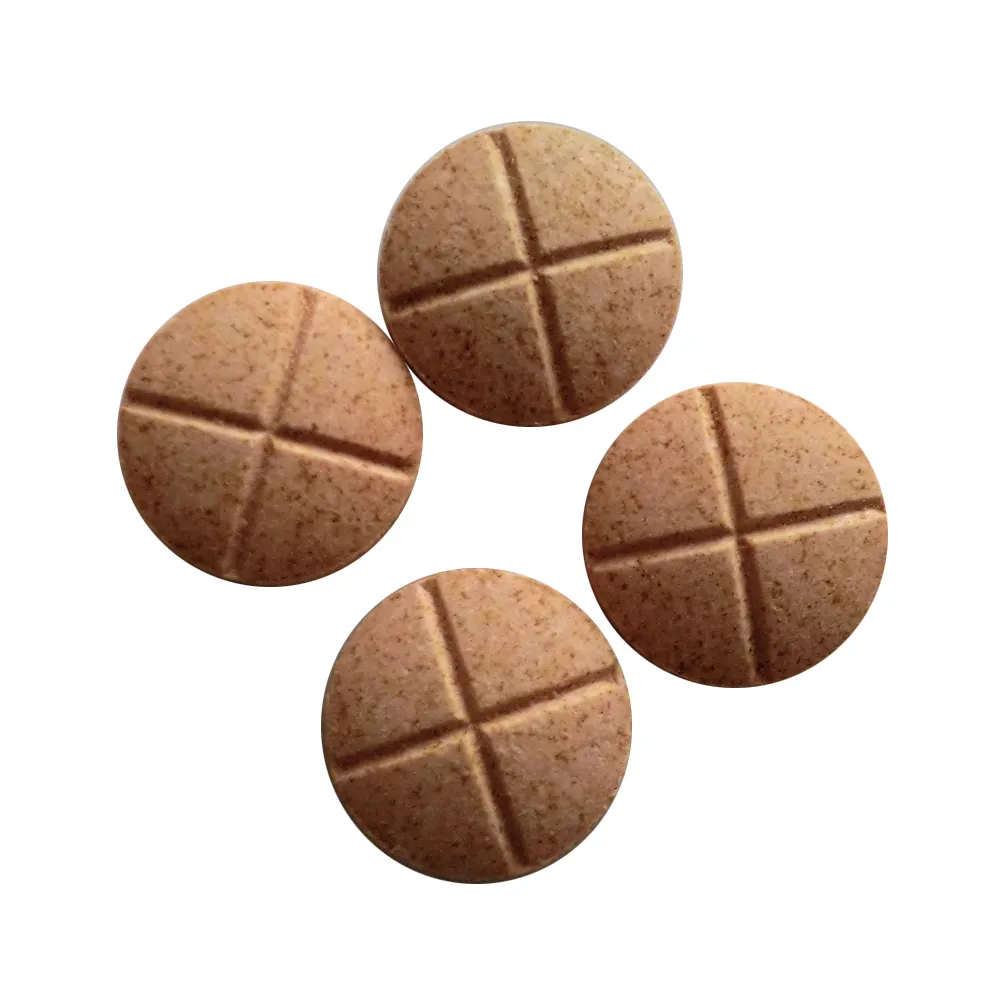
To put it plainly, concentrated feed refers to highly nutritious, energy-dense supplements designed to complement fibrous diets like grass or hay. Typically composed of grains (like maize or barley), oil meals, seed cakes, and essential minerals, they improve the digestibility and nutrient balance for goats.
In modern farming setups and humanitarian contexts alike, these feeds help goats maximize weight gain, milk yield, and reproductive performance. Imagine a smallholder in Kenya combining local roughage with a scientifically formulated concentrate — suddenly, the goat’s growth accelerates, producing more milk for the family or market.
The link to sustainable livestock farming is clear: concentrate feeds optimize limited land use while ensuring animal welfare.
Key Characteristics of High-Quality Concentrated Feed
1. Nutrient Density
A good concentrated feed packs ample protein (usually 16-20%) and energy, plus essential vitamins and minerals. This supports metabolic functions and promotes healthy growth. Even small improvements in nutrient density can lead to large jumps in productivity.
2. Palatability
Goats can be picky eaters. Feeds must taste good and smell appealing to encourage intake, especially when transitioning from traditional forage to supplements.
3. Cost Effectiveness
Affordability is critical. Concentrates formulated with locally available ingredients help keep costs down and are better accepted by small-scale farmers.
4. Balanced Composition
The right mix of carbohydrates, proteins, fats, and minerals is essential to avoid digestive disturbances or nutrient imbalances.
5. Storage Stability
Feeds must resist spoilage and maintain quality under varying climatic conditions — a common challenge in tropical or arid regions.
| Nutrient | Typical Range | Role |
|---|---|---|
| Crude Protein | 16% - 20% | Supports growth, milk production |
| Metabolizable Energy | 2.5 - 3.0 Mcal/kg | Energy for maintenance and activity |
| Fiber (NDF) | 15% - 25% | Aids digestion and rumen health |
| Calcium | 0.6% - 1.0% | Bone and metabolic functions |
| Phosphorus | 0.3% - 0.5% | Important for energy and growth |
Mini takeaway: Balancing nutrition, palatability, cost, and storage is the secret sauce for effective concentrate feeds.
Global Applications & Who Benefits Most?
Concentrated feed isn’t just a fancy product for large industrial farms — it’s a vital tool for grassroots development and humanitarian work. For example:
- Smallholder farmers in East Africa: Where goats are sometimes the only asset, concentrates supplement seasonal fodder shortages.
- Disaster relief programs: Post-drought interventions often supply emergency feed concentrates to maintain herd viability.
- Commercial dairies in India and Pakistan: Use concentrates to enhance milk production and meet urban demand.
Even in remote industrial zones, such as mining camps, where local forage is poor or nonexistent, supplying concentrated feed maintains livestock for meat and milk.
Vendor Comparison: Popular Concentrated Feed Brands
| Brand | Protein % | Typical Price/kg | Key Ingredient | Availability |
|---|---|---|---|---|
| GoatPlus Max | 18% | $0.45 | Soybean Meal | Global |
| NutriGoat Blend | 16% | $0.38 | Sunflower Cake | Africa, Asia |
| AgroFeed Premium | 20% | $0.50 | Maize + Legumes | Local/regional |
Long-Term Benefits: More Than Just Better Feeding
Aside from obvious gains in meat and milk production, investing in concentrated feed fosters sustainability. Feeding goats more effectively means fewer animals are needed to achieve the same output, reducing grazing pressure and land degradation. Socially, it empowers farmers with predictable income streams and better nutrition for their families.
Emotionally, keepers feel pride and security knowing their animals are well cared for, while innovations in feed contribute to rural development and food dignity.
Emerging Trends & Innovations to Watch
The industry isn’t static. We're seeing exciting innovations like:
- Biofortified concentrates enriched with micronutrients tailored to local deficiencies.
- Digital feed calculators and apps enabling farmers to customize rations precisely.
- Increased use of insect protein as a sustainable protein source in concentrates.
- Traceability and certification for organic or climate-smart feed options.
These advancements promise not only to improve outcomes but also reduce environmental footprints — a real game-changer.
Tackling Challenges: Practical Solutions for Common Issues
One constraint is feed cost volatility due to fluctuating raw material markets. Local ingredient sourcing and cooperative purchasing can help. Storage losses due to moisture or pests pose another hurdle — solutions include improved packaging and training farmers in best practices.
Also, misinformation about feed usage can lead to suboptimal results. Extension services and farmer education play critical roles here, helping avoid overfeeding or nutrient imbalance.
FAQ: Answers to Common Questions on Concentrated Feed for Goats
Q1: How do I know how much concentrate to feed my goats daily?
The amount depends on the goat’s age, weight, production stage (e.g., lactating or growing), and quality of roughage. A typical guideline is 1-3% of the goat's body weight in concentrate. It's crucial to introduce concentrates gradually to prevent digestive upset.
Q2: Can concentrated feeds replace grazing completely?
Not usually. Concentrates supplement, not replace, the roughage diet. Most goats require fiber for proper rumen function. Total mixed rations can exist but are more common in intensive systems.
Q3: Are there organic concentrate options available?
Yes. Some manufacturers produce organic-certified concentrates using non-GMO and pesticide-free ingredients, which cater to organic goat farms or specialty markets.
Q4: How can small farmers afford quality concentrates?
Cooperative buying groups, subsidies, or government programs often help reduce costs. Additionally, some local feed mills formulate affordable blends with regional ingredients to keep prices accessible.
Q5: What should I look for when choosing a concentrate brand?
Look for transparency in nutrient composition, reputable sourcing, storage life, and customer support. A trusted brand often offers technical advice and formulation guidance.
Wrapping It Up: Why Concentrated Feed for Goats Is Worth Your Attention
To some, feed might seem mundane, but in real terms, it shapes the entire landscape of goat farming — sustainability, income, and food security all hinge on what goes into the trough. Concentrates provide a powerful tool to optimize productivity, support farmers through climate challenges, and ultimately nourish communities.
If you're considering how to improve your goats' diet or broaden your familiarities, analyzing and adopting concentrated feeds is a logical step. For more detailed guidance and tailored formulations, explore our resources and product lines at concentrated feed for goats. It could be the difference between guesswork and consistent success in your herd management.
References:
1. Food and Agriculture Organization of the United Nations (FAO), livestock statistics
2. World Bank Data, meat production stats
3. International Organization for Standardization (ISO), animal feed standards overview.
Post time: November 26, 2025