Understanding Different Types of Feed Supplements for Poultry: Why It Matters Globally
Whether you're a seasoned poultry farmer or just someone curious about how your chicken nuggets got so tender, the topic of different types of feed supplements for poultry plays a surprisingly big role in global food security and animal health. With poultry being one of the fastest-growing segments in global livestock production, optimizing their nutrition is not just about better taste—it's about sustainability, animal welfare, and economic viability for producers worldwide.
As global demand for poultry meat and eggs continues to rise (FAO reports project nearly a 30% increase by 2030), understanding feed supplements is critical in maximizing growth, preventing disease, and reducing environmental impacts. Frankly, these supplements can make the difference between a struggling farm and a profitable, sustainable business. Let’s dive deeper.
The Global Context: Why Diverse Poultry Feed Supplements Are Key
Globally, poultry production accounts for roughly 35% of all meat produced (UN FAOSTAT), making it a vital protein source especially in developing economies. However, feeding these birds efficiently remains a key challenge. Feed supplements address issues such as nutrient shortages, disease resistance, and performance optimization.
For example, in Asia and Africa, where smallholder farms dominate, balanced feed supplements can bridge nutritional gaps caused by scarce feed ingredients and volatile supply chains. According to the International Feed Industry Federation, feed additives represent nearly 10% of the global feed market and are growing steadily due to rising demand from poultry producers.
The challenge many face: How to deliver cost-effective, scalable, and environmentally friendly feed solutions?
What Exactly Are Different Types of Feed Supplements for Poultry?
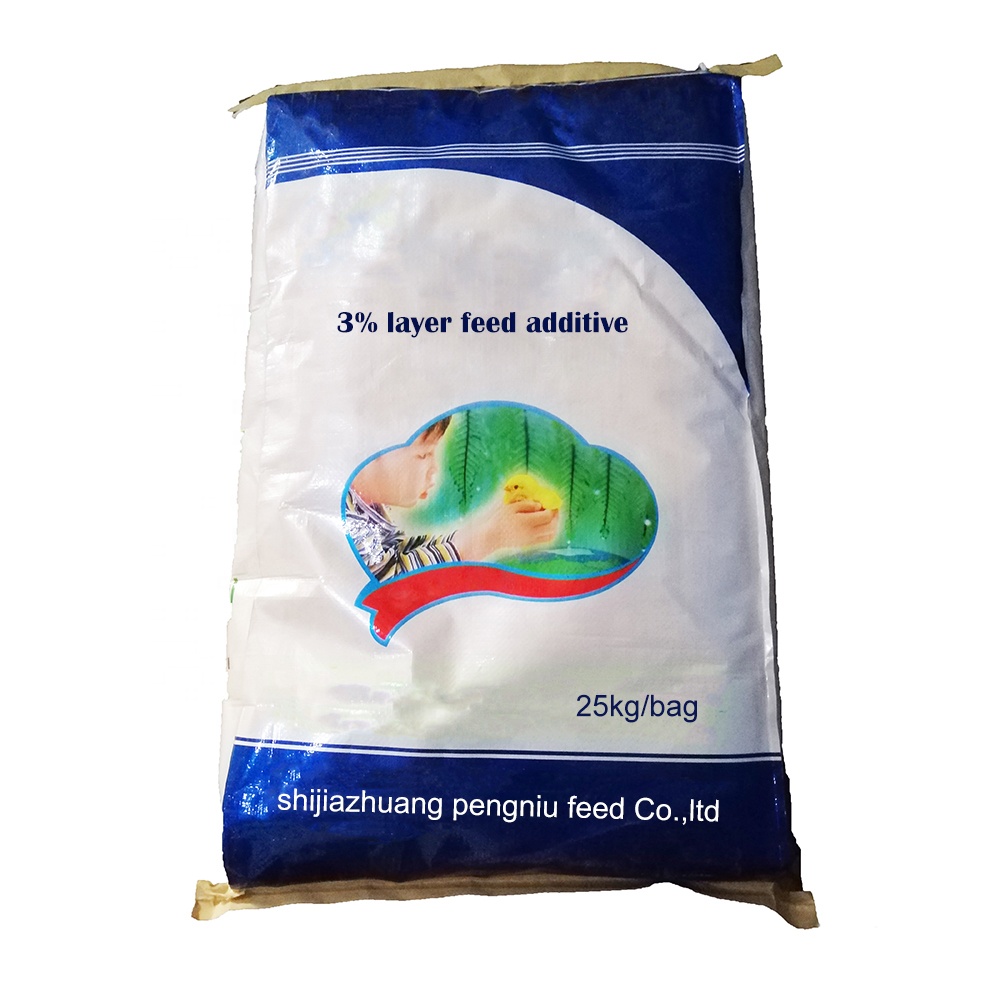
Put simply, feed supplements are substances added to the regular poultry diet to improve its nutritional value, promote better growth, enhance immunity, or improve feed conversion ratios (FCR). These can be vitamins, minerals, enzymes, probiotics, amino acids, or even herbal additives.
The poultry industry has evolved beyond just “feed the birds and hope for the best.” With rising consumer awareness around antibiotic use and sustainability, supplements today blend science and nature to support birds’ health and productivity while fitting into ethical production systems.
Core Components That Define Effective Feed Supplements
1. Nutritional Density
Supplements must complement basal diets by filling crucial nutrient gaps, for example, calcium for eggshell quality or methionine for muscle growth. The right balance avoids waste and pollution.
2. Digestibility and Bioavailability
It’s not just about adding nutrients. How well the bird can absorb and use them truly dictates efficiency. Enzymes and probiotics often help break down complex feed ingredients.
3. Safety and Compliance
Worldwide regulations, such as those from the FDA or EFSA, govern which additives are acceptable. Residues and withdrawal periods matter, especially for meat and egg export markets.
4. Cost Efficiency
Producers seek supplements that boost production without inflating costs. Sometimes local alternatives like fermented plant extracts can be cheaper yet effective.
5. Environmental Impact
With sustainability a buzzword, supplements reducing nitrogen waste or methane emissions help create greener poultry farms.
Mini Takeaway:
Choosing the right supplement is a balancing act — nutrition, absorption, safety, budget, and environmental footprint all matter.
Real-World Applications: How Feed Supplements Boost Poultry Production Globally
In countries like Brazil and China, agricultural giants leverage enzyme and amino acid supplements extensively to maximize output and reduce grain consumption. Small-scale farmers in sub-Saharan Africa often rely on mineral premixes tailored to local feed shortages.
Even humanitarian organizations have started integrating feed supplements into poultry projects to improve rural livelihoods. For instance, in post-disaster regions, providing vitamin-enriched feed helps restore flock health quickly, accelerating recovery.
Industrial poultry producers also experiment with probiotic supplements to reduce antibiotics—a growing consumer demand trend.
Product Specification Table — Key Attributes of Popular Feed Supplements
| Supplement Type | Primary Benefit | Typical Inclusion Rate | Cost ($/Ton) | Common Regions |
|---|---|---|---|---|
| Vitamin Premixes | Boosts immunity and growth | 2-4 kg/ton | $20-40 | Global |
| Enzymes | Improves digestibility | 0.5-1 kg/ton | $150-250 | Asia, North America |
| Probiotics | Enhances gut flora | 0.1-0.5 kg/ton | $80-120 | Europe, Africa |
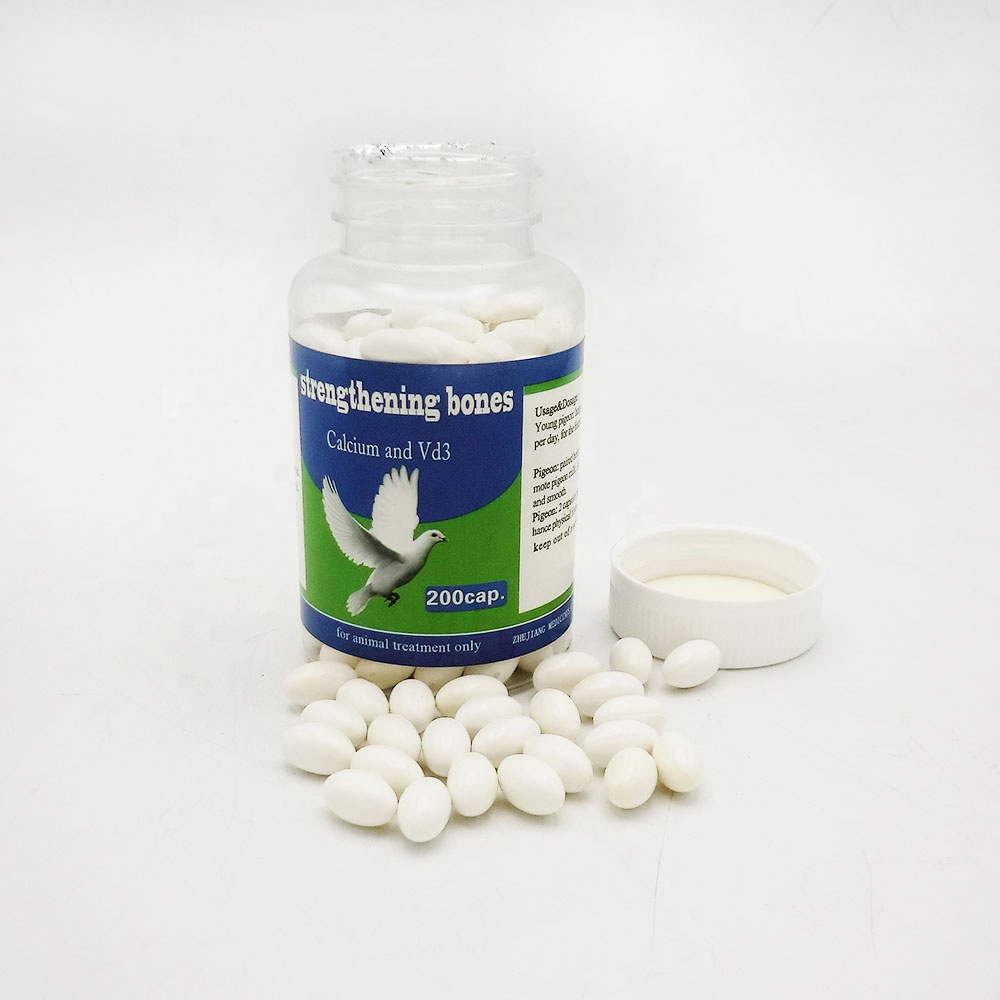
| Mineral Mixes | Strengthens bones and eggshells | 3-5 kg/ton | $30-50 | Global |
Comparing Top Feed Supplement Vendors
| Vendor | Product Range | Global Reach | R&D Investment | Sustainability Initiatives |
|---|---|---|---|---|
| NutriFeed Corp. | Vitamins, Enzymes, Probiotics | 100+ countries | $50M/year | Carbon-neutral plants |
| AgriSupplements Ltd. | Broad mineral blends | Asia, Africa focus | $12M/year | Local sourcing policies |
| GreenNutra Solutions | Organic and herbal blends | Europe, North America | $8M/year | Zero-waste manufacturing |
Advantages and Long-Term Value of Feed Supplements
The benefits here are multi-layered. Producers often notice better feed conversion ratios, meaning birds grow faster without needing extra feed. That translates directly to cost savings. Meanwhile, enhanced immunity reduces the need for antibiotics, addressing public health concerns around resistance.
Sustainability-wise, fewer nutrient run-offs and more efficient farming practices protect local ecosystems. Socially, it means consistent protein supply for communities and safer poultry products for consumers. When you see the whole picture, investing in quality supplements feels a lot like investing in the future.
What’s Next? Future Trends in Poultry Feed Supplements
The future is all about biotech and precision nutrition. I recently read about emerging synthetic amino acids tailored exactly to specific poultry genetics, improving feed use efficiency by 5-10%. There’s also a growing focus on alternatives to antibiotics, such as prebiotics and postbiotics.
Digital transformation technologies like smart feeding systems can adjust supplement dosing automatically based on real-time data. Green credentials matter too — expect more "carbon-neutral" or "regenerative agriculture" certified supplements soon.
Challenges and How the Industry Is Overcoming Them
It's not all smooth sailing. Many farmers struggle with inconsistent supplement quality or counterfeit products. Distribution in remote areas can be patchy, leading to unreliable supply.
To solve this, companies invest in blockchain traceability and develop affordable micro-dosing products that fit small-scale needs. Training and extension services also boost farmer awareness about correct use.
FAQ: Your Top Questions About Different Types of Feed Supplements for Poultry
- Q1: What types of feed supplements can help improve egg quality?
- A1: Mineral mixes, particularly those rich in calcium and phosphorus, significantly enhance eggshell strength and size. Vitamin D3 in premixes also aids absorption and bone development, crucial for laying hens.
- Q2: Can probiotics replace antibiotics in poultry feed?
- A2: While probiotics help improve gut health and immunity, they don't fully replace antibiotics, especially for treating infections. However, probiotics reduce reliance on antibiotics by promoting a balanced gut microflora.
- Q3: Are natural or herbal feed supplements effective?
- A3: Yes, many herbal additives have antimicrobial and antioxidant properties, improving health and growth. However, their efficacy varies, so working with vets or nutritionists helps ensure optimal use.
- Q4: How do I choose the right supplement for my poultry farm?
- A4: Start by analyzing your birds' nutritional needs, feed ingredients available, and budget. Then consult with a nutrition expert to select supplements that complement your base feed and comply with local regulations.
- Q5: Is it worth investing in digital feeding technology?
- A5: If your operation is medium to large-scale, yes. Automated dosing of supplements based on real-time data can improve feed efficiency, reduce waste, and save money in the long run.
Wrapping It Up: The Power of Feed Supplements in Poultry Success
At the end of the day, different types of feed supplements for poultry represent a cornerstone of modern poultry nutrition. They offer tangible benefits from cost reduction to sustainability and animal welfare. Whether you're running an industrial farm or a backyard setup, understanding and applying the right supplements could be the ticket to healthier birds and a healthier planet.
Thinking about upgrading your flock’s feed strategy? Visit our website at https://www.rcpetfood.com to explore tailored supplement solutions that fit your needs.
References
Post time: November 26, 2025