What Is Concentrated Feed for Cattle and Why It Matters
When you hear "concentrated feed for cattle," what comes to mind? Chances are, it’s some kind of specialized fodder designed to boost cattle health, growth, and productivity. But the significance goes far beyond just a feed mix — it touches on global food security, sustainable farming, and even economic resilience in rural communities. Understanding this key component of modern cattle nutrition helps farmers, agribusinesses, and policymakers face the challenges of feeding a growing world population while trying to do so more responsibly.
Concentrated feed, in essence, is the nutrient-dense portion of cattle diets that provides energy, proteins, vitamins, and minerals in a compact form, complementing roughage like grass or hay. Its efficiency allows farmers to optimize cattle growth rates and milk yields without needing vast grazing lands. Globally, as pasture lands diminish and climate pressures mount, the demand for these feeds is soaring.
Global Context: Why Concentrated Feed for Cattle Is More Relevant Than Ever
According to the United Nations Food and Agriculture Organization (FAO), livestock production accounts for nearly 40% of global agricultural GDP, and cattle remain the backbone of many rural economies. But here’s the tricky part: traditional grazing is becoming less viable in densely populated or degraded land areas. That’s where concentrated feed makes a difference.
Data from the World Bank suggest that by 2050, the global population will reach almost 10 billion, requiring a 70% increase in food production. Cattle feed efficiency will play a huge role here. Farmers who can optimize feed utilization with concentrated rations help meet demand sustainably. However, challenges like fluctuating feed prices, quality inconsistency, and logistics create hurdles. Concentrated feed offers a practical solution, yet it’s not without complexity.
Defining Concentrated Feed for Cattle: What Does It Really Mean?
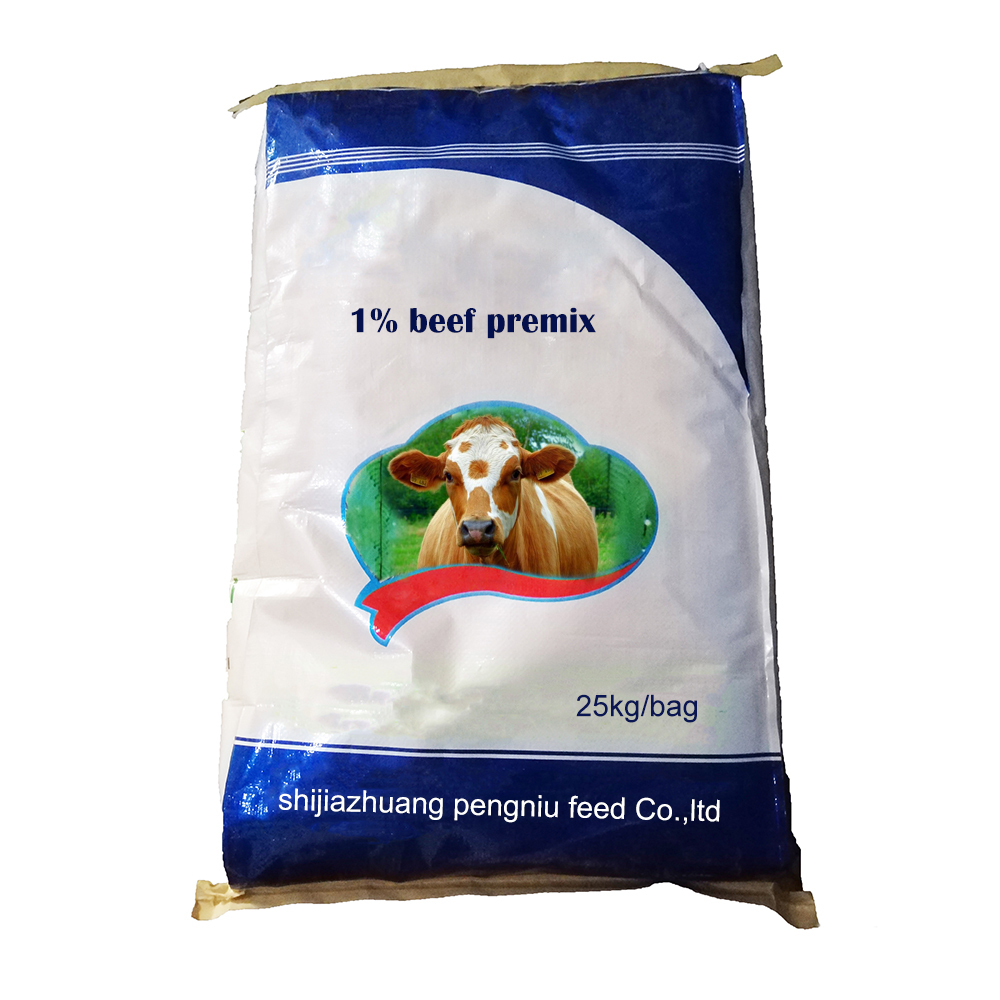
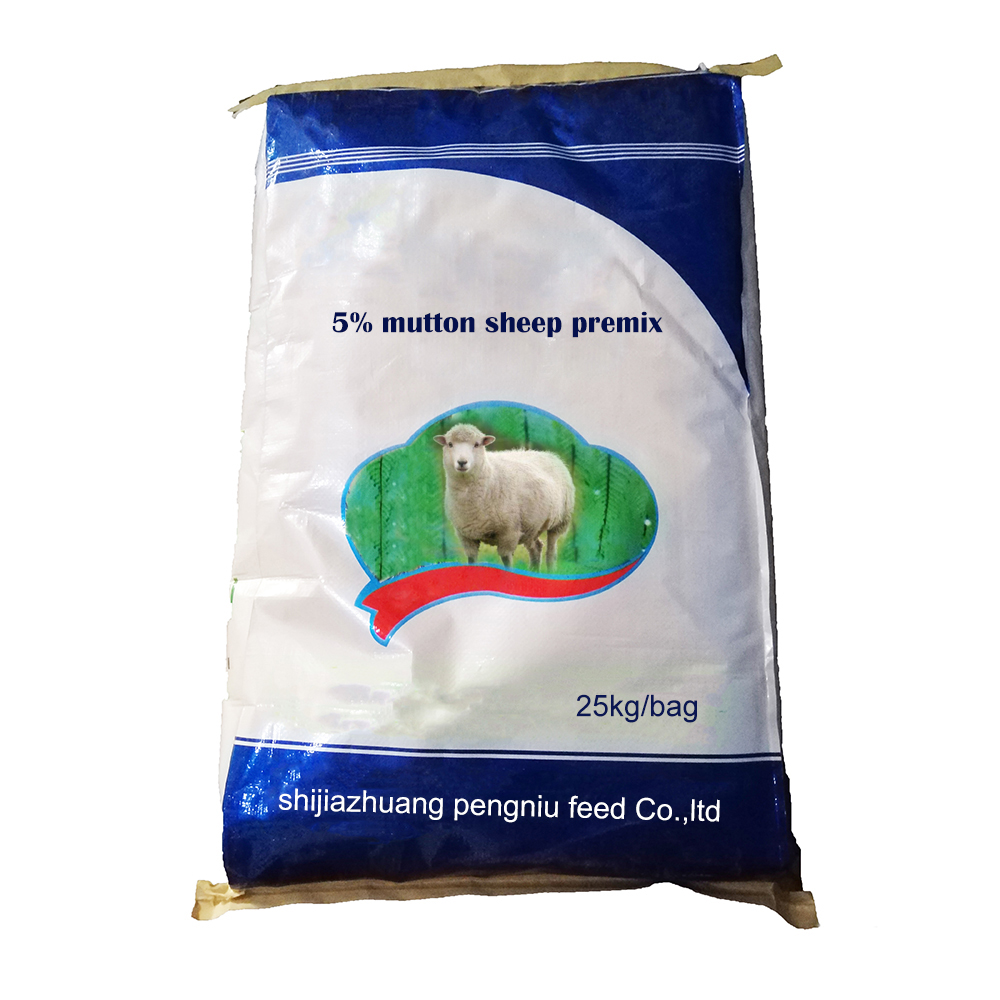
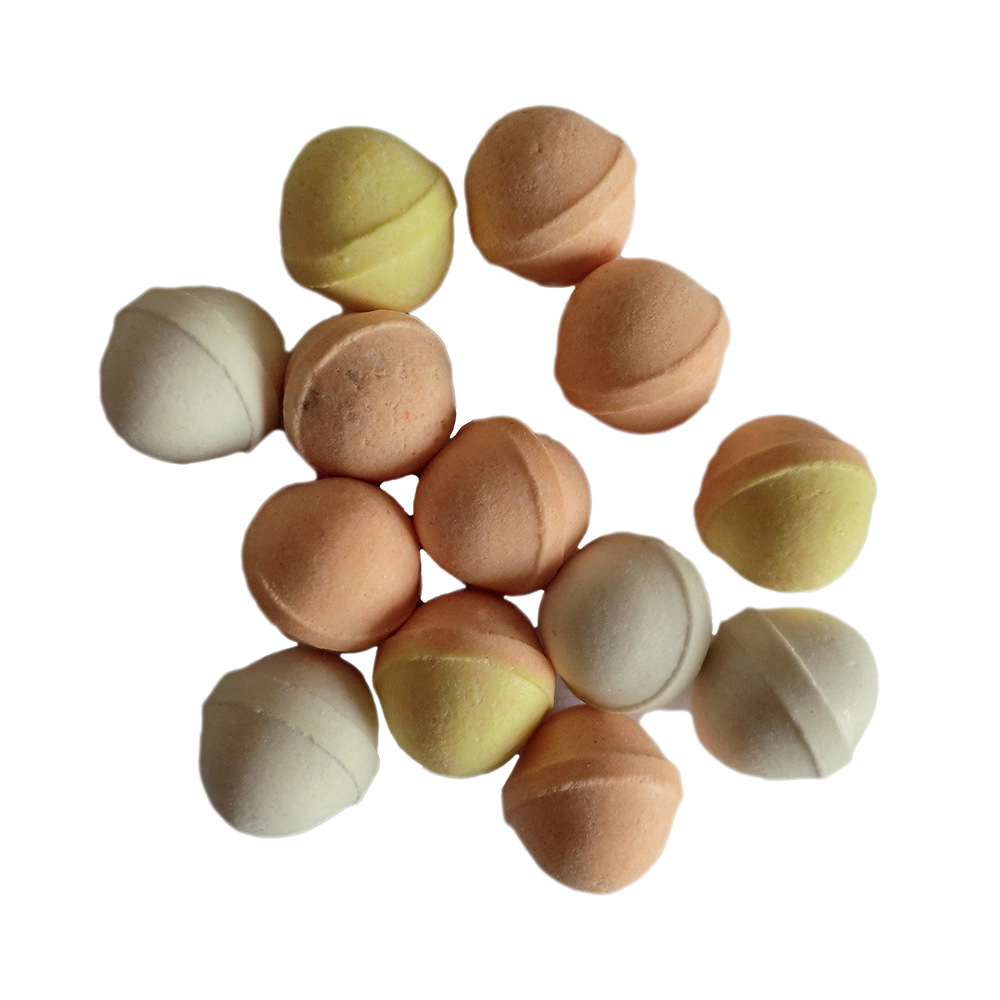
Simply put, concentrated feed is a relatively compact mixture of nutritious ingredients such as grains (corn, barley), protein meals (soybean, cottonseed), vitamins, minerals, and sometimes additives to boost cattle health. Unlike bulk roughage, it is energy-dense and easily digestible — the concentrated “power-up” your herd needs alongside fiber sources.
This concept ties deeply into modern agricultural industries emphasizing efficiency and environmental responsibility. Moreover, humanitarian efforts in food scarcity zones sometimes rely on concentrated feeds for cattle to improve livelihoods fast. It’s a fascinating intersection of technology, biology, and socioeconomic impact.
Core Components and Why They Matter
- Energy Density: High-calorie grains like maize provide readily available energy, critical for growth and reproduction.
- Protein Content: Essential for muscle development and milk production – things like soybean meal step in here.
- Vitamin & Mineral Balance: Supports immune function and overall health — deficiency leads to disease and low productivity.
- Palatability: If animals won’t eat it, even the best feed is useless. Taste and texture matter, oddly enough.
- Stability and Shelf Life: Longer-lasting feed means less waste and more reliability on farms with limited access.
These factors directly influence how cattle perform. For example, a balanced protein-to-energy ratio can reduce digestive upset and improve feed conversion ratios. It’s not just science in a lab – it’s what many farmers wake up thinking about daily.
Mini Takeaway:
Concentrated feed for cattle isn’t just fodder; it’s a sophisticated tool crafted to maximize nutrition efficiency and help farmers adapt to a changing world.
How Concentrated Feed for Cattle Is Used Around the Globe
In the US and Europe, dairy and beef producers heavily rely on scientifically formulated concentrated feeds to sustain high-yield herds. In contrast, in parts of Africa and Asia, these feeds tackle seasonal shortages caused by drought and overgrazing, bolstering resilience. Organizations like the UN Development Programme (UNDP) even support introducing these feeds in rural development projects.
For example, in post-disaster recovery zones, when pastures are devastated, supplying concentrated feed ensures cattle survive lean times, preserving livelihoods that otherwise face collapse. And in remote mining or industrial zones, imported concentrated feed guarantees cattle nutrition when local forages are unsuitable.
Mini Takeaway:
Use cases span from everyday commercial farms in stable regions to emergency relief situations worldwide — a testament to the feed’s adaptability.
Advantages and Long-Term Value of Concentrated Feed for Cattle
- Cost Efficiency: Better growth rates reduce the time to market; less waste compared to overfeeding roughage.
- Sustainability: Compact feed lessens land use and methane emissions by optimizing digestion.
- Reliability: Stable nutrient profiles mean farmers face fewer surprises from feed inconsistency.
- Social Impact: Improved cattle health enhances food security in vulnerable communities.
Emotionally, the trust farmers place in a reliable feed supply ties into pride and dignity — no one wants their cattle suffering. Innovation in feed formulas often feels like a leap forward, not just in economics but in care and stewardship of animals.
Product Specification Table
| Specification | Typical Values |
|---|---|
| Crude Protein | 18-22% |
| Metabolizable Energy | 2.6 - 3.0 Mcal/kg |
| Fiber Content | 8-12% |
| Moisture | 10-12% |
| Shelf Life | 6-12 months |
Comparing Top Vendors of Concentrated Feed for Cattle
| Vendor | Regional Availability | Product Range | Price Range (per ton) | Sustainability Practices |
|---|---|---|---|---|
| FeedCo International | Global | Dairy, Beef, Organic Mixes | $280 - $350 | ISO 14001 certified, carbon offsetting |
| AgriNourish Ltd. | Asia, Africa | Energy-focused, affordable blends | $220 - $270 | Local sourcing, renewable packaging |
| PureGrow Feeds | Europe, North America | Premium protein-enriched formulas | $350 - $420 | USDA Organic, zero waste initiatives |
Innovations Shaping the Future of Concentrated Feed for Cattle
The cattle feeding industry is buzzing with futuristic developments. Think algae-based protein supplements replacing soy to cut deforestation, or automated feed mixing systems that provide the exact ration per animal via smart sensors. Even blockchain is showing up—tracking feed provenance to assure quality and ethical sourcing.
Sustainability rules these days. Many producers now aim for carbon-neutral feed supplies and reduced water footprints. Some are experimenting with insect protein as an alternative, which feels strange at first but could revolutionize livestock nutrition.
Facing Challenges and How to Overcome Them
Of course, concentrated feed for cattle isn’t perfect. Quality inconsistency, price volatility, and accessibility remain top concerns. Logistical hurdles hit hardest in remote or developing regions where supply chains are fragile.
But innovation steps in: mobile apps that help farmers calculate optimal rations, cooperative buying groups that reduce wholesale costs, and international aid programs that subsidize supplies in vulnerability hotspots. It’s a gradual climb upward.
Frequently Asked Questions About Concentrated Feed for Cattle
- What is the difference between concentrated feed and roughage for cattle?
- Concentrated feed is energy and protein-rich feed like grains and supplements, while roughage refers to fibrous plant materials like hay or grass. Both are essential; concentrates boost growth and milk production, roughage supports digestion.
- How should concentrated feed be stored to preserve quality?
- Store in cool, dry, well-ventilated areas, away from direct sunlight and moisture. Using sealed containers or silo bags can extend shelf life and minimize spoilage.
- Can concentrated feed improve milk yield sustainably?
- Yes. Balanced concentrated feed provides nutrients directly linked to milk production, improving yields without overgrazing, supporting farm sustainability if used alongside good pasture management.
- Is it possible to customize feed mixes for different cattle breeds?
- Absolutely. Factors like breed, age, production stage, and health condition influence nutrient requirements. Many suppliers offer tailor-made concentrates to optimize results.
- How do small-scale farmers afford high-quality concentrated feed?
- Pooling purchases via cooperatives, utilizing government subsidies, or opting for locally-produced blends can make quality concentrated feed more accessible and affordable.
Conclusion
It’s clear that concentrated feed for cattle is not some niche product; it’s central to how we’ll sustainably scale livestock farming in the coming decades. By improving animal health, optimizing farm economics, and offering solutions for global food security challenges, this feed category carries long-term value far beyond its grains and proteins. If you’re interested in exploring reliable, efficient cattle nutrition options, I recommend visiting our website for concentrated feed for cattle selections tailored to diverse needs.
References
Post time: November 26, 2025