What Is an Additive in Animal Nutrition and Why It Matters
When you hear the phrase additive in animal nutrition, what comes to mind? For many, it might sound like fancy science jargon, yet these substances play a pivotal role in feeding billions of animals around the world. Essentially, additives are ingredients added in small amounts to animal feed to improve its quality, enhance growth, or promote health—sort of like a vitamin supplement for farm animals, pets, and wildlife alike.
Globally, understanding these additives matters deeply because they can improve food security, reduce environmental impact, and even help tackle animal diseases. The benefits ripple out to industries, economies, and of course, consumers on all continents.
The Global Context: Why Animal Nutrition Additives Are Gaining Traction
The rise of urban populations paired with increasing protein demands means efficient animal nutrition is no longer optional—it's imperative. According to FAO reports, livestock farming accounts for nearly 40% of global agricultural GDP and feeds millions. However, challenges like feed scarcity, environmental degradation, and disease outbreaks make it tricky to keep up.
Additives are often the unsung heroes in this story, improving feed efficiency, reducing methane emissions, and bolstering animal immune systems. For instance, products containing probiotics or enzymes optimize digestion, making every bite count. As governments and organizations push toward sustainable agriculture, additives are front and center of innovative solutions.
Yet, these benefits don’t come without questions: How safe are they? Can small farms realistically access these additives? What about regulatory hurdles? We'll unpack these issues too.
Defining Additives in Animal Nutrition — Plain and Simple
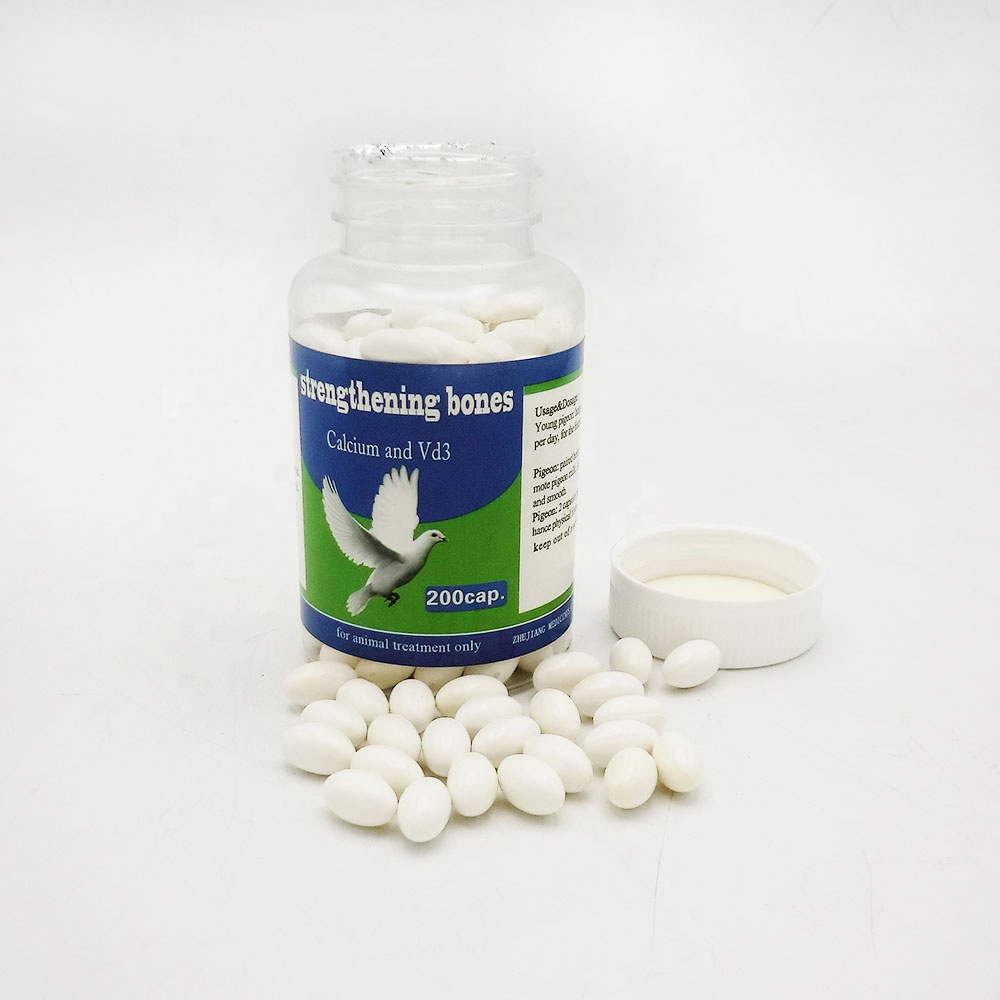
Put simply, an additive in animal nutrition is any substance added intentionally to animal feed (beyond usual nutrients) to enhance its efficacy or safety. These include a wide range of products like vitamins, minerals, amino acids, antioxidants, preservatives, coccidiostats (fighting parasites), and sensory enhancers that make feed more palatable.
It’s not just about fattening animals faster, although that’s part of the story. It’s about meeting the health needs of animals, maintaining product quality, reducing waste, and—importantly, especially for humanitarian efforts—ensuring animals survive in vulnerable or resource-scarce conditions.
Key Components of Animal Nutrition Additives: What Really Counts?
1. Efficacy and Safety
An additive must reliably perform its function without harming the animal or end consumer. Whether it’s a growth promoter or an enzyme, tight quality controls and extensive testing back this up.
2. Compatibility with Feed Ingredients
An additive should blend well with the main feed components without losing potency. For example, certain probiotics need careful handling to survive processing and digestion.
3. Dosage Precision
Precision matters. Too little, no effect; too much, toxicity or waste. Advances in microencapsulation technologies help regulate delivery amounts.
4. Environmental Impact
Many additives now focus on sustainability—reducing methane emissions, nitrogen excretion, or improving manure quality. Clearly, the goal is smarter, greener farming practices.
5. Cost Efficiency and Accessibility
Affordability decides uptake, especially in developing regions. Balancing cost with performance is always top of mind for producers.
Typical Specifications of a Common Probiotic Additive
| Specification | Typical Value |
|---|---|
| Active Microorganisms | ≥1 x 10⁹ CFU/g |
| Moisture Content | ≤10% |
| Shelf Life | 12 months (storage below 25°C) |
| pH Range | 6.0 - 7.5 |
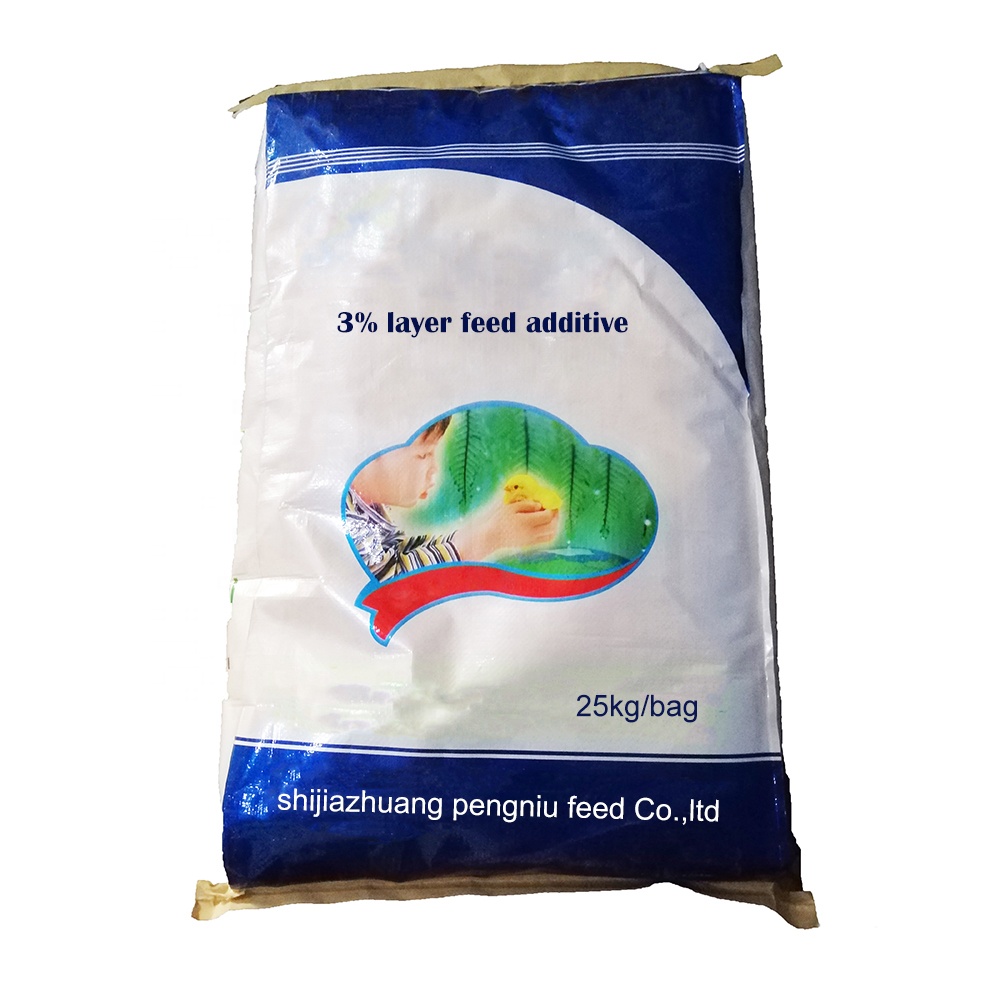
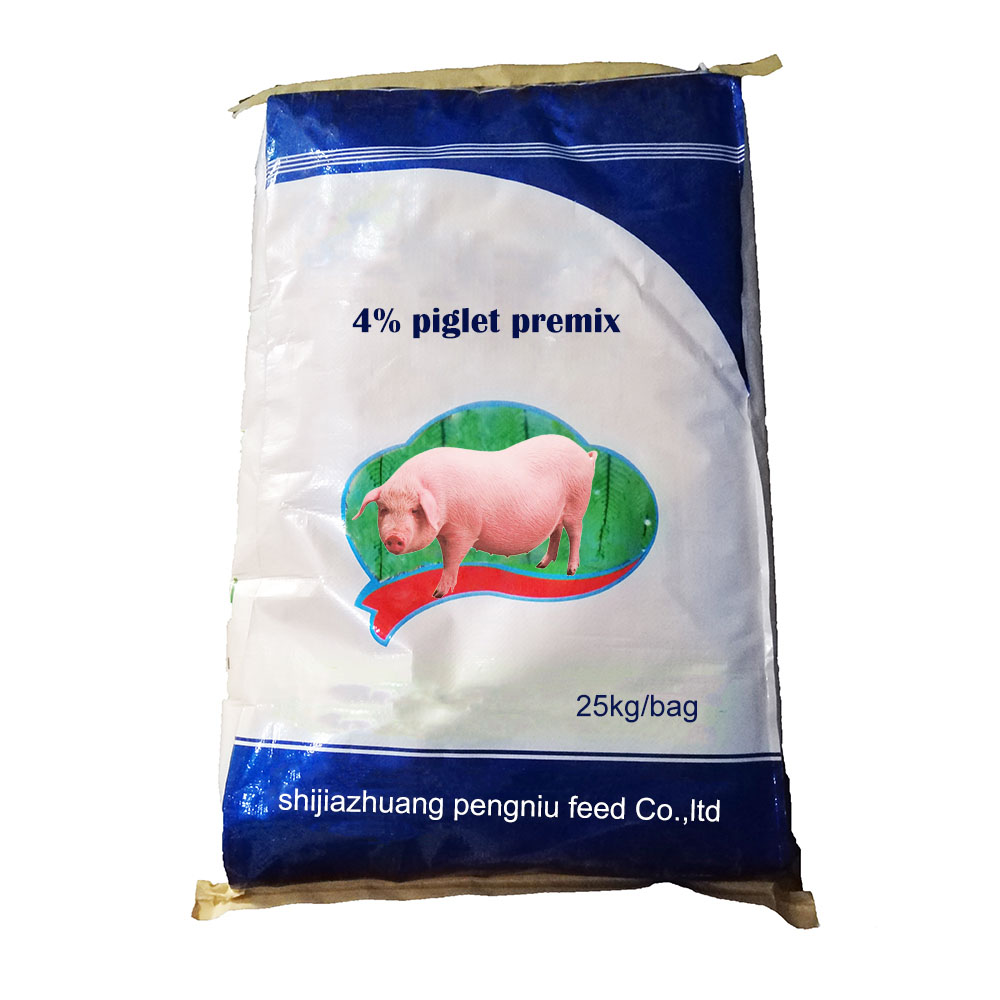
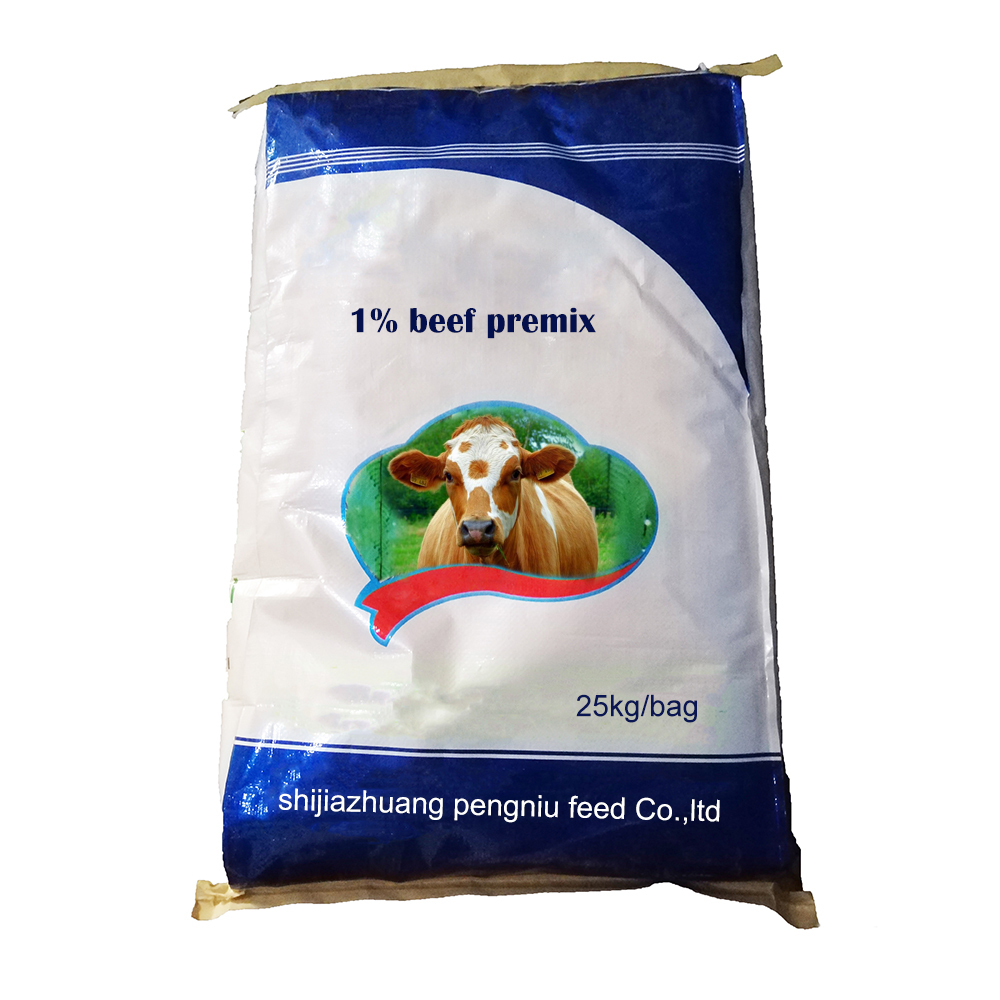
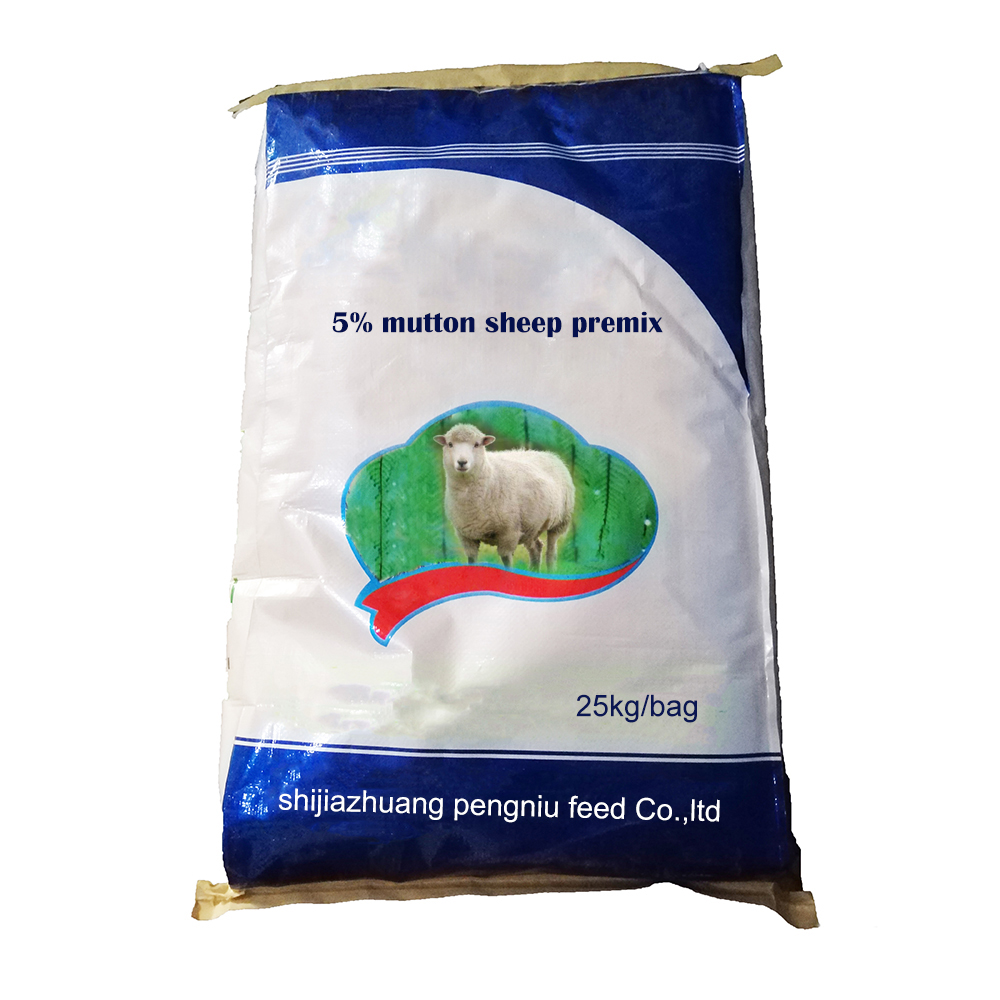
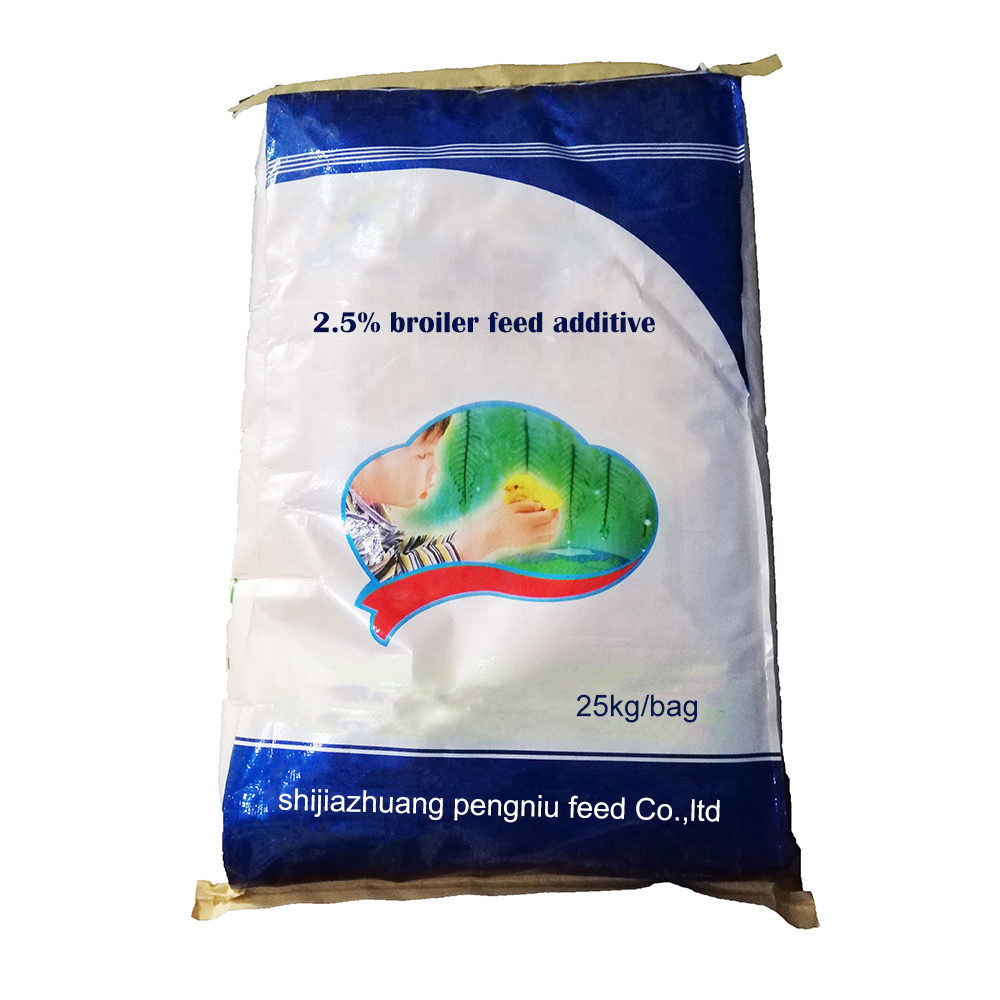
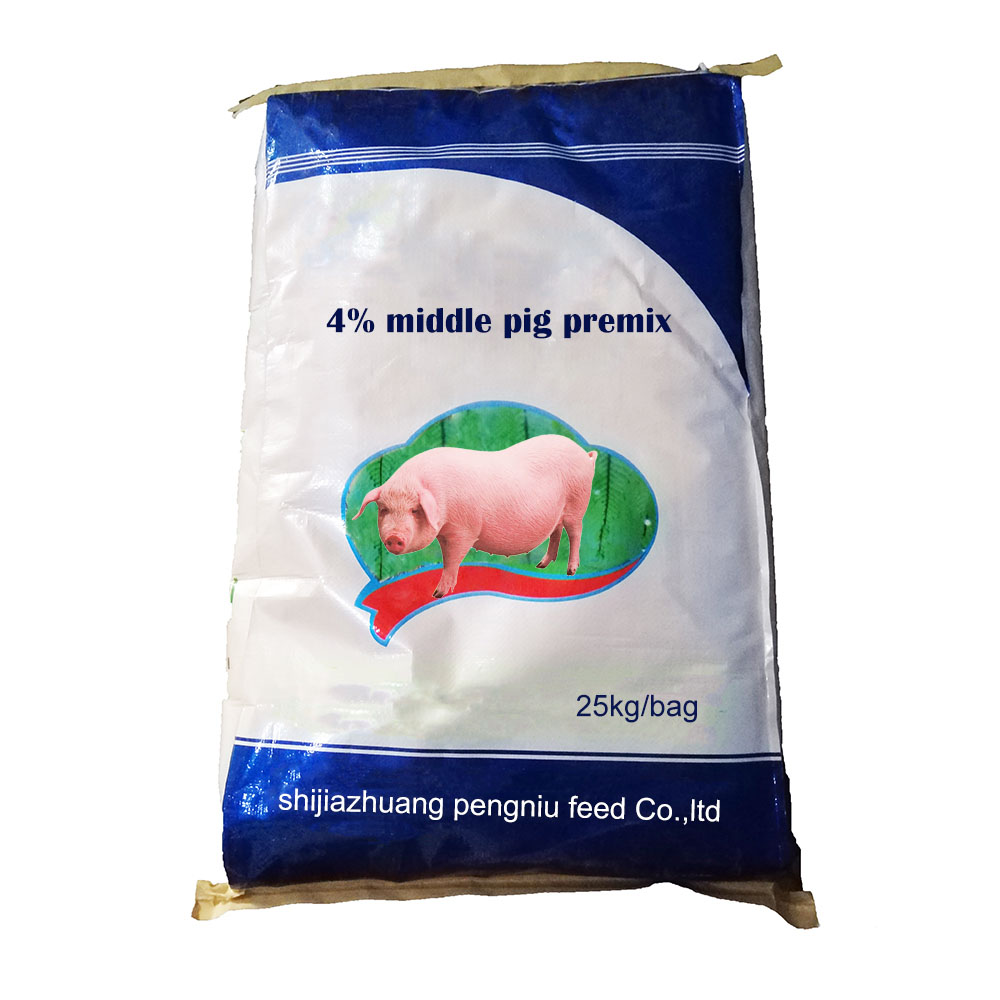
| Packaging | 25 kg sealed bags |
Mini takeaway: Product specs like stability, active count, and storage crucially determine real-world usability.
How Are Animal Nutrition Additives Used Worldwide?
From industrial feedlots in North America to smallholder farms in sub-Saharan Africa, additives serve varied needs. For example:
- In large-scale dairy farms, additives can improve milk yield and reduce disease risks.
- In poultry sectors of Southeast Asia, coccidiostats keep devastating intestinal infections at bay.
- In emergency feeding situations, high-nutrient premixes support animal survival, preserving livelihoods after floods or droughts.
Oddly enough, some regions face import barriers or lack cold chain infrastructure, limiting access to sophisticated additives, which is a challenge but also an opportunity for localized innovation.
Comparing Top Vendors of Animal Nutrition Additives
| Vendor | Product Range | Sustainability Focus | Global Reach | Price Range |
|---|---|---|---|---|
| NutriFeed Corp. | Enzymes, Probiotics, Minerals | Carbon-neutral processing | 120+ countries | Mid to high |
| FarmAid Solutions | Vitamins, Premixes, Antibiotic Alternatives | Biodegradable packaging | Mainly Asia and Africa | Low to mid |
| GreenLivestock Innovators | Methane reducers, Antioxidants | Focus on emissions reduction | Europe, North America | High |
Mini takeaway: Vendors differ notably in product focus and sustainability, so choose based on specific needs and budgets.
Why Using Additives Is a Win for Everyone
The advantages of animal nutrition additives extend beyond the barnyard. Lower feed conversion ratios mean less raw material for the same protein output, which is good for planet earth (and your wallet). Enhanced animal health reduces reliance on antibiotics, a global priority to curb antimicrobial resistance.
For farmers, it boosts productivity and resilience, a real peace-of-mind factor. Consumers get safer meat, milk, and eggs. And environmentalists celebrate innovation that nudges livestock farming toward sustainability. It’s a rare triple bottom line scenario.
The Future: What’s Next in Animal Nutrition Additive Innovation?
Emerging trends include precision nutrition powered by AI, where additives are tailored to animal genetics and conditions. There's also a push toward natural additives derived from plant extracts or fermentation processes, reducing chemical use.
Automation and smart dispensing systems mean less human error and waste. Plus, regulatory bodies worldwide are tightening standards, nudging producers toward safer, cleaner additives.
In short, the space is dynamic—exciting, but demanding constant vigilance and adaptation.
What Holds Back Adoption? Challenges and Workarounds
Not everything's smooth sailing. Barriers include high costs, misinformation about additive safety, and uneven regulatory landscapes. Smallholders especially might find access limited. Storage conditions—temperature, humidity—can affect additive viability. Then there’s the consumer perception angle; some buyers worry about "unnatural" feed components.
Solutions range from education campaigns and subsidies to improved cold chain logistics, and supranational standards boost confidence internationally.
FAQ: Answers to Common Questions on Additives in Animal Nutrition
- What types of additives are safest for organic farming?
- Organic standards often allow natural additives like probiotics, certain minerals, and plant-based antioxidants. Synthetic growth promoters are generally prohibited. Always check specific certification guidelines.
- How do additives improve feed efficiency?
- Additives like enzymes break down complex feed components, making nutrients more absorbable by animals, which means animals get more from less feed.
- Are additives regulated internationally?
- Yes, agencies like the FAO and WHO provide guidelines, but each country has its own approval process that can vary significantly.
- Can additives reduce environmental emissions from livestock?
- Certain additives, like methane inhibitors, have shown promise in reducing greenhouse gas emissions from ruminants, supporting sustainable farming goals.
- Are additives cost-effective for small farms?
- While some additives can be pricey initially, many lead to better animal growth and health, saving money long-term by reducing feed waste and veterinary bills. Plus, smaller dose options are increasingly available.
Wrapping Up: The Future Looks Bright for Additives in Animal Nutrition
To sum it up, additives in animal nutrition offer a blend of science, practicality, and sustainability that meets the evolving needs of the global food system. As technology advances, and regulations evolve, these products stand to become more accessible and tailored, making animal farming smarter and more responsible.
Feeling curious? Dive deeper into the topic by visiting our comprehensive resource page at additive in animal nutrition. Because well-fed animals mean a better tomorrow.
References:
1. Food and Agriculture Organization (FAO): Livestock and Environment
2. World Health Organization (WHO): WHO Official Site
3. International Organization for Standardization (ISO): Animal Feeding Standards
Post time: November 29, 2025