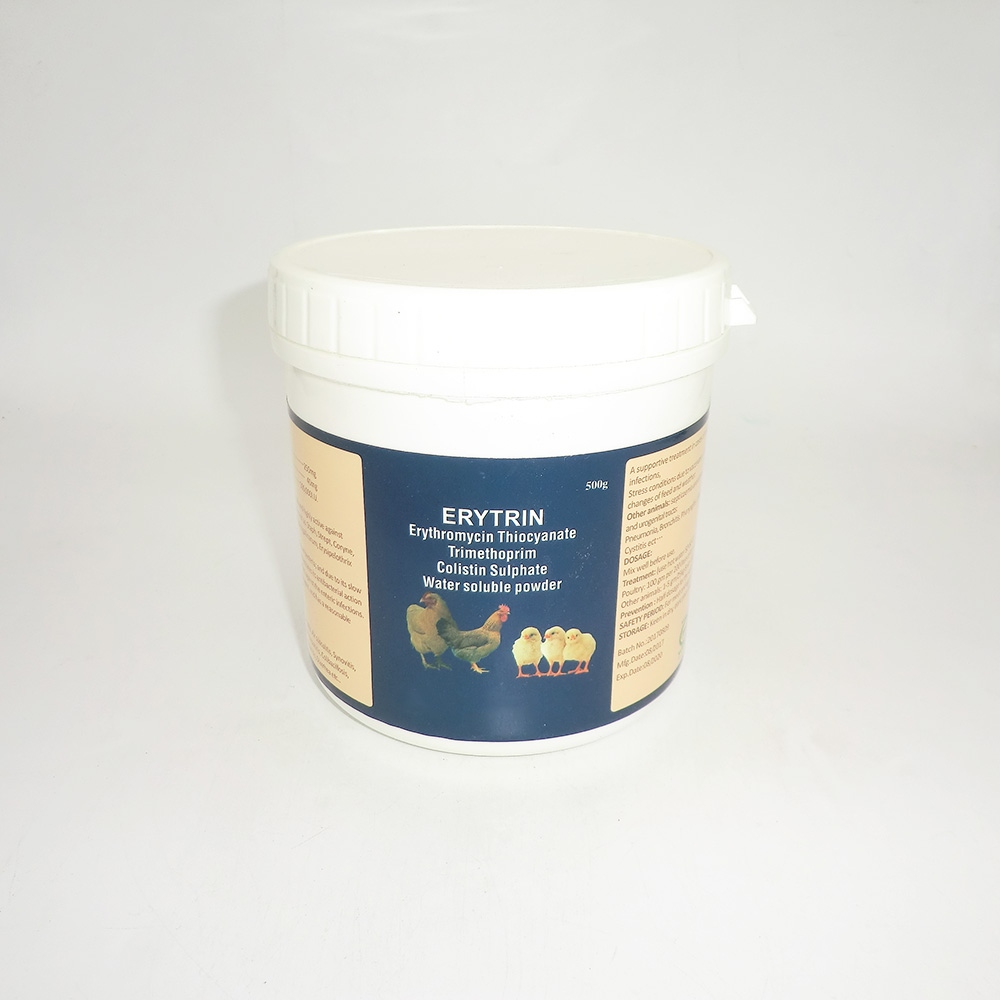
Premix Powder for Poultry: What It Is and Why It Matters Globally
If you’ve ever wondered how poultry farmers ensure their flocks grow healthy and strong without compromising the environment or costing a fortune, premix powder for poultry is probably at the heart of it. This specialized feed additive is not just a fancy ingredient but a cornerstone of modern poultry nutrition worldwide. Globally, poultry farming supplies nearly 40% of the world’s animal protein, according to FAO data, so optimizing feed quality directly impacts food security, economic stability, and sustainable agriculture.
Understanding the role of premix powder for poultry gives insight not just into farming but into broader themes — from combating malnutrition in developing countries to pushing the boundaries of environmental responsibility.
The Global Stage: Why Premix Powder for Poultry Is a Game Changer
Globally, poultry production is skyrocketing — the World Bank states that poultry meat consumption has grown by over 3% annually for the last decade. But the challenge is that keeping poultry healthy and productive isn't just about feeding them large amounts of grain. It’s about delivering precise nutrition. That’s where premix powder for poultry comes in, ensuring that animals get essential vitamins, minerals, and enzymes in the right balance.
In many developing regions, nutritional deficiencies in poultry have led to poor growth rates and increased disease susceptibility, affecting income and protein availability for local communities. Plus, poorly balanced feed contributes to environmental issues like excess nitrogen excretion into soil and water.
Frankly, premix powders address these problems head-on – improving animal welfare, farmer profitability, and even regulatory compliance with global standards like ISO 22000 on food safety.
What Exactly Is Premix Powder for Poultry?
Simply put, premix powder for poultry is a concentrated blend of essential nutrients mixed into standard feed. This might include vitamins such as A, D, E, minerals like zinc and selenium, amino acids, and sometimes enzymes or probiotics. It’s the “nutrition upgrade” for poultry diets, designed to fill nutrient gaps that regular grains and protein sources can’t cover alone.
Think of it as a vitamin cocktail made specifically for birds — compact, easy to blend, and tailored for maximum absorption and productivity. This targeted approach not only boosts growth but improves bone strength, immune function, and overall flock vitality.
Core Components That Make Premix Powder Effective
1. Nutrient Density & Balance
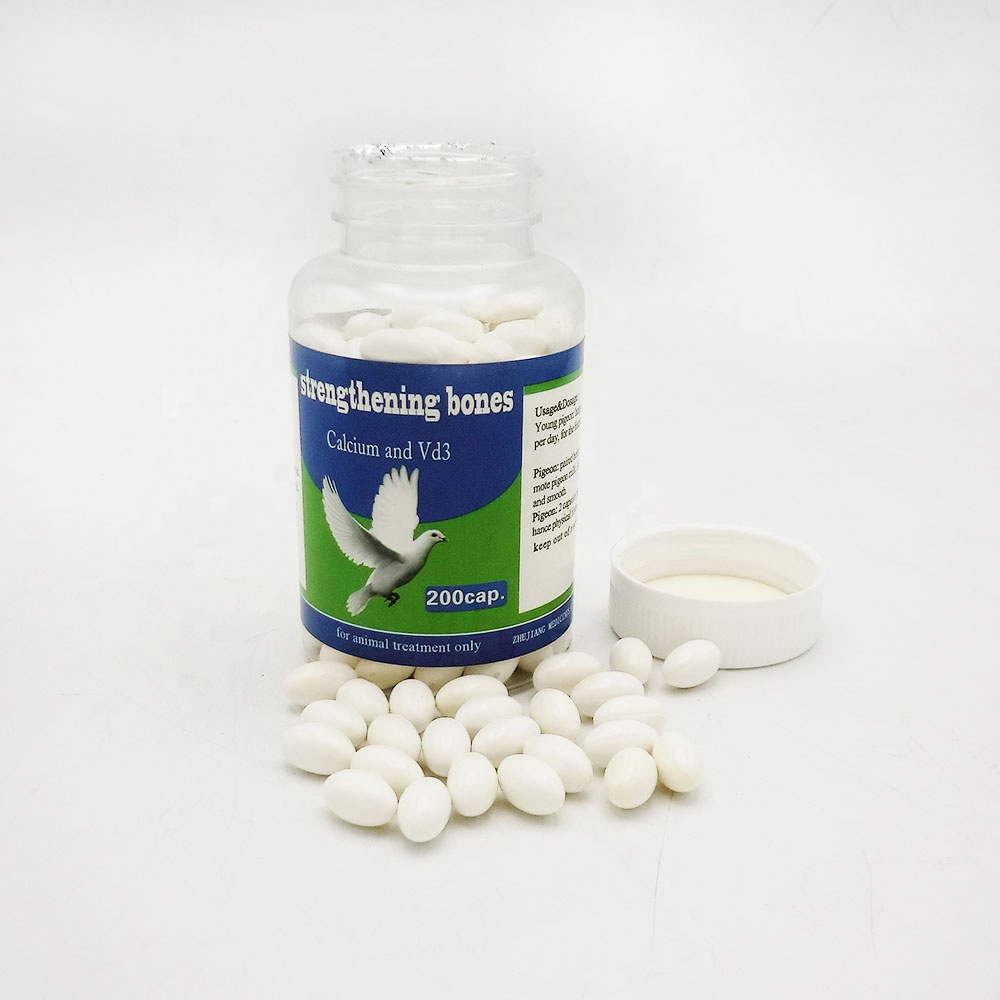
The key here is precision. Too little vitamin D? Bones weaken. Not enough zinc? Immunity takes a hit. Premix powders bring the right balance ensuring no deficiencies or excesses.
2. Stability & Shelf Life
A big consideration, since nutrients like vitamin A degrade quickly if stored improperly. Modern premixes use advanced encapsulation to protect sensitive components — meaning, you don’t waste the good stuff.
3. Compatibility with Feed Types
Whether poultry are fed pellets, mash, or crumbles, a premix must disperse evenly without clumping or segregation. This impacts uniform nutrient delivery to every bird.
4. Cost Efficiency & Scalability
For commercial producers, cost per ton of feed is everything. Premixes should be potent enough to minimize added quantity yet scalable for huge operations. A balance between high quality and affordability is key.
5. Compliance & Safety
Premix producers must adhere to food safety regulations (like ISO and HACCP) since any contamination can affect meat quality and human consumers downstream.
Real-World Applications Across the Globe
Premix powders find their way into poultry farms big and small — from industrial giants in the US and Brazil to backyard farms in Southeast Asia. In countries facing food insecurity, organizations often promote fortified feed including premixes to boost local protein sources.
For example, post-disaster zones often rely on premix-fortified poultry feed to quickly restore local poultry production systems, helping communities regain nutrition fast. In Europe, premium premixes might include probiotics tuned for antibiotic-free poultry raising strategies.
Mini takeaway:
Premix powder isn’t just a feed additive — it’s a global tool helping improve food security, economic resilience, and animal welfare all at once.
Premix Powder for Poultry: Product Specifications
| Specification | Details |
|---|---|
| Key Nutrient Components | Vitamins A, D3, E, K; Minerals (Zn, Fe, Mn, Se); Amino acids (Lysine, Methionine) |
| Particle Size | Fine powder (~100-300 microns) ensuring mixability |
| Stability | Shelf life 12-18 months under dry, cool conditions |
| Mixing Ratio | Typically 1-3% of total feed weight |
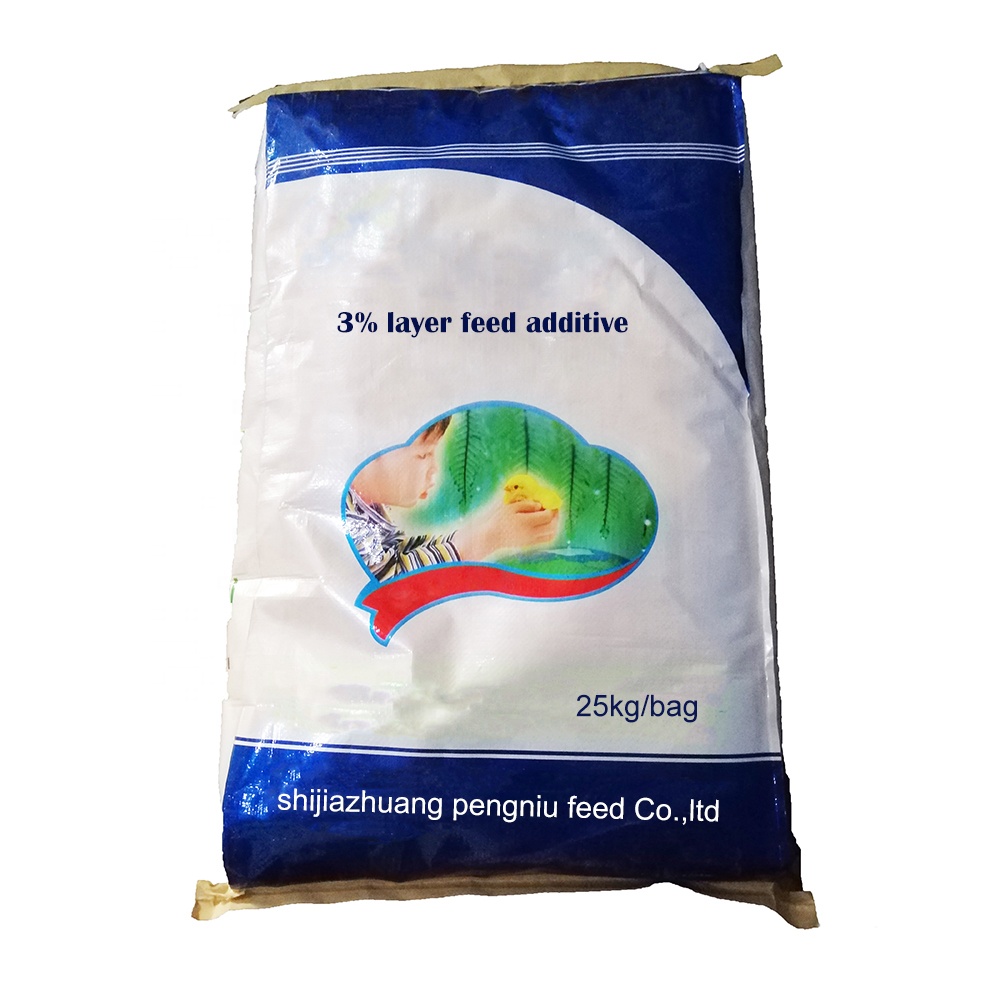
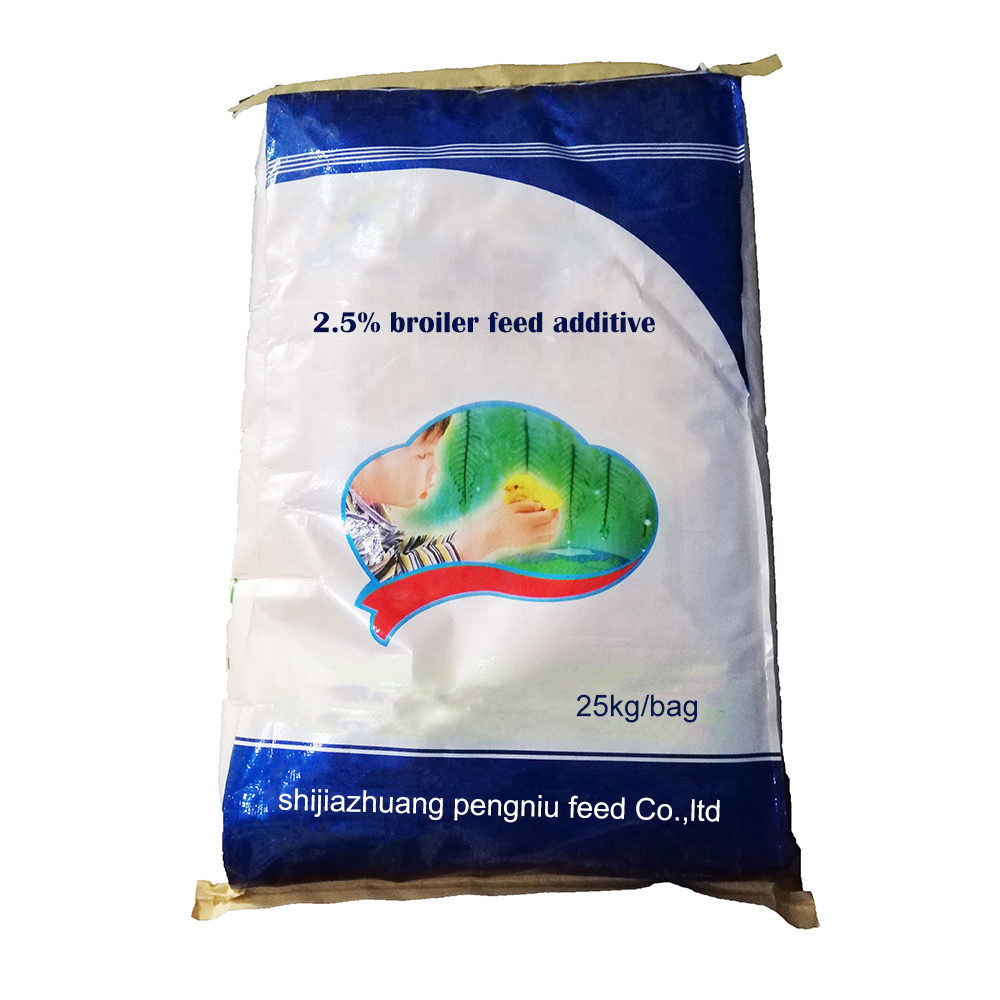
| Packaging | 25kg bags or bulk containers |
| Compliance | ISO 22000, HACCP certified |
Comparing Premix Powder Vendors: What to Look For
| Feature | Vendor A | Vendor B | Vendor C |
|---|---|---|---|
| Nutrient Range | Wide (customizable) | Standard blend | Focus on organic minerals |
| Price/Unit | $$ | $ | $$$ |
| Shelf Life | 18 months | 12 months | 24 months |
| Certifications | ISO, HACCP, Organic | ISO, HACCP | Organic, Fair Trade |
| Support & Customization | High (formulation support) | Basic | Moderate |
Advantages and Lasting Benefits of Using Premix Powder for Poultry
- Improved Growth Rates: Balanced nutrients enhance feed conversion ratios.
- Enhanced Immunity: Vitamins and trace minerals support disease resistance.
- Cost Savings: Efficient nutrient delivery reduces wastage.
- Sustainability: Proper nutrition reduces environmental impact from waste.
- Consumer Trust: Ensures regulatory compliance and food safety.
Many farmers report feeling a real sense of pride when their birds thrive and food safety is assured — an often overlooked emotional benefit.
Looking Ahead: Innovations Shaping the Future of Premix Powders
Emerging trends include the incorporation of natural antioxidants to extend shelf life, use of blockchain for traceability of nutrient sources, and AI-driven formulation design that tweaks blends in real time based on flock health data. Sustainability is key, too, with many manufacturers shifting toward eco-friendly mineral sources and reducing synthetic additives.
Overcoming Challenges in Premix Powder Use
While premix powders offer many benefits, challenges remain like nutrient degradation during storage, uneven mixing during feed preparation, and cost barriers for smallholder farmers. Industry experts recommend improved packaging technologies, training for feed mill operators, and subsidized access programs to bridge these gaps.
FAQ: Premix Powder for Poultry
Q: How do I know which premix powder is right for my flock?
A: It depends on your flock’s age, health status, and production goals. Consulting a poultry nutritionist to analyze feed ingredients helps tailor the premix blend effectively.
Q: Can premix powders reduce the need for antibiotics?
A: Yes, fortified nutrition improves immunity, reducing disease risk and the dependence on antibiotics in most cases.
Q: How should premix powders be stored?
A: Keep them in a cool, dry place away from sunlight and moisture to preserve nutrient integrity.
Q: Is premix powder suitable for all poultry types?
A: Mostly yes, but formulations vary between broilers, layers, and breeders, so using species-specific blends is best.
Q: Does using premix powder increase feed cost significantly?
A: Slightly at first, but improved feed efficiency and bird health typically translate into better overall economic outcomes.
Conclusion
Ultimately, premix powder for poultry is a small ingredient with a big impact — fostering healthier flocks, better farmer livelihoods, and more sustainable poultry production worldwide. For anyone in the poultry business or interested in sustainable agriculture, it’s a subject worth digging into deeply.
If you want to explore premium-quality premix powders and related products, consider visiting premix powder for poultry — a trusted source providing innovative solutions for modern poultry nutrition.
References
Post time: November 21, 2025