What is Animal Feed Concentrate and Why Does it Matter Globally?
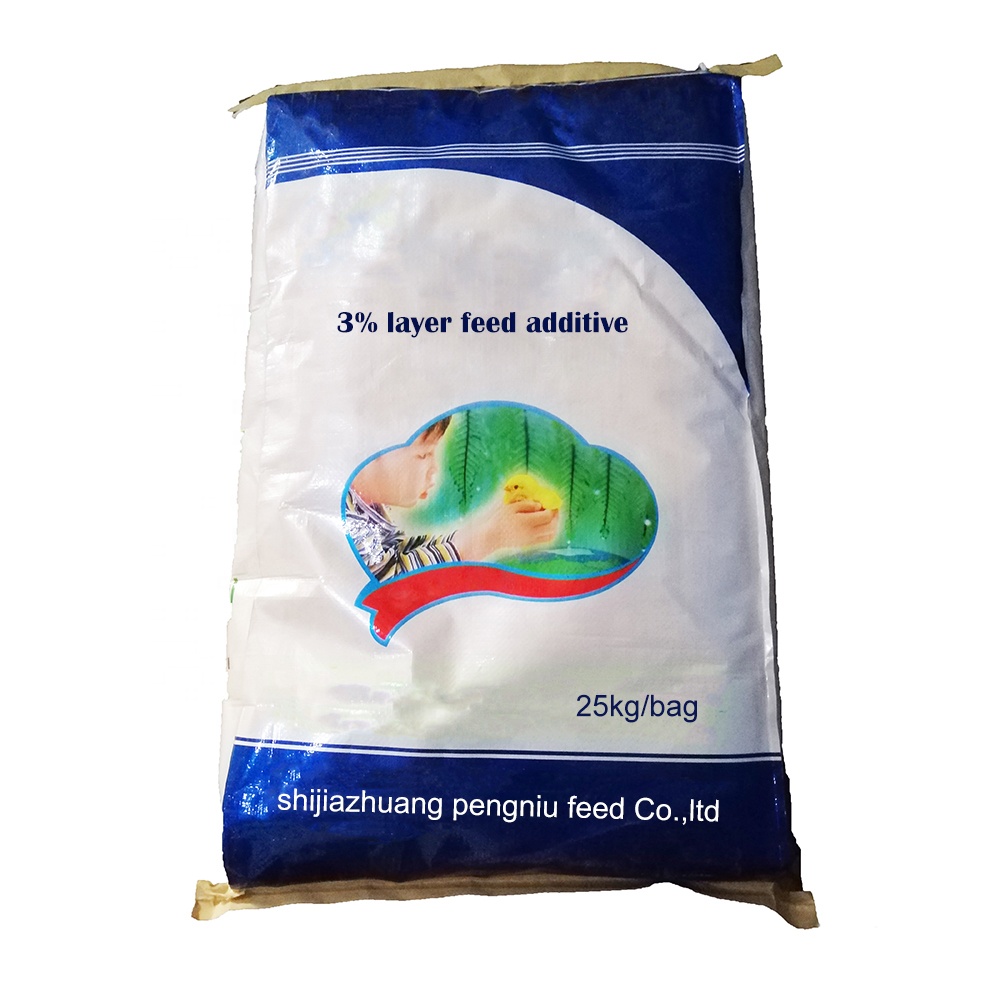
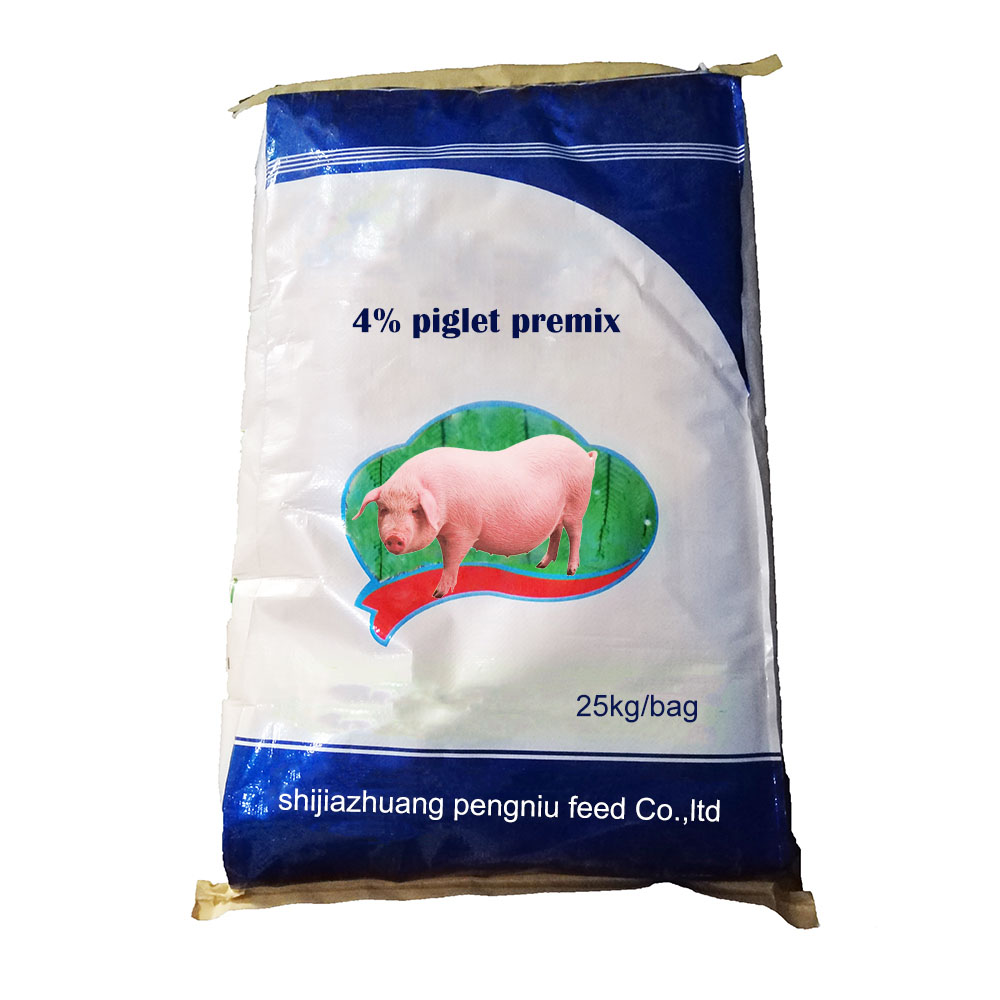
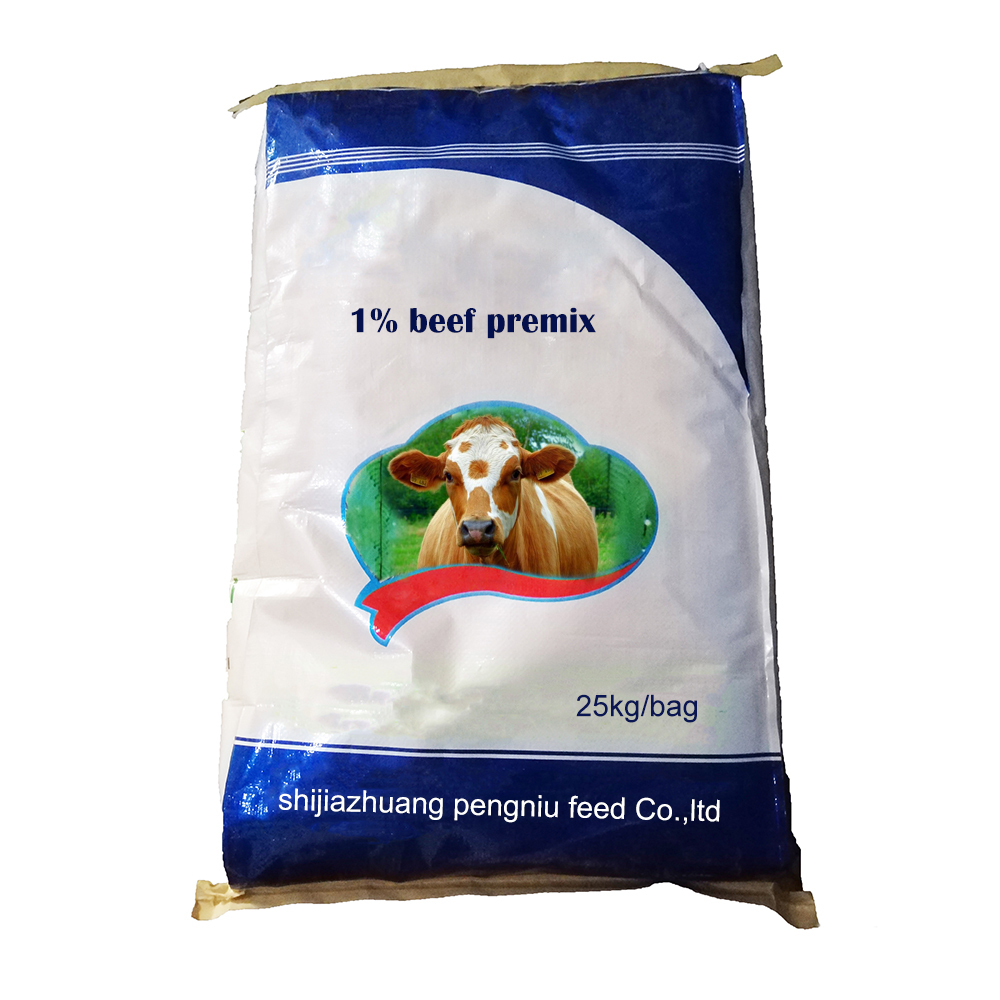
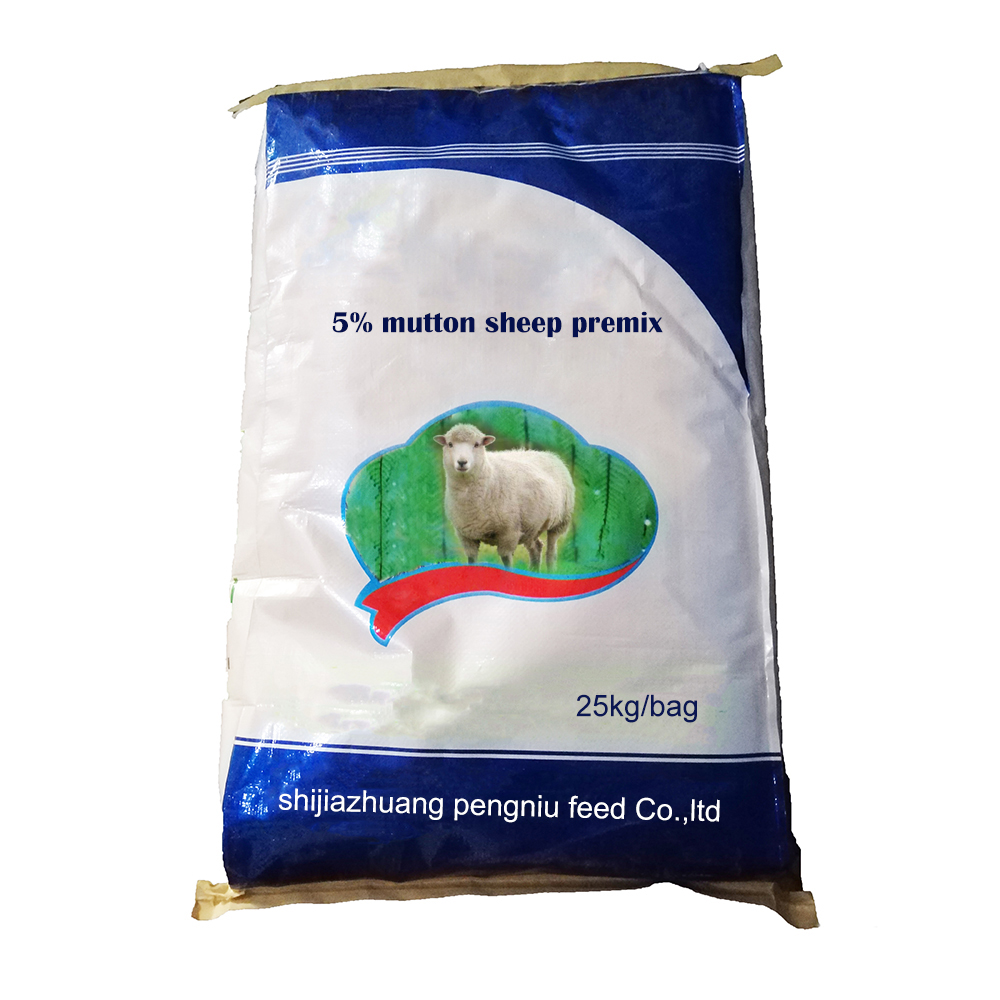
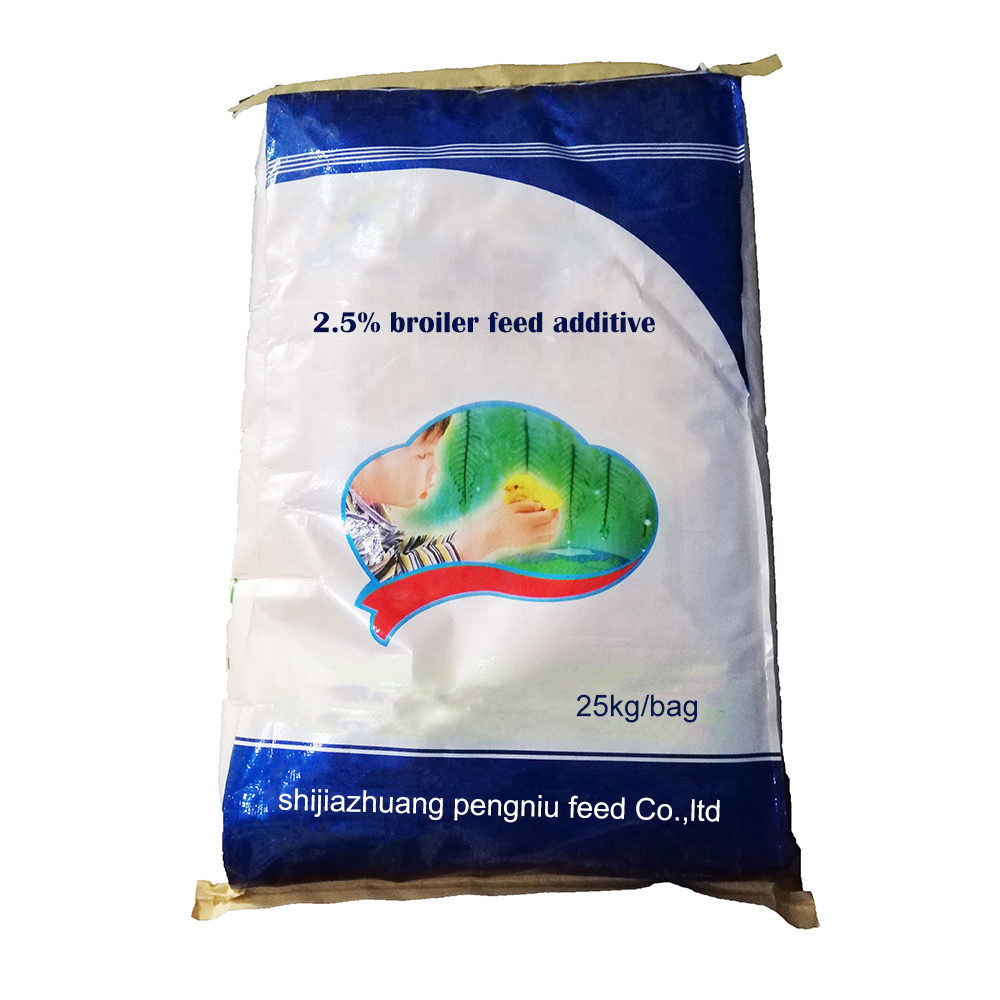
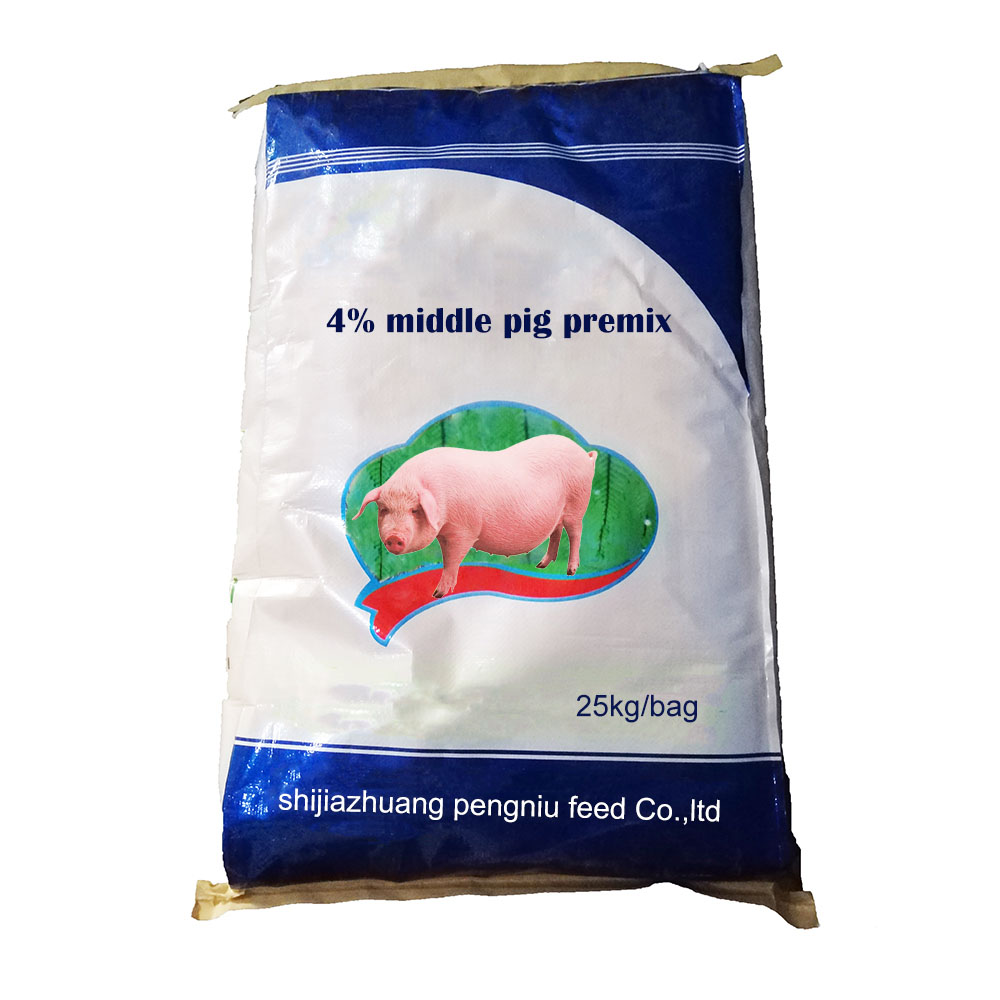
Animal feed concentrate might not be a household phrase, but it plays an absolutely essential role in livestock farming and the global food system. At its core, animal feed concentrate is a nutrient-dense component used to supplement the diets of farm animals, like cattle, poultry, and pigs. It’s richer in proteins, vitamins, and minerals compared to roughage or bulk feed, ensuring animals get what they need to grow, produce milk or meat efficiently, and stay healthy.
Why does it matter so much? As global demand for meat and dairy soars—with the UN estimating livestock products to be a major source of protein for over 1.3 billion people—efficient, affordable, and sustainable feeding practices become critical. Feed concentrates help farmers boost productivity while using less land and water, addressing challenges of food security, environmental pressure, and economic viability.
So, understanding animal feed concentrate isn’t just about farming. It’s about tackling big-picture problems like feeding a growing population and maintaining planetary health.
Animal Feed Concentrate in the Global Context
Globally, animal feed concentrate represents a multi-billion-dollar industry. The Food and Agriculture Organization (FAO) highlights that feed accounts for up to 70% of livestock production costs, which means improving feed quality and efficiency directly impacts global food prices and farmer livelihoods.
Regions such as South America, North America, and parts of Asia lead in producing specialized feed concentrates, often derived from grains, oilseed meals, and additives. However, challenges remain. For instance, smallholder farmers in Africa or Southeast Asia may lack access to affordable feed concentrates, limiting productivity and economic growth.
The growing awareness of climate change and resource depletion means animal feed concentrate suppliers and farmers alike face pressure to adopt sustainable sourcing and innovation.
Defining Animal Feed Concentrate
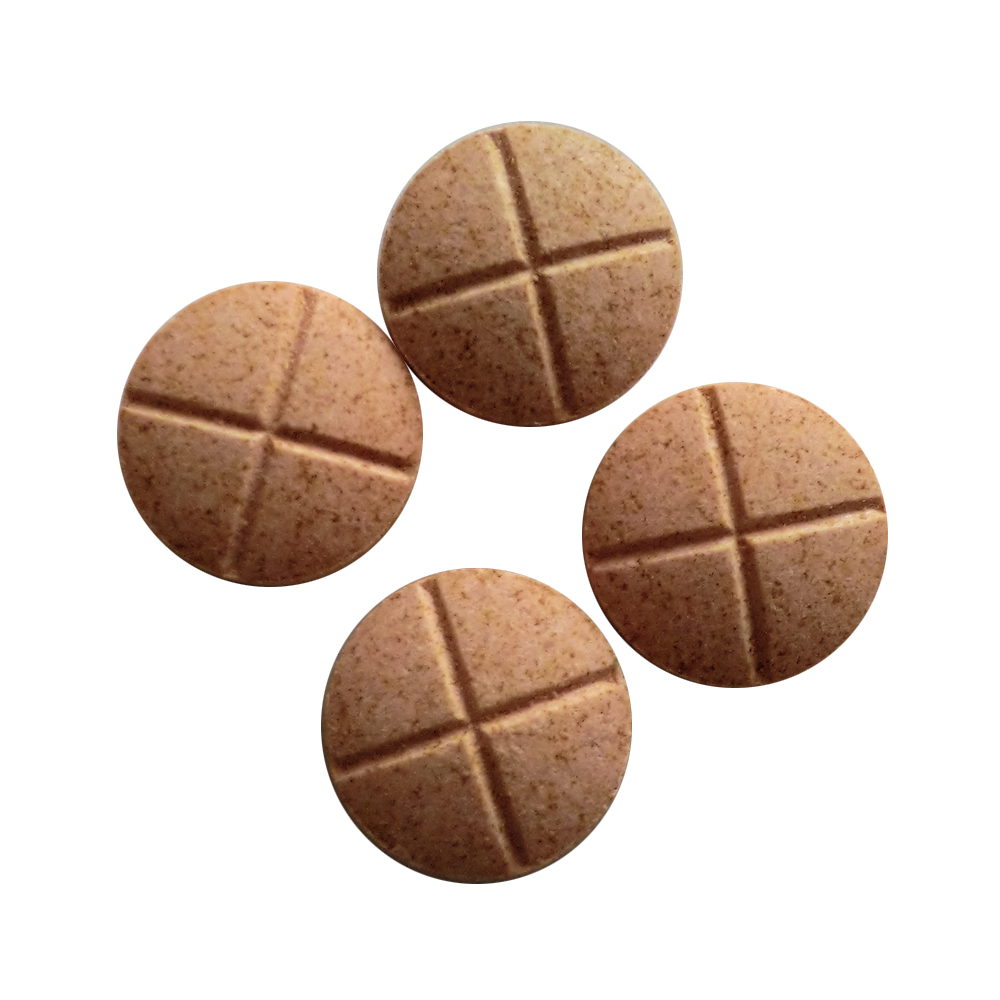
Simply put, animal feed concentrate is a high-energy, high-protein animal diet supplement. Unlike bulky feeds such as hay or straw, concentrates are compact and nutrient-rich—usually formulated as pellets, mash, or meal.
Their role in modern animal husbandry is huge: supplying essential amino acids and micronutrients that might be missing in basic forage, helping livestock meet their energy and growth needs, and ultimately supporting food chains from farm to table.
For humanitarian efforts like emergency livestock feeding in disaster areas, these concentrates are sometimes life-saving, providing key nutrients quickly where natural grazing is diminished.
Core Components of Animal Feed Concentrate
1. Protein Content
Protein is the workhorse nutrient in concentrates, essential for muscle development and milk production. Ingredients like soybean meal, fishmeal, or sunflower seed cake provide a dense protein source. Concentrates often contain 15-40% crude protein depending on the animal species and production goal.
2. Energy Richness
To maximize growth and production, concentrate feeds include high levels of carbohydrates and fats—usually from grains like corn, barley, or oats—to provide concentrated energy.
3. Vitamins & Minerals
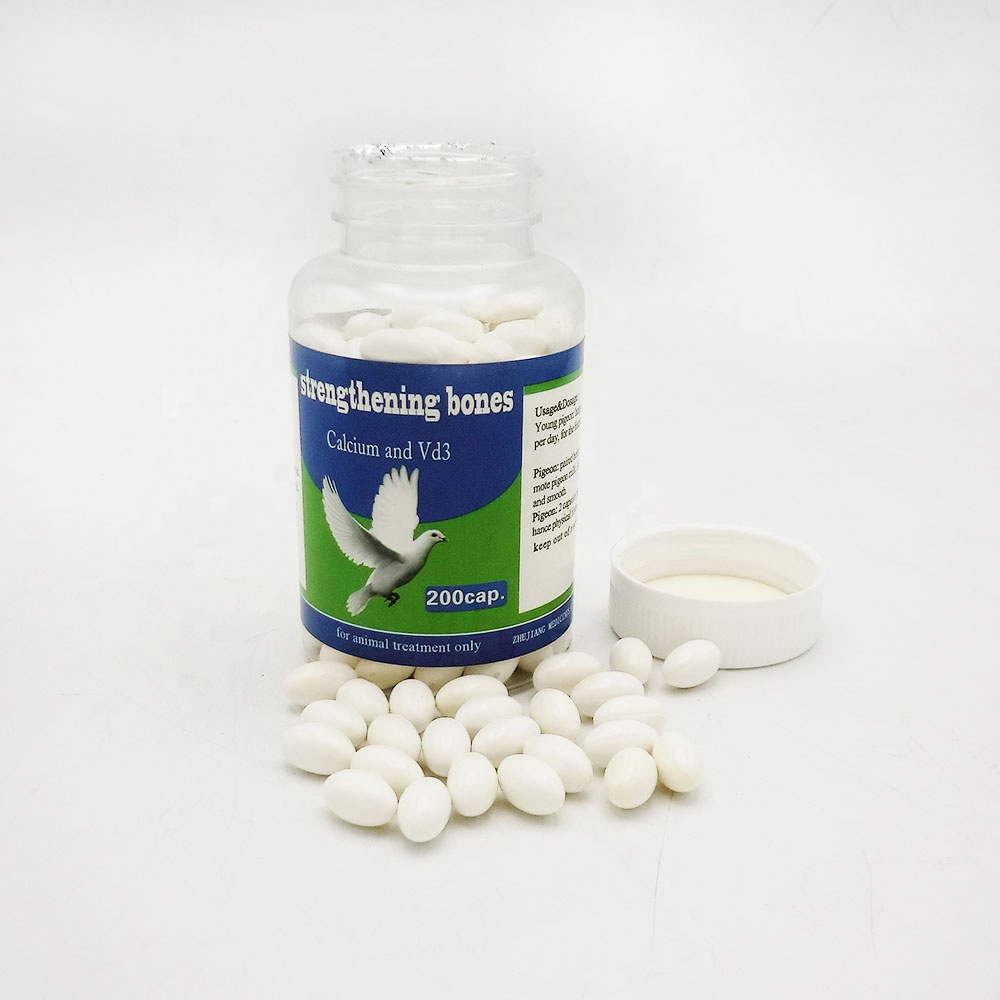
Balanced trace minerals (zinc, copper, selenium) and vitamins (A, D, E) are added to prevent deficiencies, strengthen immune systems, and improve reproductive performance.
4. Palatability & Digestibility
Animal acceptance is critical. Feed concentrates are often formulated with binders or flavor enhancers to make sure animals eat enough and digest the nutrient load efficiently.
5. Safety & Quality Control
Modern feed concentrates undergo strict testing to prevent contamination—like mold toxins or heavy metals—that could harm animal or human consumers downstream.
Mini takeaway: Think of animal feed concentrates as a scientifically designed, nutrient-packed “power food” for livestock, geared for growth, health, and productivity.
Global Applications & Real-World Use Cases
In industrialized agriculture, animal feed concentrate is the backbone of dairy farms, poultry operations, and feedlots, primarily in North America, Europe, and parts of Asia. Here, it enables predictable, high-quality milk and meat outputs to meet supermarket and export standards.
Meanwhile, in emerging economies, its use is rapidly expanding. For example, cooperatives in India have scaled up concentrate-based feeding to improve buffalo milk yields, positively impacting farmer incomes.
Weirdly enough, animal feed concentrates also show up in humanitarian crises—like drought-hit regions in East Africa—where organizations supply nutrient-rich feed pellets to herders forced to move their cattle. This intervention reduces livestock losses and maintains local food supplies.
Industrial zones in remote latitudes, such as parts of Russia or Canada, rely on concentrated feed because grazing is limited by climate and geography.
Advantages & Long-Term Value of Using Animal Feed Concentrates
- Cost-efficiency: Concentrates improve feed conversion ratios, meaning less waste, less land use, and more output per input.
- Sustainability: Proper feeding reduces methane emissions per unit of meat or milk, aligning with global climate goals.
- Health & Safety: Balanced nutrition strengthens animal immune systems, reducing disease outbreaks and need for antibiotics.
- Social Impact: Enhanced farm productivity uplifts rural households, preserves livelihoods, and supports food security.
I’ve often noticed farmers say that using good-quality concentrates feels like “investing in insurance” for their herds — something reliable yet you don’t see immediately until, well, when you really need it.
Product Specification Table
| Specification | Typical Value | Notes |
|---|---|---|
| Crude Protein (%) | 18-35% | Varies by target animal |
| Crude Fiber (%) | 5-10% | Usually low to improve digestibility |
| Energy (MJ/kg) | 12-14 MJ/kg | Depends on grains/oils used |
| Moisture (%) | 10-13% | Storage-sensitive parameter |
| Additives | Minerals, vitamins, enzymes | To optimize feed efficiency |
Comparing Leading Animal Feed Concentrate Vendors
| Vendor | Product Range | Sustainability Initiatives | Global Reach |
|---|---|---|---|
| NutraFeeds Co. | Beef, dairy, poultry concentrates | Renewable biomass sourcing | North America, Europe, Asia |
| GreenFarm Solutions | Organic feed concentrates | Zero-waste manufacturing | Europe, Africa |
| AgriMax Supplies | Custom formulations for small farms | Supporting local sourcing initiatives | South America, Asia |
Future Trends and Innovations Shaping Animal Feed Concentrates
We’re at an interesting crossroads. Precision agriculture technologies now enable tailor-made concentrates according to animal genetics or life stage, boosting efficiency. Plus, there’s a green revolution in making bio-based protein sources like insect meal and algae part of blends, aiming to cut the carbon footprint seriously.
Digitally enabled monitoring of feed intake and health data helps farmers get real-time feedback to optimize nutrition plans. Automation in feed mills improves consistency and traceability, vital for consumer trust.
Then there’s policy — many governments encourage sustainable animal protein production, pushing innovations in feed additives that reduce methane emissions or improve nutrient absorption in animals.
Challenges and How Experts Propose Overcoming Them
Of course, it’s not all smooth sailing. Feed ingredient price volatility can increase costs unpredictably. Also, in many developing markets, limited infrastructure reduces access to quality concentrates. Storage and spoilage remain challenges in tropical climates.
Experts suggest better regional manufacturing hubs closer to demand points, along with education programs for farmers on feeding best practices. Developing more stable, climate-resilient formulations also helps mitigate storage losses.
Technological partnerships between agri-tech startups and feed producers could bring novel solutions like on-farm pelletizing machines or modular feed processing units.
FAQ: Common Questions About Animal Feed Concentrate
- Q: How does animal feed concentrate differ from regular livestock feed?
- A: Feed concentrate is nutrient-dense and formulated specifically to provide essential proteins, vitamins, and minerals, unlike roughage which is bulk feed. It complements forage to meet the animal's full dietary needs.
- Q: Can animal feed concentrate alone sustain livestock?
- A: Generally, no. Concentrates are designed as supplements alongside forage or pasture. Overfeeding concentrates can cause digestive issues, so balanced rationing is crucial.
- Q: Are there sustainable alternatives to traditional feed concentrate ingredients?
- A: Yes. Innovations include insect protein, algae, and by-products from food processing. These reduce reliance on conventional crops, improve resource efficiency, and lower greenhouse gas emissions.
- Q: How do smallholder farmers access animal feed concentrate affordably?
- A: Some cooperatives and NGOs facilitate bulk purchasing at discounted rates. Local production hubs and government subsidies also help improve accessibility.
Conclusion: Why Investing in Quality Animal Feed Concentrate Pays Off
Animal feed concentrate is a cornerstone of modern livestock production, offering efficiency, sustainability, and health benefits that ripple through the food supply chain. For farmers, it means better yields, reduced waste, and more predictable operations. For society, it supports food security and environmental stewardship.
Embracing innovation and expanding access to good-quality concentrates—no matter the farm size or location—can fuel a more resilient and equitable livestock industry worldwide. I encourage you to explore further at https://www.rcpetfood.com and see how your operation might benefit.
Mini takeaway: In a world demanding smarter food solutions, animal feed concentrate remains a quietly powerful tool worth knowing about.
References & Further Reading
Post time: November 20, 2025