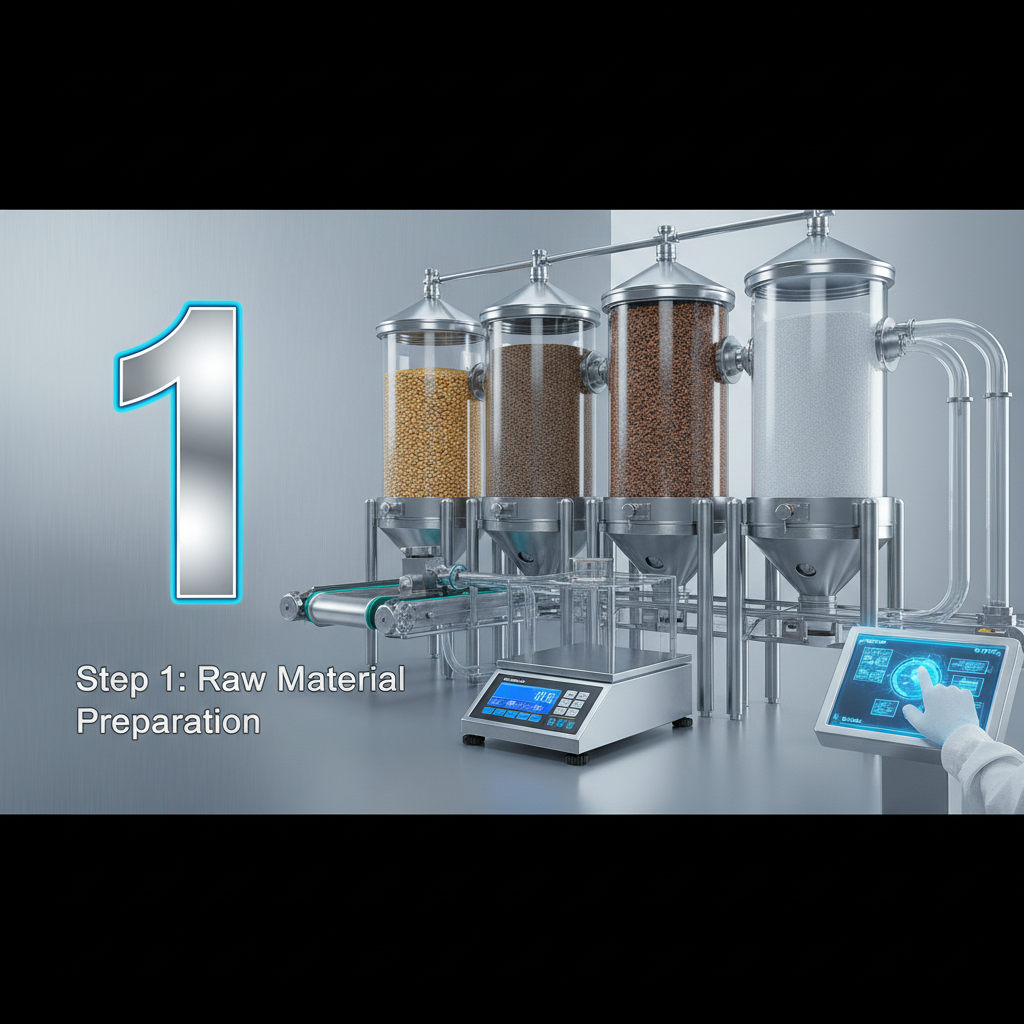
Poultry premix suppliers are critical components of the modern poultry industry, ensuring optimal bird health, growth, and production efficiency. Globally, the demand for poultry products continues to rise, driven by increasing populations and changing dietary preferences. Efficient and reliable sourcing of quality premixes is therefore paramount for producers aiming to meet this demand sustainably and profitably. Understanding the intricacies of this supply chain, from raw material sourcing to final product delivery, is essential for anyone involved in poultry farming or related industries.
The role of poultry premix suppliers extends beyond simply providing ingredients; they offer formulation expertise, quality control, and logistical support. These suppliers cater to diverse needs, from small-scale farmers to large-scale integrated poultry operations. The industry is increasingly focused on innovation, driven by consumer demand for antibiotic-free poultry and sustainable farming practices. This creates a dynamic environment where poultry premix suppliers must constantly adapt and refine their offerings.
Considering the global impact of poultry production – contributing significantly to food security and livelihoods – the efficiency and reliability of poultry premix suppliers are not just business concerns, but essential factors in ensuring a stable and sustainable food supply for a growing world population. The ability to navigate complex regulatory landscapes and maintain consistent product quality are key to success in this vital sector.
Introduction to poultry premix suppliers
The success of modern poultry farming is heavily reliant on access to high-quality, customized nutritional solutions. Poultry premix suppliers play a pivotal role in providing these solutions, formulating blends of vitamins, minerals, amino acids, and other essential nutrients tailored to specific bird types and production stages. Selecting the right poultry premix supplier can significantly impact feed conversion ratios, growth rates, and overall flock health.
These suppliers don’t just sell ingredients; they offer expertise in animal nutrition, regulatory compliance, and supply chain management. This holistic approach is crucial for poultry producers navigating the complexities of the industry. The focus is on ensuring that each bird receives the precise nutrient balance required for optimal performance, ultimately contributing to a more efficient and sustainable poultry production system.
Defining Poultry Premix Suppliers
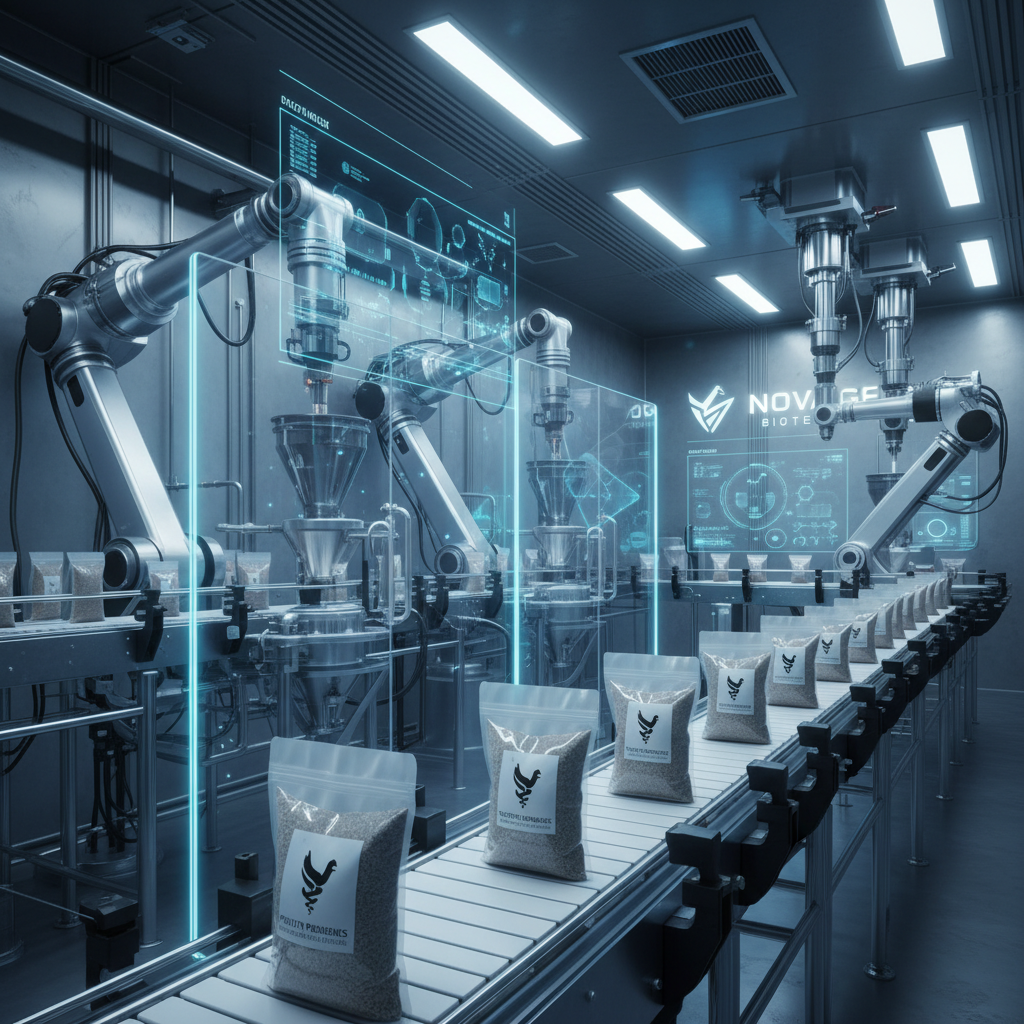
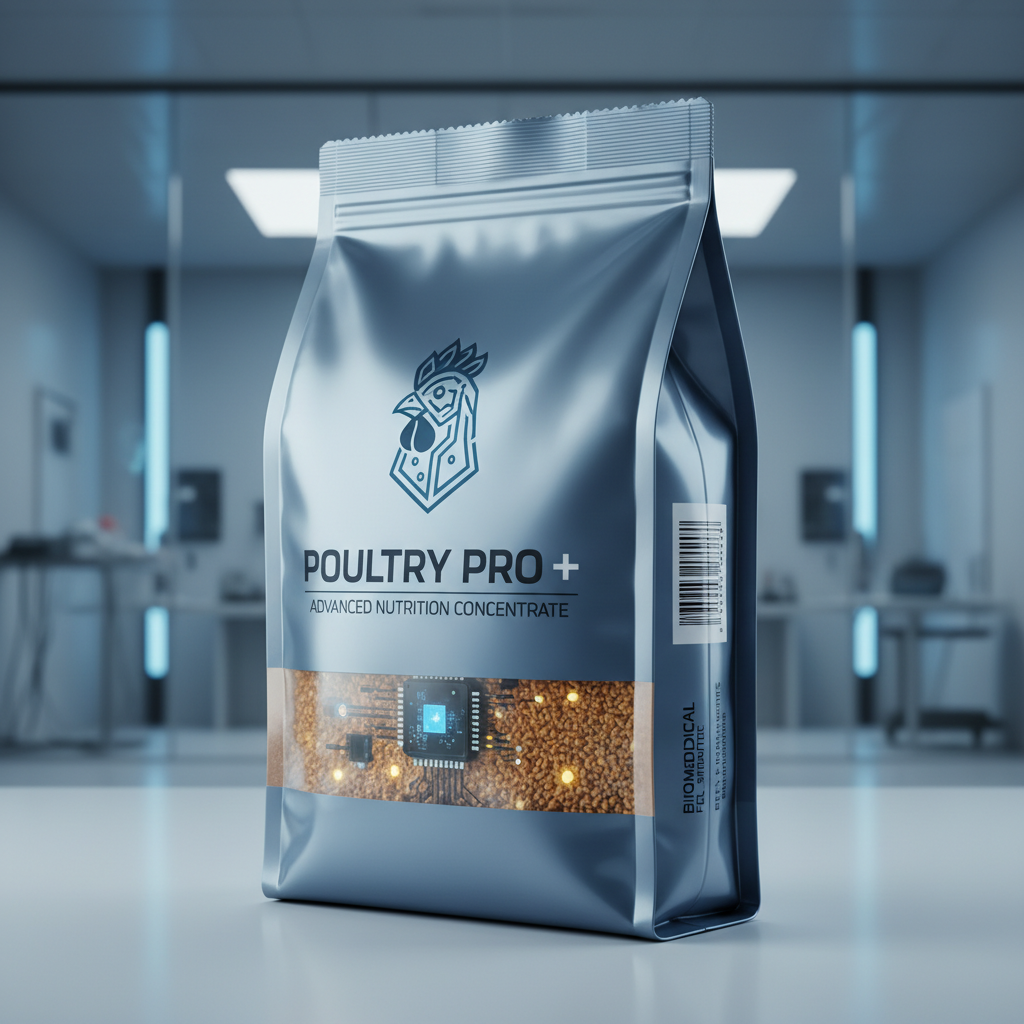
Poultry premix suppliers are companies specializing in the formulation, blending, and distribution of micronutrient packages (premixes) designed to supplement poultry feed. These premixes are not complete feeds but rather concentrated sources of essential vitamins, minerals, amino acids, enzymes, and other additives that are added to base feed ingredients such as corn and soybean meal. Essentially, they bridge the nutritional gaps to ensure birds receive a balanced diet.
The connection to modern industry stems from the increasing specialization within the agricultural sector. Rather than poultry producers attempting to formulate complex nutrient blends themselves, they rely on the expertise of dedicated premix suppliers. This specialization promotes efficiency, quality control, and innovation within the poultry feed supply chain.
This is critical for humanitarian needs as well. Properly formulated poultry feed, enabled by reliable premix suppliers, supports poultry production in developing regions, providing a vital source of protein and contributing to food security. Effective premix supply can dramatically improve the productivity and efficiency of small-scale poultry farms, impacting both economic and nutritional well-being.
Key Components of Effective Premix Supply
Several key factors contribute to the effectiveness of poultry premix suppliers. Firstly, quality control is paramount, encompassing rigorous testing of raw materials and finished products to ensure adherence to industry standards and regulatory requirements. Secondly, formulation expertise is essential, requiring a deep understanding of poultry nutritional needs at different life stages and production goals.
Thirdly, supply chain reliability is critical, meaning suppliers must guarantee consistent product availability and timely delivery, even in the face of logistical challenges. Fourthly, customization capabilities are increasingly important, as poultry producers often require premixes tailored to their specific feed formulations and bird types. This responsiveness is a key differentiator in the market.
Finally, regulatory compliance and transparency are non-negotiable. Poultry premix suppliers must navigate a complex web of regulations concerning ingredient safety, labeling, and environmental impact. Demonstrating a commitment to ethical and sustainable practices is also becoming increasingly important for attracting and retaining customers.
Global Applications and Market Dynamics
Poultry premix suppliers serve a diverse global market, ranging from large-scale commercial operations in developed countries to smaller-scale farmers in emerging economies. Major poultry producing regions like Brazil, the United States, China, and the European Union represent significant markets for premix suppliers. The demand is particularly strong in regions experiencing rapid population growth and rising incomes.
In post-disaster relief operations, readily available and nutritionally complete poultry feed – facilitated by reliable poultry premix suppliers – can provide a critical source of protein for affected communities. Similarly, in remote industrial zones where local feed production is limited, premixes enable the establishment of sustainable poultry farming operations.
The industry is impacted by global economic factors, such as fluctuating commodity prices and trade policies. Increasing concerns about antibiotic resistance are driving demand for premixes that support immune function and reduce the need for antibiotic intervention. Trends toward cage-free and organic poultry production also influence premix formulations, requiring suppliers to adapt to new nutritional requirements and regulatory standards.
Poultry Premix Supplier Performance Metrics
Advantages and Long-Term Value Proposition
The advantages of partnering with reliable poultry premix suppliers are multifaceted. Cost-effectiveness is a primary benefit, as premixes reduce the need for producers to invest in specialized blending equipment and expertise. Sustainability is enhanced through optimized nutrient utilization, minimizing feed waste and reducing the environmental impact of poultry production.
From a social impact perspective, consistent access to high-quality premixes supports the livelihoods of poultry farmers and contributes to food security, particularly in developing countries. Reliability is paramount, ensuring a consistent supply of essential nutrients and minimizing the risk of production disruptions. This fosters trust between producers and suppliers, creating long-term partnerships.
Future Trends in the Poultry Premix Industry
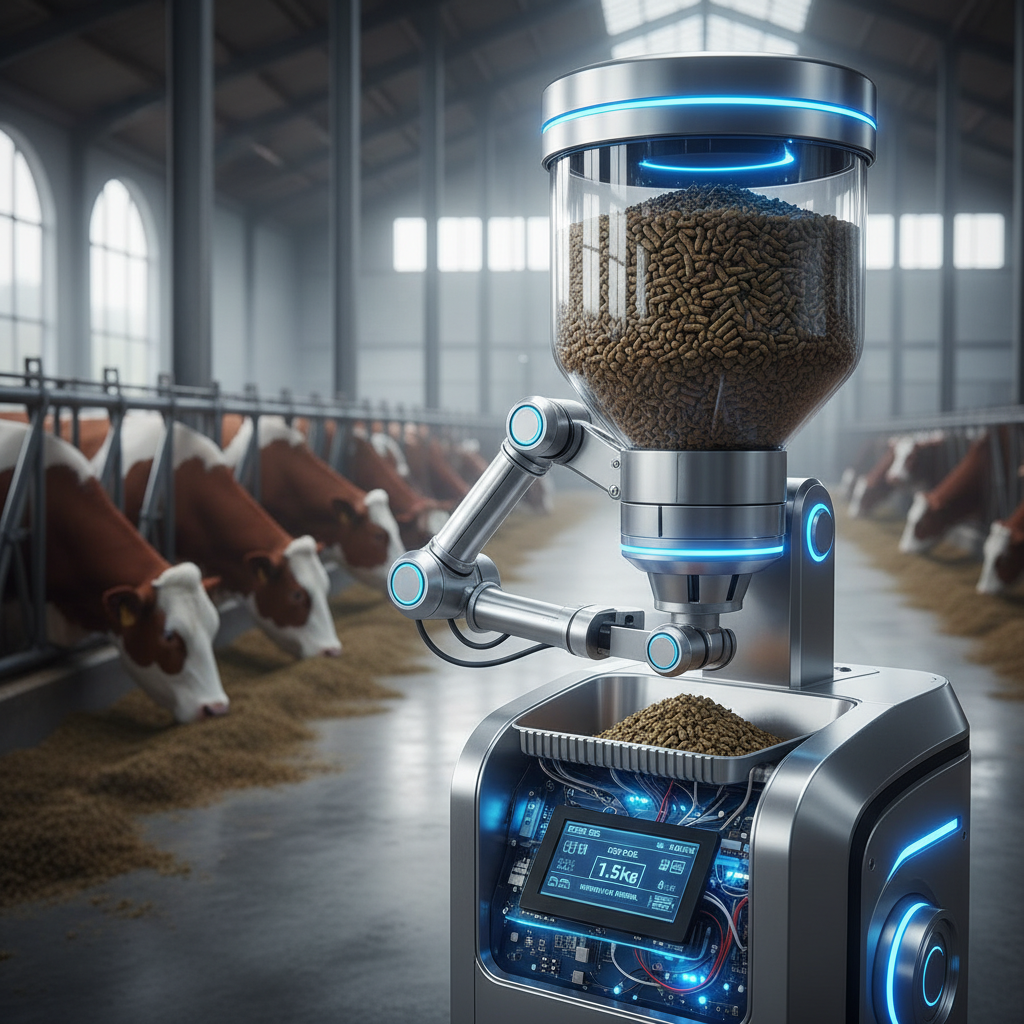
The poultry premix industry is poised for significant innovation. The development of precision feeding technologies, leveraging data analytics and sensor technology, will enable more customized premix formulations tailored to individual bird needs. Increased focus on gut health and microbiome modulation will drive demand for novel premix ingredients, such as prebiotics and probiotics.
Sustainable sourcing of raw materials and reduced carbon footprints will become increasingly important, prompting suppliers to adopt more eco-friendly manufacturing processes and packaging solutions. Digital transformation, including blockchain technology for traceability and supply chain transparency, will enhance trust and accountability throughout the industry.
Challenges and Solutions for Poultry Premix Suppliers
Poultry premix suppliers face several challenges, including fluctuating raw material prices, increasingly stringent regulatory requirements, and the need to adapt to evolving consumer preferences. Maintaining consistent product quality and ensuring supply chain resilience are also ongoing concerns.
To overcome these challenges, suppliers must invest in robust quality control systems, diversify their sourcing networks, and embrace innovative technologies. Collaboration with research institutions and poultry producers is crucial for developing new and improved premix formulations. Proactive engagement with regulatory bodies ensures compliance and fosters a favorable operating environment.
Effective risk management strategies, including hedging and long-term contracts, can mitigate the impact of price volatility. Transparency and traceability throughout the supply chain, enabled by digital technologies, build trust and enhance accountability. Ultimately, success in this industry requires a commitment to innovation, sustainability, and customer satisfaction.
Summary of Key Challenges and Mitigation Strategies for Poultry Premix Suppliers
| Challenge |
Impact Area |
Mitigation Strategy |
Priority Level (1-5) |
| Raw Material Price Volatility |
Profit Margins |
Hedging, Long-Term Contracts |
5 |
| Regulatory Compliance |
Market Access |
Proactive Engagement, Internal Audits |
4 |
| Supply Chain Disruptions |
Product Availability |
Diversified Sourcing, Inventory Management |
4 |
| Evolving Consumer Preferences |
Product Demand |
R&D, Formulation Innovation |
3 |
| Maintaining Product Quality |
Brand Reputation |
Rigorous Testing, Quality Control Systems |
5 |
| Increasing Competition |
Market Share |
Differentiation, Value-Added Services |
3 |
FAQS
The primary differences lie in formulation expertise, raw material sourcing, quality control measures, and customization capabilities. Some suppliers specialize in specific poultry types (broilers, layers, turkeys), while others offer a broader range of solutions. Price also varies, but focusing solely on cost can compromise quality. Look for suppliers with certifications (e.g., ISO 9001, GMP+) and a strong track record of reliability. Furthermore, the ability to provide technical support and formulation adjustments based on your specific needs is crucial.
Verify that the poultry premix supplier has robust quality control systems in place, including regular testing of raw materials and finished products. Request certificates of analysis (COAs) for each batch of premix. Look for suppliers who adhere to Good Manufacturing Practices (GMP) and have relevant certifications. A transparent supply chain, where you can trace the origin of ingredients, is also a good indicator of quality and safety. Always check expiration dates and storage recommendations.
The level of customization varies significantly between suppliers. Some offer standard premix formulations, while others can tailor blends to your exact specifications, taking into account your base feed ingredients, bird type, production stage, and desired outcomes. Customization can involve adjusting vitamin and mineral levels, adding specific amino acids, or incorporating functional ingredients. Discuss your specific needs with the supplier to determine their customization capabilities.
Many poultry premix suppliers are actively developing formulations that support immune function and reduce the need for antibiotic intervention. This includes incorporating prebiotics, probiotics, phytogenics, and other natural additives that enhance gut health and resilience. They may also offer premixes specifically designed for antibiotic-free production systems. Look for suppliers who are committed to responsible antibiotic stewardship.
Lead times can vary depending on the supplier, the complexity of the formulation, and your location. Standard premix formulations typically have shorter lead times (a few days to a week). Custom formulations may require several weeks, depending on ingredient sourcing and production capacity. It’s essential to plan your orders in advance to avoid production disruptions, and to clarify lead times with the supplier before placing an order.
Don’t solely focus on the price per ton. Consider the quality of ingredients, formulation expertise, technical support, and delivery reliability. A cheaper premix may result in lower feed efficiency, reduced growth rates, and increased health problems, ultimately costing you more in the long run. Evaluate the total cost of ownership, including the benefits of improved performance and reduced risk. Also, factor in any potential savings from optimized feed formulations.
Conclusion
In conclusion, poultry premix suppliers are indispensable partners for poultry producers worldwide. Their expertise in animal nutrition, commitment to quality, and ability to adapt to evolving industry trends are crucial for ensuring efficient, sustainable, and profitable poultry production. Choosing the right supplier – one that prioritizes customization, reliability, and regulatory compliance – is a strategic decision that can significantly impact your bottom line and long-term success.
Looking ahead, collaboration between poultry producers and premix suppliers will be essential for addressing the challenges of a growing global population and increasing consumer demands for safe, affordable, and sustainably produced poultry products. Investing in innovation, embracing new technologies, and promoting responsible sourcing practices will be key to unlocking the full potential of the poultry industry and ensuring its continued contribution to global food security. Visit our website at poultry premix suppliers to learn more.