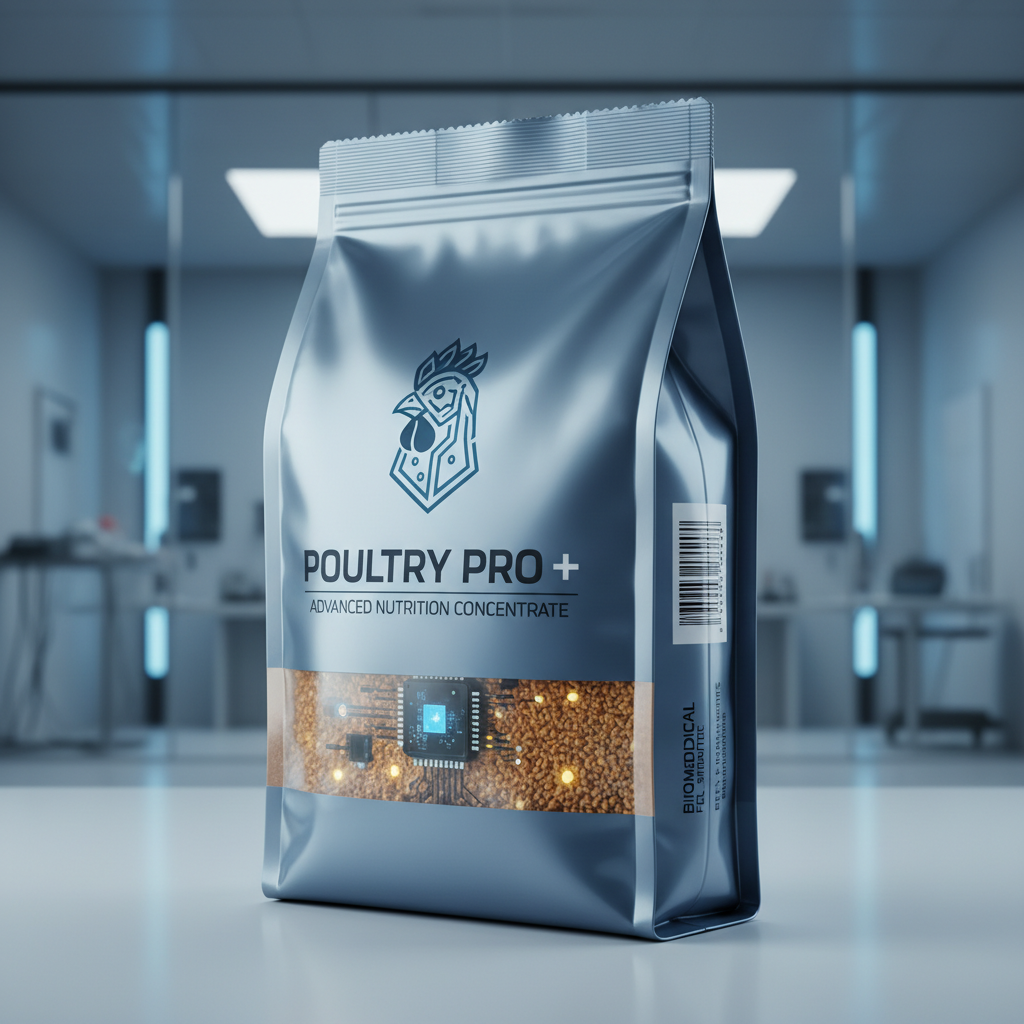
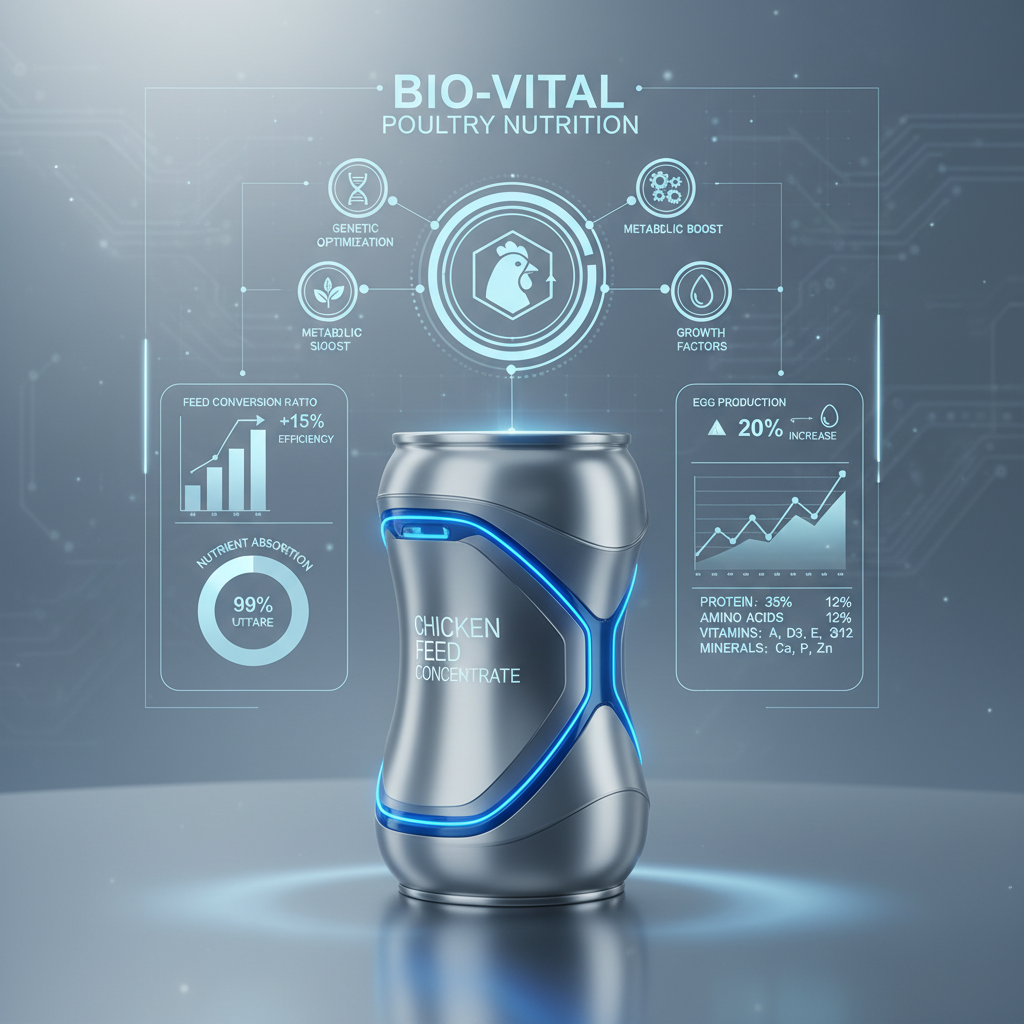
Look, chicken feed concentrate isn’t some newfangled invention. It’s a workhorse. I’ve been on sites all over, seen what works and what doesn’t, and this stuff consistently delivers. It's about getting a consistent, high-quality base for your feed, cutting down on waste, and ultimately, putting more weight on those birds. For decades, folks have been mixing their own, chasing consistency. Concentrate cuts out the guesswork. It's about efficiency - less time mixing, more time focusing on animal health and growth. chicken feed concentrate is more than just a product; it’s a system for better outcomes.
I've seen too many operations struggling with inconsistent feed quality. Variations in ingredients, improper mixing – it all adds up to lower yields and increased costs. This concentrate addresses those core issues. It’s a pre-blended formula, taking the variable human element out of the equation. You're starting with a solid foundation, a predictable output. That translates to more reliable growth rates and fewer unexpected problems down the line. It’s about taking the risk out of feeding.
And it's not just about the big industrial farms, either. I’ve worked with smaller, family-run operations who’ve seen significant improvements by switching to a concentrate. It levels the playing field, giving everyone access to a consistent, high-quality feed base. It simplifies things. Farmers can focus on what they do best – raising healthy animals.
The Core Principles of chicken feed concentrate
At its heart, chicken feed concentrate is about standardization. We're taking a complex process – balancing proteins, carbohydrates, vitamins, and minerals – and simplifying it. It's a pre-mix, designed to be diluted with locally sourced grains. This isn't about cutting corners; it’s about maximizing value. It allows farmers to leverage their existing resources while ensuring a consistent nutritional profile for their flock. chicken feed concentrate provides a base level of quality that's hard to achieve consistently with completely from-scratch mixing.
The real benefit comes down to control. You're controlling the core nutrition, leaving room to adjust based on your specific needs and the availability of local ingredients. That flexibility is critical, especially in regions where ingredient costs can fluctuate wildly. It’s a pragmatic approach to feed formulation, built on years of research and practical experience.
Global Demand and Supply Chains for chicken feed concentrate
The demand for chicken feed concentrate is directly tied to the global population and the increasing demand for affordable protein. You see it spiking in developing nations as incomes rise and diets shift. The supply chain is complex, with key ingredient sourcing concentrated in a few major agricultural regions – the US, Brazil, Argentina. Getting those ingredients to where they’re needed reliably is a constant challenge, affected by everything from weather patterns to geopolitical events.
What I've noticed is a move towards regionalization of production. Farmers are looking for suppliers closer to home to reduce transportation costs and mitigate supply chain disruptions. This is driving investment in concentrate manufacturing facilities in new areas. It’s a sign of a maturing market, moving beyond simple commodity trading to more localized and resilient supply chains.
And the logistics are tough. You’re dealing with bulk materials, often sensitive to humidity and temperature. Proper storage and handling are critical to maintaining quality. That's where a reputable concentrate supplier makes a huge difference; they have the infrastructure and expertise to ensure the product arrives in top condition.
Composition and Nutritional Value of chicken feed concentrate
A good chicken feed concentrate isn’t just about throwing a bunch of ingredients together. It’s a carefully formulated blend of essential nutrients, designed to meet the specific needs of different age groups and breeds. You're looking at protein sources – soybean meal, sunflower meal, fishmeal – alongside carbohydrate sources like corn and wheat. Crucially, it includes a complete vitamin and mineral premix. That's what separates a concentrate from just a protein boost. chicken feed concentrate’s nutritional profile is carefully balanced for optimal growth and health.
You need to understand the different formulations. Starter concentrates have a higher protein content for young chicks, while grower and finisher concentrates are adjusted to support different growth stages. Layer concentrates are enriched with calcium for eggshell production. It's not a one-size-fits-all game. And you’ve got to pay attention to digestibility. Some protein sources are more readily absorbed than others. It's about maximizing nutrient uptake and minimizing waste.
I always tell folks to get a guaranteed analysis from the supplier. You want to know exactly what you’re getting – the percentage of crude protein, crude fat, fiber, and the levels of key vitamins and minerals. Don't settle for vague claims. Transparency is key. And remember, the quality of the ingredients matters. A concentrate made with high-quality sources will always outperform a cheaper alternative.
Cost Analysis and Economic Benefits of chicken feed concentrate
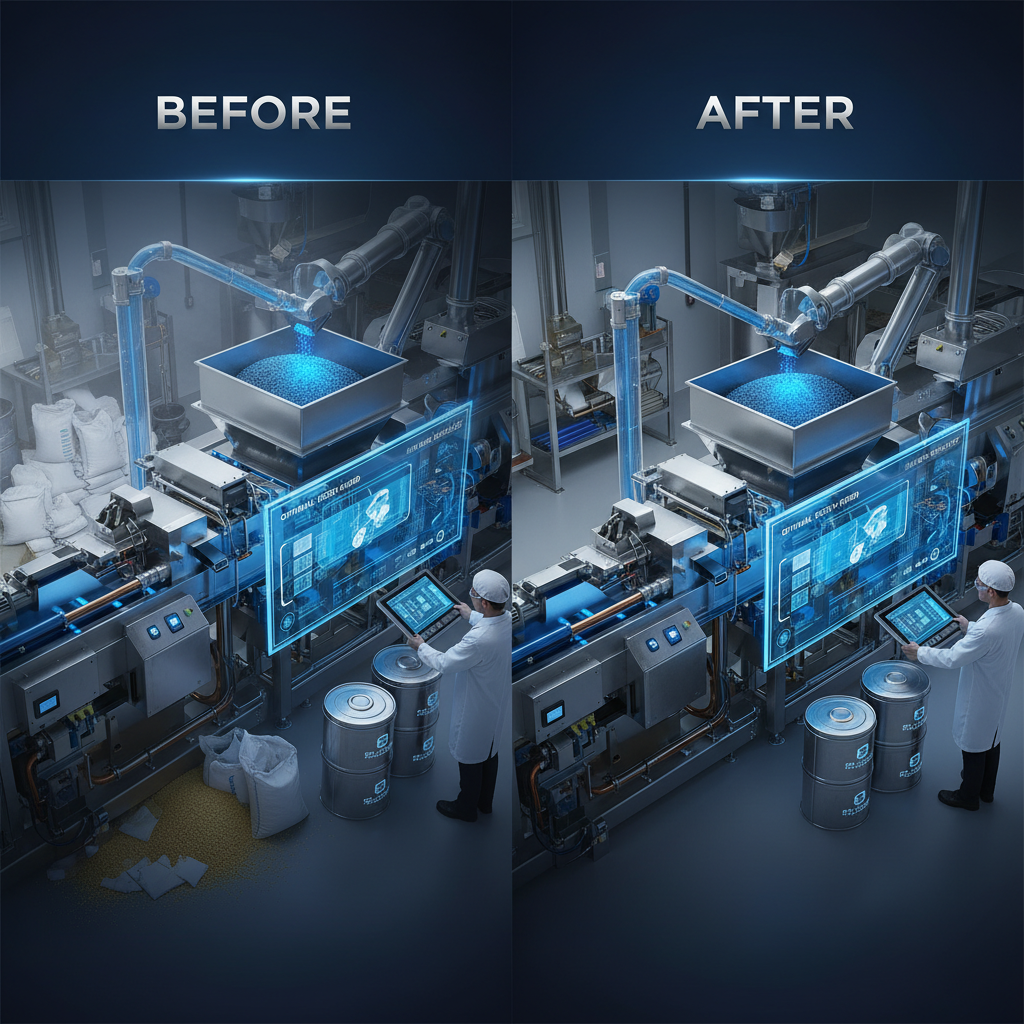
The initial cost of chicken feed concentrate might be higher than buying raw ingredients separately, but you have to look at the total cost of ownership. When you factor in labor savings, reduced waste, and improved feed efficiency, the concentrate often comes out ahead. It's about streamlining the process and maximizing the return on your investment. chicken feed concentrate can significantly reduce overall operational costs.
The biggest savings come from consistency. With a consistent feed, you see more predictable growth rates, lower mortality rates, and improved feed conversion ratios. That translates directly to higher profits. And it reduces the risk of costly setbacks due to nutritional deficiencies. I’ve seen farms lose entire flocks because of poorly balanced feed. The cost of preventing that is well worth the investment in a quality concentrate.
Cost Comparison of Chicken Feed Methods
Applications of chicken feed concentrate Across Poultry Farming
You see concentrate used across the board in poultry farming – broiler chickens, layers, turkeys, ducks, even game birds. The specific formulation will vary depending on the species and their stage of life, but the principle remains the same: provide a consistent, balanced nutritional base. chicken feed concentrate adapts to a wide range of poultry needs.
It’s particularly valuable in larger-scale operations where maintaining consistency across thousands of birds is critical. But, as I said earlier, smaller farms benefit too. It allows them to achieve a level of nutritional precision that would be difficult and time-consuming to achieve otherwise. It really is adaptable.
Sustainability and Environmental Impact of chicken feed concentrate
Sustainability is a huge topic right now, and rightly so. Chicken feed concentrate can play a role in more sustainable poultry farming. By improving feed efficiency, we reduce the amount of feed needed to produce a given amount of meat or eggs. That means less land used for growing feed crops, less water consumption, and less waste.
There's also the aspect of sourcing ingredients responsibly. Choosing concentrates made with sustainably sourced ingredients – like soy from certified sustainable farms – can further reduce the environmental footprint. It’s a complex issue, but it’s one the industry is taking seriously.
Reducing feed waste is also key. A consistent concentrate minimizes the risk of birds rejecting feed due to inconsistent flavor or texture. Less waste means fewer resources used and less pollution generated.
Future Innovations and Trends in chicken feed concentrate
We’re seeing a lot of innovation in the concentrate space. Things like enzyme supplementation to improve nutrient absorption, and the use of alternative protein sources – insect meal, algae – to reduce reliance on traditional soy and fishmeal. Precision feeding, tailored to the individual needs of each bird, is another area of development.
I think we'll also see more concentrates formulated with specific health benefits in mind – incorporating probiotics and prebiotics to boost gut health and improve immunity. The focus is shifting from just providing basic nutrition to actively promoting animal wellbeing.
And the data side of things is going to be huge. Using sensors and data analytics to monitor feed consumption, growth rates, and overall flock health will allow for even more precise feed formulation and optimization. It’s a data-driven future for poultry farming.
Key Factors Influencing chicken feed concentrate Quality
| Ingredient Quality |
Formulation Precision |
Manufacturing Process |
Storage and Handling |
| High-quality ingredients ensure optimal nutrient availability. |
Precise formulation guarantees balanced nutrition for different growth stages. |
Controlled manufacturing minimizes nutrient loss and contamination. |
Proper storage prevents ingredient degradation and maintains quality. |
| Sourcing from reputable suppliers is critical for ingredient purity. |
Regular analysis verifies the nutrient content of the concentrate. |
Quality control checks throughout the manufacturing process. |
Temperature and humidity control are essential for storage. |
| Traceability of ingredients ensures accountability. |
Customization options cater to specific poultry needs. |
Dust control measures minimize respiratory issues in birds. |
First-in, first-out inventory management prevents spoilage. |
| Cost-effective sourcing without compromising quality. |
Formulation adjusts based on evolving nutritional research. |
Efficient mixing ensures uniform nutrient distribution. |
Protective packaging prevents moisture and pest intrusion. |
| Organic and non-GMO options available. |
Adaptation to specific regional ingredient availability. |
Automated systems minimize human error. |
Regular inspections maintain storage facility hygiene. |
| Detailed ingredient analysis reports provided. |
Collaboration with nutritionists for optimal formulation. |
Batch tracking for quality control and recall purposes. |
Training for personnel on proper handling procedures. |
FAQS
Generally, unopened chicken feed concentrate can last 12-18 months when stored properly in a cool, dry place away from direct sunlight. After opening, it's best to use it within 6 months to ensure optimal nutrient content. Moisture and heat are the biggest enemies, so airtight storage is key. Check the manufacturer's label for specific recommendations, as formulations can vary. It’s always a good idea to visually inspect the concentrate for any signs of mold or pest infestation before use.
The dilution ratio depends on the specific concentrate you're using and the age/breed of your chickens. Most concentrates are designed to be diluted with grain – typically corn or wheat – at a ratio of 1 part concentrate to 2-4 parts grain. Always refer to the manufacturer’s instructions on the bag. Start with the recommended ratio and adjust based on your birds' growth and overall health. Careful measurement is essential to ensure a balanced diet.
It depends. If you're aiming for certified organic production, you must use a concentrate that is certified organic itself. Standard concentrates may contain ingredients that are not permitted in organic systems. Check the label carefully and look for certification from a recognized organic certifying body. Mixing a non-organic concentrate with organic grain will compromise your organic status.
Look for visible signs of mold, discoloration, or pest infestation. A sour or off-odor is also a red flag. If the concentrate is clumpy or doesn’t mix well with grain, that’s a sign of moisture damage. Poor quality feed can lead to reduced growth rates, increased mortality, and compromised egg production. Don't risk it – if you suspect the concentrate is bad, don’t use it.
Not necessarily. Different concentrates are formulated for different life stages. Starter concentrates have higher protein levels for chicks, while grower and finisher concentrates are adjusted for older birds. Layer concentrates contain added calcium for eggshell production. Using the wrong concentrate can lead to nutritional imbalances and health problems. Always choose a concentrate appropriate for your chickens’ age and breed.
Complete feeds are fully formulated and ready to feed, while concentrates require mixing with grain. Concentrates offer more flexibility and allow you to leverage locally sourced grains, potentially reducing costs. However, complete feeds are more convenient. The choice depends on your resources, facilities, and preferences. If you’re comfortable with mixing and want to control ingredient sourcing, concentrate is a good option. If you prefer convenience, complete feed might be a better fit.
Conclusion
Chicken feed concentrate is a powerful tool for poultry farmers, offering a balance of convenience, cost-effectiveness, and nutritional control. It’s not a magic bullet, but a foundational element for building a successful and sustainable operation. From streamlining feed production to optimizing growth rates and minimizing waste, the benefits are tangible and far-reaching. Understanding its principles and applications is vital for anyone involved in poultry farming.
Looking ahead, innovation in concentrate formulation, ingredient sourcing, and precision feeding will continue to drive efficiency and sustainability. By embracing these advancements, we can ensure a reliable and affordable supply of poultry products while minimizing our environmental impact. For more information and to explore our range of high-quality concentrates, visit our website today: www.rcpetfood.com.