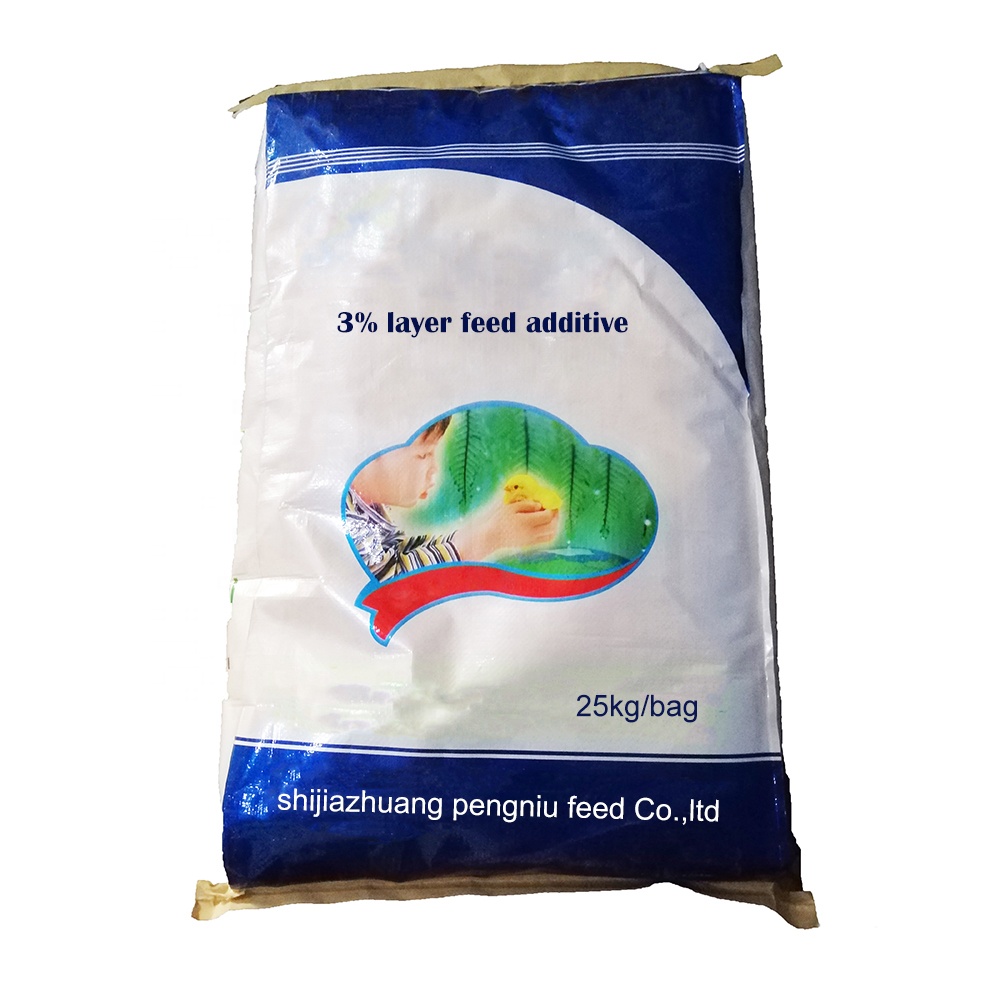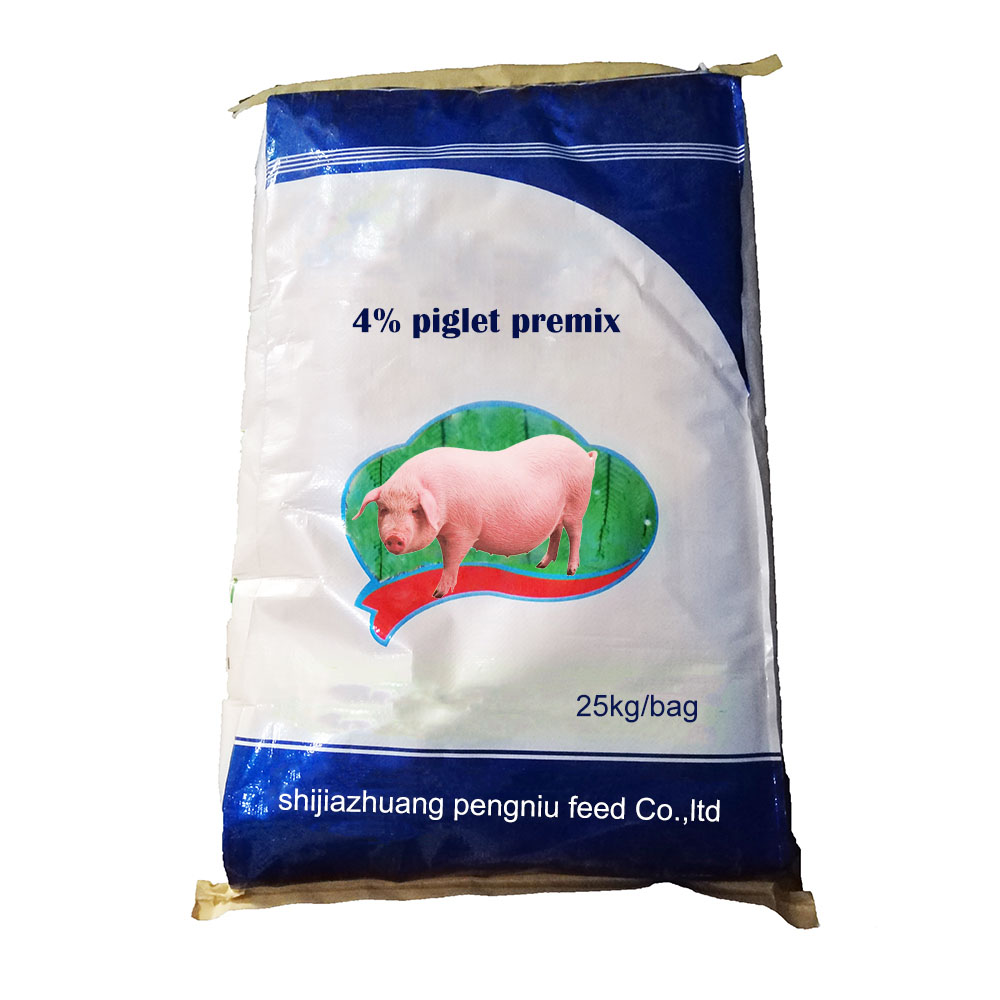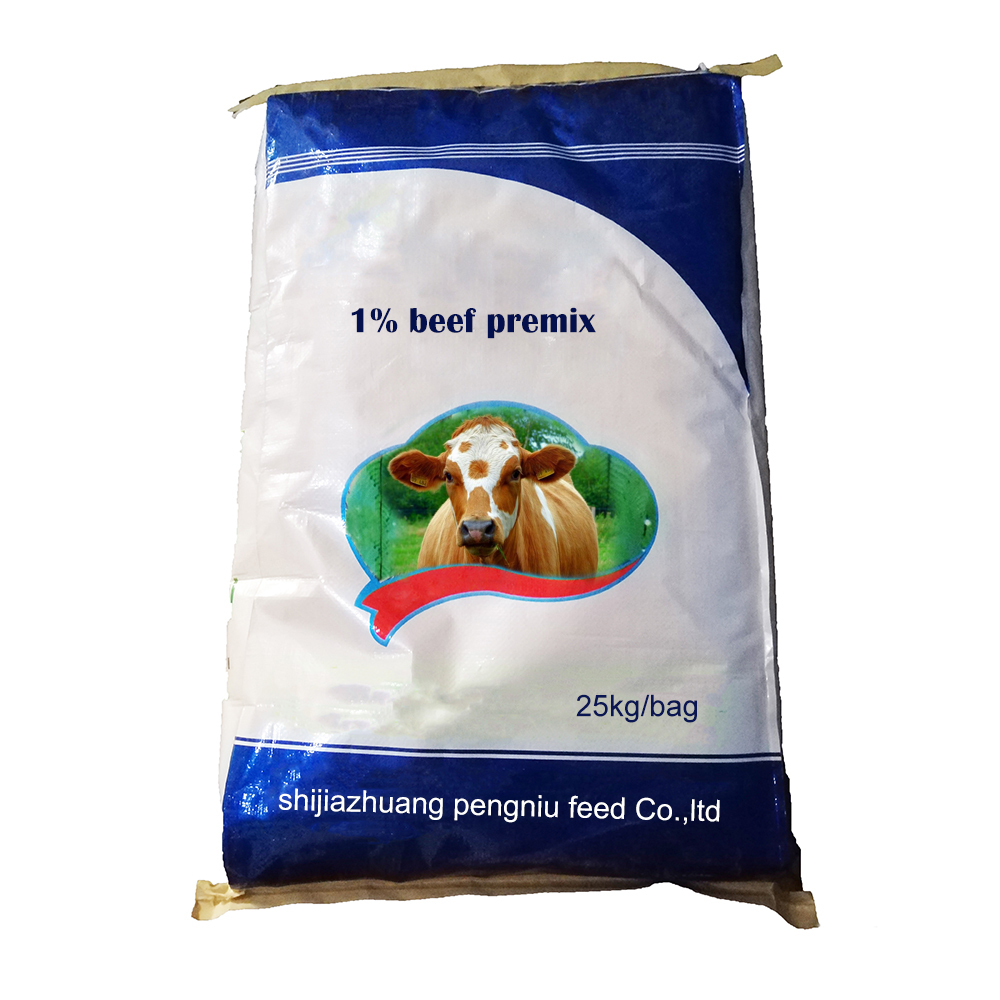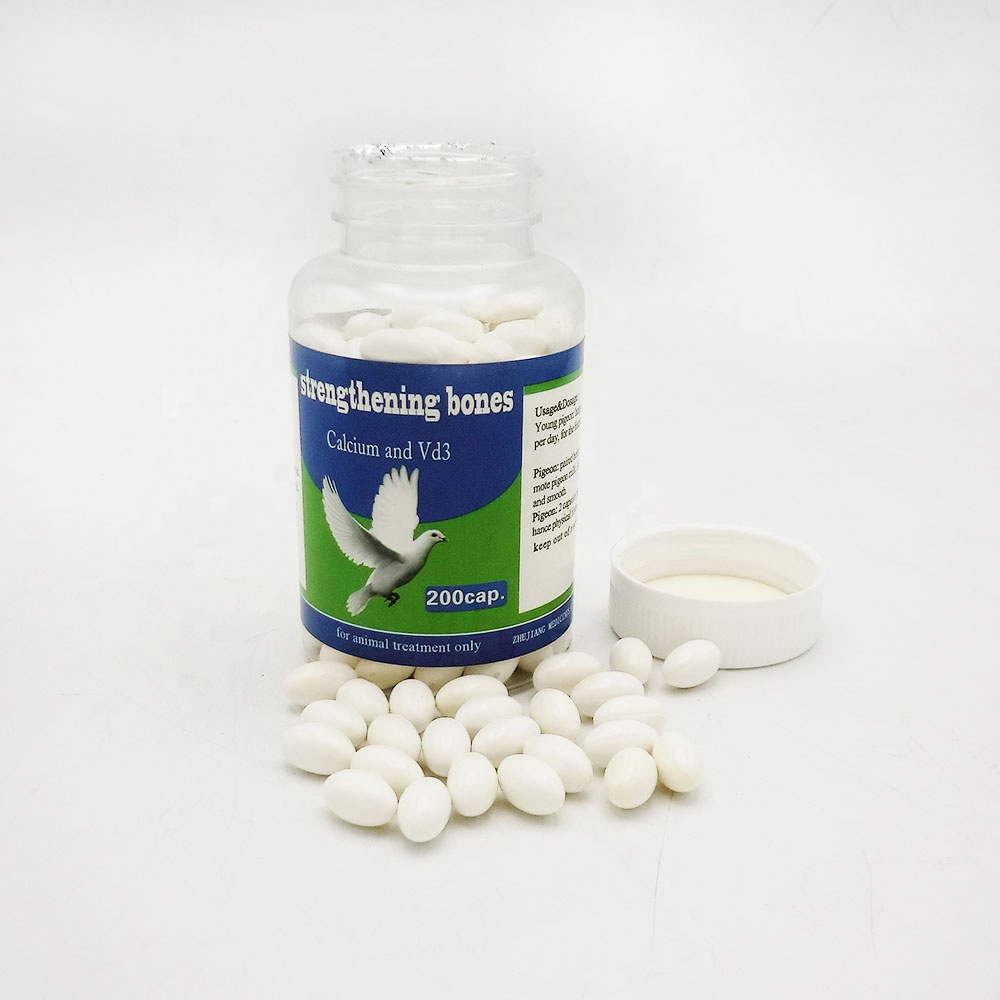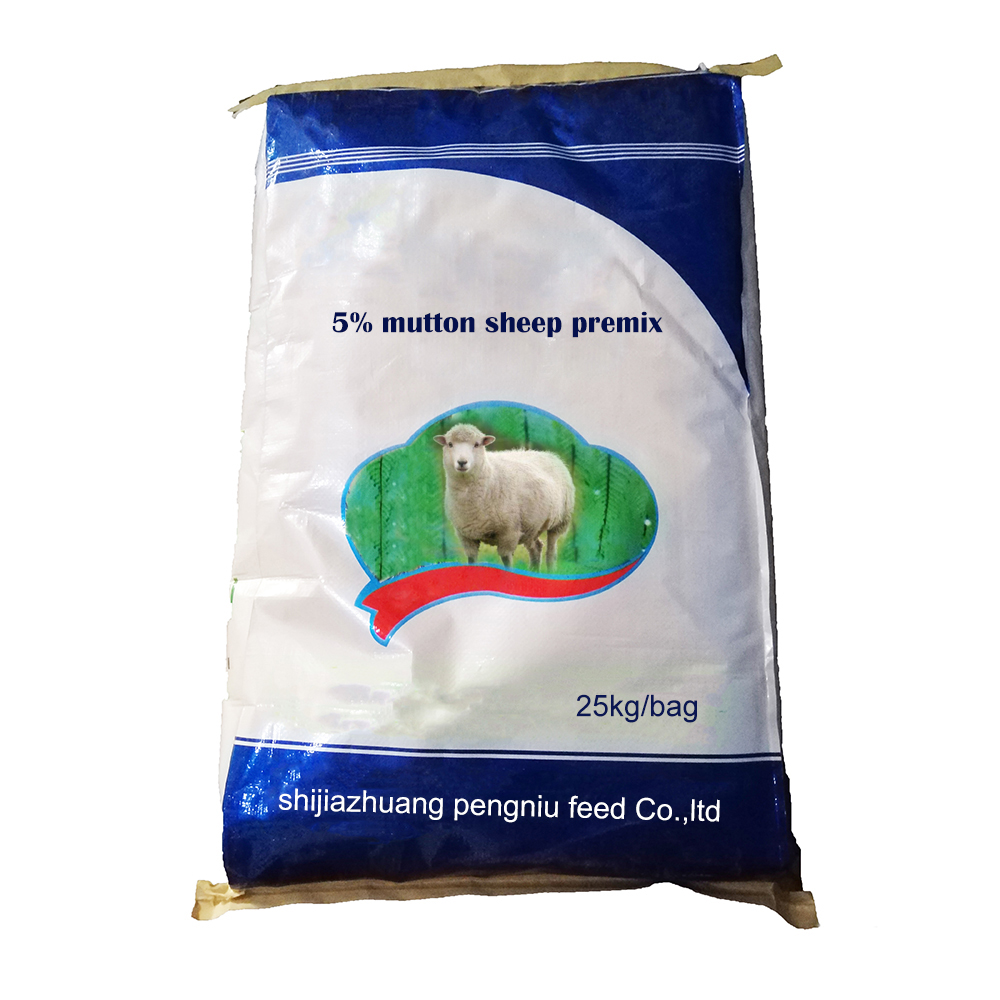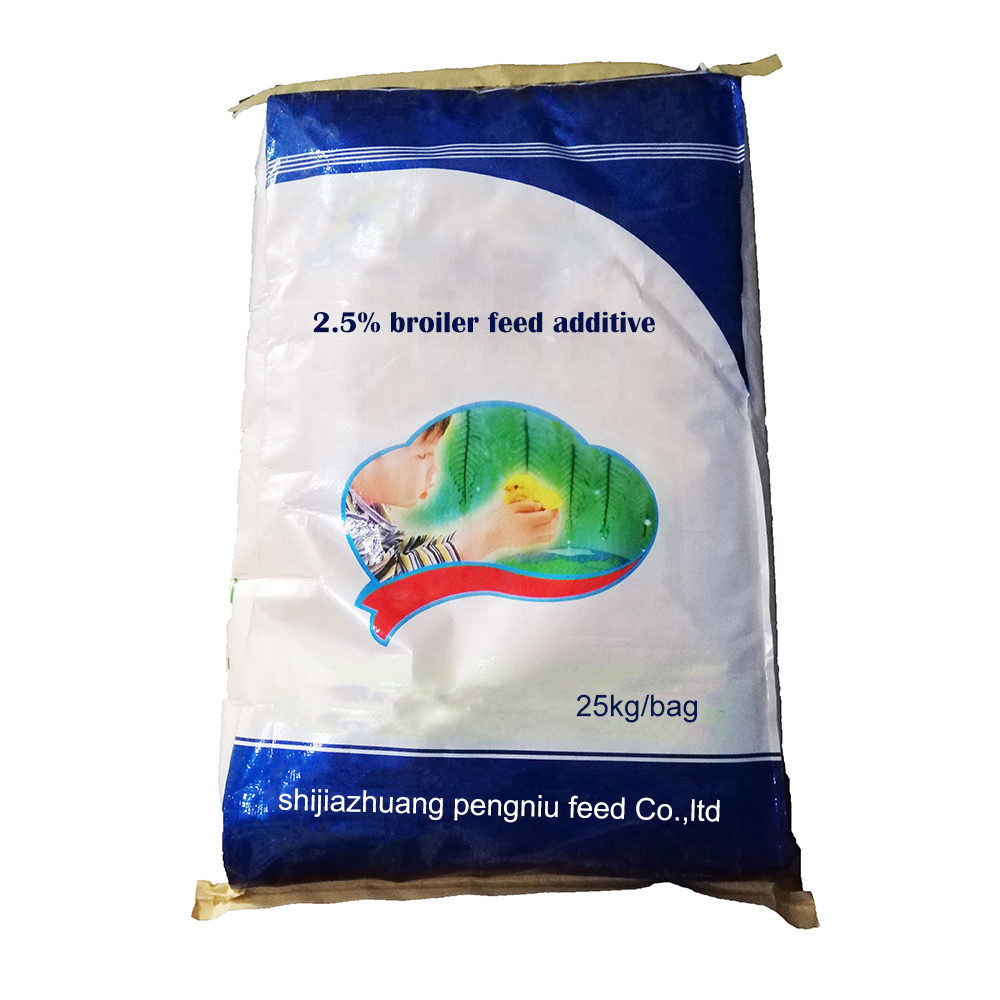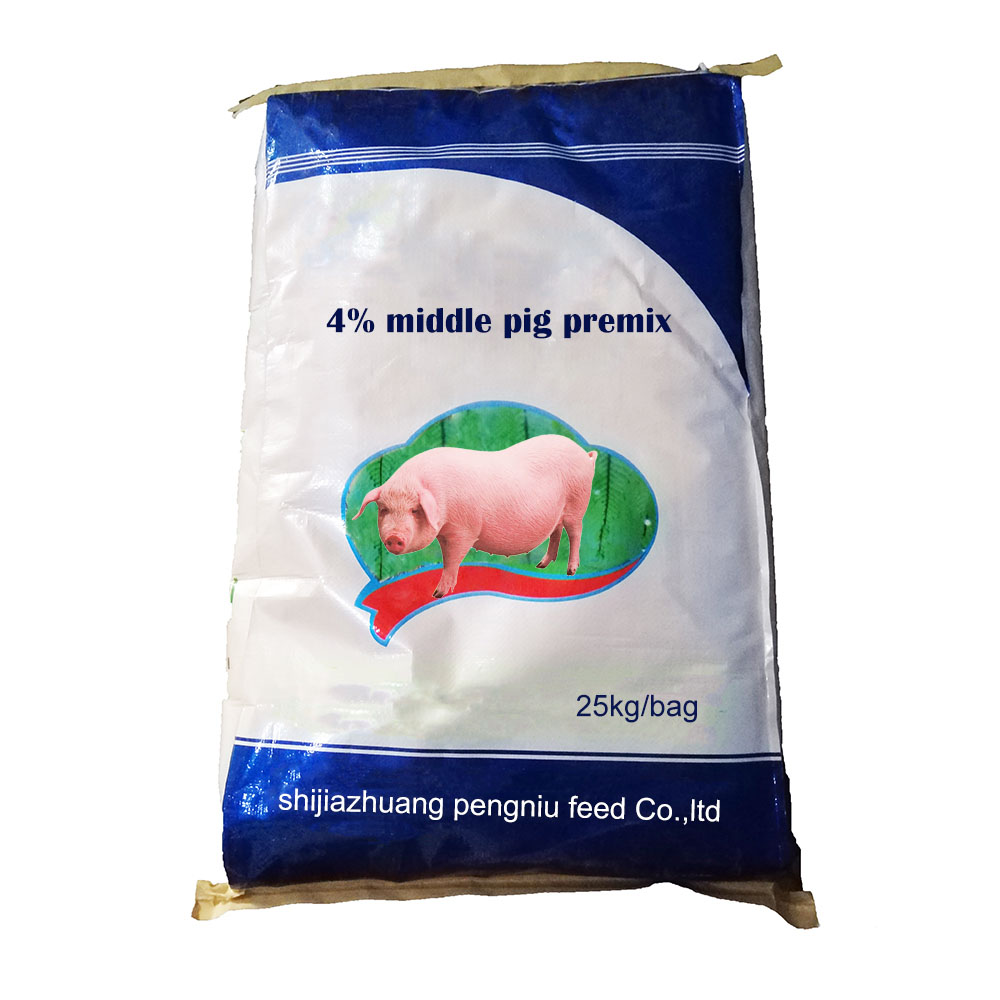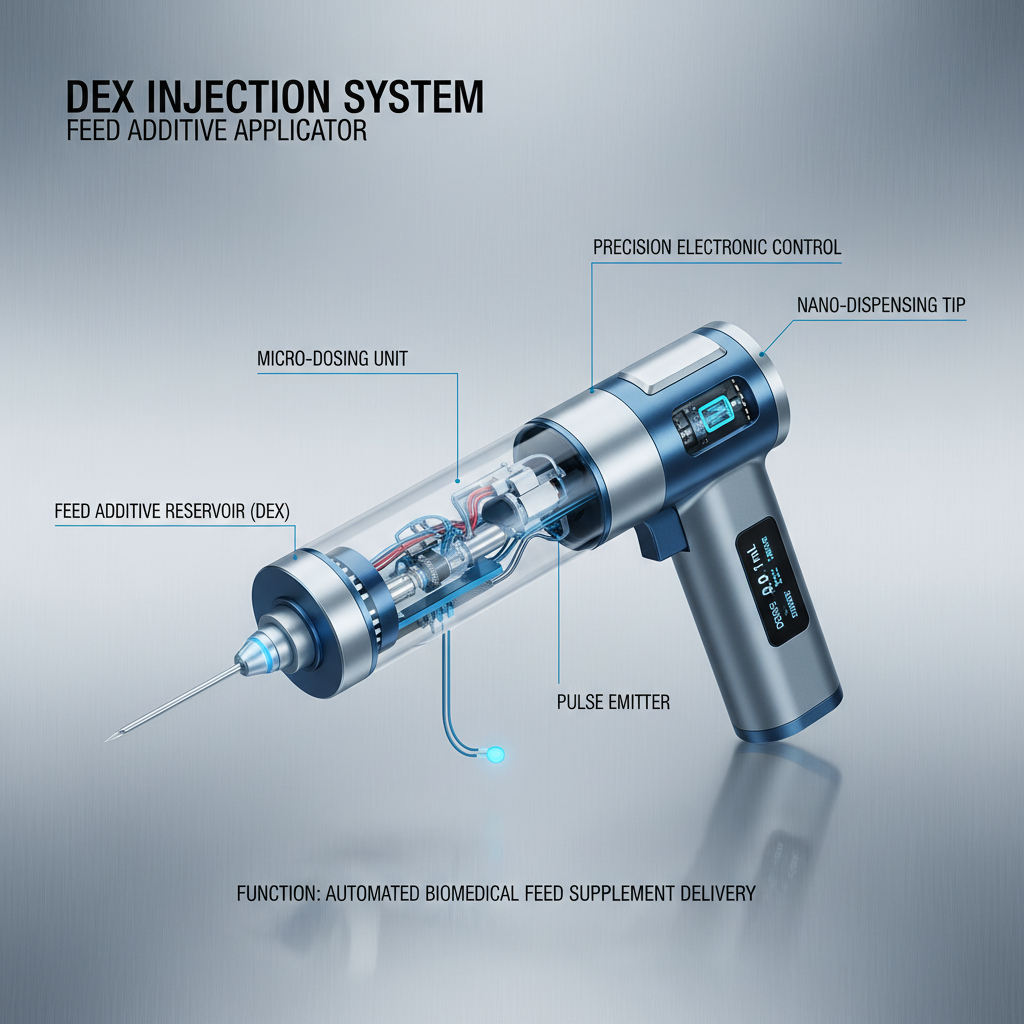
Feed premix, a concentrated blend of essential nutrients designed to be mixed into animal diets, serves as a critical component in ensuring balanced nutrition for livestock and poultry. Unlike complete feeds that contain all necessary nutrients, feed premix focuses on delivering specific, high-value ingredients—such as vitamins, minerals, amino acids, enzymes, and probiotics—that may be present in insufficient quantities in base feeds like corn or soybeans. By adding feed premix to the main diet in precise proportions, farmers can tailor nutrition to the unique needs of different animal species, ages, and production goals, whether it’s supporting growth in young animals, enhancing milk production in dairy cows, or improving egg quality in laying hens. Feed premix also simplifies the process of nutrient supplementation, as it eliminates the need to handle and mix multiple individual nutrients separately, reducing the risk of underdosing or overdosing and ensuring consistency across each batch of feed.
Feed premix market, driven by the global growth of the animal agriculture industry and increasing demand for high-quality animal products, has seen steady expansion in recent years
Factors such as rising consumer awareness of food safety—coupled with stricter regulations on animal nutrition and welfare—have pushed farmers to adopt more precise feeding practices, directly boosting the demand for specialized feed premix products. The market is characterized by a wide range of offerings, from general-purpose premixes suitable for multiple animal types to niche products tailored for specific species or production stages. Regional variations in the feed premix market reflect differences in livestock farming practices: for example, regions with large-scale poultry and swine operations tend to have higher demand for high-concentration feed premix, while areas focused on ruminant farming may prioritize premixes rich in fiber-digesting enzymes. Additionally, the shift toward sustainable agriculture has influenced the feed premix market, with an increasing number of products incorporating organic or plant-based ingredients to align with eco-friendly farming trends.
Feed premix powder, a common physical form of feed premix, offers practical advantages for storage, handling, and mixing in animal feed production
This powdery formulation is typically free-flowing, which allows it to blend uniformly with dry base feeds, ensuring that each particle of the final diet contains the correct amount of nutrients. Feed premix powder is often packaged in moisture-resistant bags to protect its nutrient integrity, as exposure to humidity can degrade sensitive ingredients like vitamins or probiotics. The particle size of feed premix powder is carefully controlled to match the size of the base feed particles, preventing segregation during transportation or mixing—a key factor in maintaining nutrient consistency. For small-scale farmers, feed premix powder is particularly convenient, as it can be easily measured and mixed with small batches of feed using basic equipment, making balanced nutrition accessible even for non-commercial operations.
Animal feed premix, encompassing formulations for all major livestock and poultry species, is tailored to address the distinct nutritional requirements of different animals
For poultry, animal feed premix often emphasizes calcium and vitamin D to support eggshell formation, while premixes for beef cattle may focus on energy-boosting amino acids and minerals to promote muscle growth. Aquatic animal feed premix, a specialized subset, includes ingredients like omega-3 fatty acids and trace minerals that support fish and shrimp health in aquaculture systems. The versatility of animal feed premix lies in its ability to adapt to varying production systems: it can be used in intensive confinement farming, free-range operations, or organic livestock production, with formulations adjusted to meet the specific standards of each system. By providing targeted nutrition, animal feed premix plays a vital role in improving animal health, reducing the risk of nutrient-deficiency diseases, and enhancing the overall productivity of animal agriculture.
Premix feed for pigs, a specialized category of animal feed premix, is developed to meet the changing nutritional needs of pigs at different growth stages
Starter-phase premix feed for pigs is rich in protein, lysine, and vitamins to support rapid muscle and skeletal development in piglets, while grower-phase premixes may include enzymes to improve the digestion of plant-based feeds and reduce feed conversion ratios. Finisher-phase premix feed for pigs often focuses on energy-dense ingredients to promote weight gain, while breeding sow premixes prioritize nutrients like folic acid and iron to support reproductive health and fetal development. Premix feed for pigs also addresses breed-specific traits: for example, premixes for fast-growing commercial pig breeds may have higher concentrations of amino acids to keep up with their rapid metabolism, while premixes for heritage breeds may be formulated to support their unique growth patterns. By using premix feed for pigs, farmers can optimize feed efficiency, reduce production costs, and ensure that pigs reach market weight or reproductive maturity in a healthy manner.
In summary, feed premix, as the core of targeted animal nutrition, along with its related forms and market dynamics—including the feed premix market, feed premix powder, animal feed premix, and premix feed for pigs—forms a comprehensive system that supports modern animal agriculture. Feed premix addresses the limitations of traditional feeding methods by delivering precise, concentrated nutrients, while its various formulations cater to the diverse needs of different animal species and production stages. The feed premix market continues to evolve in response to industry trends, and specialized products like premix feed for pigs demonstrate how tailored nutrition can enhance animal health and productivity. As the global demand for animal products grows, feed premix will remain a key tool in ensuring sustainable, efficient, and high-quality animal farming, contributing to the stability and growth of the global food supply chain.
Feed Premix FAQs
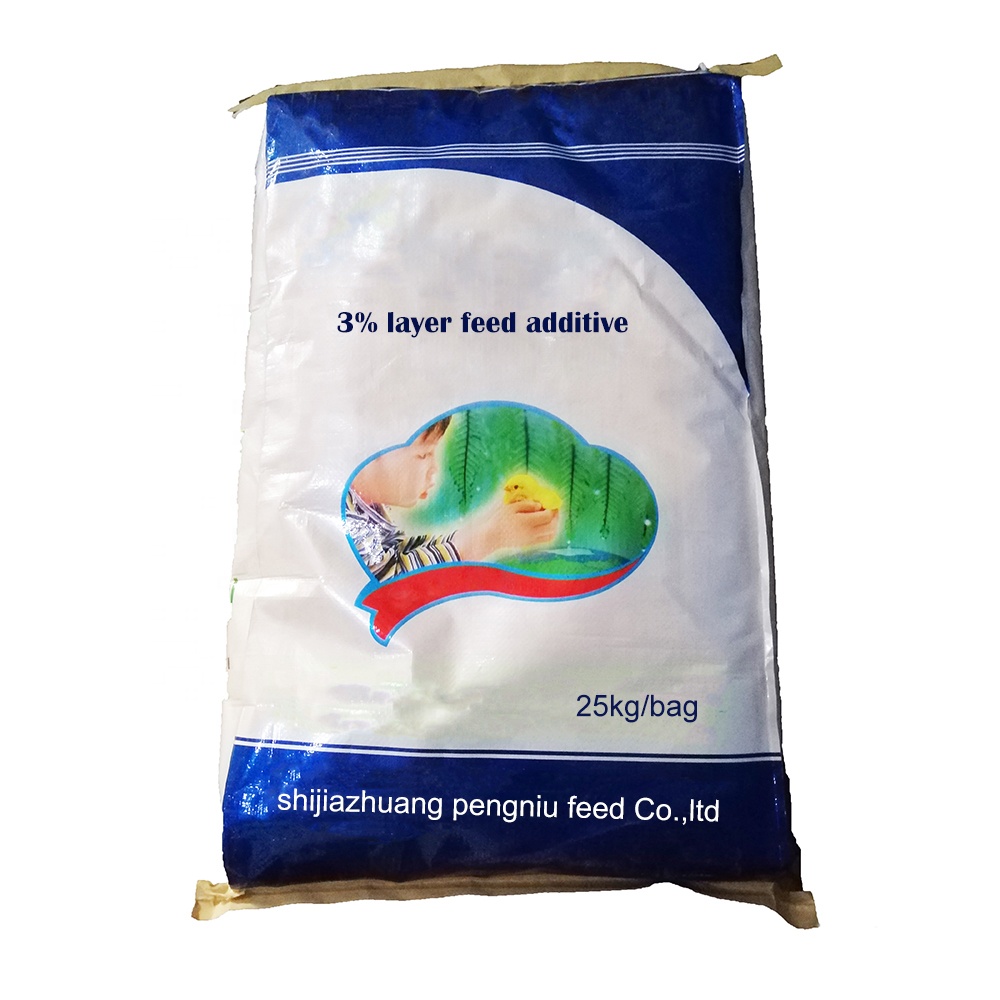
1. What are the key benefits of using this 3% starter layer feed premix for young pullets?
This starter layer feed premix significantly enhances early growth, supports robust skeletal development, and improves immune function in young laying hens. It ensures better nutrient absorption and flock uniformity during the critical starter phase.
2. How does the 3% starter layer feed premix contribute to bone health in chicks?
The premix contains optimized levels of calcium, phosphorus, and vitamin D3, which are essential for strong bone formation and prevention of developmental disorders in growing pullets.
3. Why is the 3% inclusion rate ideal for starter layer feed premix formulations?
A 3% inclusion rate allows for precise nutrient delivery without over-diluting the base diet, ensuring adequate intake of vitamins, minerals, and amino acids to support early growth and metabolic needs.
4. Can this starter layer feed premix help improve future egg production?
Yes, by promoting healthy development during the starter phase, this premix helps pullets achieve optimal body weight and frame size, leading to improved laying persistence and peak productivity in later stages.
5. What makes this starter layer feed premix suitable for modern poultry operations?
The premix is formulated with high-purity ingredients, ensuring consistent quality, ease of mixing, and compatibility with automated feeding systems, while supporting animal welfare and production efficiency.
Post time: September 1, 2025