Understanding Goat Concentrate: Why It’s Vital Worldwide
Goat concentrate might sound like industry jargon tossed around in farming circles, but its impact is vast—especially when you think globally. Essentially, this specialized feed plays a crucial role in improving goat health and productivity, which in turn supports millions of small-scale farmers and communities around the world. Considering that goats supply meat, milk, fiber, and more for billions, a deeper appreciation for goat concentrate’s nuances helps us understand how to boost food security, sustain livelihoods, and address rural poverty.
More than just supplemental feed, goat concentrates are a keystone in nutrition strategies aimed at improving animal resilience, growth rates, and reproductive success. In some developing regions, these concentrates are literally lifesavers—allowing herders to maintain healthy herds despite harsh environmental conditions or limited pasture.
The Global Context: Why Goat Concentrate Matters Today
Globally, goats provide nutrition and income for over 600 million people, many of whom live in dry, marginal lands where few other livestock can thrive (source: FAO). According to UN reports, improving livestock productivity is essential to meeting future food demands as population growth continues—especially in low-income countries. Yet, one of the biggest challenges remains consistent, high-quality animal nutrition.
Traditional grazing is increasingly unreliable due to climate change, desertification, and overuse of land. This is where goat concentrate steps in—offering a dense, balanced feed that ensures goats get critical nutrients unavailable through pasture alone. It also helps reduce dependence on natural forage, mitigating the pressure on fragile ecosystems.
In real terms, this means farmers can increase milk yields and growth rates by up to 30–40%, improving both income and food availability for their families. The challenge is making these concentrates affordable and accessible, especially in remote, resource-poor areas.
What Exactly Is Goat Concentrate?
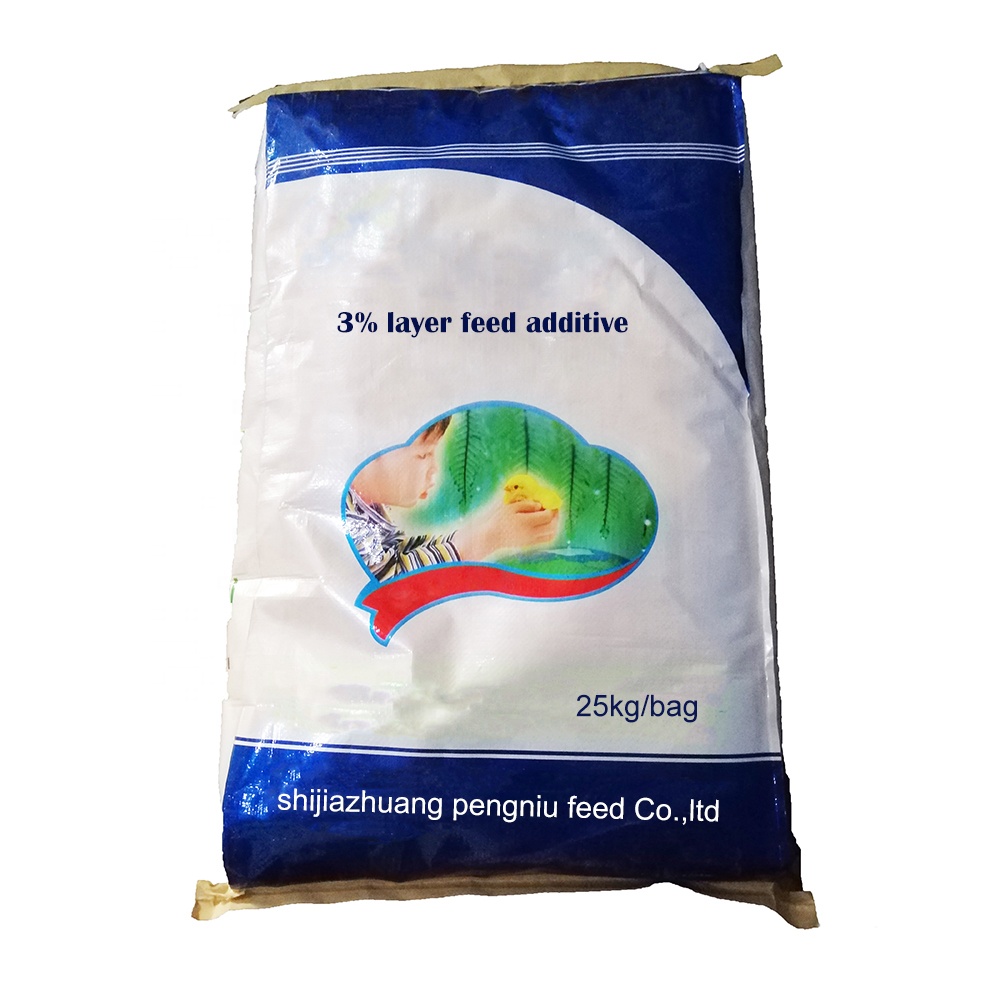
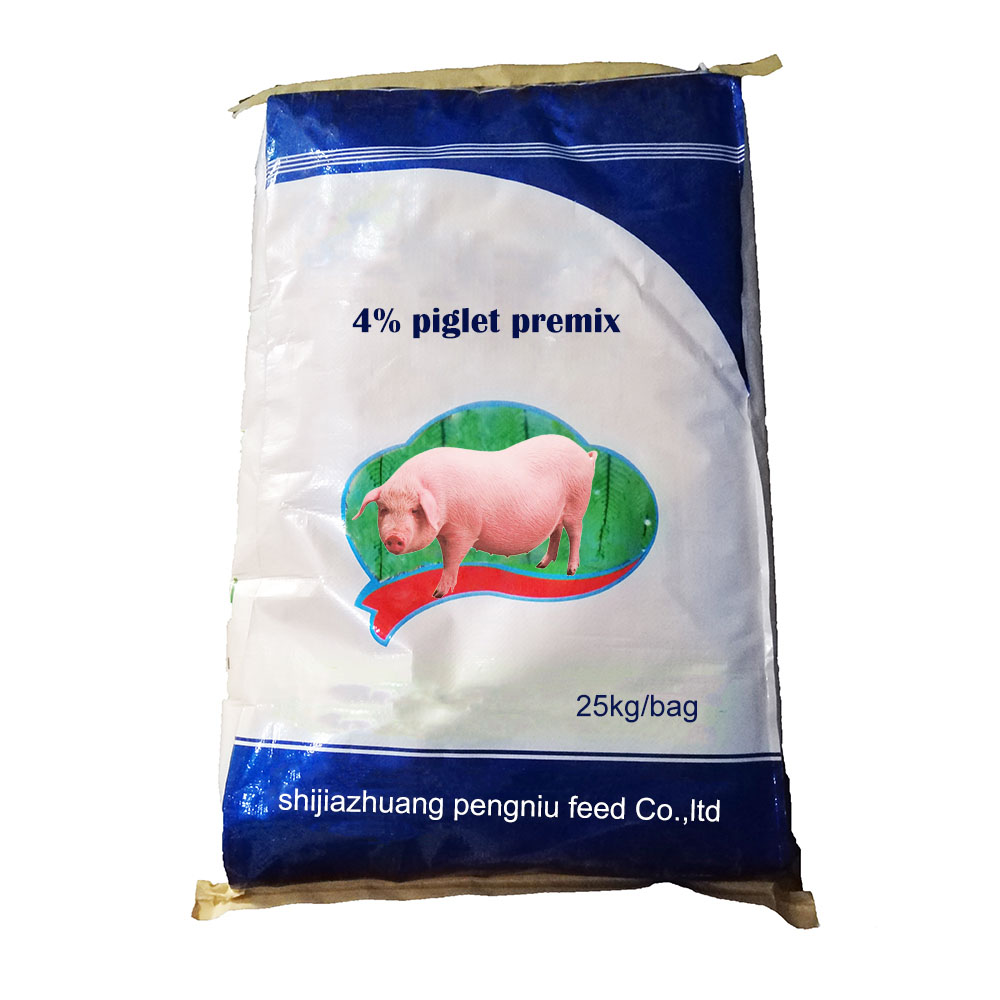
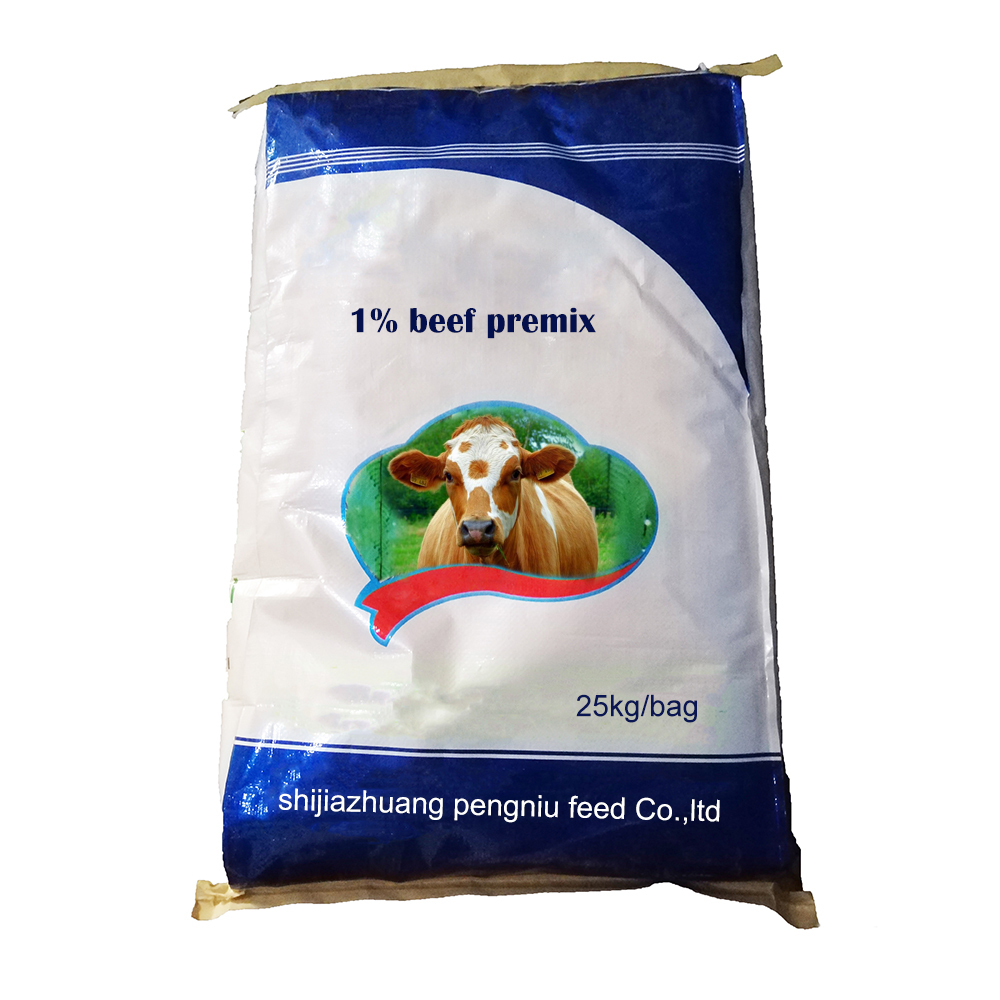
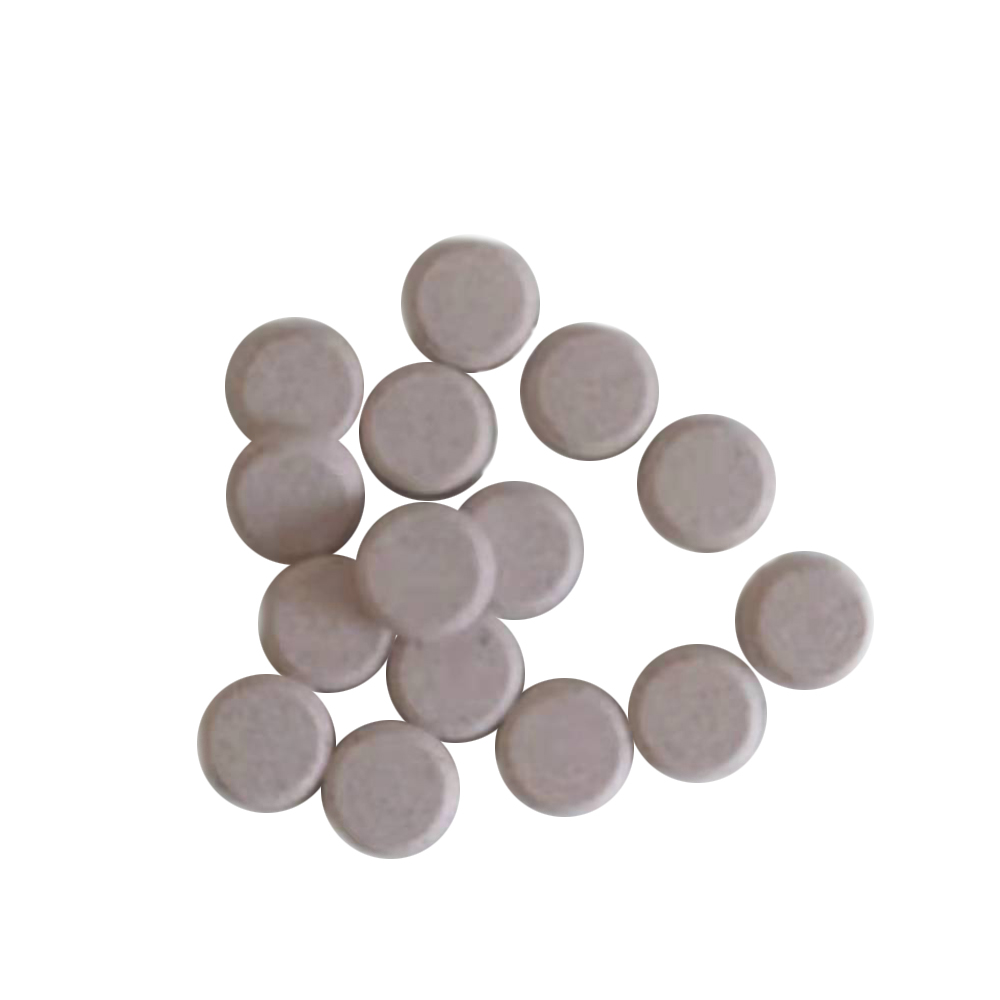
Put simply, goat concentrate is a specialized, nutrient-rich feed formulated to supplement a goat’s regular diet. It typically contains a mix of protein, energy (carbohydrates and fats), minerals, and vitamins tailored to meet goats’ dietary needs—for growth, milk production, or breeding.
Unlike roughage like grass or hay, concentrates are dense and digested quickly, providing a targeted nutrient boost. They fit neatly into modern livestock management, whether on commercial farms or smallholder operations, and align closely with goals for sustainability and animal welfare.
Humanitarian projects often incorporate goat concentrates when working to rebuild livelihoods after natural disasters; healthy goats mean a steady source of milk and income, helping restore community stability.
Core Components That Make Goat Concentrate Effective
1. Protein Content
Protein is arguably the most critical ingredient, supporting muscle growth and lactation. A typical concentrate will have 14–18% crude protein, sourced from ingredients like soybean meal, cottonseed, or maize gluten.
2. Energy Supply
Energy-dense components such as cereal grains (corn, barley) provide the fuel goats need for daily activity and production, ensuring efficient weight gain and milk output.
3. Mineral and Vitamin Blend
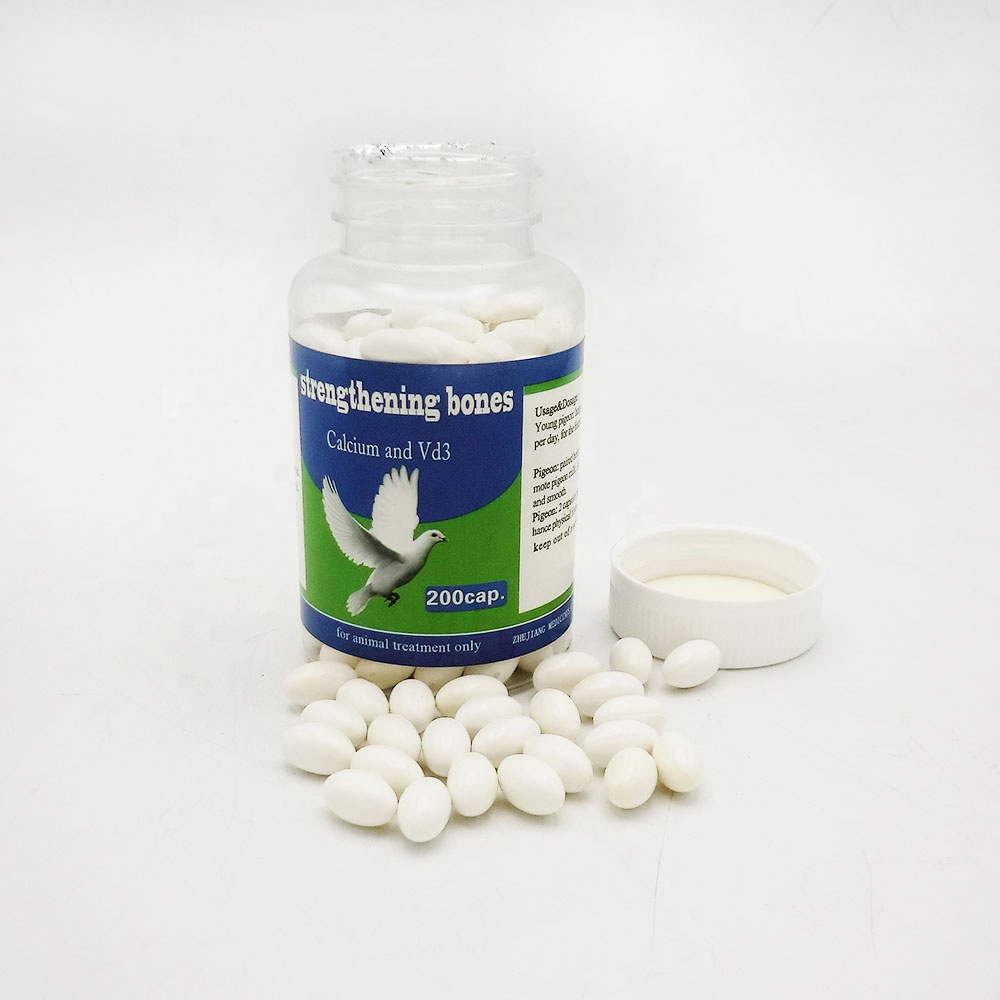
Balanced mineral mixes—particularly calcium, phosphorus, and trace elements like zinc and selenium—are essential for bone health, fertility, and immunity. Vitamins A, D, and E further boost overall wellbeing.
4. Palatability and Digestibility
Even the richest feed is useless if goats won’t eat it. Quality concentrates are formulated for good taste and easy digestion, often including molasses or oils to improve feed intake and nutrient absorption.
5. Anti-Mycotoxin and Preservation
To maintain feed quality, good concentrates include natural or synthetic preservatives and anti-toxin additives that prevent spoilage and keep animals healthy over longer feeding periods.
Where Is Goat Concentrate Making a Difference Around the World?
Goat concentrate has found applications across continents, from pastoralist communities in Africa’s Sahel to commercial dairy farms in India and household herds in Latin America.
- East Africa: NGOs utilize concentrates to boost milk yields during dry seasons, supporting nutrition programs for children.
- India: Integrated farm setups combine goat concentrate feeding with fodder cultivation to maximize productivity.
- Middle East: In arid zones, concentrates help maintain herd health amidst scarcity of natural forage.
- South America: Artisanal dairy operations leverage high-quality concentrate to improve cheese and yoghurt production.
In post-disaster relief scenarios, providing goat concentrate supplements speeds recovery by sustaining livestock when pastures are destroyed. It’s an adaptable tool, fitting both high-tech farms and traditional systems.
Advantages & Long-Term Value of Using Goat Concentrate
There’s a logical, economic case for these concentrates: higher milk yields increase farmers’ income, better herd health reduces veterinary costs, and improved weight gain promotes sales of meat. From a sustainability angle, concentrates mean less overgrazing and more efficient feed use.
On a human level, the emotional value can’t be overstated. The sense of dignity when a farmer’s animals are thriving, plus the security of steady nutrition for families, matters deeply. Also, supplying goats with reliable nutrition builds trust between suppliers and herders—long-term relationships that help rural communities weather economic or climate shocks.
| Specification | Typical Range | Unit |
|---|---|---|
| Crude Protein | 14 - 18 | % |
| Energy Content (Metabolizable Energy) | 10 - 12 | MJ/kg |
| Calcium | 0.6 - 1.0 | % |
| Phosphorus | 0.3 - 0.6 | % |
| Fiber Content | 8 - 12 | % |
| Moisture | 12 - 14 | % |
Future Trends Shaping Goat Concentrate Development
Now, looking forward — and this is where it gets really interesting — the industry is integrating sustainability and technology in clever ways. Think bioengineered feed ingredients that reduce methane emissions, or digital platforms helping farmers optimize feed rations based on individual goat genetics. Automated mixing and pelletizing improve consistency, while “green” concentrates use insect protein or algae to reduce ecological footprints.
Policies increasingly support sustainable livestock practices, pushing for concentrates to be both nourishing and environmentally smart. I so much appreciate when innovation aligns with the planet’s needs.
Common Challenges and Smart Solutions
It’s not all smooth sailing—there are issues to iron out. Cost barriers can make concentrates prohibitively expensive for small farmers. Supply chain disruptions affect availability, especially in remote places. Sometimes, poor quality or improper mixing reduces efficacy.
However, cooperative buying groups, local production initiatives, and training programs to improve feed management are making a difference. Advances in packaging to preserve freshness and nutritional value are also helping ensure that goat concentrate delivers on its promises.
| Vendor | Protein % Range | Sustainability Index | Price (per 50kg bag) | Distribution Regions |
|---|---|---|---|---|
| AgriBlend Feeds | 15 - 17 | 8.5/10 | $24 | Africa, Asia |
| NutriMax Solutions | 14 - 18 | 7.9/10 | $22 | Latin America, Southeast Asia |
| GreenPasture Feed Co. | 16 - 18 | 9.2/10 | $27 | Global |
Sustainability Index indicates vendor’s commitment to eco-friendly sourcing and packaging (scale 1–10).
FAQ: Common Questions About Goat Concentrate
Q1: What’s the best time of day to feed goats concentrate?
Generally, feeding concentrate twice daily—morning and evening—works well to balance energy supply and avoid digestive issues. Splitting the ration helps goats better digest the nutrients and reduces wastage.
Q2: Can goat concentrate replace natural grazing completely?
No, concentrates are supplements, not replacements. Goats require roughage for proper rumen function, so maintaining some forage or hay alongside concentrates is key for animal health.
Q3: How to store goat concentrate to keep it fresh?
Keep it sealed in a dry, cool place away from pests and moisture. Proper storage preserves nutrient quality and prevents mold or spoilage.
Q4: Are there organic options available for goat concentrate?
Yes, several suppliers offer organic-certified concentrates made from non-GMO ingredients, though they tend to cost more and may have limited availability.
Q5: How much concentrate should I feed per goat daily?
Amounts vary by age, weight, and production status, but an average adult milking goat might eat 200–400 grams of concentrate daily alongside forage.
In Conclusion: Why Invest in Goat Concentrate?
Goat concentrate isn’t just feed — it’s a powerful tool helping small farmers and commercial producers alike increase productivity, sustain herds, and improve lives. When we think about global food security, poverty alleviation, and sustainable agriculture, these nutrient-dense feeds play an outsized role.
If you want to dive deeper or see some trusted concentrate options up close, goat concentrate products and resources are just a few clicks away. After all, better goat nutrition means a stronger, healthier future for millions.
References:
1. Food and Agriculture Organization (FAO). "Goats and their role in the livelihood of small farmers." https://www.fao.org/goats/en
2. United Nations Development Programme. "Sustainable livestock development." https://www.undp.org
3. ISO 22000 - Food Safety Management Standards. https://www.iso.org
Post time: November 27, 2025