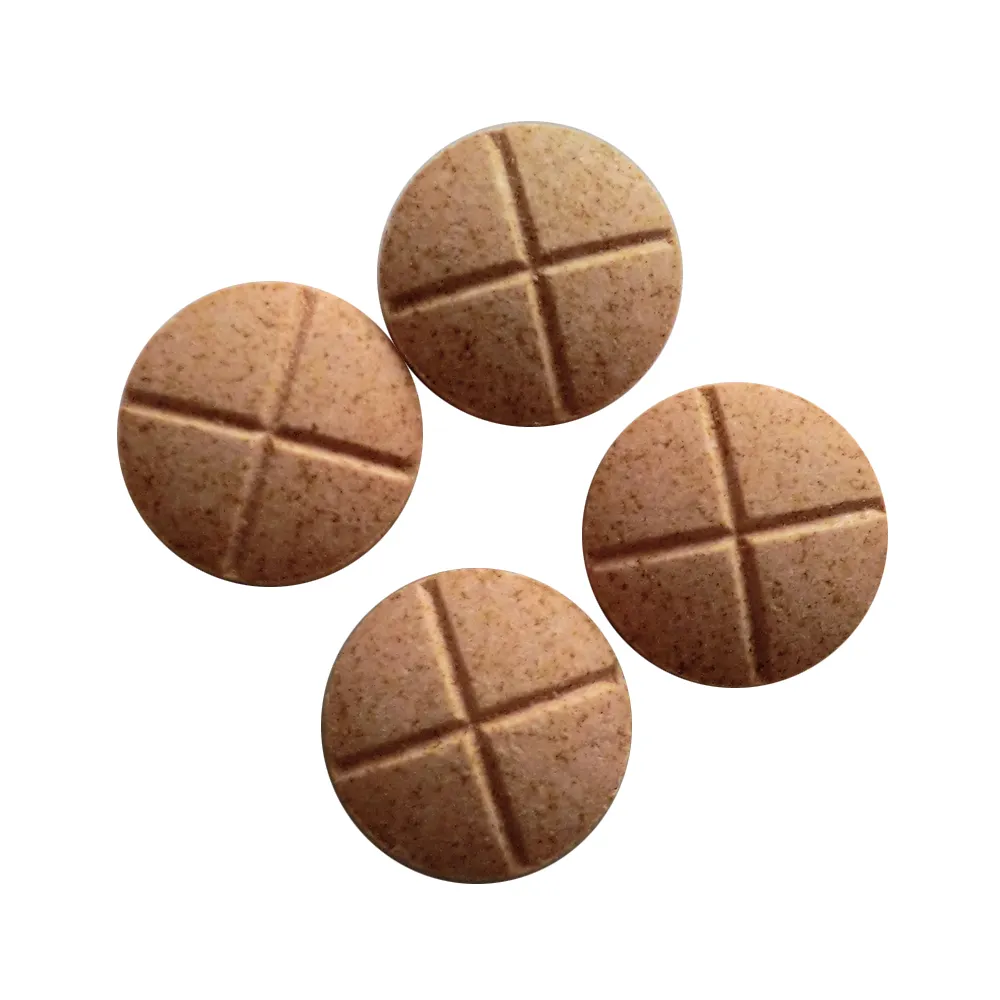
Understanding Feed Enzymes in Poultry Nutrition: Why They Matter Today
In an age when global food security and sustainable farming have become front and center in policy and research, the role of feed enzymes in poultry nutrition is increasingly important. These specialized proteins help break down feed components, making nutrients more accessible to birds, which not only improves productivity but also reduces environmental impact. If you work with poultry or care about how our food systems evolve, understanding this topic isn’t just academic — it’s a practical necessity with far-reaching benefits.
Global Perspective: Why Feed Enzymes Are Shaping Poultry Feeding Worldwide
Poultry production is a cornerstone of global protein availability, supplying nearly half of the world's meat consumption in some regions according to the FAO. However, feed costs make up about 60-70% of total production expenses, which is a major challenge, especially for developing countries. Enter feed enzymes — they enhance feed efficiency, reduce waste, and allow producers to use less expensive feed ingredients without compromising bird health or growth. According to ISO standards and research, such enzyme additives can increase nutrient digestibility by up to 10%, which is a game-changer in global poultry nutrition.
Yet, many farms still struggle with feed conversion ratios (FCR) due to poor feed digestibility. This is where feed enzymes provide an elegant, scalable solution.
What Are Feed Enzymes in Poultry Nutrition?
Simply put, feed enzymes are biological catalysts added to poultry feed to aid the breakdown of complex nutrients into simpler, absorbable forms. Sometimes, grains and plant-based feeds contain anti-nutritional factors or fibers that birds can't digest easily. Enzymes like phytase, xylanase, and beta-glucanase target these tough components, releasing vital phosphorus, energy, and amino acids.
In modern poultry farming, these enzymes align with sustainability goals—reducing the need for excessive mineral supplements and cutting down phosphorus excretion, which can cause environmental pollution. They’re a small addition to the feed but a big leap in efficiency and animal welfare.
Core Factors in Choosing and Using Feed Enzymes
1. Enzyme Specificity and Activity
The type of enzyme matters profoundly. For example, phytase targets phytic acid, unlocking bound phosphorus; meanwhile, carbohydrases break down non-starch polysaccharides in cereals. The activity level, measured in units, dictates how much enzyme is needed to work effectively in the poultry gut environment.
2. Stability and Durability During Feed Processing
Enzymes must withstand heat and pressure during feed pelletizing. Many modern enzymes are formulated to be thermostable so they remain active even after processing — a crucial consideration for feed millers.
3. Compatibility with Feed Ingredients
Depending on the feed composition—corn-soybean, wheat-based, or rice bran mixes—the enzyme blend must be customized. Oddly enough, a “one-size-fits-all” enzyme product rarely does the trick.
4. Cost Efficiency
Balancing enzyme dosage with ingredient costs is practical economics. Higher enzyme activity might mean less feed inputs overall, but at what price? Producers often evaluate return on investment by calculating improved weight gain and feed conversion ratio.
5. Regulatory and Safety Standards
Feed enzymes must comply with safety evaluations set by food authorities like EFSA or FDA. Also, they need to be free from harmful by-products and meet residue limits to protect consumers downstream.
How Feed Enzymes Are Used Across the Globe
In the Americas and Europe, feed enzymes are pretty standard practice, embedded into integrated poultry systems. Large producers use them to improve FCR and promote environmental stewardship. In Asia-Pacific, rising demand for poultry protein is pushing adoption rates, albeit at a slower pace in developing regions due to cost hurdles.
Take Southeast Asia, where rice bran and cassava are common feed ingredients, but they carry high fiber and anti-nutritional factors. Local feed mills increasingly add xylanase and phytase to boost nutrient uptake. Another example: in Africa, feed enzymes help smallholder farms optimize limited resources — especially in drought-prone areas where feed quality fluctuates.
| Enzyme Type | Targeted Nutrient | Typical Dosage (FTU/kg feed) | Common Feed Types |
|---|---|---|---|
| Phytase | Phosphorus | 500-1000 | Corn-soybean, wheat |
| Xylanase | Non-starch polysaccharides | 600-1200 | Wheat, barley, rice bran |
| Beta-glucanase | Beta-glucans | 500-1000 | Barley, oat-based diets |
The Tangible Benefits and Value of Feed Enzymes
The advantages, frankly, go beyond simple nutrient boost. Economically, they reduce feed costs by enabling cheaper ingredients to replace more expensive ones without losing growth performance. Environmentally, enzymes cut down phosphorus pollution by improving mineral absorption. Socially, better feed conversion can make poultry farming more viable in developing rural areas — supporting livelihoods and food sovereignty.
From an emotional standpoint, producers often report feeling “safer” investing in enzyme-supplemented feed because the results are consistent. It’s less of a gamble — you trust the product does what it claims. And innovation here is ongoing, keeping poultry nutrition at the forefront of agricultural technology.
Emerging Trends and Innovations in Feed Enzymes
Looking ahead, enzyme technology is melding with advancements in genomics and digital feed formulation. For instance, sensors and AI platforms can now analyze bird gut health and tailor enzyme blends in real-time. Green energy-optimized production and encapsulation technologies are also making enzyme products more sustainable and efficient.
Policy shifts encouraging reduced antibiotic use in poultry nutrition are driving demand for enzyme solutions as part of a broader move to natural, safe growth promotors. Also interesting: research into multi-enzyme cocktails that combine diverse activities for broader feed adaptability shows promise.
Common Challenges and How Industry Experts Address Them
- Challenge: Enzyme degradation during feed processing can limit effectiveness.
Solution: Development of heat-stable enzyme variants and microencapsulation protect activity. - Challenge: Varied feed ingredient quality complicates enzyme dosing.
Solution: Customized enzyme blends and precision feeding based on ingredient analysis. - Challenge: Cost concerns limit uptake among smallholders.
Solution: Low-dose high-activity products and cooperative purchasing models help reduce costs.
Frequently Asked Questions About Feed Enzymes in Poultry Nutrition
Q1: How do feed enzymes improve nutrient absorption in poultry?
A1: Feed enzymes specifically break down compounds like phytate or fiber in feed ingredients that birds cannot digest efficiently. This releases trapped nutrients such as phosphorus, energy, and amino acids, making them available for absorption and utilization, ultimately improving growth and feed efficiency.
Q2: Can feed enzymes replace all mineral supplements in poultry diets?
A2: Not entirely. While enzymes like phytase reduce the need for inorganic phosphorus supplements by releasing bound phosphorus, complete replacement depends on the diet’s composition and nutrient requirements. Enzymes work best as part of a balanced nutrition strategy.
Q3: Are there environmental benefits to using feed enzymes?
A3: Yes. Improved nutrient digestibility reduces nutrient excretion into the environment, especially phosphorus, thus lowering the risk of water pollution and eutrophication, which are significant environmental concerns in intensive poultry farming.
Q4: How do I choose the best feed enzyme product for my poultry feed?
A4: Consider the enzyme’s activity profile relative to your feed ingredients, its stability during feed processing, the recommended dosage, and your budget. Consulting with a nutritionist and reviewing product certifications also helps.
Q5: Do feed enzymes affect poultry health beyond nutrition?
A5: Indirectly, yes. By improving digestion and nutrient absorption, enzymes support gut health and immune function. This can reduce susceptibility to some diseases and enhance overall bird welfare.
Conclusion and Next Steps: Harnessing Feed Enzymes for a Sustainable Poultry Future
Feed enzymes in poultry nutrition are no longer just niche additives but key tools that marry economics, sustainability, and animal welfare. They are quietly revolutionizing how poultry producers feed birds across diverse geographies, meeting global protein needs while respecting natural resources.
If you want to explore enzyme solutions tailored to your operation or gain further insights into enhancing poultry nutrition, I recommend checking out feed enzymes in poultry nutrition. With well-informed choices, the future of poultry feeding looks both efficient and green.
| Vendor | Product Range | Heat Stability | Pricing | Global Reach |
|---|---|---|---|---|
| EnzAgro Solutions | Phytase, xylanase blends | High | Mid-range | Worldwide |
| NutriFeed Enzymes | Carbohydrases, proteases | Medium | Premium | North America, Europe |
| Global Enzyme Corp | Multi-enzyme cocktails | Very High | Competitive | Asia, Africa |
Post time: November 27, 2025