Understanding Hog Concentrate: Why It Matters More Than You Think
Let’s start with the basics. Hog concentrate isn’t just some farm buzzword tossed around by livestock farmers. It’s actually a vital feed product, packed with nutrients designed specifically to turbocharge the growth and health of hogs—your staple protein in many diets worldwide. Understanding hog concentrate gives insights not only into better animal husbandry but also global food security challenges and sustainable agriculture initiatives. Why should we care globally? Because pork is the world’s third most consumed meat, and feed efficiency directly impacts supply chains, economic stability, and even environmental footprints.
So yeah, learning the ins and outs of hog concentrate connects to bigger pictures—feeding populations, supporting farmers, and curbing waste. That’s why it deserves a spot in the conversation.
Global Context: How Hog Concentrate Plays Into Worldwide Food Production
On a global scale, pork production accounted for roughly 36% of total meat consumption in 2022 according to FAO data. Yet, the challenge isn’t just about raising hogs—it’s about how efficiently and nutritiously we feed them. This is where hog concentrate comes in.
Modern industry demands feed products that boost growth rates without compromising animal health, while meeting sustainability goals. There’s a delicate balance: overfeeding or poor nutrient profiles lead to waste, pollution, or unhealthy livestock, negatively impacting communities and ecosystems. For instance, in Southeast Asia or Eastern Europe, smallholder farmers rely heavily on affordable, nutrient-rich concentrates to stay profitable and competitive.
Ironically, with rising feed costs and climate pressures, hog concentrate is becoming both a financial and environmental balancing act: how do you feed animals well without hurting the planet?
What Exactly Is Hog Concentrate?
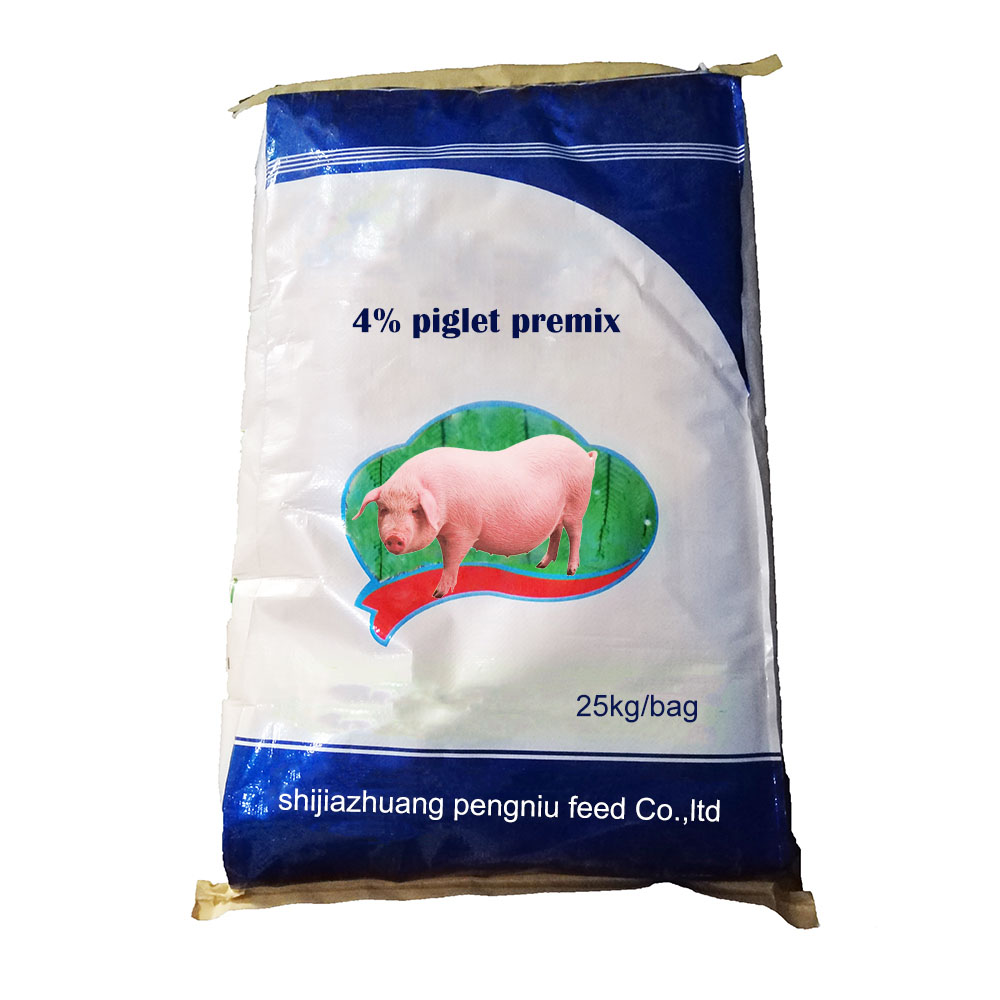
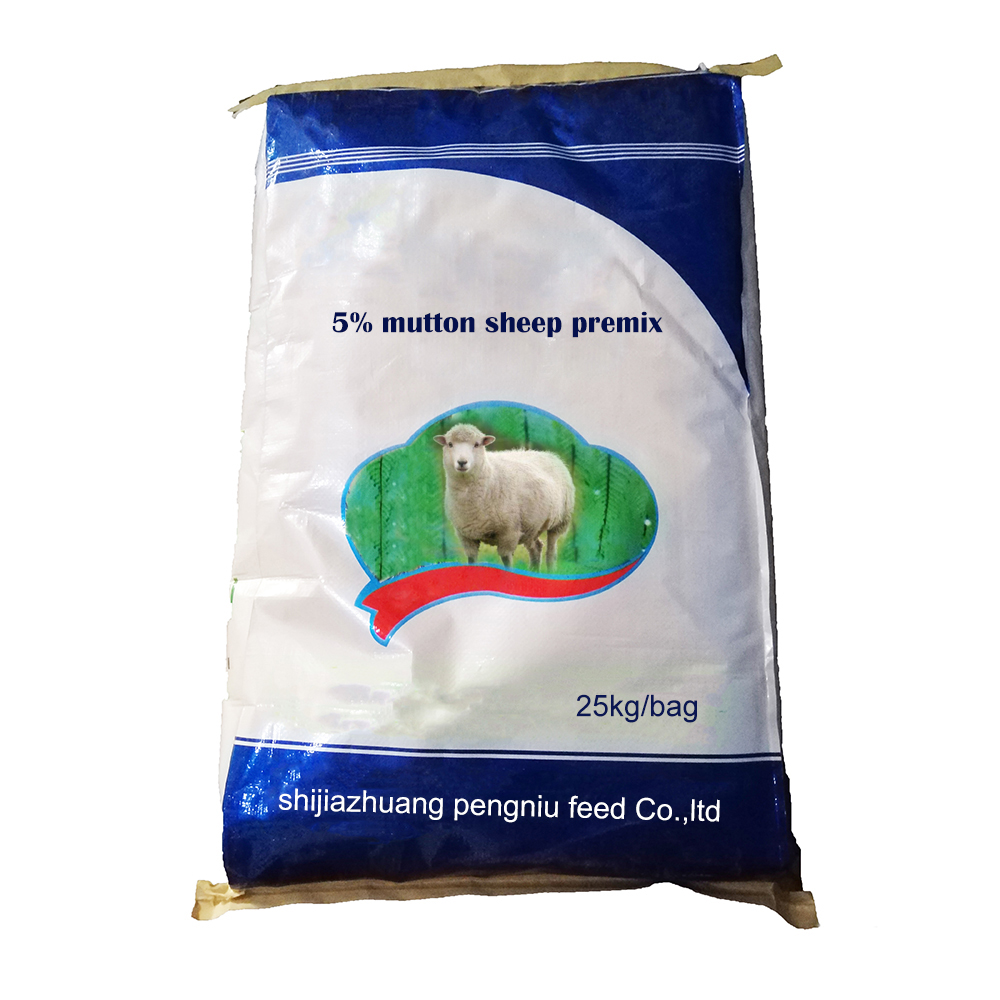
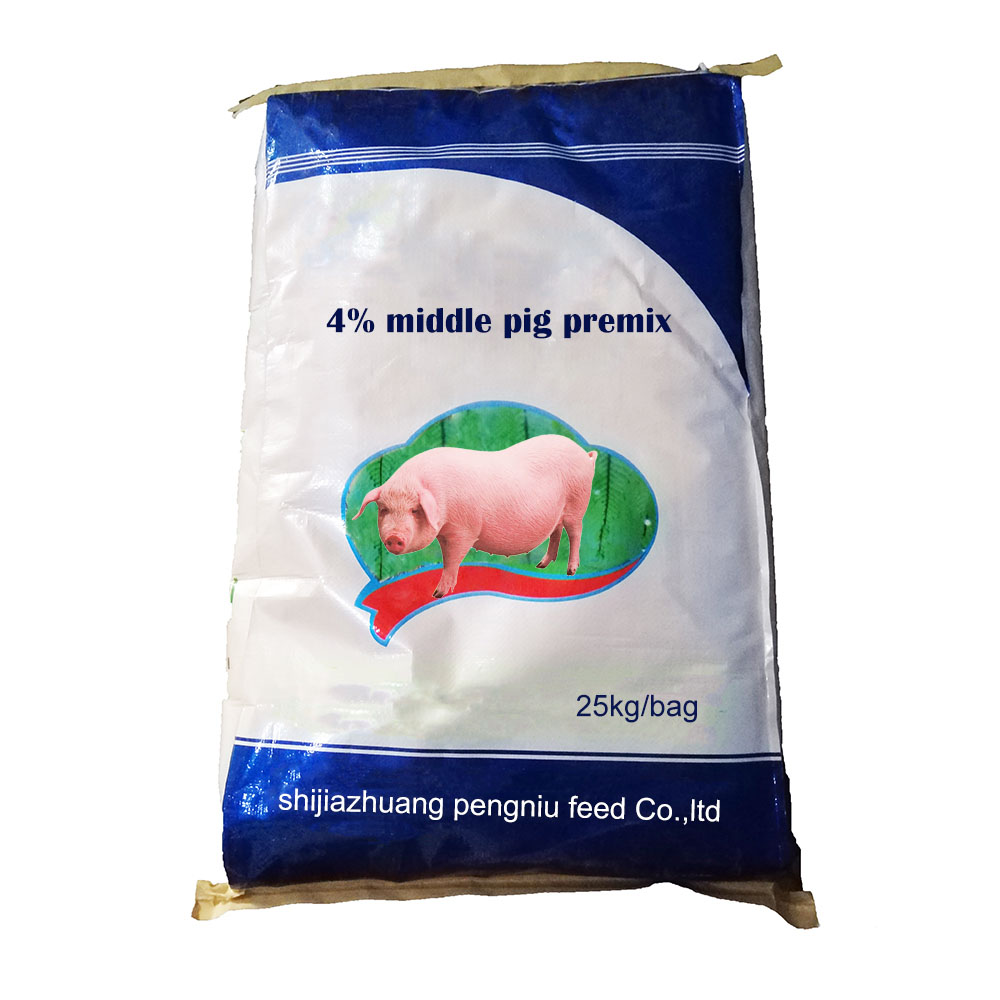
Simply put, hog concentrate is a processed feed blend designed to provide pigs with their essential nutrients — protein, energy, vitamins, and minerals — in a compact, easy-to-digest form. Unlike raw feedstuffs like corn or soybean meal alone, concentrates are formulated to meet precise dietary requirements and improve feed conversion ratios.
This product is the backbone of modern pig farming methods because it assures farmers consistent results. It ties directly into industrial-scale supply chains and even humanitarian food programs aiming to improve protein availability in vulnerable regions.
Key Components of Hog Concentrate
- Protein Sources: Usually soybean meal, fish meal, or sometimes insect protein for cutting-edge blends.
- Energy Ingredients: Corn, wheat, or barley form the calorie base.
- Vitamins & Minerals: Fortified to support immunity, bone development, and growth.
- Additives: Probiotics or enzymes to optimize digestion.
Core Attributes to Consider in Hog Concentrate Products
1. Nutrient Density
More than volume, what counts is how packed the concentrate is with usable nutrients. High nutrient density means pigs gain weight faster with less feed – essential in high-demand livestock systems.
2. Digestibility
Even the best ingredients are wasted if pigs can’t digest them well. Manufacturers focus on maximizing digestibility using enzymes or fermentation techniques.
3. Cost Efficiency
Prices fluctuate due to raw material availability and geopolitics; hog concentrate must balance premium nutrition with affordability - especially for smaller farms.
4. Sustainability
Using eco-friendly ingredients like by-products, insect proteins, or reduced carbon footprints is increasingly key for producers and buyers alike.
5. Consistency
Farmers can’t afford surprises. Stable nutrient composition batch-to-batch means predictable animal growth and business planning.
6. Scalability
Can the concentrate formula and production scale from smallholder farms up to intensive industrial operations? Flexibility matters.
Global Applications & Real-World Use Cases
Hog concentrate is everywhere pigs are raised, but its impact shows up particularly in regions pushing their pig industries forward:
- China and Southeast Asia: With the largest pork consumption worldwide, feed companies constantly innovate concentrates to optimize for local grains and protein sources.
- Europe: Here, sustainability rules — many EU producers prefer organic or GMO-free concentrate blends.
- Sub-Saharan Africa: Small-scale farmers rely on affordable concentrate mixes to supplement limited local feed.
- Post-Disaster Relief: In regions suffering food insecurity, NGOs use fast-deployable hog concentrate formulations to revive local pig herds, restoring livelihoods quickly.
Oddly enough, in industrial farming hubs and remote farms alike, optimized hog concentrates serve as a quiet backbone of a stable food supply — kind of humbling how such a simple product holds so much weight.
Advantages and Long-Term Value
Investing in quality hog concentrate pays off:
- Improved Growth Rates: Better feed means pigs reach market size sooner, reducing costs.
- Healthier Animals: Balanced nutrients minimize disease risk, reducing veterinary bills and losses.
- Environmental Benefits: Efficient feed reduces waste and nutrient runoff, lowering farms’ ecological impact.
- Economic Stability: Reliable feed supplies help farmers plan for the future confidently.
- Social Impact: At scale, better feeding means food security and livelihoods for rural communities.
In short, the benefits aren’t just business metrics – they’re about safety, dignity, trust in the food system, and innovation that respects nature.
Product Specification Table: Typical Hog Concentrate
| Specification | Typical Value |
|---|---|
| Crude Protein | 18–22% |
| Metabolizable Energy | 3,200–3,400 kcal/kg |
| Calcium | 0.7–1.0% |
| Phosphorus | 0.4–0.6% |
| Moisture | 12–14% |
| Fiber | 3–5% |
Vendor Comparison: Leading Hog Concentrate Suppliers
| Vendor | Nutrient Range (%) | Price per Ton | Sustainability Features | Global Reach |
|---|---|---|---|---|
| AgriFeed Pro | 18–20% Protein | $320 | Uses insect protein & reduced carbon footprint | Asia, Europe, Americas |
| NutriPig Solutions | 20–22% Protein | $340 | Non-GMO certification, organic ingredients | Europe, North America |
| FarmStrong Feeds | 18–19% Protein | $300 | By-product recycling from breweries | Africa, Latin America |
Emerging Trends and Innovations in Hog Concentrate
Looking ahead, hog concentrate is evolving rapidly. Green energy is influencing production plants, reducing their carbon footprint. Digital technology helps with precise formulation analytics and traceability – farmers know exactly what each batch contains. Automation is cutting costs while increasing consistency, taming one of the industry’s oldest headaches.
Plus, there’s exciting research into alternative proteins like algae or insect meal, offering a more sustainable and less land-intensive ingredient source. Feed additives now also focus on gut health and reducing antibiotics use – all key for both animal welfare and human health.
Challenges and How Industry Leaders Are Solving Them
Despite the advances, hog concentrate usage comes with hurdles:
- Raw Material Volatility: Prices and availability swing wildly, causing uncertainty. Solution? Diversified ingredient sourcing and spot contract hedging.
- Quality Control: Inconsistent batches can undermine results. Robust testing labs and continuous improvement systems help mitigate this.
- Environmental Concerns: Feed production impact still significant. Innovations in waste valorization and carbon credits are stepping in.
Experts point out that embracing transparency between feed producers, farmers, and regulators is key. Some companies also partner with research universities to stay at the cutting edge.
FAQ: Common Questions About Hog Concentrate
- Q: What makes hog concentrate better than traditional feed mixtures?
A: It’s all about nutrient precision and digestibility. Concentrates ensure pigs get balanced protein, energy, and vitamins needed for optimal growth — unlike raw ingredients alone that can be inconsistent. - Q: How long can hog concentrate be stored without losing quality?
A: Typically, 3–6 months in cool, dry conditions. Proper packaging and storage prevent moisture and oxidation, preserving nutrient integrity. - Q: Is hog concentrate suitable for all pig growth stages?
A: Formulations differ by stages (starter, grower, finisher). Using stage-appropriate concentrate maximizes feed conversion and health benefits. - Q: Can NGOs import hog concentrate internationally for relief programs?
A: Yes, but they must navigate import regulations, customs clearance, and ensure supply chain security. Many vendors assist with export documentation and logistics.
Wrap-Up: Why Hog Concentrate Deserves Your Attention
At first glance, hog concentrate might seem like another agricultural input — but its role is monumental. It’s the nutritional foundation that bolsters food security, safeguards farmer livelihoods, and supports sustainable practices worldwide. Whether you’re a pig farmer, agribusiness professional, or part of a food policy group, understanding and trusting the quality of hog concentrate is critical.
Curious to learn more or explore premium hog concentrate options? Visit our website: https://www.rcpetfood.com to see how we can support your next farming cycle or project — because feeding the future is never a small thing.
Post time: November 27, 2025