Cold Cure: practical, tested herbs for poultry programs that farms actually use
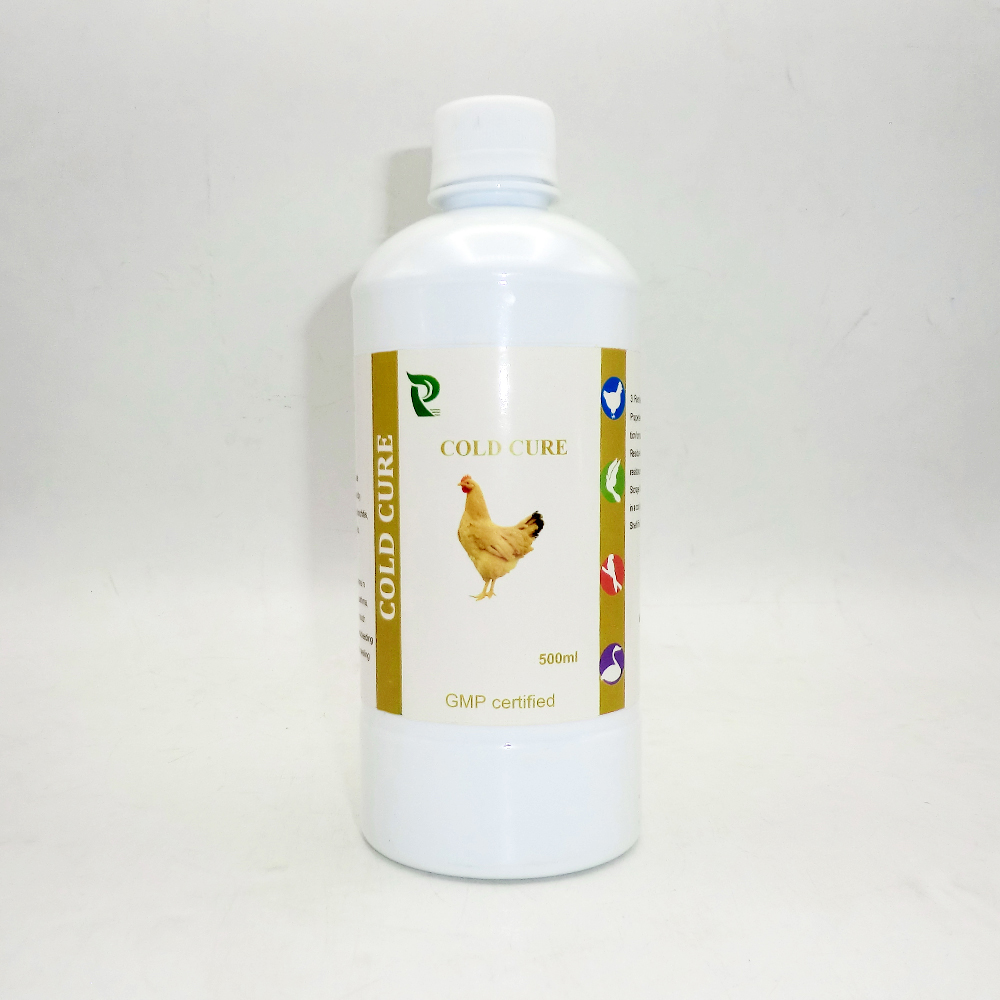
I’ve spent enough time in broiler houses to know this: drafts, damp litter, and a cold snap will reveal every weakness in your health program. That’s why “natural” isn’t a fad here; it’s risk management. Cold Cure is a traditional blend (ginger, aconite, roasted licorice, astragalus, rice wine, epimedium) that producers reach for when they want a warm-up effect and steadier barn comfort. To be honest, it’s the consistency across batches that caught my eye first.
Industry trend check
Antibiotic reduction is no longer a headline; it’s policy. Integrators and independent growers are shifting to botanical adjuncts, thermal management, and waterline hygiene. In fact, demand for herbs for poultry with clear QC and residue testing is climbing, especially among organic and ABF programs. Buyers ask for verifiable specs now, not folk wisdom.
Cold Cure — technical snapshot
| Form / Carrier | Fine powder, food-grade carrier; water-dispersible |
| Key botanicals (≈ ratio) | Ginger, Aconite (processed), Roasted licorice, Astragalus, Epimedium; rice wine-assisted extraction |
| Target species | Broilers, layers, breeders; turkeys in trials |
| Inclusion (guideline) | Feed: 200–400 g/ton; Water: 0.5–1 g/L for 3–5 days (real-world use may vary) |
| Shelf life | 24 months sealed; after mixing in feed ≈30 days; in solution ≈24 hours |
| Testing & standards | Microbiology (TAMC, TYMC), heavy metals (ICP-MS), pesticide residues (GB 2763), mycotoxins (HPLC); FSMS per ISO 22000 and HACCP |
| Certifications | ISO 22000/HACCP; FAMI-QS-aligned documentation available upon request |
Process flow (how it’s made)
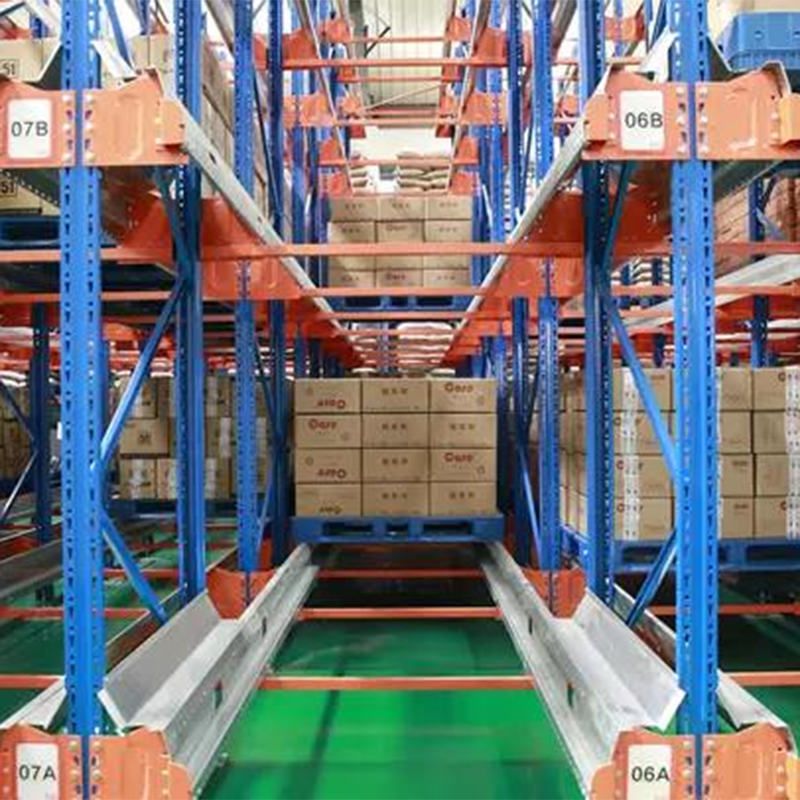
Materials: graded ginger, processed aconite, roasted licorice, astragalus root, epimedium; rice wine (food-grade).
Methods: low-temp drying, size reduction (≤80 mesh), rice-wine–assisted extraction for actives, blending, sieving, nitrogen flush, pack-off.
QA: in-process moisture (≤8%), bulk density profiling, organoleptic check, final COA with microbial and residue panels.
Service life: designed for multi-cycle use across winter flocks; unopened bags ride out the season well.
Application scenarios
- Cold fronts or ventilation upsets: short waterline pulse for barn “warmth” support.
- Brooder transition days: stabilizes comfort when heat plates are adjusted.
- Backyard and free-range flocks: light top-dress during damp spells.
Many customers say birds settle faster and keep feed visits regular. I guess that’s why herbs for poultry keep showing up on procurement lists alongside enzymes and acids.
Vendor comparison (what buyers actually check)
| Vendor | Certs / QC | Customization | Lead time | Docs |
|---|---|---|---|---|
| Cold Cure (RC Petfood) | ISO 22000, HACCP; residue & metals COA | Ratios, carrier, particle size | ≈7–12 days | COA, MSDS, spec sheet |
| Vendor B (Regional) | HACCP only | Limited | ≈2–3 weeks | Basic COA |
| Vendor C (Import mix) | Unknown batch traceability | No | ≈4+ weeks | Sparse |
Field results and feedback
Case A (Hebei, n=180 broilers): 5-day water inclusion at 0.7 g/L during a cold snap; comfort score improved, FCR shifted ≈1.83→1.79 (≈2.1%); mortality unchanged. Internal QC note, 2024—results may vary.
Case B (small layer farm, 6k hens): 300 g/ton feed for 7 days in rainy week; lay dipped less than prior-year baseline (−0.3% vs −1.1%).
Address for traceability: Room 2210, Building A, Yihongxia, 298 Zhonghuabei Street, Xinhua District, Shijiazhuang City, Hebei Province, China. It seems simple, but buyers do check physical origin these days.
Customization and integration
- Blend tweaks: more astragalus for resilience, or toned-down aconite for young stock.
- Carrier options: dextrose for water lines; silica blend for premix stability.
- Compatibility: stable with organic acids and electrolytes; avoid chlorinated water >2 ppm during dosing.
Compliance note: Use within local feed rules. For ABF/organic systems, confirm fit with your certifier. As always with herbs for poultry, document your lot numbers and water TDS—auditors love that.
Authoritative references
- ISO 22000:2018 Food safety management systems.
- FAMI-QS Code of Practice for Feed Additives and Premixtures, v6.0.
- FAO. Alternatives to antibiotics in animal production, 2019.
- EFSA FEEDAP Panel. Guidance on the assessment of botanicals and botanical preparations for use in animal feed, EFSA Journal.
Post time: October 2, 2025