Introduction to Precision Nutritional Premixes in Animal Feed
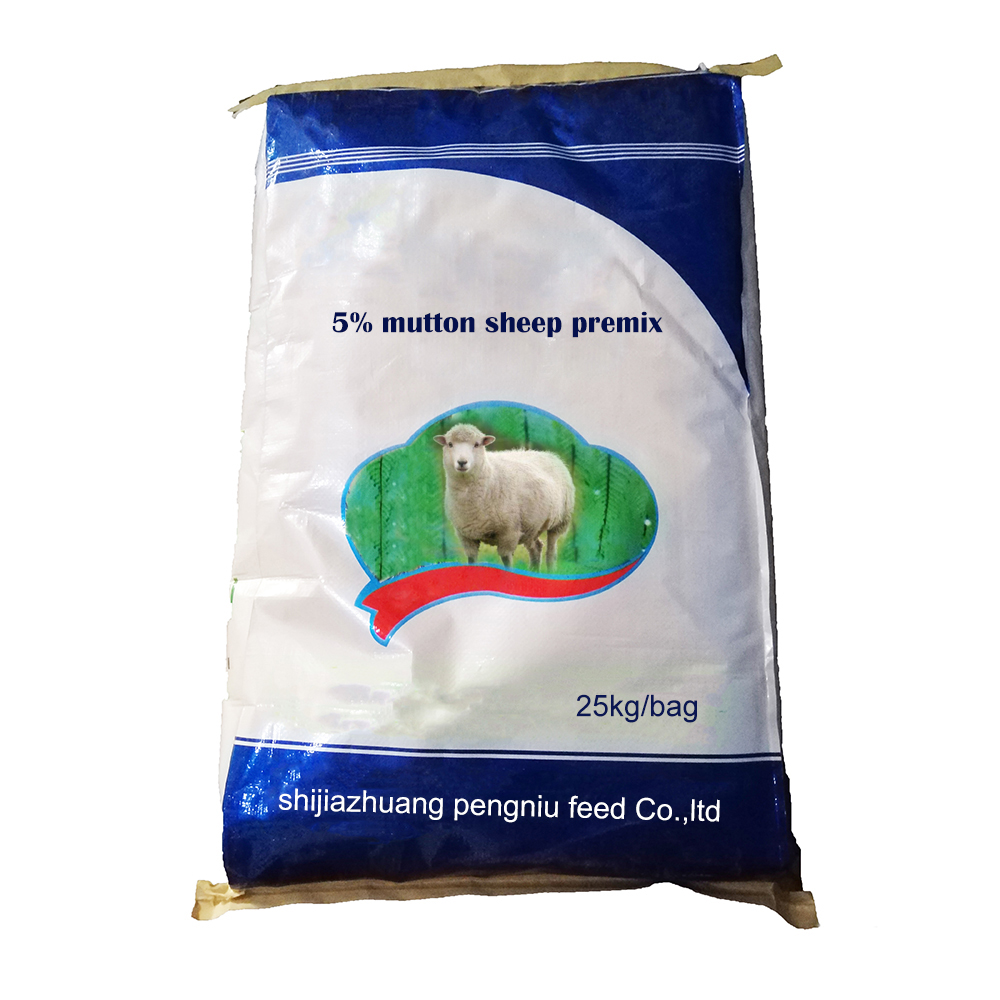
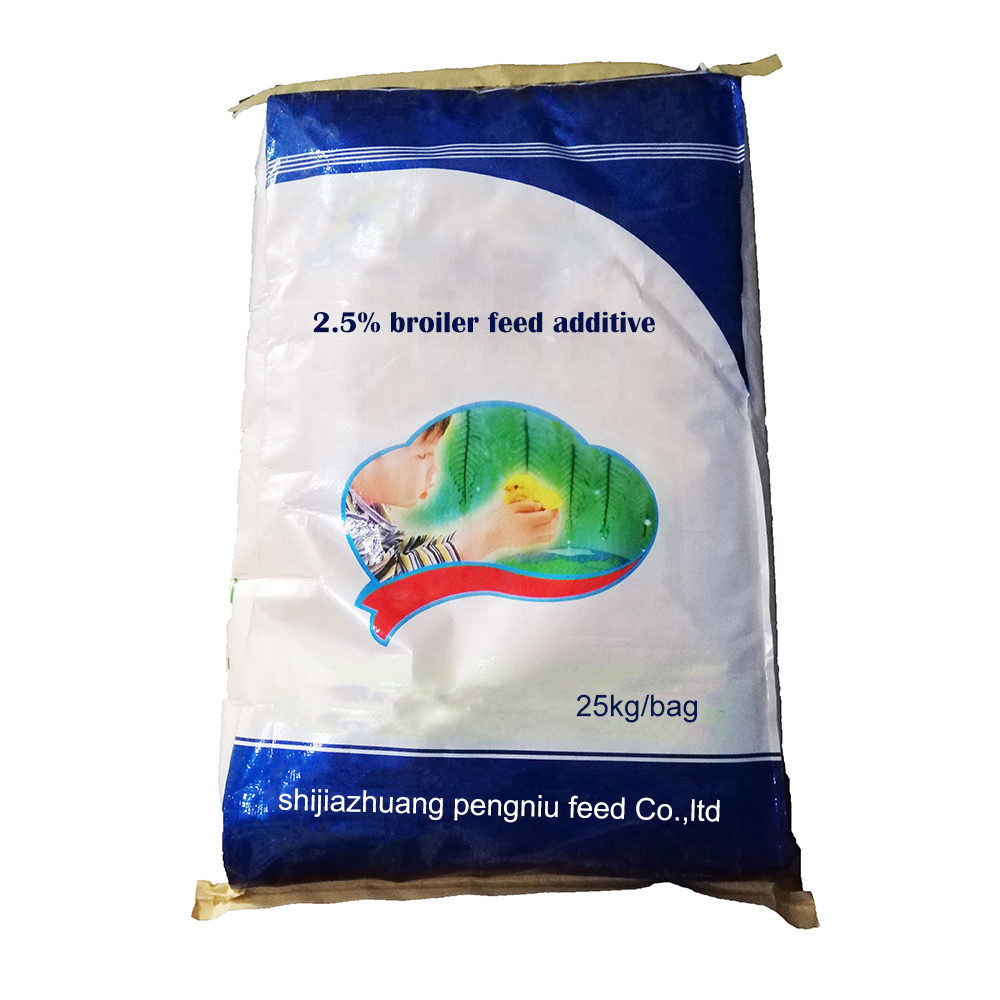
In the highly competitive and technologically advanced landscape of modern animal agriculture, achieving optimal livestock performance and health is paramount. This necessitates a scientific approach to nutrition, where every component of the diet plays a critical role. Central to this precision nutrition strategy is the strategic integration of premix in animal feed. A premix is a meticulously formulated blend of micro-ingredients, such as vitamins, minerals, amino acids, and other performance-enhancing additives, that are diluted in a carrier and designed to be incorporated into the final feed.
These specialized blends ensure that animals receive all essential micronutrients in the correct proportions, compensating for variability in raw feed materials and supporting specific physiological stages like growth, reproduction, and lactation. The efficacy of a premix directly impacts feed conversion ratios, disease resistance, and overall productivity, making it a cornerstone of sustainable and profitable animal production.
Industry Trends and Market Dynamics in Animal Nutrition
The global animal feed industry is experiencing dynamic shifts, driven by increasing demand for animal protein, evolving consumer preferences, and stringent regulatory requirements. Key trends influencing the development and application of premix in animal feed include:
- Sustainable Production: A growing emphasis on reducing the environmental footprint of livestock farming is driving demand for feed additives that improve nutrient utilization and reduce waste excretion. This includes enzyme technology and highly bioavailable trace minerals.
- Antibiotic-Free and Reduced-Antibiotic Production: The push for lower antibiotic usage has accelerated research and development into alternative growth promoters, such as probiotics, prebiotics, organic acids, essential oils, and phytogenics, which are often incorporated into specialized premixes.
- Precision Nutrition and Digitalization: Advanced data analytics and AI are enabling more precise feed formulations tailored to genetic lines, environmental conditions, and real-time animal performance data. This translates to highly customized premix solutions.
- Focus on Animal Welfare: Ingredients that support gut health, immune function, and stress reduction are gaining prominence, reflecting a broader industry commitment to animal welfare.
- Supply Chain Resilience: Geopolitical factors and climate change are highlighting the need for robust supply chains and diversified sourcing of feed ingredients, impacting premix raw material selection.
According to a report by Grand View Research, the global animal feed premix market size was valued at USD 25.8 billion in 2022 and is expected to grow at a compound annual growth rate (CAGR) of 4.5% from 2023 to 2030, underscoring the vital role these products play in the industry's future.
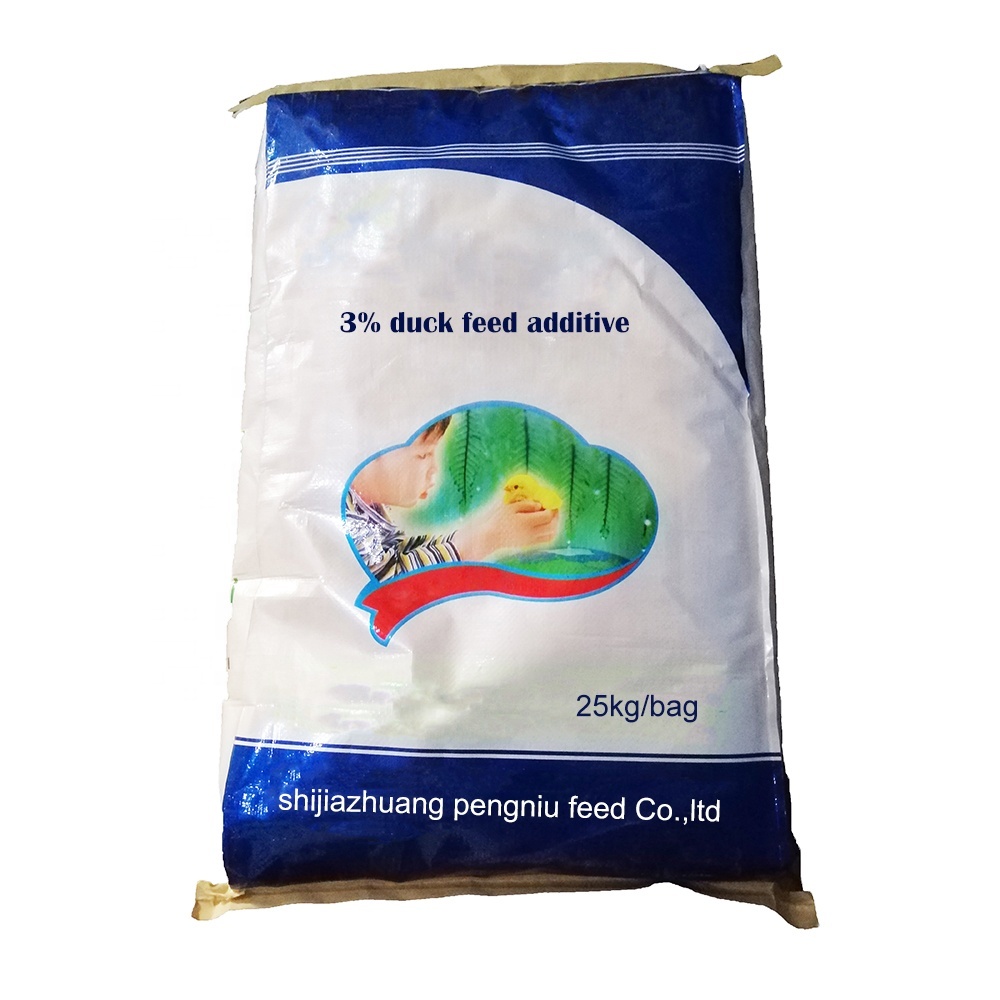
The Manufacturing Process of Premix in Animal Feed
The production of a high-quality premix in animal feed is a complex, multi-stage process demanding precision engineering, stringent quality control, and adherence to international standards. The primary goal is to ensure uniform dispersion of minute quantities of highly potent ingredients within a larger volume of carrier material, guaranteeing homogeneity and efficacy in the final feed.
Process Flow Overview:
1. Raw Material Sourcing & QC
Selection of high-purity vitamins, trace minerals (e.g., zinc sulfate, copper chelate), amino acids, and carriers (e.g., calcium carbonate, rice hulls). Each batch undergoes rigorous incoming quality control checks for potency, purity, heavy metals, and microbial contamination, adhering to FAMI-QS and ISO 9001 standards.
2. Micro-Ingredient Pre-Blending
Extremely potent ingredients are often pre-diluted with a portion of the carrier to improve handling and ensure better distribution during the main blending phase. This step is critical for avoiding hotspots and ensuring uniform nutrient delivery.
3. Main Blending (Homogenization)
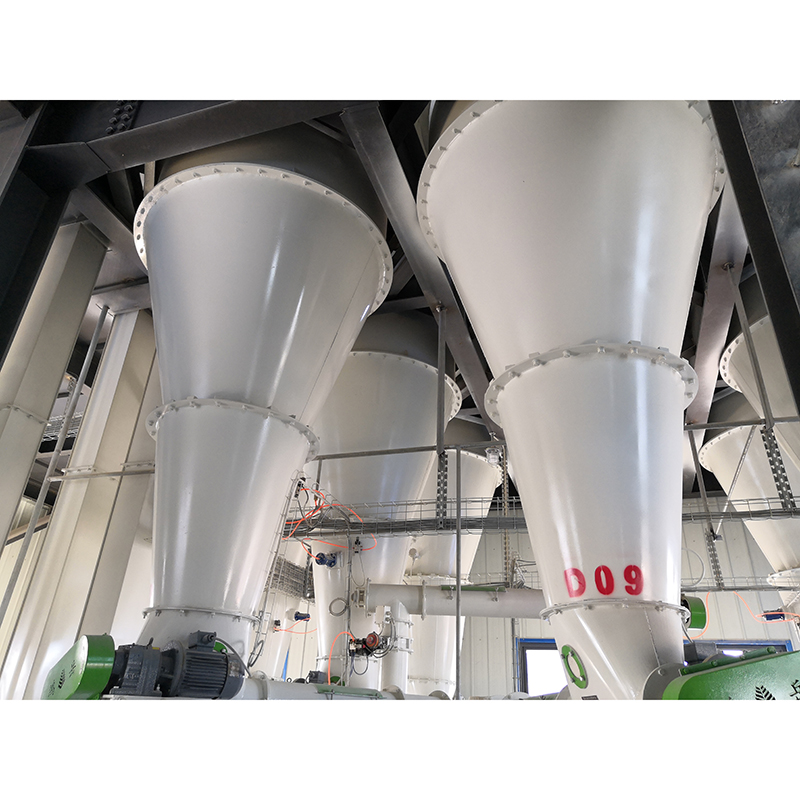
Utilizing sophisticated horizontal or vertical ribbon blenders, all pre-weighed micro-ingredients and carriers are combined. Blending times and speeds are meticulously controlled to achieve a Coefficient of Variation (CV) typically below 5%, ensuring exceptional homogeneity. Some processes involve specialized coating or encapsulation techniques for sensitive ingredients.
4. Post-Blending Quality Assurance
Samples from each batch are analyzed using methods like HPLC for vitamins, AAS/ICP-OES for minerals, and various titrimetric assays for other components. Particle size analysis and density measurements are also performed. This ensures the finished premix meets declared specifications and homogeneity targets.
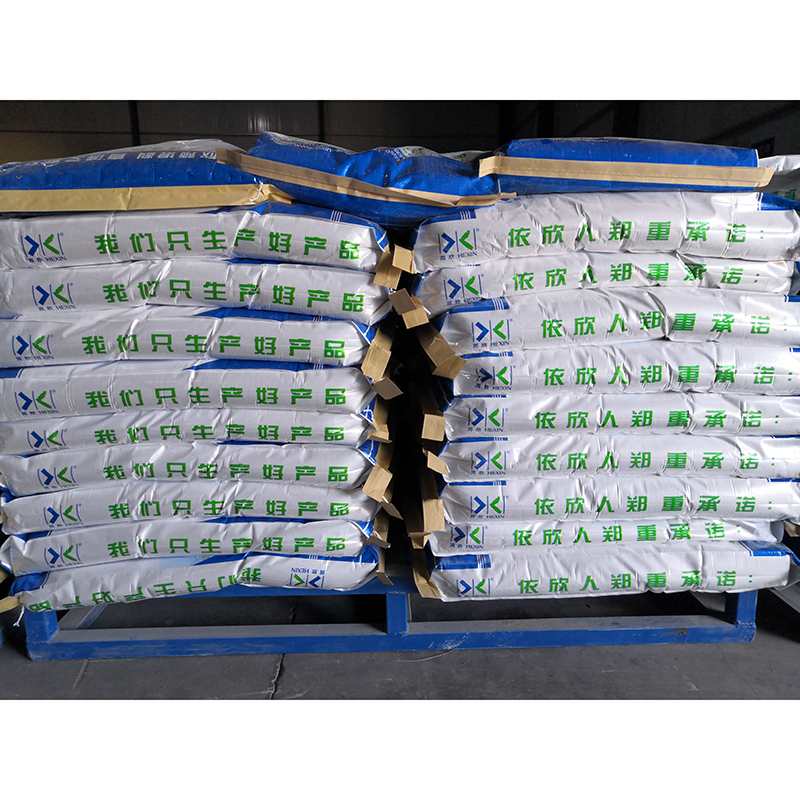
5. Packaging & Storage
The finished premix is packaged into multi-wall bags, bulk bags, or other appropriate container111s, often with moisture barriers. Proper labeling includes batch numbers, manufacturing/expiry dates, and storage instructions (e.g., cool, dry place) to ensure product integrity and a typical service life of 6-12 months under optimal conditions.
Target Industries & Advantages: Our premixes cater primarily to the livestock, poultry, and aquaculture sectors. The key advantages stem from enhancing nutritional efficiency, which translates to improved feed conversion ratios, faster growth rates, stronger immune systems, and reduced incidence of metabolic disorders. This ultimately leads to significant energy savings indirectly through optimized animal performance and resource utilization.
Technical Specifications and Nutritional Parameters
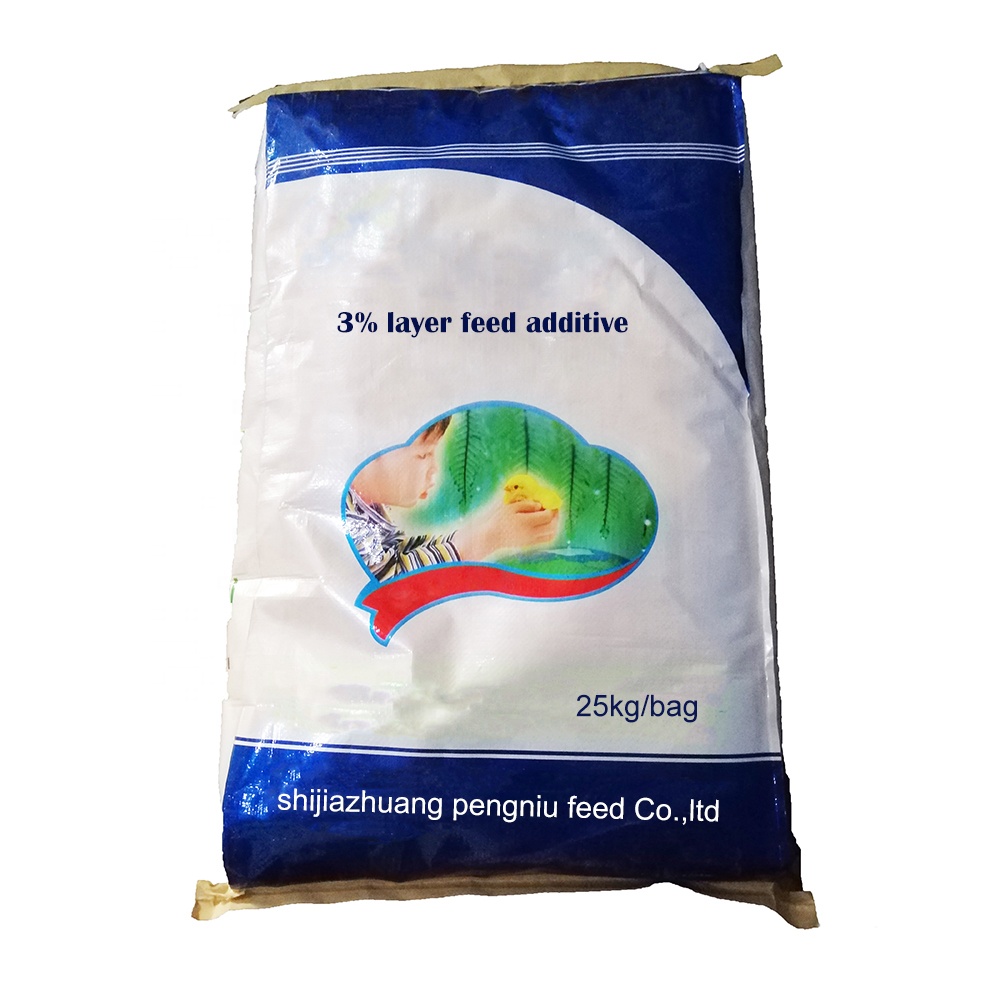
The effectiveness of a premix in animal feed is defined by its precise technical specifications and the bioavailability of its constituent nutrients. Here, we detail a typical product specification, focusing on the RC Pet Food 3% Finisher Layer Feed Additive, which exemplifies our commitment to scientific formulation.
Product Specification: 3% Finisher Layer Feed Additive
| Component Category | Key Ingredients (Examples) | Guaranteed Analysis (per kg) | Function |
|---|---|---|---|
| Vitamins | Vitamin A, D3, E, K3, B1, B2, B6, B12, Niacin, Pantothenic Acid, Folic Acid, Biotin, Choline Chloride | Vit A: 1,500,000 IU; Vit D3: 300,000 IU; Vit E: 3,000 mg; Vit B12: 12 mg; Biotin: 100 mg | Eggshell quality, immune function, metabolism, bone health, fertility. |
| Trace Minerals | Organic Zinc, Copper, Manganese, Iron, Iodine, Selenium (e.g., Selenomethionine) | Zn: 8,000 mg; Cu: 1,000 mg; Mn: 12,000 mg; Fe: 6,000 mg; Se: 30 mg | Enzyme activity, bone formation, immune response, antioxidant defense, egg production. |
| Amino Acids | DL-Methionine, L-Lysine (as needed) | Specific levels determined by formulation to balance protein profile. | Egg protein synthesis, muscle development, feather integrity. |
| Enzymes | Phytase, Xylanase, Amylase | Phytase: 15,000 FTU; Xylanase: 5,000 U | Improved nutrient digestibility (phosphorus, energy, protein), reduced anti-nutritional factors. |
| Other Additives | Antioxidants (e.g., BHT, BHA), Mycotoxin Binders, Probiotics, Prebiotics | Variable levels based on specific need and formulation. | Product stability, gut health, toxin neutralization. |
| Carrier | Calcium Carbonate, Rice Hulls, Corn Cob Meal | To bring total to 100% | Dilution and uniform distribution. |
Key Technical Terminology Explained:
- Bioavailability: The proportion of a nutrient that, when ingested, is absorbed and available for metabolic functions. Organic trace minerals often have superior bioavailability compared to inorganic forms.
- Chelation: A process where a metal ion is bound to an organic molecule (ligand), forming a chelate. This enhances mineral stability, reduces antagonism with other nutrients, and improves absorption in the gut.
- Encapsulation: Coating sensitive ingredients (e.g., certain vitamins or probiotics) with a protective barrier to shield them from degradation by heat, moisture, or other feed components during processing and storage.
- Coefficient of Variation (CV): A statistical measure of the relative variability of data, expressed as a percentage. In premix manufacturing, a low CV (typically
Application Scenarios and Targeted Nutritional Benefits
The versatility of premix in animal feed allows for highly specific formulations tailored to different animal species, age groups, and production goals. Understanding these application scenarios is crucial for optimizing livestock performance.
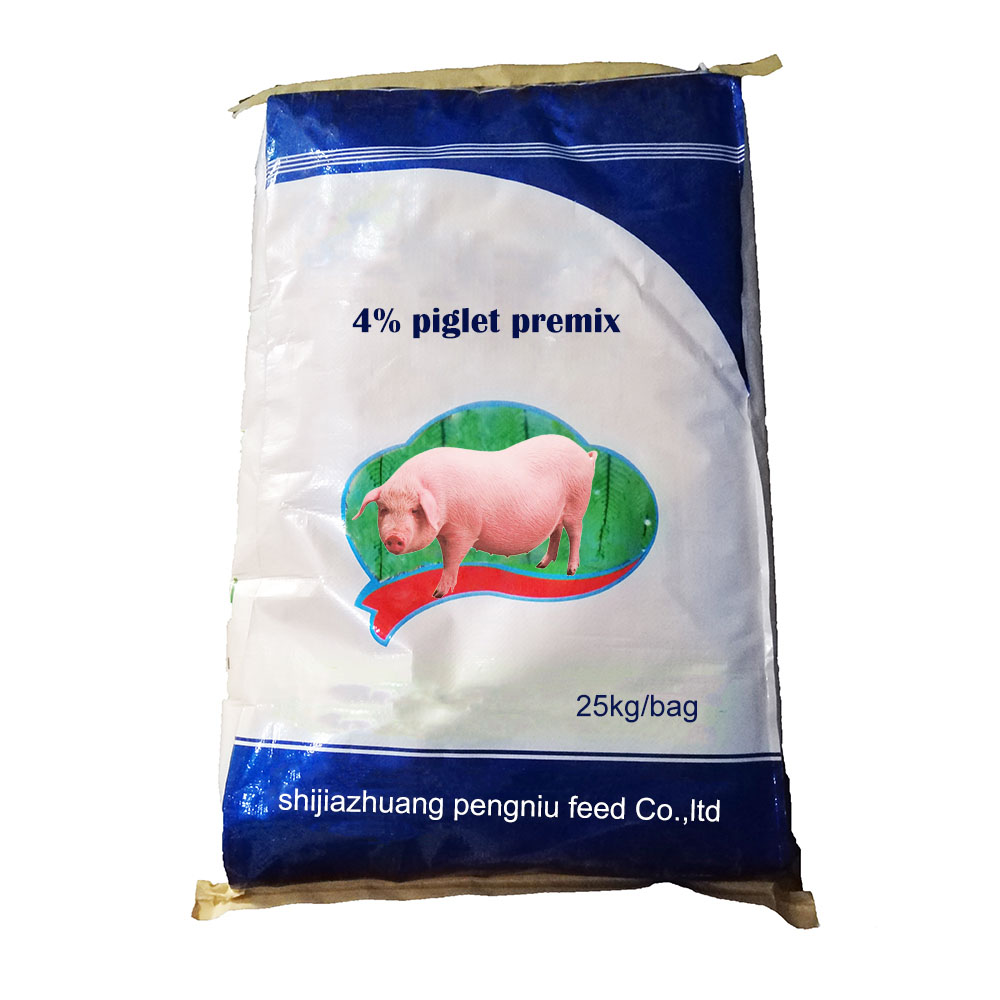
Swine Vitamin Premix for Optimal Growth and Reproduction
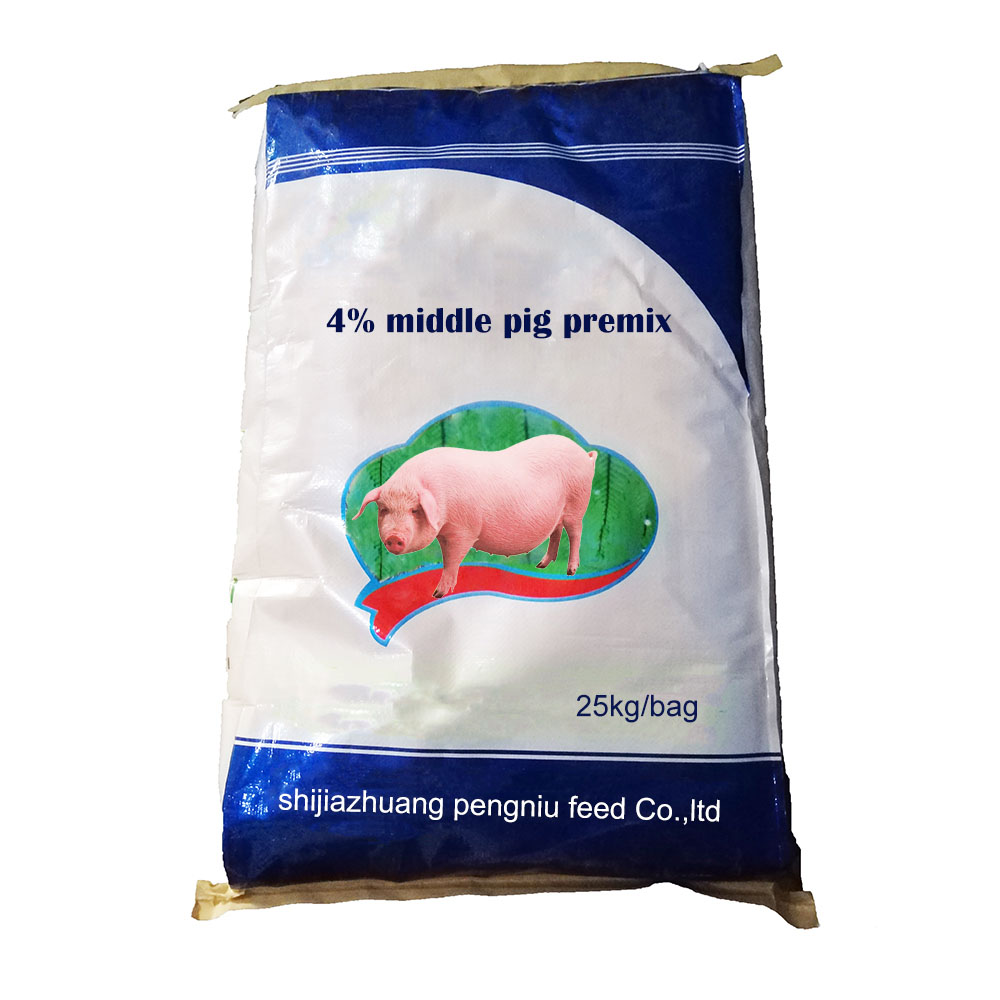
For swine operations, a specialized swine vitamin premix is indispensable. Pig nutrition is highly sensitive to vitamin deficiencies, which can severely impact growth rates, feed conversion, and reproductive efficiency. For piglets, precise levels of B vitamins (e.g., Thiamine, Riboflavin, Niacin, Pantothenic Acid) are critical for metabolism and rapid development, while Vitamin E and Selenium are crucial for immune function and reducing oxidative stress, particularly during weaning. For sows, adequate levels of Folic Acid, Choline, and Vitamin A are vital for embryonic development, litter size, and milk production, directly affecting profitability. Our premixes are designed to support lean meat deposition and robust immune systems, reducing susceptibility to common swine diseases and improving carcass quality.
Usage Scenario: A large-scale farrow-to-finish operation observed inconsistent growth rates and higher mortality in their nursery pigs. Upon review, their existing feed program lacked optimized vitamin and trace mineral ratios. Implementing a custom swine vitamin premix designed for early growth phases, rich in highly bioavailable B vitamins and antioxidants, led to a 7% improvement in average daily gain (ADG) and a 15% reduction in post-weaning scours within three months.
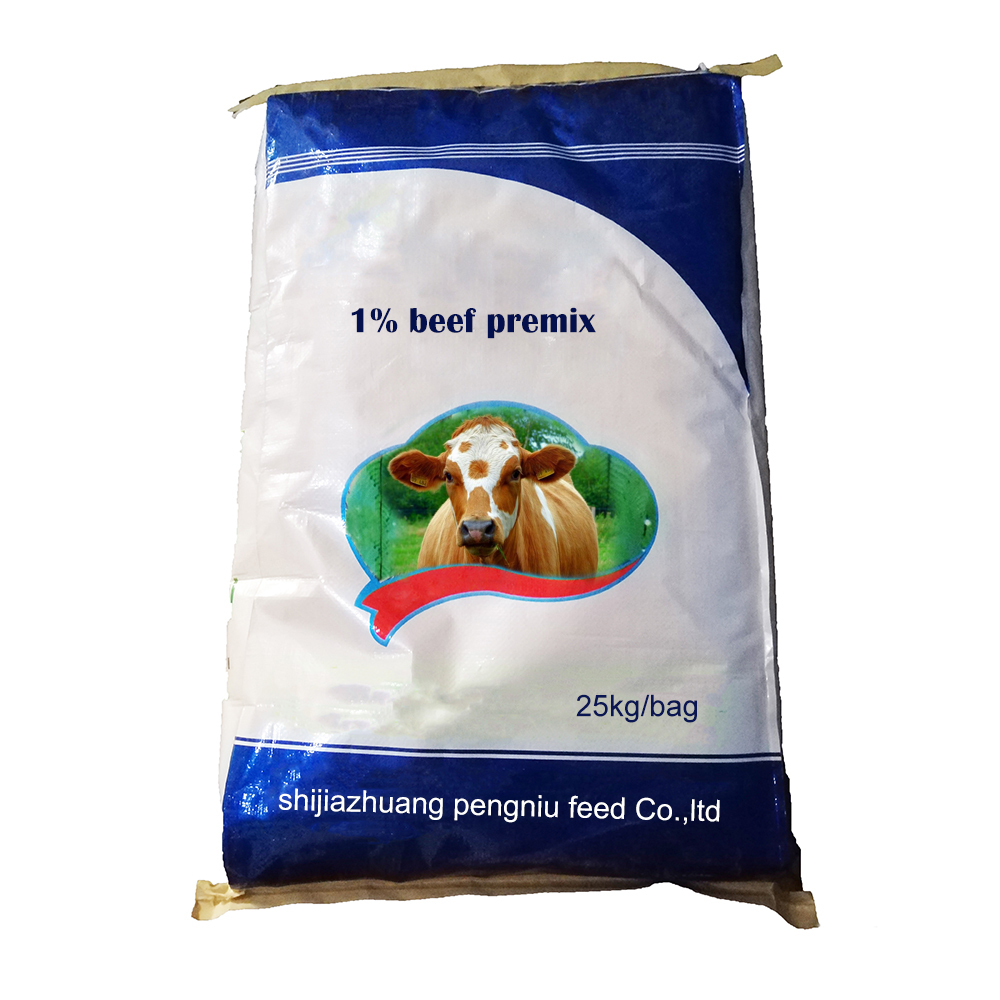
Vitamin Mineral Premix for Dairy Cattle: Enhancing Milk Production and Fertility
Dairy cattle have unique nutritional demands, especially during peak lactation and the transition period. A well-formulated vitamin mineral premix for dairy cattle is paramount for maximizing milk yield, maintaining reproductive health, and preventing metabolic disorders. Key minerals like Calcium, Phosphorus, Magnesium, and Potassium are critical for bone health and milk synthesis, while trace minerals such as Copper, Zinc, Selenium, and Manganese play pivotal roles in immune response, hoof health, and fertility. Vitamins A, D, and E are essential for immune function, calcium metabolism, and antioxidant defense, respectively. Our dairy premixes often include B vitamins like Biotin and Niacin to support energy metabolism and hoof integrity, reducing lameness and improving overall herd longevity.
Usage Scenario: A dairy farm experiencing persistent issues with low conception rates and increased incidence of mastitis during early lactation switched to a premium vitamin mineral premix for dairy cattle specifically formulated for reproductive performance. This premix featured higher levels of chelated Zinc and Copper, along with optimized Vitamin E and Selenium. Within six months, observed conception rates improved by 10%, and somatic cell counts (SCC) saw a notable reduction, indicating enhanced udder health.
3% Finisher Layer Feed Additive: Maximizing Egg Production and Quality
The 3% finisher layer feed additive is precisely engineered for laying hens in their prime production phase. This additive ensures that hens receive the optimal balance of nutrients required for sustained high egg production, excellent eggshell quality, and vibrant yolk color. Critical components include high levels of Calcium and Phosphorus for strong eggshells, along with Vitamin D3 for calcium absorption. B vitamins support energy metabolism, while Vitamin E and Selenium act as powerful antioxidants, crucial for maintaining overall hen health and extending the laying cycle. Trace minerals such as Manganese, Zinc, and Copper are essential for various enzyme systems and eggshell matrix formation. This specific additive significantly contributes to a higher percentage of marketable eggs and reduced breakage, directly boosting farm profitability.
Technical Advantages and Performance Metrics
Our advanced approach to formulating and manufacturing premix in animal feed delivers distinct technical advantages that translate into superior animal performance and economic benefits for producers.
- Enhanced Nutrient Bioavailability: We utilize high-grade, often chelated or organic forms of trace minerals and stabilized vitamins. This significantly improves absorption and utilization by the animal, reducing excretion and environmental impact. For instance, organic selenium (e.g., Selenomethionine) is typically 1.5 to 2 times more bioavailable than inorganic sodium selenite.
- Superior Homogeneity and Stability: Our state-of-the-art blending technology ensures an exceptionally low Coefficient of Variation (CV
- Optimized Feed Conversion Ratio (FCR): By providing precisely balanced nutrition, our premixes enable animals to convert feed into product (meat, milk, eggs) more efficiently. For poultry, this can mean a 3-5% improvement in FCR, leading to significant savings in feed costs.
- Improved Immune Response and Health: Adequate supply of essential vitamins (e.g., A, E, C) and trace minerals (e.g., Zn, Se, Cu) supports a robust immune system, reducing susceptibility to diseases and the need for therapeutic interventions. This aligns with global trends toward reduced antibiotic usage.
- Increased Production Efficiency: Whether it's higher daily weight gain in broilers, increased milk yield in dairy cattle, or prolonged peak lay in hens, our premixes are engineered to maximize productivity across various species and production stages. For example, specific layer premixes can extend the laying peak by 2-4 weeks while maintaining eggshell quality.
- Reduced Environmental Impact: Better nutrient utilization means less waste excretion (e.g., phosphorus, nitrogen), contributing to more sustainable and environmentally friendly farming practices.
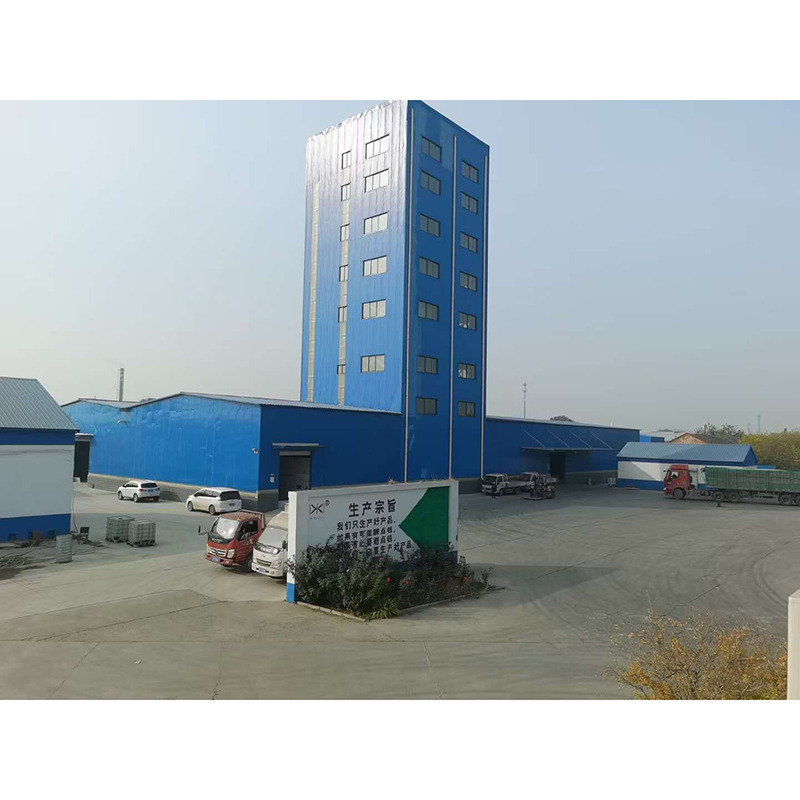
Vendor Comparison and Selection Criteria
Selecting the right supplier for your premix in animal feed is a strategic decision that directly impacts your operational efficiency and profitability. While various vendors exist globally, evaluating them based on critical criteria is essential.
Key Comparison Factors:
| Criterion | RC Pet Food Differentiators | Common Vendor Approach |
|---|---|---|
| Quality & Certifications | FAMI-QS, ISO 9001:2015, HACCP certified. In-house analytical lab for rigorous raw material and finished product testing. Proven track record of consistent product quality. | Basic GMP/ISO certifications, often rely on supplier COAs, less stringent internal testing. |
| Nutrient Bioavailability | Prioritize organic/chelated minerals, stabilized vitamin forms, and advanced encapsulation technologies for optimal absorption and stability. | Often use more cost-effective inorganic minerals and less stable vitamin forms. |
| Customization & R&D | Dedicated R&D team and nutritionists to develop bespoke formulations based on client-specific needs (genetics, environment, raw materials). | Primarily offer standard formulations with limited scope for true customization. |
| Technical Support | Provides comprehensive technical support, nutritional consultation, feed analysis, and on-farm performance monitoring. | Basic product information and sales support. |
| Supply Chain Resilience | Diversified global sourcing strategy for raw materials, robust inventory management, and reliable logistics network. | Potentially vulnerable to single-source dependencies and logistical disruptions. |
Customized Premix Solutions and Collaborative Development
Recognizing that "one size fits all" rarely applies to animal nutrition, we specialize in providing bespoke premix in animal feed solutions. Our approach begins with a deep understanding of our client's unique operational parameters, including their animal genetics, available raw materials, local environmental conditions, and specific production targets.
Our team of experienced nutritionists and feed formulation specialists works collaboratively with clients to:
- Analyze Feed Ingredients: Conduct comprehensive analysis of on-farm or purchased feed ingredients to identify nutrient profiles and potential deficiencies.
- Optimize Nutrient Levels: Formulate premixes with precise vitamin, mineral, and additive levels to complement the base diet, addressing specific physiological demands and maximizing performance.
- Integrate Specialized Additives: Incorporate advanced additives such as novel enzymes, specific probiotics, phytogenics, or mycotoxin binders tailored to mitigate particular challenges or enhance specific outcomes (e.g., gut health, stress reduction, pigment enhancement).
- Cost-Effectiveness & Sustainability: Develop formulations that balance optimal animal performance with cost-efficiency and environmental considerations, using highly bioavailable forms to reduce inclusion rates and waste.
- Ongoing Support & Adjustment: Provide continuous monitoring, performance evaluation, and formulation adjustments as animal needs or market conditions evolve.
Our commitment to customized solutions ensures that our partners receive not just a product, but a strategic nutritional partnership designed for long-term success.
Application Case Studies & Client Success
Case Study 1: Broiler Farm Optimization in Southeast Asia
A large broiler producer in Southeast Asia faced challenges with inconsistent growth rates, elevated mortality during heat stress, and sub-optimal feed conversion. After a comprehensive feed analysis and on-farm assessment, we developed a customized broiler finisher premix. This premix included higher levels of heat-stable vitamins (e.g., Vitamin C), organic trace minerals (Zinc and Chromium) for improved immune function and glucose metabolism, and a proprietary blend of gut health enhancers. Over two consecutive production cycles (totaling 250,000 birds), the client reported a 4.5% improvement in FCR, a 1.2% reduction in overall mortality, and an average increase of 50g in final body weight per bird. This translated to an estimated additional profit of USD 0.08 per bird, yielding a significant return on investment.
Case Study 2: Enhancing Layer Performance in European Operations
A European layer farm specializing in free-range egg production sought to extend its flock's peak laying period and improve eggshell strength, a common issue in later lay cycles. They adopted our 3% finisher layer feed additive, which was further customized to incorporate enhanced levels of chelated Manganese and Copper, known for their roles in eggshell matrix formation, alongside a specialized Vitamin D3 source for superior calcium utilization. The results were compelling: the farm observed an extension of the peak laying period by an average of 3 weeks, a 0.5% decrease in cracked eggs, and a noticeable improvement in albumen quality, measured by Haugh units. This performance enhancement secured the farm's premium market position and reduced downgrades.
Authoritativeness and Trustworthiness: Our Commitment to Quality
Our dedication to quality, safety, and efficacy is underscored by our adherence to international standards and transparent operational practices. We uphold the highest levels of expertise and trustworthiness in the industry.
- Certifications: Our manufacturing facilities are certified under FAMI-QS (Feed Additives and Premixtures Quality System), ISO 9001:2015 for quality management, and HACCP (Hazard Analysis and Critical Control Points) for food safety. These certifications are independently audited and demonstrate our commitment to rigorous quality control throughout the entire production chain.
- Compliance: All products comply with relevant regulatory guidelines, including those set by the FDA (U.S.) and EFSA (Europe) where applicable, ensuring safety and legality across diverse markets.
- Industry Experience: With over 15 years of experience in animal nutrition, RC Pet Food has been a trusted partner to hundreds of commercial farms, feed mills, and integrators worldwide. Our longevity reflects our consistent performance and client satisfaction.
- Testing and Verification: Every batch of premix in animal feed undergoes extensive internal and third-party laboratory testing to verify nutrient content, homogeneity, and absence of contaminants. We provide Certificates of Analysis (CoA) with every shipment.
- Partner Clients: We work with leading names in the poultry, swine, dairy, and aquaculture sectors, from independent farms to multinational feed producers. Specific client names are available upon request and mutual NDA.
Frequently Asked Questions (FAQ)
What is the typical shelf life of your premixes?
Our premixes generally have a shelf life of 6-12 months from the date of manufacture when stored in cool, dry conditions away from direct sunlight and moisture. Specific product labels will provide precise expiry dates.
How do you ensure the quality of raw materials for premix production?
We employ a rigorous supplier qualification program, including audits and regular testing of incoming raw materials. Each batch is subject to physical, chemical, and microbiological analyses before being approved for use, ensuring compliance with FAMI-QS and ISO standards.
Can you develop a custom premix formulation for my specific farm needs?
Absolutely. Customization is a core service. Our team of nutritionists will collaborate with you, analyze your feed ingredients, animal genetics, and production goals to formulate a precisely tailored premix designed for optimal performance and cost-efficiency.
What is the minimum order quantity (MOQ) for premixes?
MOQs vary depending on the specific product and level of customization. Please contact our sales team with your specific requirements for a detailed quotation and MOQ information.
Procurement & Logistics
- Lead Time/Fulfillment: Standard premix orders typically have a lead time of 7-14 business days, depending on volume and destination. Customized formulations may require an additional 5-7 days for R&D and pilot batch production. We work with established logistics partners to ensure timely and efficient delivery worldwide.
- Warranty Commitments: All our premixes are backed by a guarantee of meeting the declared specifications on the Certificate of Analysis. Any product not meeting these specifications upon delivery will be replaced or refunded in accordance with our terms and conditions.
- Customer Support: Our dedicated customer support team and technical specialists are available to assist with product inquiries, formulation advice, order tracking, and any post-sales support. Contact us via phone, email, or our online portal for prompt assistance.
Conclusion
The strategic application of advanced premix in animal feed is no longer just an option but a necessity for achieving sustainable and profitable animal production. As global demands for animal protein intensify and regulatory landscapes evolve, the reliance on scientifically formulated, high-quality nutritional solutions will only grow. Our commitment to innovation, rigorous quality control, and client-centric customized solutions positions us as a leading partner in elevating animal performance and supporting the long-term success of your operations. By integrating our expertly crafted premixes, producers can confidently optimize animal health, enhance productivity, and achieve superior economic outcomes in a constantly changing industry.
References
- Grand View Research. (2023). Animal Feed Premix Market Size, Share & Trends Analysis Report. Retrieved from https://www.grandviewresearch.com/industry-analysis/animal-feed-premix-market
- NRC (National Research Council). (2012). Nutrient Requirements of Swine. 11th Revised Edition. The National Academies Press, Washington, DC.
- NRC (National Research Council). (2001). Nutrient Requirements of Dairy Cattle. 7th Revised Edition. The National Academies Press, Washington, DC.
- FDA (Food and Drug Administration). (2023). Regulations & Guidance. Retrieved from https://www.fda.gov/animal-veterinary/guidance-regulations
- EFSA (European Food Safety Authority). (2023). Feed Additives. Retrieved from https://www.efsa.europa.eu/en/topics/topic/feed-additives
- FAMI-QS. (2023). FAMI-QS Code of Practice. Retrieved from https://www.fami-qs.org/
Post time: September 22, 2025