Animal feed suppliers are a crucial, yet often overlooked, component of the global food supply chain. These businesses provide the nutritional foundation for livestock, poultry, and aquaculture, directly impacting the availability and affordability of meat, dairy, and seafood. The demand for high-quality animal feed is constantly increasing due to a growing global population and changing dietary preferences, making efficient and reliable animal feed suppliers essential. Understanding the nuances of this industry, from sourcing raw materials to innovative formulation techniques, is vital for ensuring food security and sustainable agricultural practices.
The global animal feed industry is a multi-billion dollar market, experiencing consistent growth driven by rising meat consumption, particularly in developing economies. According to the FAO, livestock production accounts for approximately 40% of the global agricultural GDP. This growth necessitates a robust network of animal feed suppliers capable of meeting evolving nutritional needs and adapting to changing regulations. Successfully navigating this complex landscape requires a deep understanding of supply chain dynamics, regulatory compliance, and advancements in animal nutrition.
Furthermore, the role of animal feed suppliers is expanding beyond simply providing nutrition. Increasingly, they are becoming key partners in promoting animal health and welfare, reducing environmental impact, and contributing to the overall sustainability of the food production system. Their expertise is essential in formulating feeds that optimize animal performance, minimize waste, and support responsible agricultural practices, making them critical stakeholders in the future of food.
The Importance of Animal Feed Suppliers
Animal feed suppliers form the bedrock of modern agriculture, representing a critical link between raw material producers and livestock farmers. Their expertise in nutritional science, ingredient sourcing, and manufacturing processes directly influences the health, productivity, and quality of livestock. Without reliable animal feed suppliers, ensuring a consistent and affordable supply of meat, dairy, and eggs would be significantly more challenging.
The efficiency of animal feed suppliers also impacts the sustainability of agricultural practices. Optimized feed formulations can reduce feed conversion ratios, minimizing waste and lowering the environmental footprint of livestock production. Furthermore, suppliers are increasingly focused on sourcing sustainable ingredients and developing innovative feed solutions that promote animal welfare and reduce reliance on antibiotics.
Defining Animal Feed Suppliers & Their Role
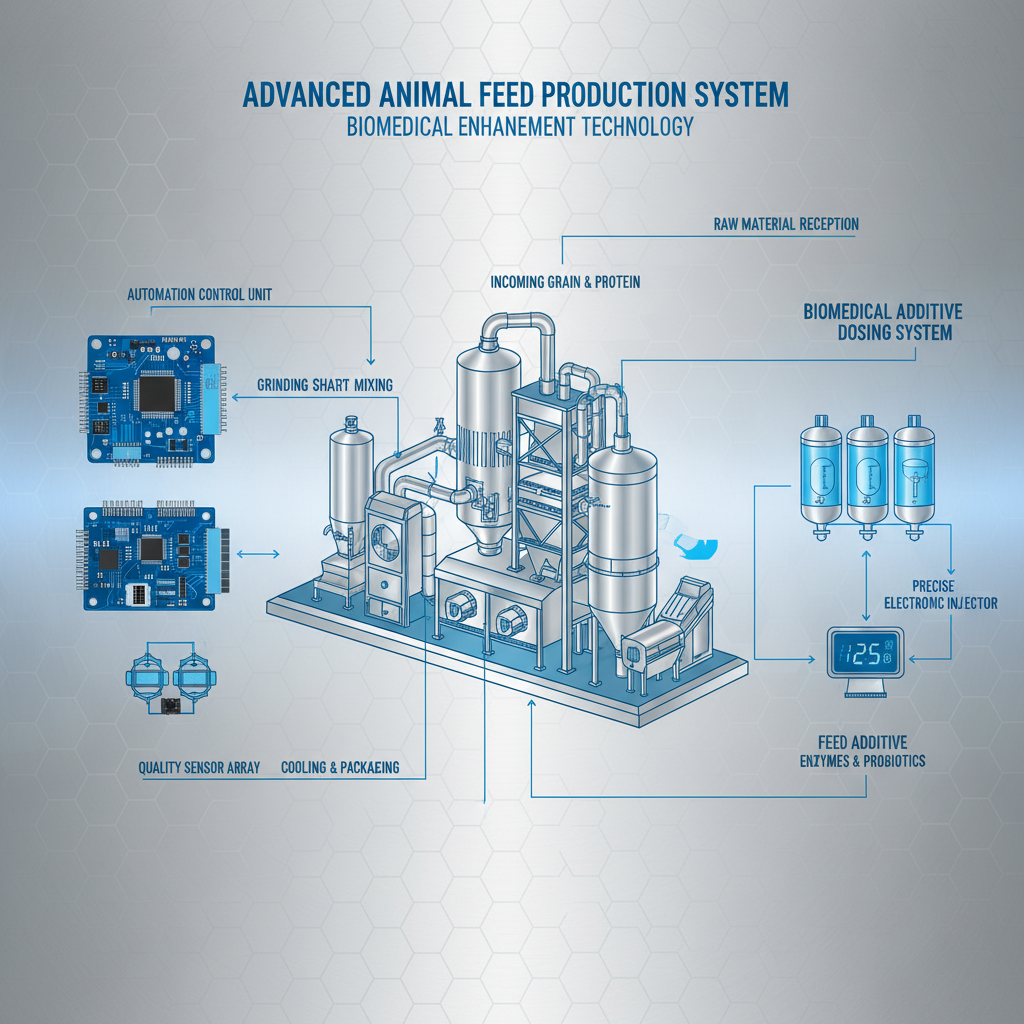
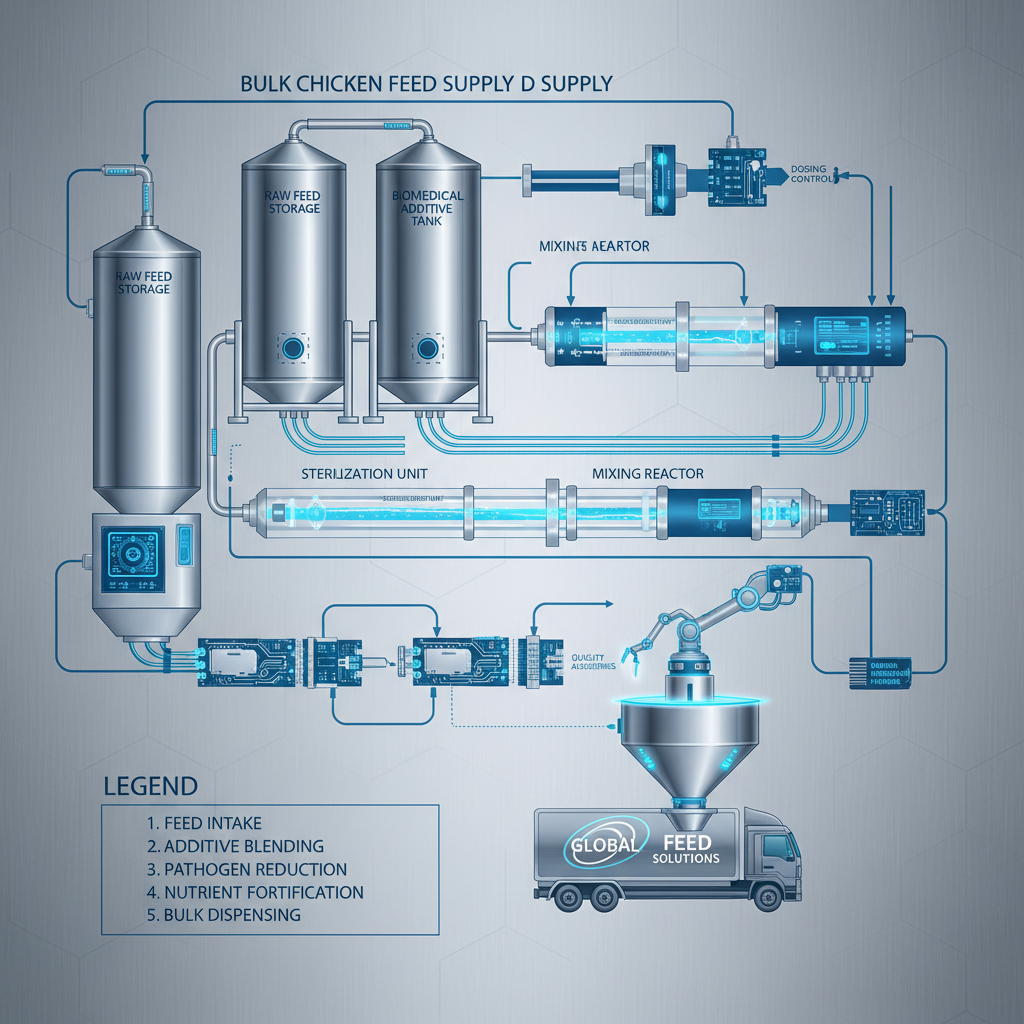
Animal feed suppliers are companies that specialize in the production, distribution, and sale of nutritional products designed for livestock, poultry, and aquaculture. This encompasses a broad range of products, from complete feed formulations to individual ingredients like grains, proteins, vitamins, and minerals. Their role extends beyond simply providing ingredients; they often offer technical support, nutritional consulting, and customized feed solutions to meet the specific needs of their clients.
The connection between animal feed suppliers and modern industry is profound. The rise of intensive livestock farming has created a significant demand for specialized feed formulations that maximize production efficiency. In turn, animal feed suppliers have invested heavily in research and development to create innovative products that meet these demands. This symbiotic relationship drives continuous improvement and innovation in the agricultural sector.
In humanitarian contexts, animal feed suppliers play a vital role in disaster relief and food security initiatives. Providing feed to livestock ensures that vulnerable populations can maintain their livelihoods and access essential protein sources, even in challenging circumstances. Efficient and reliable feed supplies can be crucial for rebuilding communities and restoring food production systems after emergencies.
Key Components of Successful Animal Feed Suppliers
Successful animal feed suppliers aren't simply commodity providers. They excel in several core areas, including a robust supply chain, stringent quality control, and a commitment to research and development. A strong supply chain ensures consistent access to high-quality ingredients, even in times of market volatility.
Another critical component is regulatory compliance. Animal feed is subject to strict regulations regarding ingredient safety, labeling, and manufacturing processes. Suppliers must navigate these complex regulations to ensure their products meet all applicable standards. Finally, a dedication to customer service and building long-term relationships is crucial for maintaining a competitive edge.
Further solidifying their success, modern animal feed suppliers incorporate data-driven decision-making. Analyzing market trends, animal performance data, and ingredient costs allows them to optimize formulations and pricing strategies. This responsiveness to evolving market dynamics is key to long-term sustainability.
Global Applications and Diverse Use Cases
Animal feed suppliers’ applications span the globe, impacting agriculture in diverse climates and economic conditions. In North America and Europe, they cater to large-scale, intensive livestock operations focusing on efficiency and productivity. In developing countries, suppliers often support smaller-scale farmers, providing affordable feed solutions to improve animal health and income.
For example, in post-disaster relief operations, animal feed suppliers can rapidly deploy emergency feed rations to support affected livestock populations. In remote industrial zones, like salmon farms in Norway or shrimp farms in Southeast Asia, they provide specialized feed formulations tailored to specific aquaculture species.
Comparative Analysis of Animal Feed Supplier Methods
Advantages and Long-Term Value Proposition
The advantages of working with reputable animal feed suppliers are manifold. Economically, they offer cost-effective solutions through optimized formulations and bulk purchasing power. Environmentally, they contribute to sustainability through reduced waste and responsible sourcing. Socially, they support food security and animal welfare.
These benefits translate into long-term value for livestock producers. Improved animal health leads to higher productivity and reduced veterinary costs. Sustainable practices enhance brand reputation and appeal to environmentally conscious consumers. Reliable supply chains mitigate risk and ensure business continuity.
Future Trends and Innovations in the Industry
The animal feed industry is on the cusp of significant innovation. Precision feeding, utilizing data analytics and sensor technologies to tailor feed formulations to individual animal needs, is gaining traction. Alternative protein sources, such as insect meal and single-cell proteins, are being explored to reduce reliance on traditional feed ingredients.
Digital transformation is also playing a major role, with online platforms connecting suppliers and farmers, streamlining ordering processes, and providing access to valuable market information. Furthermore, increasing attention is being paid to feed additives that enhance animal gut health and reduce the need for antibiotics, contributing to more sustainable and responsible livestock production.
Challenges and Potential Solutions for Suppliers
Animal feed suppliers face several challenges, including fluctuating raw material prices, increasing regulatory scrutiny, and growing consumer demand for sustainable products. Supply chain disruptions and geopolitical instability can also pose significant risks.
To overcome these challenges, suppliers must invest in diversification of sourcing, adoption of advanced technologies, and proactive engagement with regulatory bodies. Collaboration with research institutions and industry partners can accelerate innovation and drive the development of more sustainable and resilient feed solutions.
Furthermore, transparency and traceability are becoming increasingly important. Implementing robust tracking systems and providing clear information about ingredient origins and manufacturing processes can build trust with consumers and enhance brand reputation.
Summary of Key Strategies for Animal Feed Supplier Success
| Strategic Priority |
Implementation Tactics |
Key Performance Indicators (KPIs) |
Risk Mitigation |
| Supply Chain Resilience |
Diversify sourcing, build strategic partnerships, invest in inventory management. |
Supplier lead times, ingredient cost volatility, sourcing geographical diversification. |
Contractual agreements, alternative supplier identification, geopolitical risk assessment. |
| Product Innovation |
Invest in R&D, explore alternative protein sources, develop precision feeding solutions. |
New product launch rate, patent applications, customer adoption rate of innovative feeds. |
Intellectual property protection, market research validation, regulatory compliance. |
| Regulatory Compliance |
Maintain updated certifications, implement robust quality control systems, engage with regulatory agencies. |
Audit scores, recall incidents, compliance training completion rates. |
Proactive monitoring of regulatory changes, internal compliance audits, documentation controls. |
| Sustainability Initiatives |
Source sustainable ingredients, reduce waste, implement eco-friendly packaging. |
Carbon footprint reduction, waste diversion rates, percentage of sustainably sourced ingredients. |
Life cycle assessments, supply chain due diligence, third-party certifications. |
| Digital Transformation |
Implement online ordering platforms, utilize data analytics, automate processes. |
Online order volume, customer satisfaction scores, process efficiency gains. |
Cybersecurity measures, data privacy protocols, employee training. |
| Customer Relationship Management |
Provide personalized support, offer tailored solutions, build long-term partnerships. |
Customer retention rates, customer lifetime value, net promoter score. |
Dedicated account management, proactive communication, feedback mechanisms. |
FAQS
When selecting an animal feed supplier, prioritize factors such as ingredient quality, nutritional expertise, regulatory compliance, supply chain reliability, pricing transparency, and customer support. Look for suppliers with robust quality control systems and a commitment to sustainable practices. Consider their ability to customize feed formulations to meet your specific needs and their responsiveness to your inquiries. Checking references and reviewing certifications can also provide valuable insights.
Ensuring feed quality and safety starts with selecting a reputable supplier who adheres to stringent quality control standards. Request documentation such as certificates of analysis (COA) for each batch of feed. Proper storage is critical - feed should be kept dry, cool, and protected from pests. Regularly inspect feed for signs of spoilage, mold, or contamination. Implementing a feed safety plan and conducting periodic testing can further mitigate risks.
Customized feed formulations offer several advantages. They allow you to precisely meet the nutritional requirements of your animals based on their age, breed, production stage, and health status. This can lead to improved growth rates, enhanced feed efficiency, and better overall animal health. Tailored formulations can also help minimize waste and reduce environmental impact by optimizing nutrient utilization. Working with a supplier who offers nutritional consulting is key to developing effective customized solutions.
Sustainability is increasingly important in the animal feed supply chain. Consumers are demanding more sustainably produced food, and regulatory pressure is growing. Choosing suppliers who prioritize sustainable sourcing, reduce waste, and minimize their environmental footprint can enhance your brand reputation and contribute to a more responsible food system. Consider suppliers who offer ingredients from renewable sources and participate in initiatives to reduce greenhouse gas emissions.
Animal feed suppliers play a vital role in addressing antibiotic resistance. They can formulate feeds that promote animal gut health and strengthen the immune system, reducing the need for antibiotics. Offering feed additives that support digestive function and enhance nutrient absorption can also contribute to improved animal health and reduced reliance on antimicrobial drugs. Collaborating with veterinarians and nutritionists is crucial for developing responsible feeding strategies.
Global events, such as geopolitical instability, trade disputes, and climate change, can significantly impact animal feed suppliers and prices. Disruptions to agricultural production, transportation bottlenecks, and fluctuating currency exchange rates can all contribute to increased costs and supply chain challenges. Suppliers mitigate these risks through diversification of sourcing, strategic hedging, and proactive communication with customers. Maintaining strong relationships with multiple suppliers is essential for ensuring business continuity during challenging times.
Conclusion
In conclusion, animal feed suppliers are indispensable partners in the global food production system. Their expertise in nutrition, supply chain management, and regulatory compliance is essential for ensuring a consistent, affordable, and sustainable supply of high-quality animal protein. By embracing innovation, prioritizing sustainability, and building strong relationships with stakeholders, these suppliers are poised to play an even more critical role in meeting the growing demands of a changing world.
Looking ahead, the future of animal feed suppliers hinges on their ability to adapt to evolving challenges and opportunities. Investing in research and development, embracing digital technologies, and fostering collaboration across the value chain will be crucial for success. By focusing on these priorities, animal feed suppliers can contribute to a more resilient, sustainable, and equitable food system for all.