Injectable Ivermectin Cattle Wormer: A Veteran’s Thoughts
Having spent most of my career around livestock and the often unpredictable challenges of cattle management, I can say there’s something reassuring about a trusted product like injectable ivermectin cattle wormer. It’s the kind of item you hope to never need but always want at hand when those pesky internal parasites start affecting your herd’s health and productivity.
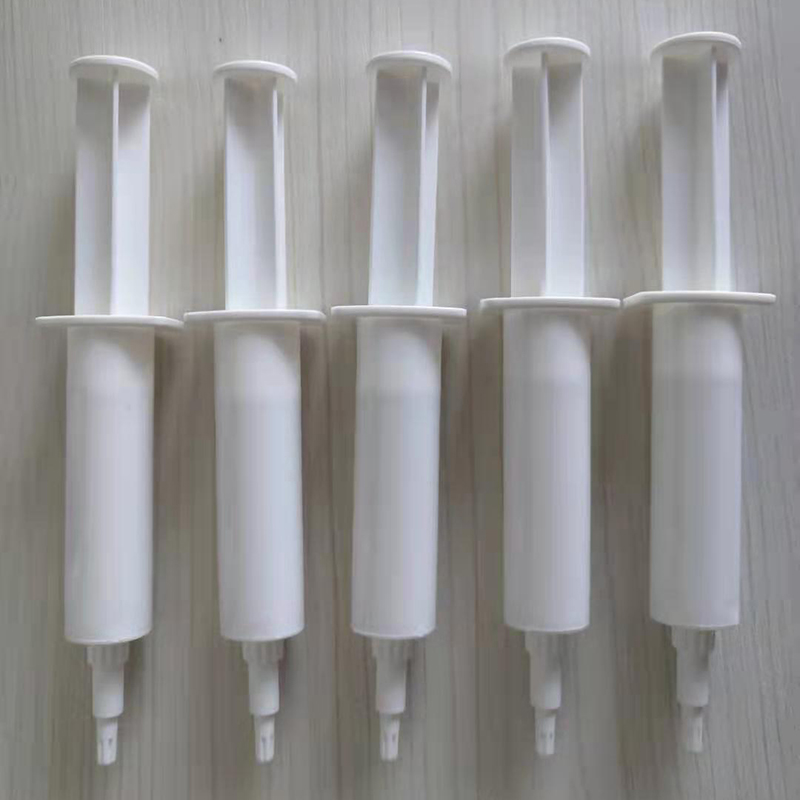
Now, ivermectin itself isn’t new news in veterinary parasitology. But if you’ve ever handled the injectable form, you’ll appreciate how crucial correct formulation and ease of administration are. Oddly enough, injectable ivermectin feels a bit old-school tech in a world leaning heavily towards pour-ons and oral pastes, yet its precision dosing often wins over many cattle producers, myself included.
From what I’ve observed over the years, such wormers help maintain cattle performance by tackling a broad range of worms: from gastrointestinal roundworms to lungworms. In fact, some colleagues I’ve worked with swear by injectable ivermectin during turnout seasons when pasture parasite burdens tend to rise.
What Makes Injectable Ivermectin Stand Out?
The formulation matters. A water-based injectable with standardized ivermectin concentration ensures consistent dosing and reliable absorption. You don’t want to be guessing your dosage because, frankly, that’s where efficacy drops off and resistance can sneak in. One thing I always suggest is to check the product label carefully before use. And keep the injector needle clean and sharp — it makes all the difference when you’re treating a herd.
If you’re interested in sourcing high-quality ivermectin solutions, I recommend visiting rcpetfood.com for reputable products. Their range is geared more toward animal wellbeing, and last I checked, they maintain solid quality control standards.
Injectable Ivermectin Cattle Wormer: Typical Specs
| Specification | Details |
|---|---|
| Active Ingredient | Ivermectin 1% |
| Formulation Type | Injectable solution, sterile |
| Route of Administration | Subcutaneous (under the skin) |
| Dosage | 0.2 mg/kg body weight (usually 1 mL per 50 kg) |
| Packaging | Multi-dose vials (typically 100 mL) |
| Storage | Store below 30°C, protect from light |
Comparing Popular Injectable Ivermectin Vendors
| Vendor | Purity & Concentration | Pricing (Approx.) | Packaging Size | Availability |
|---|---|---|---|---|
| Brand A | Ivermectin 1%, pharmaceutical grade | $45 per 100 mL vial | 100 mL multi-dose | Widely available |
| Brand B | Ivermectin 1%, veterinary standard | $38 per 100 mL vial | 50 mL & 100 mL options | Regional only |
| Brand C | Ivermectin 1%, generic | $30 per 100 mL vial | 100 mL | Online & retail |
In real terms, selecting an injectable ivermectin wormer boils down to quality, ease of administration, and cost-effectiveness. From my experience, investing in well-manufactured products minimizes handling time and risk of underdosing, which is king when preventing resistance among parasites. I remember once treating a stubborn herd with repeated infections — after switching to a trusted injectable ivermectin brand, the improvement was noticeable in just a few weeks. Weight gains resumed, the animals looked brighter, and the farm’s general health metrics improved.
Lastly, remember to always follow veterinary advice and dosage recommendations strictly. Using any antiparasitic too liberally can backfire, you know, by encouraging resistance.
To anyone managing cattle herds, worm control is a constant balancing act, but the injectable ivermectin wormer remains, in my opinion, a reliable and proven tool worth keeping around.
Thanks for reading — I hope this glimpse into practical worm control helps in your decisions!
Sources and further reading:
- Veterinary Parasitol. Journal – Ivermectin and cattle health, 2021
- FDA Guidelines for injectable antiparasitic drugs in livestock
- Field data from practical cattle health management, author’s archive
Post time: December 6, 2025