Understanding Layer Premix Composition: What It Means for Global Agriculture
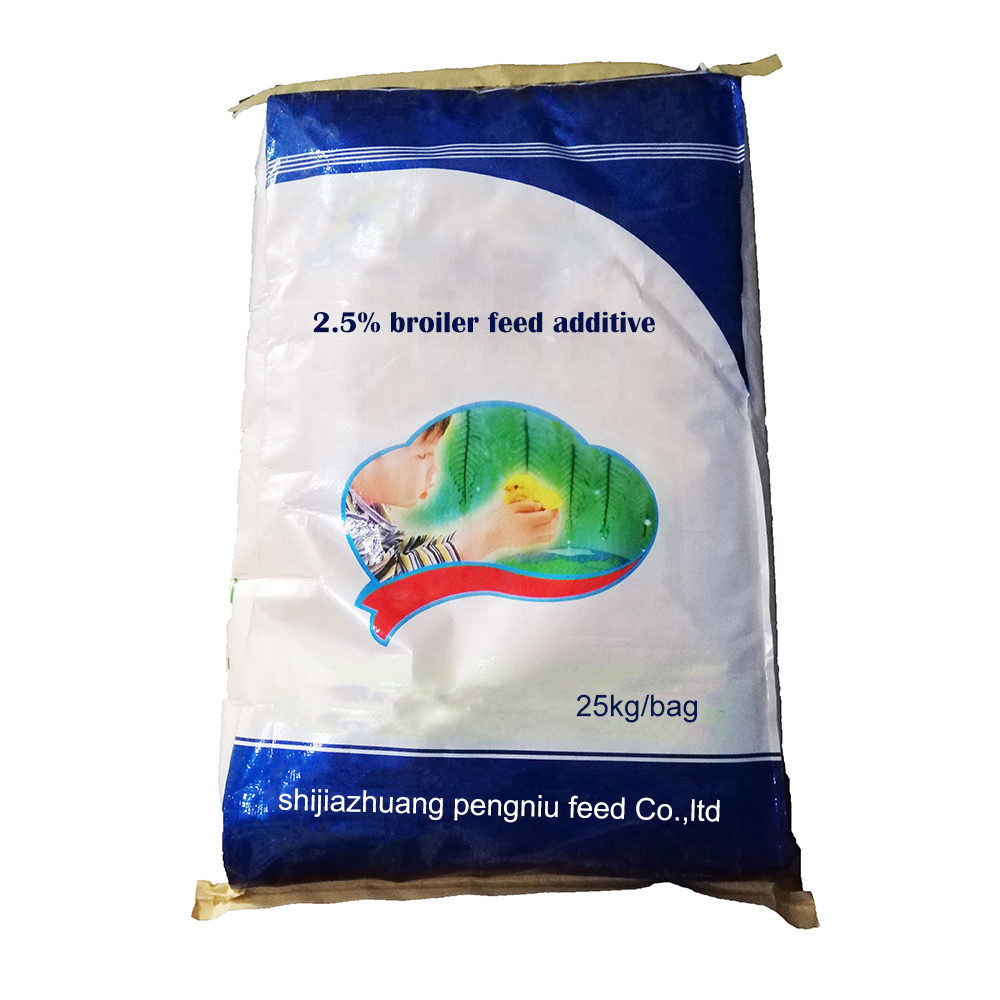
At first glance, “layer premix composition” might sound like a technical phrase reserved for nutritionists or feed formulators. But in reality, it plays a critical part in the global poultry industry, influencing everything from food security to sustainable farming practices. Simply put, it’s the blend of vitamins, minerals, and additives carefully combined and mixed into poultry feed to support the health and productivity of laying hens. Understanding this composition not only benefits producers but also impacts global nutrition and industry sustainability.
Globally, eggs remain a vital source of affordable protein. According to the Food and Agriculture Organization (FAO), over 70 million tons of eggs are produced worldwide annually. Optimizing layer premix compositions can significantly improve egg yield, quality, and flock health — making it a linchpin in food security strategies and economic livelihoods, especially in developing nations.
The Global Context: Why Layer Premix Composition Matters
With the world population projected to hit around 9.8 billion by 2050 (UN estimates), the pressure on food production systems won’t let up anytime soon. In this light, premix formulations for layers directly affect productivity efficiency and environmental impact by reducing waste and supporting bird health. However, many producers still struggle to strike the right balance — often muddling through with generic premixes or poorly sourced micronutrients, which leads to inconsistent egg production and increased costs.
Furthermore, regions facing harsh climates or limited feed ingredient diversity — think parts of Africa, Southeast Asia, or Latin America — especially benefit from custom-tailored premixes. In these settings, a finely tuned layer premix can improve resilience against disease, heat stress, and nutritional deficiencies.
What Exactly Is Layer Premix Composition?
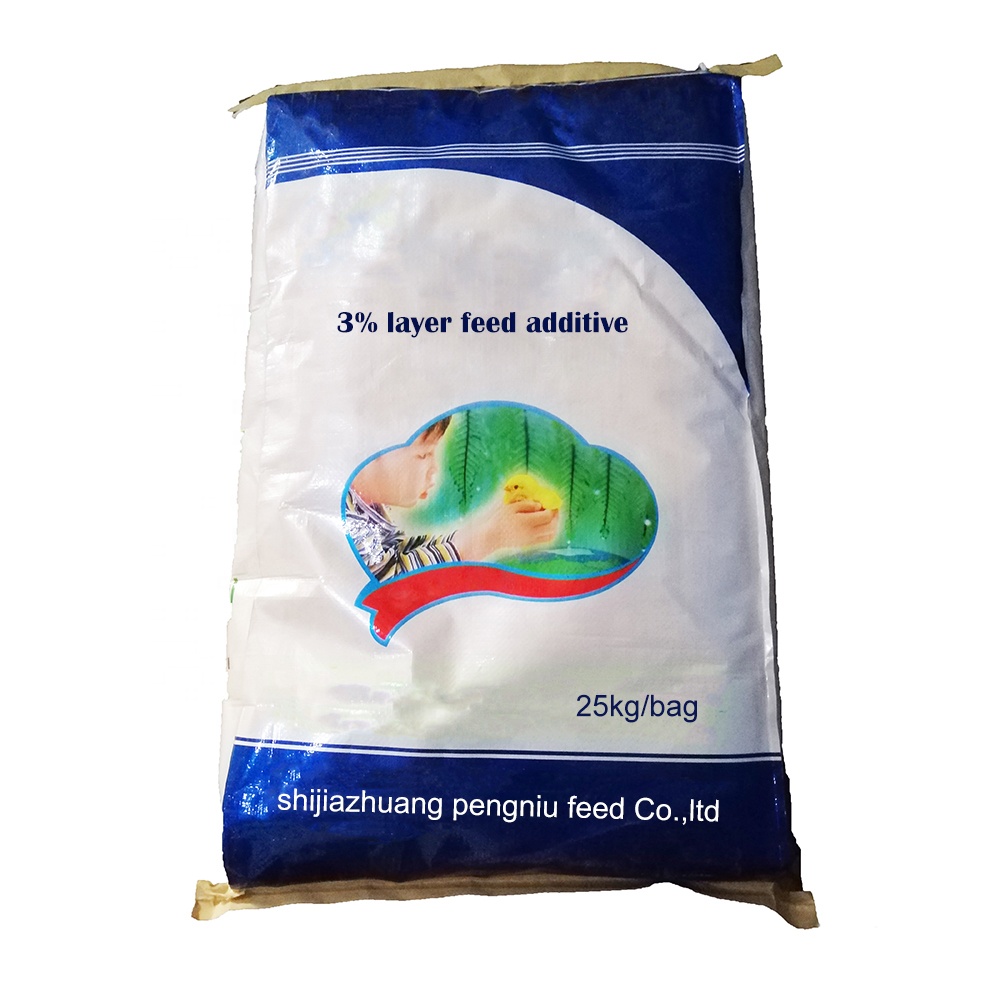
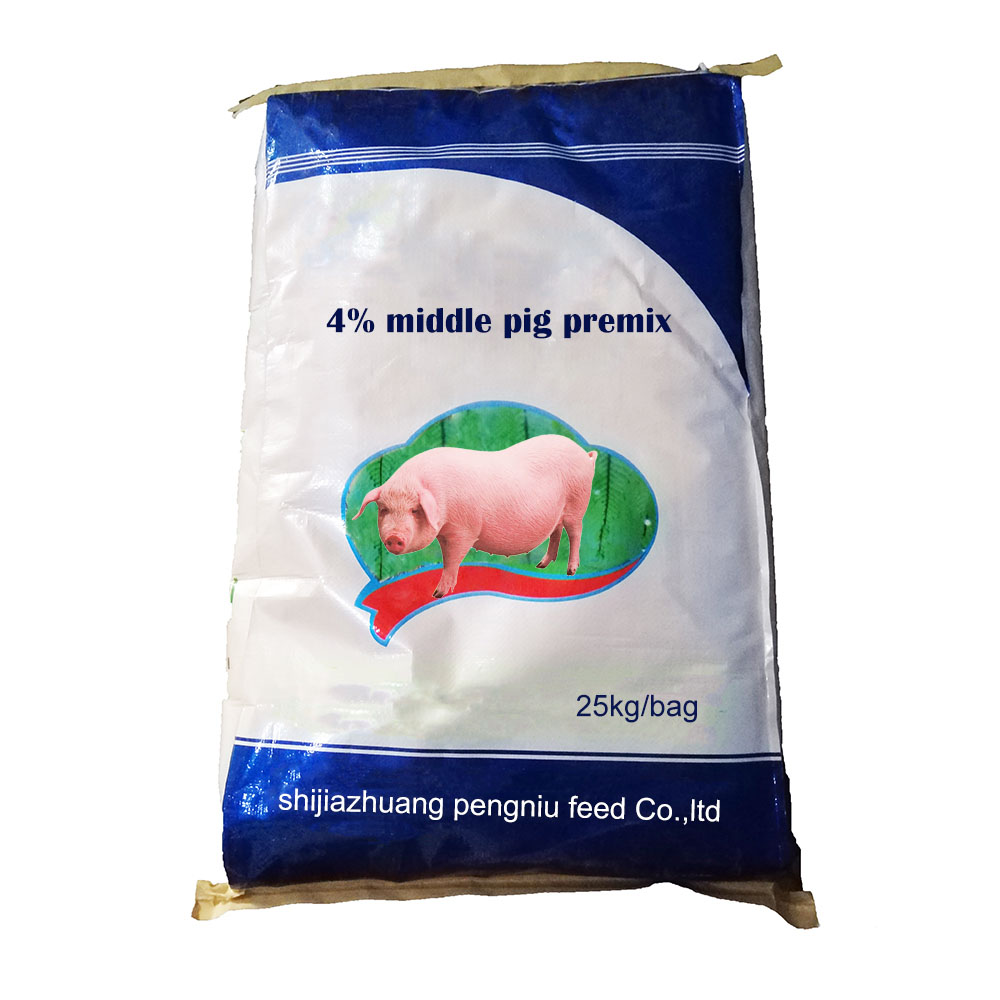
In simple terms, layer premix composition refers to the precise blend of essential micronutrients—vitamins, trace minerals, enzymes, antioxidants, and sometimes antibiotics—mixed together in correct proportions. These blends are then added, typically at a small percentage, to the base feed (like corn or soybean meal), ensuring that laying hens get every nutrient they need for optimal performance.
Think of it like a vitamin cocktail for hens. Without a complete and balanced premix, birds can suffer from lowered egg production, weakened shells, or compromised immune systems. In modern agriculture and humanitarian contexts—such as improving rural livelihoods or emergency poultry interventions—layer premixes act as a crucial tool to meet those nutritional demands efficiently.
Core Components of a Effective Layer Premix
1. Vitamins
Vitamins like A, D3, E, K, and B-complex are fundamental in maintaining metabolic functions, bone health, and immune responses. For example, vitamin D3 specifically aids calcium absorption, critical for eggshell strength.
2. Trace Minerals
Elements such as zinc, manganese, iron, copper, and selenium contribute to enzyme function and antioxidant protection. Selenium, for instance, helps reduce oxidative stress in hens.
3. Enzymes and Additives
Additional enzymes can enhance feed digestibility, while additives may support gut health or reduce pathogen load—crucial in intensive rearing systems.
4. Antibiotics or Alternatives
While antibiotic use is increasingly controlled, some premixes include natural alternatives like probiotics or essential oils to promote health and reduce antibiotic resistance risk.
Mini takeaway: A well-designed layer premix isn’t just random ingredients tossed together. It’s a scientifically balanced formula with measurable benefits to the hen’s physiology.
Real-World Applications: Where Layer Premixes Make a Difference
When you dig into where optimized layer premix compositions actually deliver results, it’s everywhere from backyard farms to huge industrial operations. In the Philippines, for example, integrating premixes suited for tropical climates has boosted local egg production by 15%—a meaningful income bump for smallholders. Similarly, European poultry producers rely on premium premix blends to meet stringent quality standards and sustainability targets.
In humanitarian settings—particularly in post-disaster relief planning—layer premixes become part of survival kits because they ensure rapid flock recovery when feed variety is limited. The World Health Organization has noted that such nutrition-focused interventions can reduce malnutrition in vulnerable communities.
A Sample Layer Premix Composition Specification
| Component | Concentration (per kg premix) | Role |
|---|---|---|
| Vitamin A | 10,000 IU | Growth, vision, immunity |
| Vitamin D3 | 4,000 IU | Calcium absorption, bone health |
| Vitamin E | 40 mg | Antioxidant, cell protection |
| Zinc | 60 mg | Enzyme activation, feather quality |
| Selenium | 0.3 mg | Immune function, antioxidant |
| Enzymes (e.g., phytase) | Varies | Digestibility support |
Comparing Popular Layer Premix Providers
| Provider | Customization Options | Sustainability Initiatives | Price Range |
|---|---|---|---|
| NutraMix Global | Full formula tailoring per region | Carbon-neutral production | $$$ |
| PremiumFeed Co. | Standard premix blends with minor tweaks | Biodegradable packaging | $$ |
| AgriVita Solutions | Custom mineral and vitamin packs | Supports local ingredient sourcing | $ |
Why Layer Premix Composition Is a Game-Changer
First, it dramatically improves efficiency. Laying hens with optimized nutrition convert feed into eggs more effectively, reducing overall feed costs—a major expense for farms. Additionally, better nutrition leads to tougher, higher-quality eggshells, reducing breakage during transport, and ultimately generating less waste.
But beyond economics, it addresses sustainability too. Well-formulated premixes can reduce excess nutrient excretion, which otherwise pollutes soil and waterways. They promote animal welfare by boosting immunity and reducing disease incidence. For producers and consumers alike, this blend represents a subtle yet impactful innovation with broad social benefits.
Emerging Trends & Innovations in Layer Premix Composition
As feed nutrition science evolves, several fascinating innovations are taking shape:
- Precision Nutrition: Using data analytics and layer premix composition models tailored to individual flock genetics or environmental variables.
- Eco-friendly Ingredients: Replacing synthetic additives with natural extracts, organic trace minerals, or fermented products to enhance digestibility and reduce ecological footprints.
- Automation: Advanced mixers capable of producing premixes with micronutrient homogeneity at scale, cutting errors and batch variability.
- Regulatory Shifts: Many areas are restricting antibiotic use, pushing for development of alternatives integrated into premixes, like probiotics or phytogenics.
Interesting to note: A few companies have started trialing blockchain to trace premix component sourcing — this transparency might soon become an industry norm.
Challenges Faced and How to Overcome Them
Despite its potential, several hurdles persist in premix use:
- Ingredient Variability: Trace mineral bioavailability varies by source, so ensuring consistent quality takes rigorous testing.
- Cost Constraints: Some small producers find premium premixes expensive, impacting adoption rates.
- Storage & Stability: Vitamins in premixes degrade over time, requiring careful handling.
Solutions? Formulators increasingly use chelated minerals to improve absorption and reduce required dosages. Economies of scale and better supply chains help drive down prices. Technology upgrades in packaging and mix design improve product stability, extending usability.
Frequently Asked Questions About Layer Premix Composition
Q1: How does layer premix composition affect egg shell quality?
A balanced layer premix, rich in vitamin D3 and calcium-supporting minerals like manganese and zinc, strengthens shell formation. Poorly formulated mixes can lead to brittle or thin shells, increasing waste and economic loss.
Q2: Can layer premixes be customized for different climates?
Absolutely. Premix formulas for tropical zones, for instance, often include more antioxidants and electrolytes to help hens cope with heat stress and oxidative damage.
Q3: How often should layer premix formulas be reviewed?
Industry guidelines suggest at least annually or with any significant feed ingredient change to ensure nutrient balance stays optimal as hens’ requirements shift through production phases.
Q4: Are natural or organic premixes better than synthetic blends?
Both have pros and cons. Natural ingredients may enhance consumer appeal and reduce chemical residues, but synthetic vitamins often have higher potency and consistency. The choice depends on target market needs and regulation.
Q5: Where can I find quality premix suppliers?
Reliable vendors often provide technical support and customization. Consider factors like sustainability, certification, and traceability. You can also explore our recommended resources at RC Pet Food.
Conclusion: Why Paying Attention to Layer Premix Composition Pays Off
Far from being just a dry technical detail, layer premix composition sits at the crossroads of agricultural productivity, animal welfare, and sustainable development. The right mix improves flock health, raises egg quality, and benefits farmers economically and environmentally. It’s no surprise that innovation here is steady, and understanding it offers tangible value for producers and consumers worldwide alike.
If you’re looking for more detailed insights, formulations, or supplier connections — check out our specialized resource on layer premix composition. Investing time in understanding this topic might just be the key to unlocking your operation’s next productivity leap.
References:
Post time: November 28, 2025