Understanding Layer Premix 2.5: A Small Component With Big Impact
At first glance, “layer premix 2.5” might sound a bit obscure to those outside agricultural or feed manufacturing circles. But don’t let the technical name fool you — this is a key ingredient in producing highly nutritious feed for egg-laying poultry all around the world. With global poultry production expected to rise steadily over the next decade (FAO estimates a 1.8% annual increase), understanding the role of high-quality premixes could mean the difference between healthy hens and disappointing yields. Layer premix 2.5 isn't just about nutrition; it’s about feeding the world more efficiently and sustainably.
The Global Context: Why Layer Premix 2.5 Matters Now
According to the United Nations' Food and Agriculture Organization (FAO), poultry meat and egg production form one of the fastest-growing sectors in global agriculture, essential for food security especially in developing countries.1 With over 70 billion chickens raised annually worldwide, feed efficiency is a top priority for farmers and industry alike. Layer premix 2.5 acts as a nutritional booster, providing essential vitamins, minerals, and additives to standard feed. This not only improves egg production rates but also enhances the hens’ health and longevity.
Yet, challenges persist — from balancing cost-effectiveness to adapting formulations for local ingredient availability and climate conditions. That’s where understanding layer premix 2.5’s exact composition and benefits comes into play.
So, What Exactly Is Layer Premix 2.5?
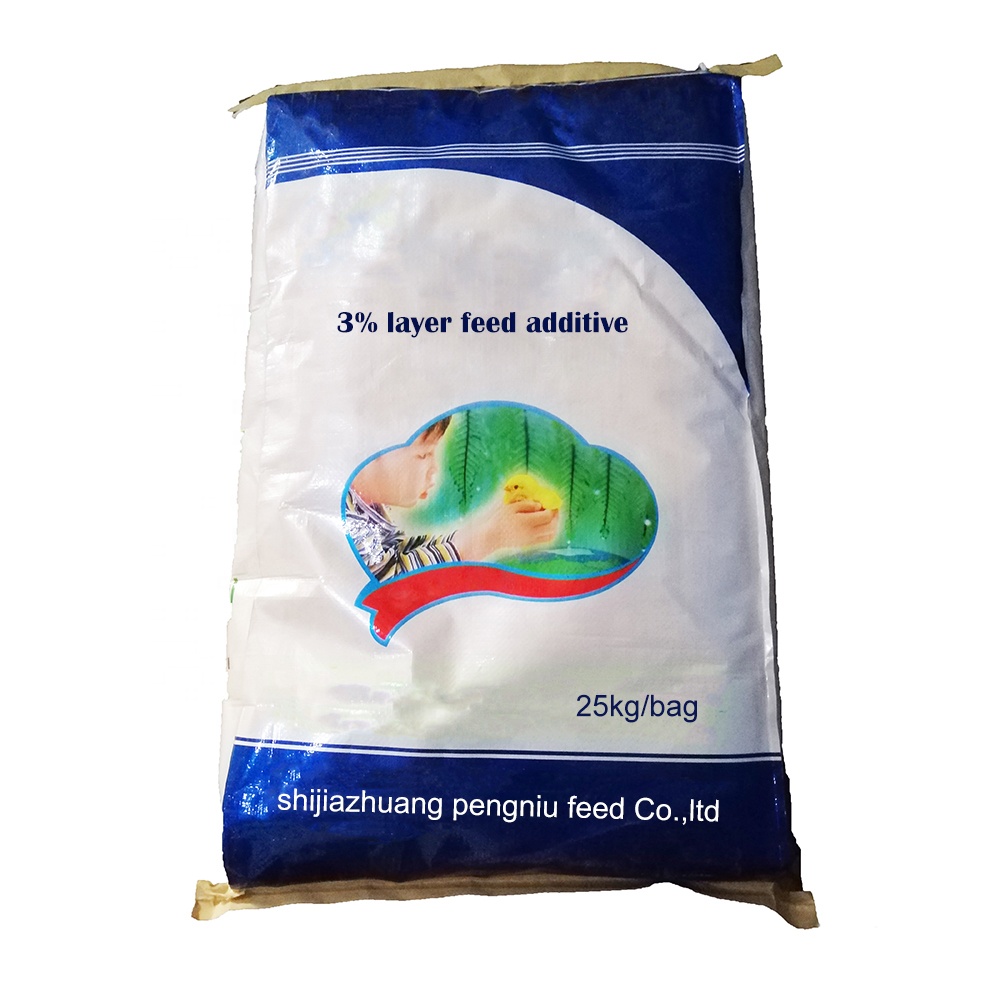
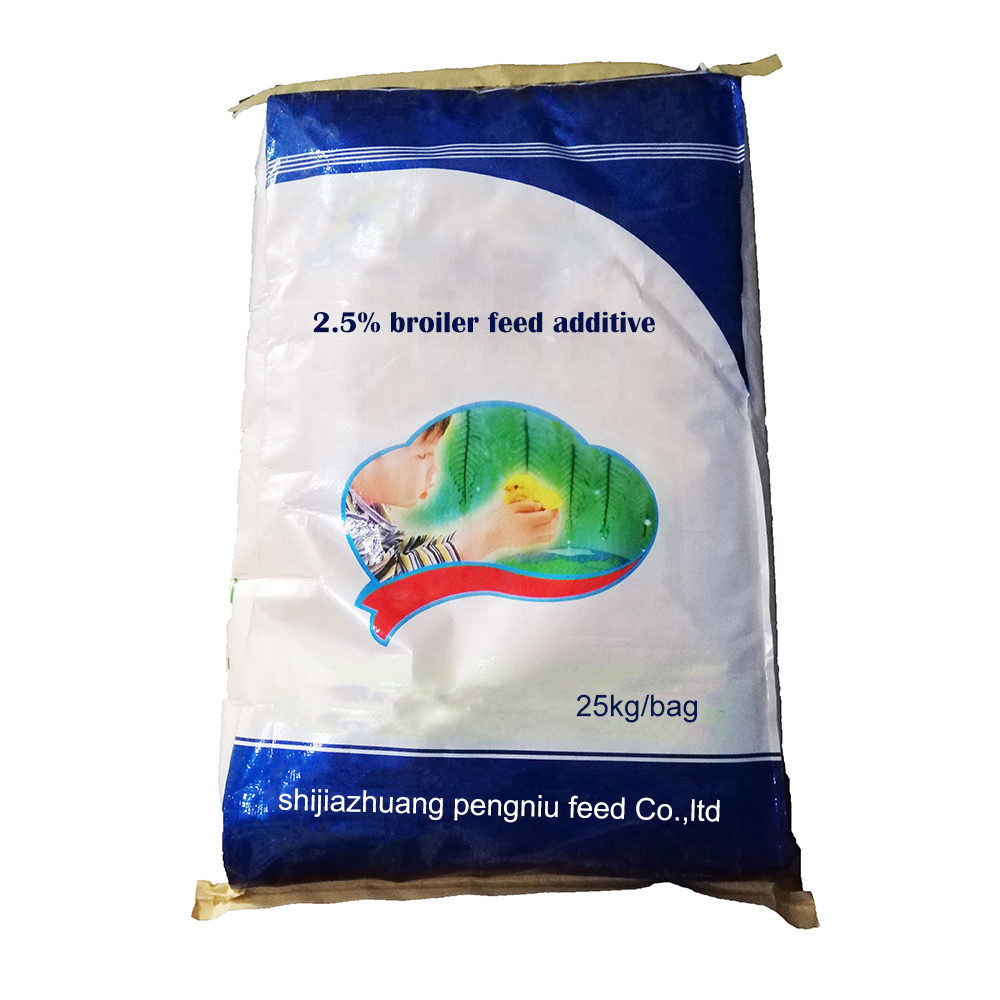
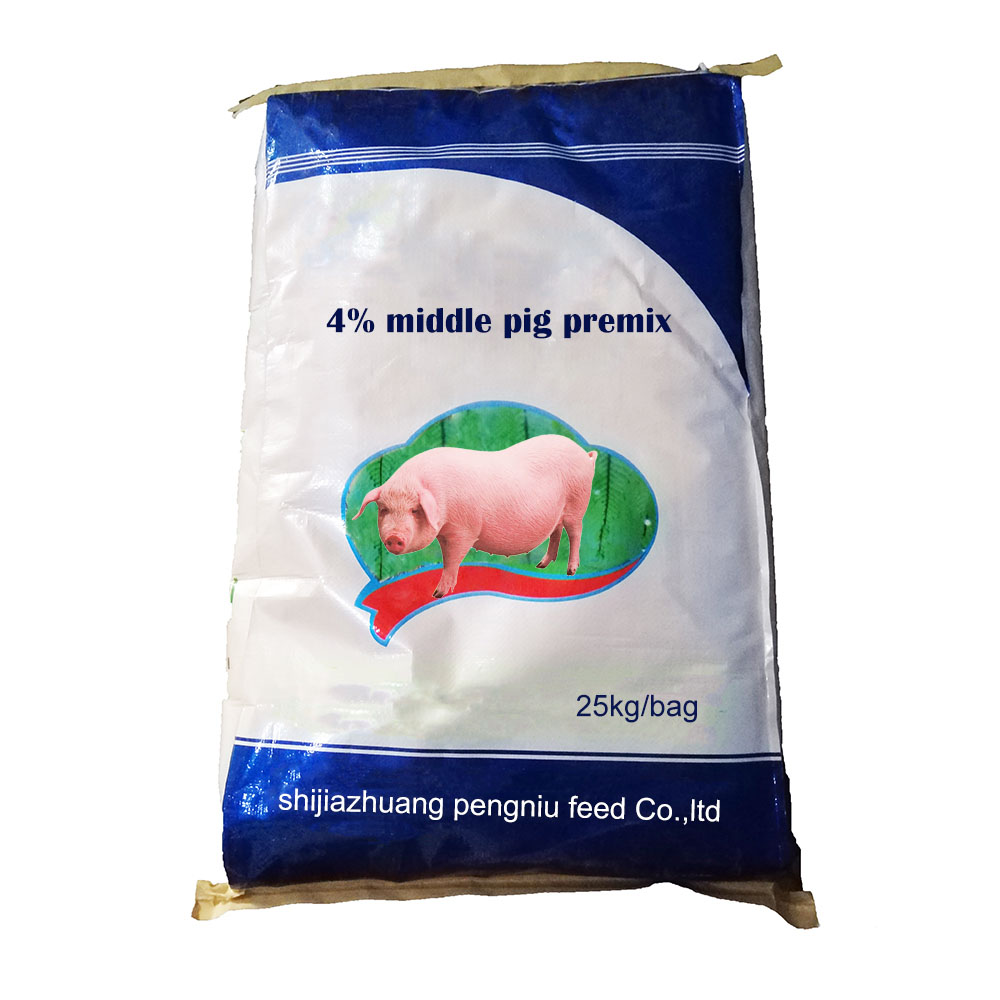
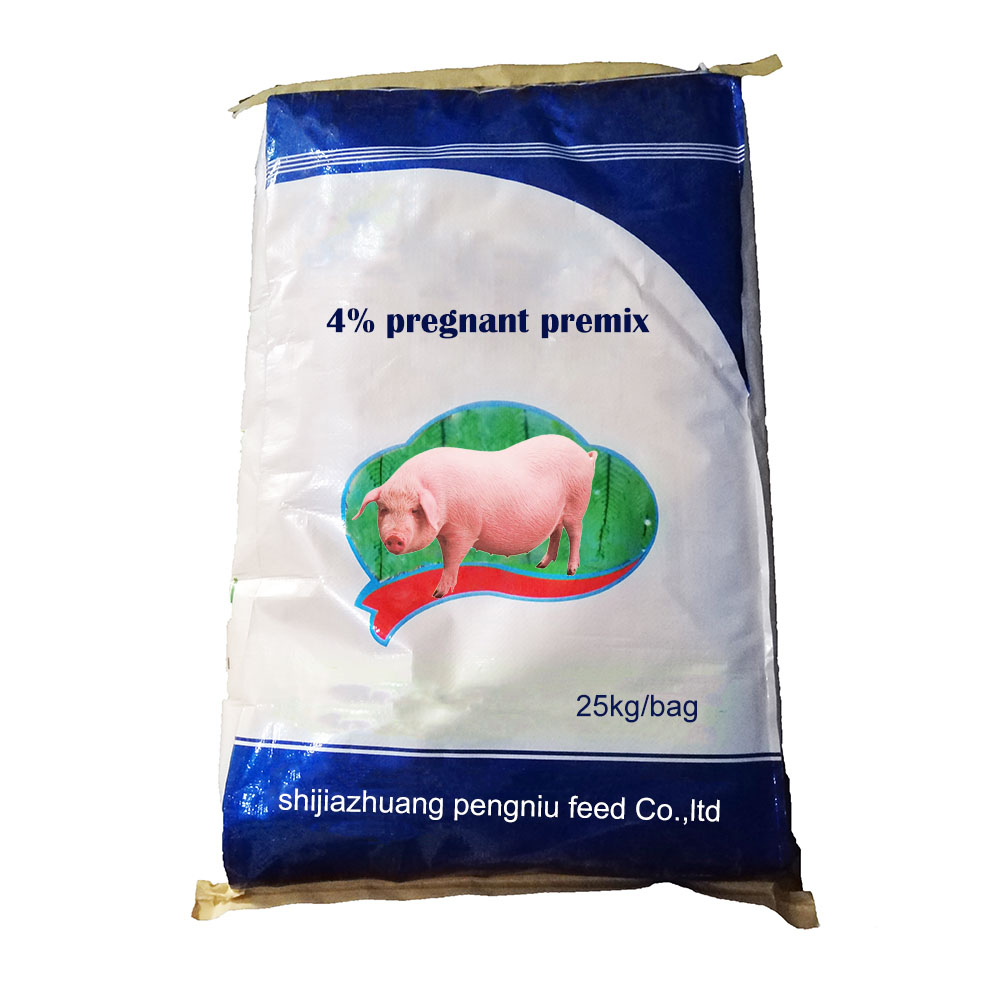
In simple terms, layer premix 2.5 is a precise blend of vitamins, minerals, enzymes, and sometimes probiotics added to poultry feed, specifically designed for laying hens. The “2.5” often refers to the percentage inclusion or a formulation standard; it varies by manufacturer but generally indicates a premix optimized for egg layers rather than broilers or other poultry categories.
Why the fuss? Because hens have very specific nutritional needs once they start laying eggs. The calcium requirements skyrocket to build strong eggshells, while vitamins like D3 and trace minerals like manganese become essential for overall health. Without a quality premix, nutritional deficiencies can quickly cripple productivity.
Key Components of Layer Premix 2.5
- Vitamins: A, D3, E, K, and B-complex vitamins to aid growth and immune function.
- Minerals: Calcium, phosphorus, zinc, manganese, iodine — critical for eggshell formation and metabolism.
- Enzymes: Added to improve digestion and nutrient absorption.
- Probiotics & Prebiotics: Support gut health, which translates to better feed conversion.
Mini Takeaway:
Layer premix 2.5 is a sophisticated yet cost-effective way to ensure hens get exactly what they need during the demanding egg-laying period.
Global Applications and Practical Use Cases
From backyard farms in Southeast Asia to industrial-scale poultry operations in Europe, the use of layer premix 2.5 is widespread and growing. Take, for example, the smallholder poultry projects supported by NGOs in sub-Saharan Africa. They rely on standardized premixes to bridge the nutritional gap where traditional feed ingredients are scarce or inconsistent.2
In industrial zones of Brazil or the US Midwest, feed mills incorporate layer premix 2.5 into their automated mixing lines, assuring consistent quality batch after batch. This standardization helps maintain predictable egg production, reducing waste and inefficiency.
Advantages & Long-term Value of Layer Premix 2.5
The benefits extend beyond immediate egg yield improvements. High-quality premixes contribute to:
- Cost Efficiency: Optimized nutrition reduces feed wastage and veterinary costs.
- Sustainability: Healthy hens with longer productive lives mean fewer resources per egg produced.
- Animal Welfare: Proper nutrition supports immune systems, reducing disease outbreaks and enhancing overall wellbeing.
- Reliability: Consistent premix formulation allows farmers better planning and risk management.
Frankly, it’s a win-win. Farmers gain peace of mind knowing their flocks are nutritionally sound, consumers get better quality eggs, and the planet benefits from more efficient farming practices.
Current Product Specifications for Layer Premix 2.5
| Component | Recommended Inclusion (%) | Main Benefit |
|---|---|---|
| Calcium | 1.0 – 1.5% | Eggshell strength |
| Vitamin D3 | 0.01% | Calcium absorption |
| Trace minerals (Zn, Mn) | 0.02% | Metabolic enzymes & egg formation |
| Vitamin E | 0.005% | Antioxidant support |
| Probiotics | 0.002% | Gut health |
Comparing Leading Layer Premix Vendors
| Vendor | Product Range | Regional Availability | Price Tier |
|---|---|---|---|
| NutraMix Solutions | Standard, Organic, Custom | Global | Mid-High |
| AgriForte | Basic, Enhanced | Asia, Africa | Budget |
| LayerPro Feed Co. | Custom blends only | Europe, North America | High |
Innovations and Future Trends in Layer Premix 2.5
The future looks promising. With rising sustainability demands, manufacturers are exploring bio-based premixes with lower carbon footprints. Digital technology lets feed mills track nutrient delivery in real time, adjusting blends for the flock’s precise needs. Automation and AI-driven feed formulation optimize performance while cutting waste. Some researchers even explore alternative natural additives—like seaweed extracts or insect protein—as components of next-gen premixes.
All this means better eggs and better planet-friendly production methods. It's fascinating how something as granular as premix adjustments can ripple out into global food security efforts.
Challenges & Practical Solutions
The road isn't without potholes. Some common issues include raw material quality variability, supply chain disruption, and incorrect premix inclusion rates at the farm. For example, in emergency relief situations or remote rural areas, getting a consistent supply can be tricky. Many experts recommend on-site training for farmers to correctly integrate premixes and implementing stricter quality audits for feed manufacturers.
Additionally, closer collaboration between ingredient suppliers and feed formulators helps tackle nutrient losses during storage or transport. It often feels like the devil’s in the details, but those details matter when you want to scale.
FAQ: Common Questions About Layer Premix 2.5
- Q: How does layer premix 2.5 improve egg quality?
- A: By providing a balanced supply of vitamins and minerals tailored for laying hens, layer premix 2.5 enhances shell strength, yolk color, and overall egg nutritional value.
- Q: Can I mix layer premix 2.5 directly with basic feed?
- A: It’s best incorporated through professional feed mixers to ensure uniform distribution. Uneven mixing can lead to nutritional gaps.
- Q: Is layer premix 2.5 suitable for organic poultry farming?
- A: Specialized organic-certified premixes exist. Always check vendor certifications to ensure compliance with organic standards.
- Q: How does climate affect premix formulation?
- A: Climate impacts nutrient needs; for example, hens in hot regions require more antioxidants and vitamins to reduce heat stress. Premixes are often regionally adjusted accordingly.
Conclusion: The Quiet Hero of Egg Production
In the big picture of agricultural production, layer premix 2.5 might not grab headlines, but it quietly underpins one of humanity’s staple protein sources: the egg. From boosting productivity and animal wellbeing to enabling sustainable farming practices, it exemplifies the small, smart innovations that make a massive difference in food systems worldwide.
Curious to see how a well-crafted premix blend can transform your poultry feed? Don’t hesitate — visit our website: layer premix 2.5 and discover tailored solutions for your flock’s success.
References
Post time: November 28, 2025