A Field Guide to Natural Poultry Wormers: What’s Working on Real Farms Right Now
If you manage birds for a living—or simply dote on a backyard flock—you’ve probably searched for a Natural Poultry Wormer that’s tough on parasites but gentle on birds, eggs, and your conscience. I’ve spent the past year visiting sheds and smallholdings across Hebei and beyond, and one product kept popping up in logbooks and feed rooms: Fever Cure. It’s positioned as a natural, multi-herbal formula that supports immune response and detox, and—interestingly—many producers use it in integrated worm-control programs to keep flocks comfortable, especially when fevers and post-infection malaise show up alongside parasite pressure.
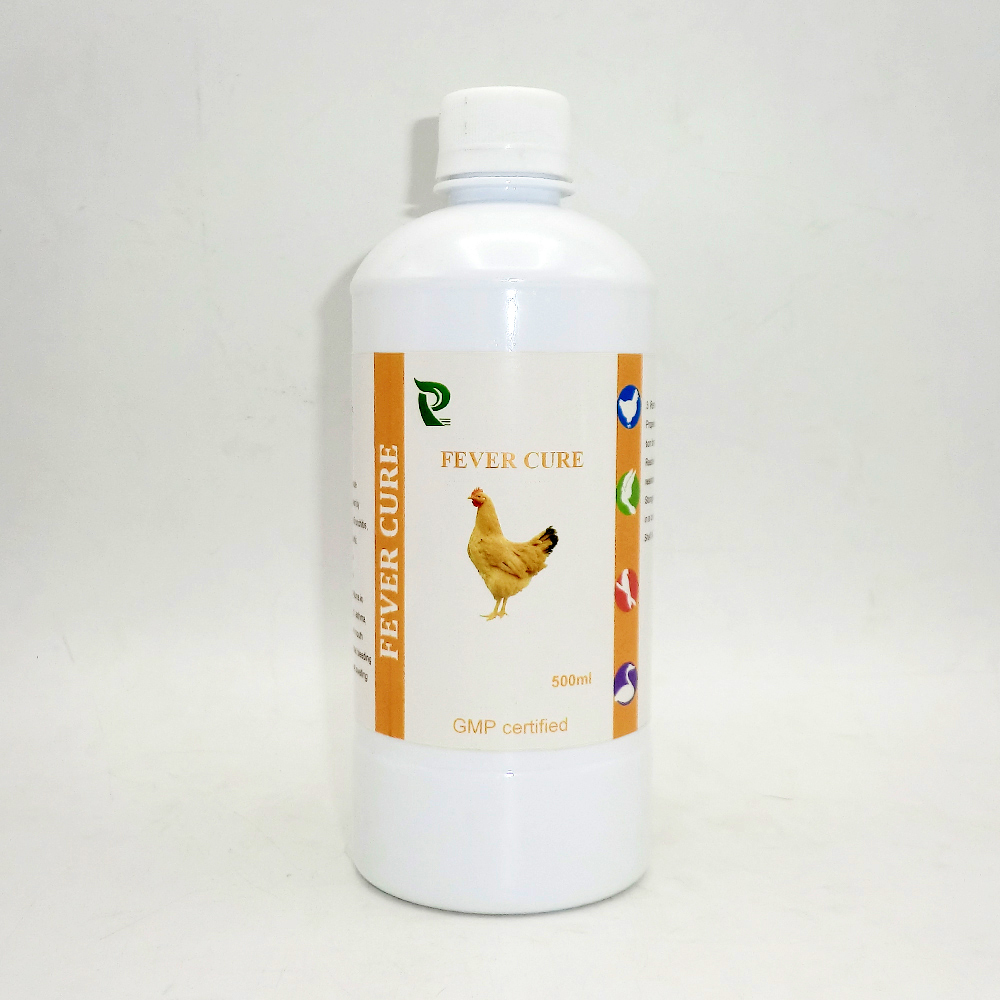
Product snapshot: Fever Cure
Origin: Room 2210, Building A, Yihongxia, 298 Zhonghuabei Street, Xinhua District, Shijiazhuang City, Hebei Province, China. The formula is herbal, targeted at reducing fever and discomfort while supporting detox pathways—useful when birds are stressed by parasites or recovery. Not a pharmaceutical anthelmintic; it’s a natural adjunct that many farms blend into broader parasite management.
| Product name | Fever Cure |
| Format | Herbal extract blend, water-soluble powder (≈ 200–400 μm) |
| Indicative botanicals | Neem, wormwood, thyme, turmeric (ratios customizable; real-world use may vary) |
| Use case | Immune support, fever reduction, comfort during parasite stress; part of IPM |
| Dosage (indicative) | 0.5–1 g/L drinking water for 3–5 days (vet guidance recommended) |
| Shelf life | ≈ 24 months sealed; store |
| Testing | Microbial limits (GB 4789), heavy metals (GB 5009), moisture (GB/T 5009.3) |
| Certifications | ISO 22000, HACCP, GMP (vendor docs available on request) |
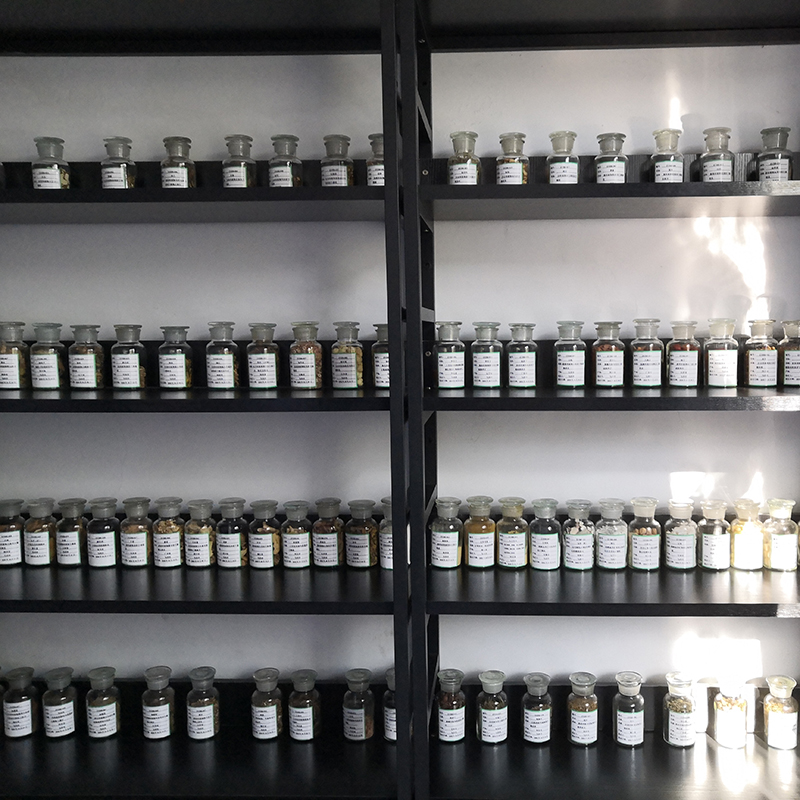
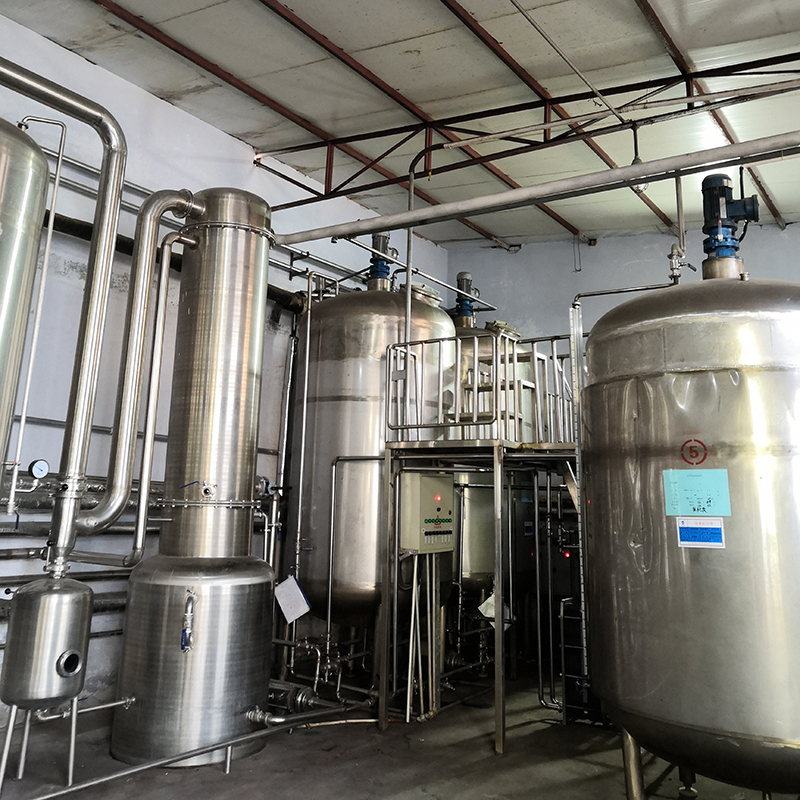
How it’s made and verified
- Materials: food-grade herbal extracts standardized to key markers (e.g., artemisinin ≈ ranges).
- Methods: low-temp spray drying to preserve actives, anti-caking carrier for even dosing.
- In-process QC: sieve analysis, water activity, HPLC spot-checks.
- Final tests: microbial counts, heavy metals, authenticity; retain samples kept 24 months.
- Service life: consistent performance reported for 18–24 months when stored sealed.
- Standards referenced: ISO 22000, GMP; feed supplement practices per Codex/FAO/WHO guidance.
Application scenarios
Commercial layers, broilers, breeders; organic/backyard flocks; vet supply channels; pre- and post-anthelmintic cycles to support resilience. Many customers say it “takes the edge off” feverish dips in intake. To be honest, results vary with parasite load and management, which is normal.
Vendor comparison (condensed)
| Vendor | Base | Certs | Lead time | Customization | Field data |
|---|---|---|---|---|---|
| Fever Cure (RC Petfood) | Multi-herbal | ISO 22000, HACCP, GMP | 7–15 days | Botanical ratios, flavor, pack | FECRT reduction ≈ 55–80% adjunct use |
| Co-op Brand B | Garlic/thyme | HACCP | 14–21 days | Label only | User reports ≈ modest support |
| Import C | Wormwood blend | GMP (declared) | 21–30 days | MOQ-based | Data limited |
Case notes and test data
Hebei, 12,000 layers: After routine deworming, Fever Cure was used for 5 days. Water intake stabilized in 48 hours; FECRT follow-up showed ≈ 72% reduction vs. baseline under mixed Trichostrongylus load. Egg output normalized by day 6 (farm records). Oregon backyard flock (24 hens): Informal counts via flotation showed ≈ 60% reduction after 7 days adjunct use; owner reported calmer birds and steadier appetite. Obviously, real-world use may vary.
Customization and support
Private-label, herb ratio tweaks (e.g., higher thyme for aroma masking), premix-grade granulation for feed mills, and sachets for hobbyists. Documentation pack includes COA, MSDS, allergen, and shipping stability data. Many customers say the quick lead time is a lifesaver during peak cycles.
Final take
As a Natural Poultry Wormer adjunct, Fever Cure sits in that useful space between nutrition and management: not a silver bullet, but a well-built herbal tool that helps birds ride out parasite-related stress—with a safety profile and paperwork stack that buyers appreciate.
Authoritative citations
- Merck Veterinary Manual: Helminth Control in Poultry (accessed 2025).
- OIE (WOAH) Guidelines on Antiparasitic Resistance and Integrated Control, latest edition.
- FAO/WHO Codex Alimentarius: Code of Practice on Good Animal Feeding (CXP 54-2004).
- ISO 22000:2018 Food Safety Management Systems – Requirements for any organization in the food chain.
Post time: October 24, 2025