What’s Moving the Poultry Vitamin And Mineral Premix Market Right Now
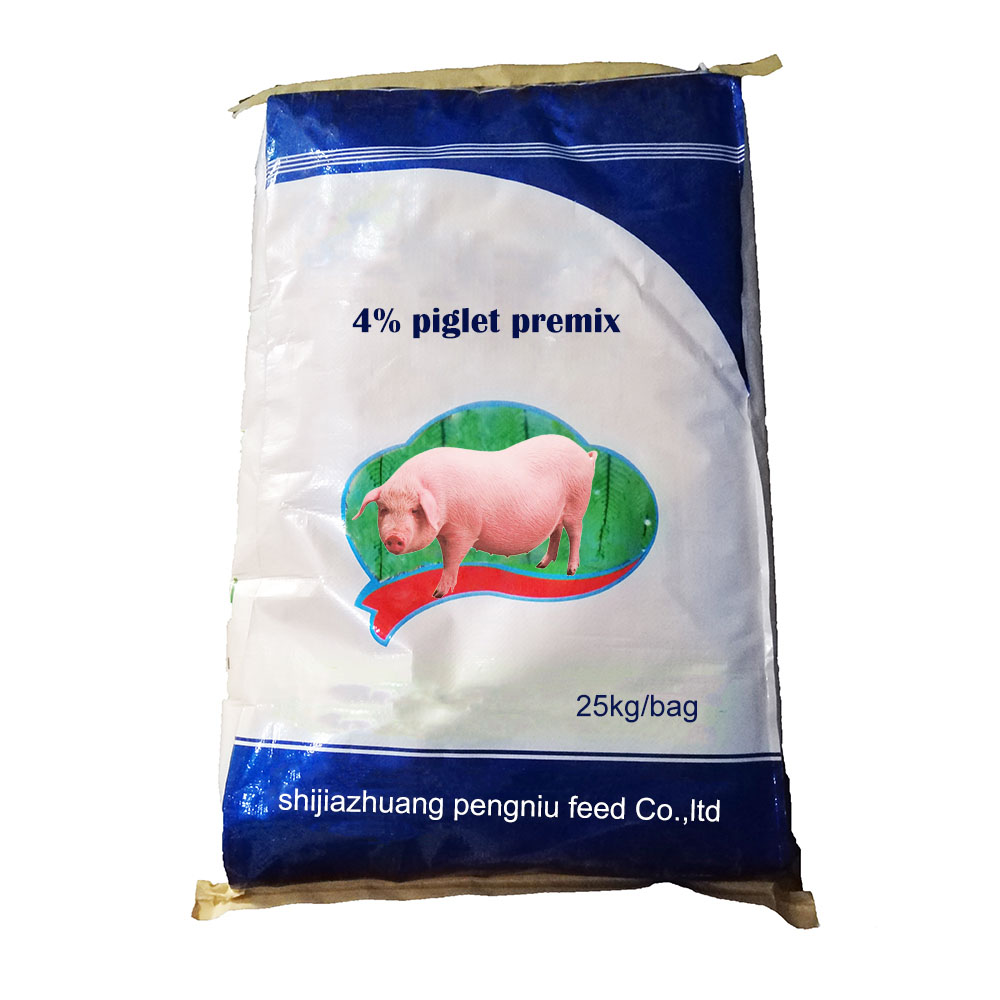
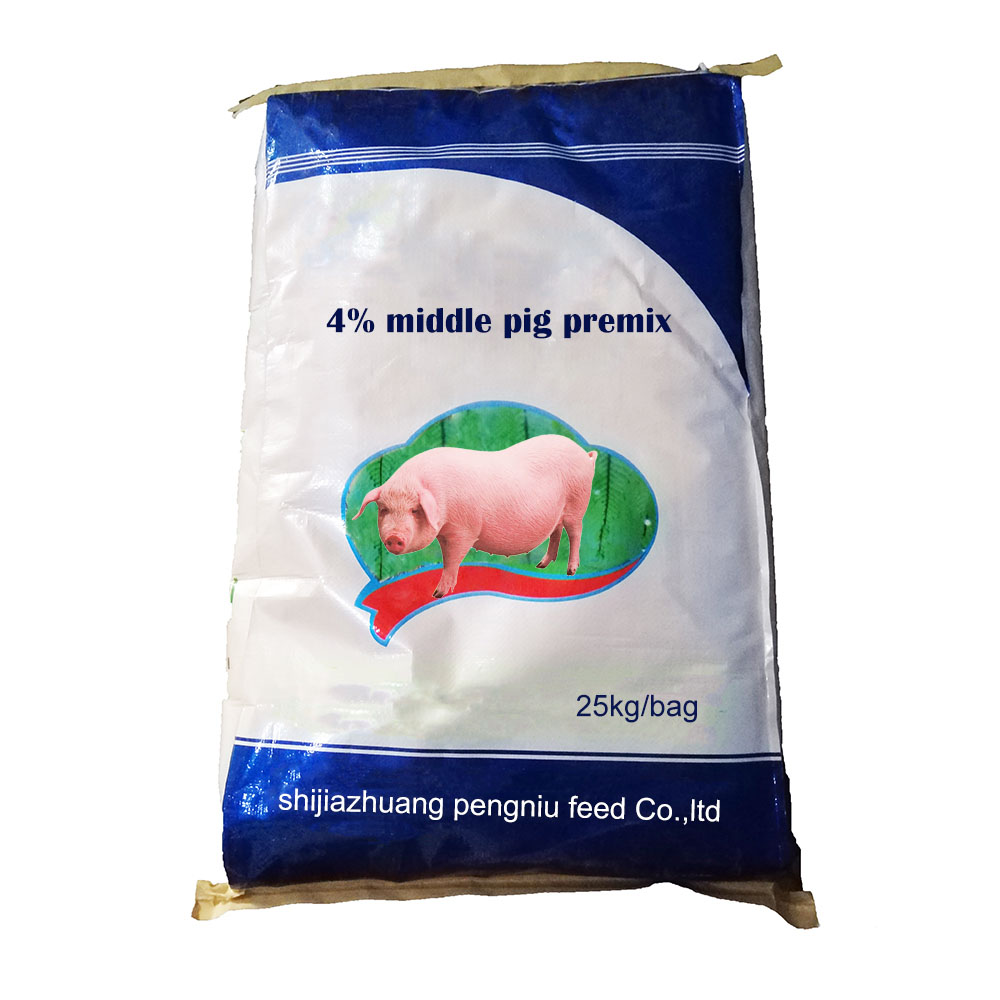
If you’ve been pricing a Poultry Vitamin And Mineral Premix lately, you’ve probably noticed two things: demand is up, and so is scrutiny. Large integrators want tighter specs; smallholders want simple, plug-and-play dosing. Interestingly, one of the more reliable signals I watch comes from cross-species premix technology—like the robust blending and QA used in the 4% middle pig feed premix segment—spilling over into poultry lines. Different birds, same obsession with uniformity and stability.
Industry trends (short version)
- Higher vitamin E and D3 baselines for robust immunity and bone strength.
- Trace mineral bioavailability: more chelated Zn/Mn/Cu, less oxide-only formulas.
- Cleaner carriers and anti-caking agents to protect vitamin potency.
- Data-first QA: ICP-OES mineral assays and HPLC vitamin stability checks, not just label claims.
Technical snapshot: a modern Poultry Vitamin And Mineral Premix
| Parameter | Typical spec (≈) | Method / Note |
|---|---|---|
| Vitamin A | 8–12 MIU/kg | HPLC; stabilized beadlets |
| Vitamin D3 | 2–3 MIU/kg | HPLC; light-protected |
| Vitamin E | 20,000–30,000 IU/kg | HPLC; tocopherol acetate |
| Trace minerals (Zn/Mn/Fe/Cu/I/Se) | Chelate + sulfate blend; Zn 40–60 g/kg | ICP-OES; bioavailability focus |
| Carrier | Dicalcium phosphate / limestone | Low moisture, flow aids as needed |
| Inclusion rate | ≈ 1.0–2.5 kg/ton finished feed | Real-world use may vary by breed/goal |
From materials to mix: how it’s actually made
- Materials: stabilized vitamins (A, D3, E, K, B-complex, choline), trace minerals (Zn, Mn, Fe, Cu, I, Se), carriers, anti-caking, sometimes enzymes/antioxidants.
- Weighing & micro-dosing: computer-controlled, lot tracked; CV targets ≤5% for micro-nutrients.
- Blending: ribbon or paddle mixer, 120–240 s; sieve and metal detection after blend.
- Sampling: stratified grab samples; uniformity tested by marker minerals.
- Stability: accelerated and real-time vitamin retention checks.
- Packing: moisture-barrier bags, nitrogen flush for sensitive blends (when specified).
Where it’s used (and why)
Broilers chasing FCR, layers needing shell quality, breeders focused on hatchability—each benefits from a tuned Poultry Vitamin And Mineral Premix. Many customers say tighter D3/E and chelated Zn cut leg issues and improve shell uniformity, surprisingly fast, within one to two flock cycles.
Vendor comparison (field-notes style)
| Vendor | Certs | Lead time | Customization | Lab testing | Price index |
|---|---|---|---|---|---|
| RCPetfood (premix division) | ISO 22000, HACCP, FAMI-QS | ≈ 10–15 days | High (chelate ratios, carriers) | In-house + ISO 17025 partners | $ (value) |
| Generic A (regional mill) | HACCP | 7–20 days | Medium | Basic COA | $ |
| Import B (premium) | FAMI-QS, GMP+ | 20–35 days | High | Extensive third-party | $$$ |
Customization and service life
Cage-free programs often push D3 and Mn; hot-climate broilers lean on E and electrolyte support; breeder lines need higher biotin/folate. A tailored Poultry Vitamin And Mineral Premix usually carries a 12-month shelf life unopened (cool, dry,
Testing, standards, and real data
Typical QA: vitamins by HPLC (AOAC), minerals by ICP-OES; uniformity CV ≤5%; mycotoxin screen as needed. Compliance often aligns with ISO 22000/HACCP, FAMI-QS, and regional feed hygiene rules (e.g., GB 13078—2017). On large farms we’ve seen FCR improve ≈ 1–2% and shell crack rate drop 0.5–1.0 pp, assuming good base diet and management.
Quick case notes
Broilers, 1.2M bird complex: chelated Zn/Cu premix swap, E boosted from 100 to 125 IU/kg feed. Over two cycles, mortality -0.3 pp; FCR improved from 1.62 to 1.60. Nothing flashy—just compounding gains.
Layers, 220k cage-free: D3 + Mn adjustment, added organic Se. Shell crack rate fell from 6.1% to 5.2% within 5 weeks; egg mass +1.3 g/day. Farm attributed 70% of improvement to the premix, remainder to ventilation tweaks.
Origin and contact
Many of the processes described here are practiced by teams at Room 2210, Building A, Yihongxia, 298 Zhonghuabei Street, Xinhua District, Shijiazhuang City, Hebei Province, China. The manufacturing rigor visible in their 4% middle pig feed premix is the same discipline they apply when formulating a Poultry Vitamin And Mineral Premix.
References
- NRC. Nutrient Requirements of Poultry, 9th rev. ed.
- FAO/WHO Codex Alimentarius. General Principles of Food Hygiene & HACCP.
- FAMI-QS Code of Practice for Feed Additives and Premixtures.
- AOAC International. Official Methods for Vitamins and Minerals.
- GB 13078—2017. Hygienic Standard for Feeds (China).
- EFSA. Scientific opinions on trace minerals bioavailability in poultry.
Post time: October 25, 2025