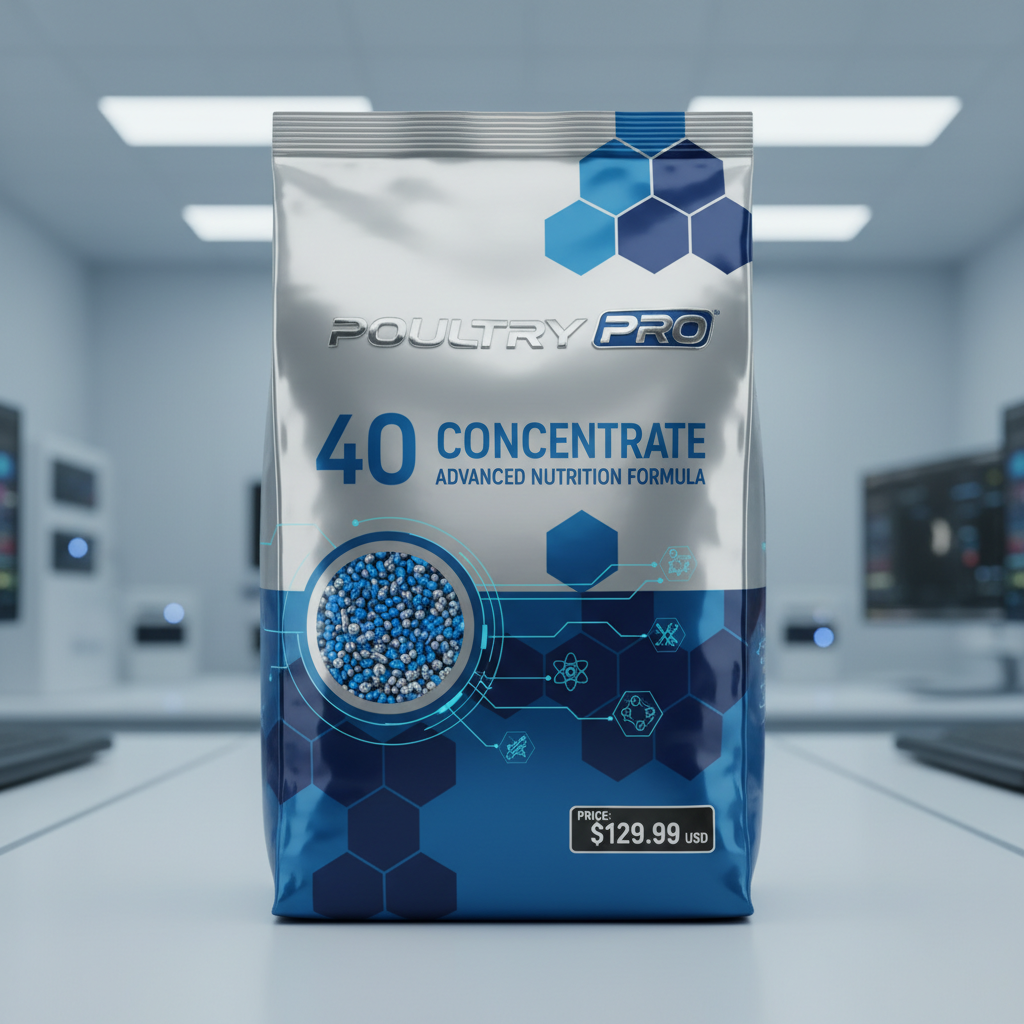
The world of poultry farming is a complex one, and at its heart lies the crucial element of feed. Specifically, the 40 concentrate poultry feed price is a key indicator of profitability for farmers and a major factor in the cost of poultry products for consumers. Understanding this price isn’t just about numbers; it's about understanding the global supply chain, the cost of raw materials like corn and soybeans, and even geopolitical events that can impact agricultural markets. A fluctuating 40 concentrate poultry feed price can make or break a small farm, and even large-scale operations need to carefully manage this expense to remain competitive.
Globally, the demand for poultry is steadily increasing, driven by population growth and changing dietary habits. This increased demand puts pressure on feed production, directly impacting the 40 concentrate poultry feed price. We're seeing a greater need for efficient and sustainable feed solutions, and price plays a huge role in that. Factors such as weather patterns affecting crop yields, transportation costs, and trade policies all contribute to the volatility we observe in the market. Keeping a close eye on these trends is critical for anyone involved in the poultry industry.
The 40 concentrate refers to the percentage of protein contained within the feed, and it’s often a base mix requiring supplementation depending on the age and type of poultry. It’s a foundational element in raising healthy, productive birds. Modern poultry farming relies heavily on optimized feed formulations, and the 40 concentrate poultry feed price is a core element in making those formulations economically viable. It’s not simply about the cheapest option; it’s about finding the best value – maximizing bird growth and health while minimizing cost.
The Global Significance of 40 Concentrate Poultry Feed Price
The 40 concentrate poultry feed price isn’t confined to local markets; it's a globally interconnected element. The United Nations Food and Agriculture Organization (FAO) constantly monitors global feed prices, recognizing their impact on food security, particularly in developing nations. Fluctuations in the price of corn and soybeans – the primary ingredients in most poultry feed – are reported by the World Bank as major influences on agricultural commodity prices worldwide. Essentially, what happens in the cornfields of Iowa impacts the cost of chicken in Indonesia.
The challenge lies in ensuring a stable and affordable supply of feed, particularly as global populations continue to grow. We’re seeing increased demand for poultry as a relatively affordable protein source, putting additional strain on feed production. This means that understanding the factors that drive the 40 concentrate poultry feed price – from weather patterns to trade agreements – is more critical than ever before.
Defining 40 Concentrate Poultry Feed Price
Simply put, the 40 concentrate poultry feed price represents the cost of a feed mixture containing 40% crude protein. It’s typically a base ration, meaning it needs to be supplemented with other ingredients – vitamins, minerals, and sometimes additional energy sources – to meet the specific nutritional needs of the birds at different stages of growth. Think of it like a foundational building block. The price reflects the cost of the raw materials (corn, soybean meal, sunflower meal, etc.), processing, transportation, and distribution.
It’s important to differentiate between the price of the concentrate itself and the final feed cost. Farmers don’t usually buy just the 40 concentrate; they purchase a complete feed formulation tailored to their flock. However, the 40 concentrate price is a major driver of the overall feed cost, often representing a significant portion of the total expenditure.
In today's industry, it's inextricably linked to modern food production and humanitarian efforts. Reliable and affordable feed, supported by a stable 40 concentrate poultry feed price, is essential for providing a sustainable protein source to a growing world population. This ties directly into initiatives promoting food security and nutritional wellbeing, especially in regions facing resource limitations.
Key Factors Influencing 40 Concentrate Poultry Feed Price
Several factors contribute to the fluctuating 40 concentrate poultry feed price. Raw material costs – primarily corn and soybean meal – are paramount. Weather events (droughts, floods) impacting crop yields in major producing regions (the US, Brazil, Argentina) can quickly drive up prices. Global demand, particularly from rapidly growing economies like China, also plays a significant role.
Transportation costs are another crucial element. Fuel prices, shipping rates, and logistical bottlenecks can all add to the final cost of the feed. Geopolitical events – trade wars, political instability – can disrupt supply chains and create price volatility. Even currency exchange rates can have an impact, especially for countries that rely on imported feed ingredients.
Finally, domestic policies – government subsidies, tariffs, and trade agreements – can influence the 40 concentrate poultry feed price within specific countries. For instance, biofuel mandates can drive up corn prices, as some corn is diverted for ethanol production rather than feed.
Global Applications and Use Cases
The 40 concentrate poultry feed price impacts poultry production across the globe. In the United States, it's a major consideration for large-scale broiler and egg producers, dictating profitability and driving efficiency improvements. In Brazil, a major exporter of poultry, the price influences international competitiveness.
In developing countries, particularly in Africa and Asia, the 40 concentrate poultry feed price can be a barrier to entry for small-scale farmers. Access to affordable feed is often a limiting factor in expanding poultry production and improving food security. Organizations like Heifer International and the FAO work to provide resources and training to help farmers optimize feed formulations and reduce costs.
Even in post-disaster relief operations, access to affordable poultry feed – built upon a manageable 40 concentrate poultry feed price – can be crucial for restoring livelihoods and providing a sustainable food source to affected communities. Establishing local feed production capacity can be a key component of long-term recovery efforts.
40 Concentrate Poultry Feed Price - Regional Variations
Advantages and Long-Term Value
Controlling the 40 concentrate poultry feed price offers tangible benefits to farmers and the industry as a whole. Lower feed costs translate directly into increased profitability, allowing farmers to reinvest in their operations, improve infrastructure, and adopt more sustainable practices. It also keeps poultry products affordable for consumers.
From a sustainability standpoint, optimizing feed formulations and reducing waste minimizes the environmental impact of poultry production. This includes reducing land use, water consumption, and greenhouse gas emissions. A stable and predictable 40 concentrate poultry feed price encourages long-term planning and investment in efficiency improvements.
Future Trends and Innovations
The future of poultry feed is likely to involve increased use of alternative protein sources, such as insect meal and algae. These ingredients can reduce reliance on traditional soy and corn, mitigating the impact of fluctuating commodity prices. Precision feeding – tailoring feed formulations to the specific needs of individual birds – will become more prevalent.
Digital technologies, such as blockchain, can improve traceability and transparency in the feed supply chain, ensuring quality and preventing fraud. We're also seeing innovation in feed processing techniques, aimed at improving digestibility and nutrient absorption. All of these trends will play a role in managing the 40 concentrate poultry feed price and creating a more sustainable and resilient poultry industry.
Challenges and Solutions
One of the biggest challenges is the inherent volatility of the 40 concentrate poultry feed price. Farmers need strategies to mitigate this risk, such as forward contracting, hedging, and diversifying their feed sources. Improving storage and logistics infrastructure can also help reduce costs and minimize waste.
Another challenge is the increasing demand for sustainable feed ingredients. Sourcing alternative proteins can be more expensive, requiring innovation and government support to make them economically viable. Investing in research and development is crucial for identifying and scaling up sustainable feed solutions.
Developing regional feed production capacity in developing countries can also help reduce reliance on imports and create local economic opportunities. This requires investment in infrastructure, technology, and training.
Core Summary of Theme Seven: Strategies for Managing 40 Concentrate Poultry Feed Price Fluctuations
| Strategy |
Implementation Difficulty (1-10) |
Cost of Implementation |
Potential Price Stabilization Impact (1-10) |
| Forward Contracting |
6 |
Low |
7 |
| Hedging |
8 |
Medium |
8 |
| Diversifying Feed Sources |
5 |
Medium |
6 |
| Investing in On-Farm Storage |
4 |
High |
5 |
| Implementing Precision Feeding |
7 |
Medium |
7 |
| Supporting Regional Feed Production |
9 |
Very High |
9 |
FAQS
The most significant factors are the price of raw materials – primarily corn and soybean meal – alongside global demand, weather conditions affecting crop yields, and transportation costs. Geopolitical events and trade policies also play a crucial role in influencing price fluctuations. Understanding these interconnected elements is key to predicting market trends.
Farmers can utilize several strategies, including forward contracting to lock in prices, hedging to offset potential losses, diversifying feed sources to reduce reliance on single ingredients, and improving storage infrastructure to minimize waste. Strategic planning and risk management are vital for protecting profitability.
We’re seeing growing interest in alternative protein sources like insect meal and algae, precision feeding technologies tailored to individual bird needs, and increased use of digital tools like blockchain for supply chain traceability. These innovations aim to improve feed efficiency and sustainability while potentially lowering costs.
Government subsidies, tariffs, and trade agreements can significantly impact feed prices. Biofuel mandates, which divert corn for ethanol production, can also drive up costs. Regulations related to feed ingredient safety and environmental standards also play a role in shaping the market.
The 40 concentrate price reflects the cost of the base protein mix, typically around 40% protein. The final feed cost includes the concentrate plus additional ingredients like vitamins, minerals, and energy supplements tailored to the bird's age and type. The concentrate price is a major component, but doesn’t represent the full cost of the complete feed.
Fluctuations in the 40 concentrate poultry feed price directly impact the cost of poultry meat and eggs for consumers. Higher feed costs often lead to increased retail prices, while lower costs can result in more affordable poultry products. It's a crucial factor in food affordability and accessibility.
Conclusion
Understanding the 40 concentrate poultry feed price is paramount for anyone involved in the poultry industry – from farmers and feed producers to retailers and consumers. It’s a complex interplay of global factors, economic forces, and technological innovations. By recognizing these influences and adopting proactive strategies, stakeholders can mitigate risks, improve efficiency, and ensure a sustainable and affordable protein supply.
Looking ahead, continued investment in research and development, particularly in alternative feed ingredients and precision feeding technologies, will be critical. Proactive risk management and a commitment to sustainable practices will be essential for navigating the challenges and capitalizing on the opportunities in the evolving poultry feed market. For more insights into poultry feed solutions, visit our website: 40 concentrate poultry feed price.