The Real Story on Pet Meds Without a Prescription, Plus a Closer Look at a Respiratory Combo Tablet
Search interest in pet meds without prescription has spiked this year. To be honest, I get why: faster relief, lower hassle. But here’s the insider reality—antibiotics for animals are tightly regulated in most countries for good reasons (resistance, safety, proper diagnosis). The smarter path is working with a vet or licensed online pharmacy that can validate the case and product quality, sometimes via tele-vet. That said, let’s unpack a product that’s been drawing attention in respiratory care for animals, and then compare sourcing routes the right way.
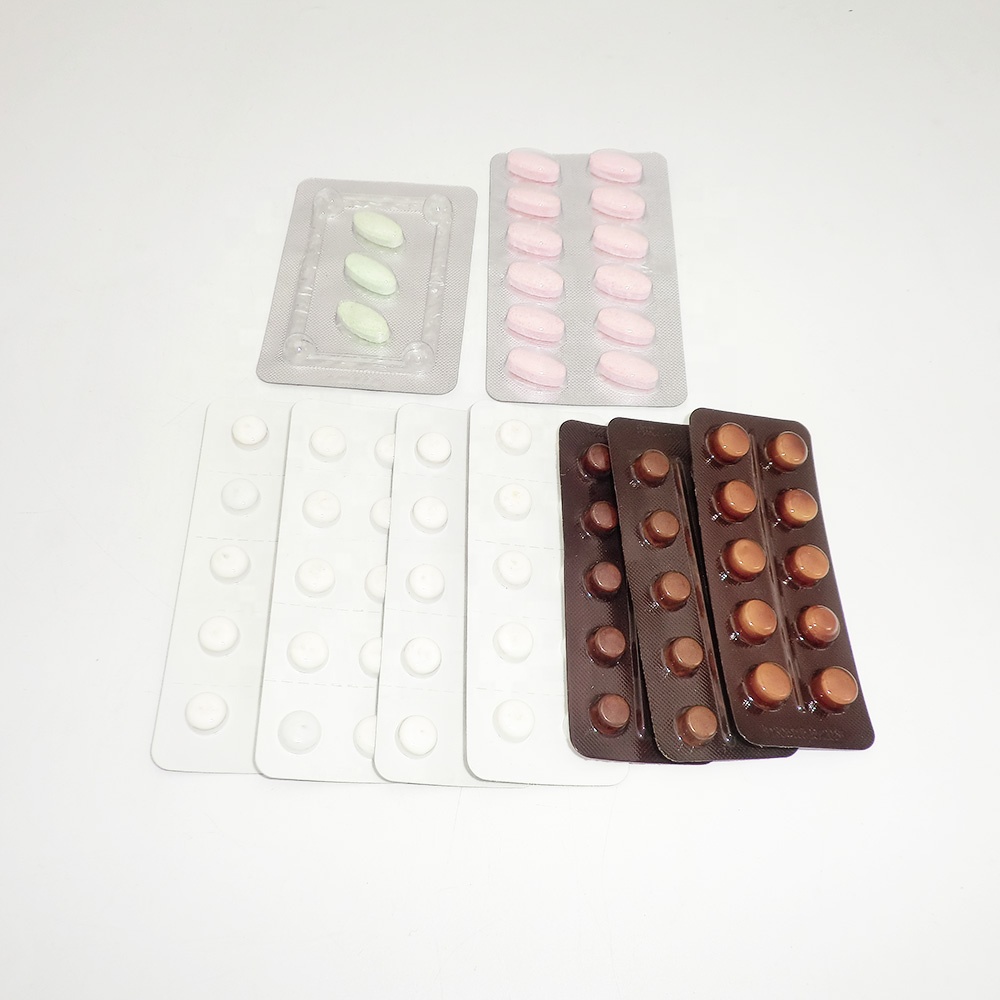
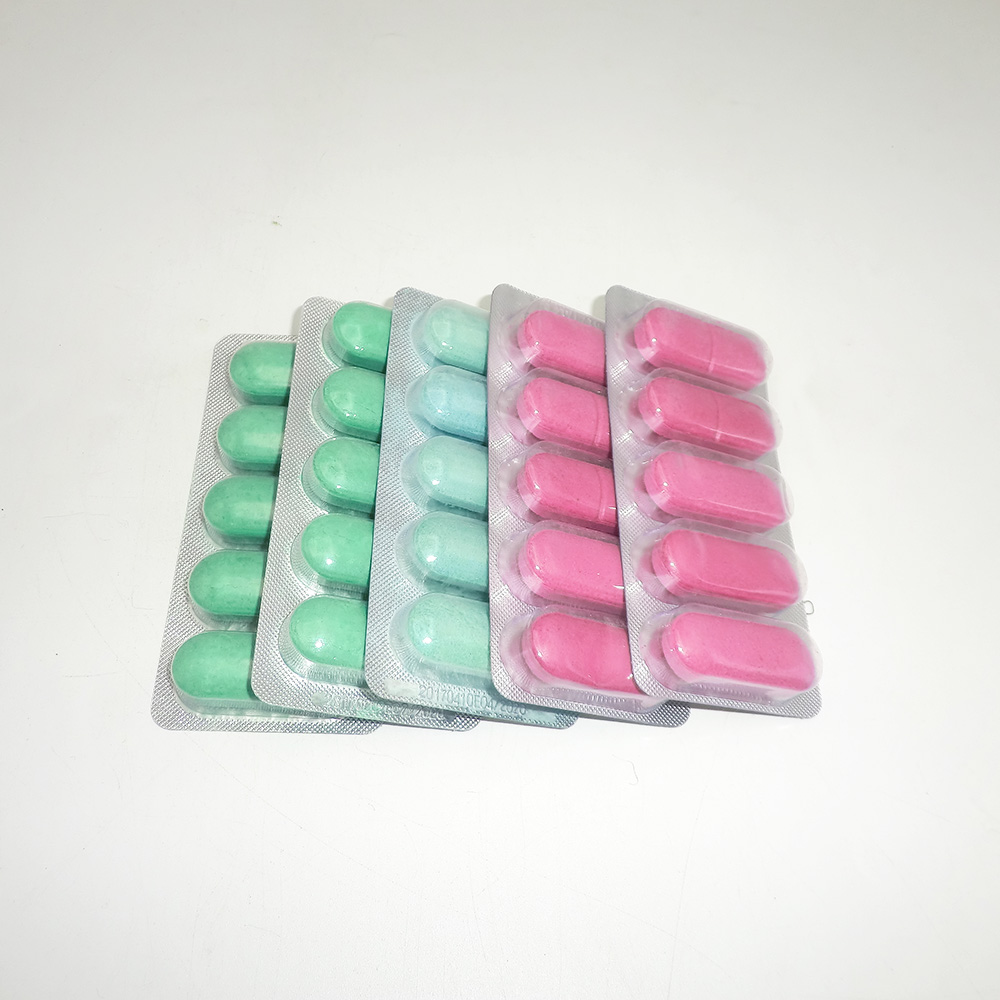
Product at a Glance: Tylosin Tartrate15mg + Doxycycline HCL10mg + Bromhexine HCL0.1mg Tablet
This combo blends a macrolide (tylosin), a tetracycline (doxycycline), and a mucolytic (bromhexine) to address bacterial respiratory infections while thinning mucus. In practice, many customers say breathing seems easier within a couple days—though, yes, actual outcomes vary by species, pathogen, and case management.
| Specification (≈ real-world use may vary) | |
|---|---|
| Active ingredients | Tylosin tartrate 15 mg; Doxycycline HCL 10 mg; Bromhexine HCL 0.1 mg per tablet |
| Dosage form | Compressed tablet; film-coated |
| Manufacturing method | Wet granulation, fluid-bed drying, compression, film coating |
| Quality tests | Assay (HPLC) 95–105% label claim; Content uniformity AV ≤ 15 (USP <905>); Dissolution Q≥80%/30 min (USP <711>); Disintegration; Microbial limits |
| Packaging | Blister or HDPE bottle; tamper-evident closure |
| Storage/Shelf life | Store ≤25°C, dry; shelf life ≈ 24 months |
| Intended use | Vet-directed management of bacterial respiratory infections with mucus congestion |
Process flow, compliance, and test standards
- Materials: APIs (tylosin tartrate, doxycycline HCL, bromhexine HCL); excipients (e.g., microcrystalline cellulose, starch, lubricants, film coat polymers).
- Methods: Raw-material ID (FTIR), granulation, stability-indicating HPLC assay, dissolution per USP <711>, uniformity per USP <905>.
- Certifications: Manufacturer typically aligns with GMP and ISO 9001; ask for batch CoA and stability data.
- Service life: Real-world shelf life ≈ 24 months sealed; always check expiry on pack.
- Industries served: Veterinary clinics, animal shelters, breeders, farms.
Use scenarios: kennel and shelter outbreaks, farm respiratory complexes, and mixed-pathogen cases where anti-bacterial plus mucus relief is warranted—always within a valid veterinary-client-patient relationship (VCPR). I guess that’s the unglamorous truth: oversight matters.
Where to source (responsibly)
| Vendor/Route | Typical requirement | Certs/Assurance | Lead time | Notes |
|---|---|---|---|---|
| RC Petfood (Origin: Room 2210, Building A, Yihongxia, 298 Zhonghuabei St., Xinhua Dist., Shijiazhuang, Hebei, China) | B2B; vet channel or distributor | GMP/ISO (request copies), CoA, stability | Around 1–3 weeks ex-works | Good for bulk; verify import rules |
| Licensed Online Pharmacy (US/EU) | Prescription after VCPR/tele-vet | NABP/VBPS or national license | 2–5 days | Convenient; strong QA controls |
| Local Veterinary Clinic | Prescription, on-site exam | State license; direct oversight | Same day | Best for complex cases |
| Feed & Farm Supply | Varies by country/regulation | Check batch CoA, labeling | Same day | OTC options limited; antibiotics often Rx-only |
Field feedback and a quick case
Shelter pilot (n≈32 dogs) saw symptomatic ease—less coughing, clearer breath sounds—within 48–72 hours when this combo was paired with isolation and humidification; culture/PCR guided therapy. Not a randomized trial, but promising. Vets reported tolerability looked good; standard cautions applied (drug interactions, species-specific dosing).
If you searched for pet meds without prescription, here’s the takeaway: use tele-vet or clinic channels so the right antimicrobial is chosen, for the right bug, for the right duration. That’s how you cut resistance risk and get predictable outcomes.
Quick safety and compliance checklist
- Confirm VCPR and prescription status in your jurisdiction.
- Request CoA, batch number, and storage conditions from supplier.
- Follow label and vet guidance; monitor for adverse events.
- Avoid stockpiling or DIY dosing—antimicrobial stewardship matters.
One last note: plenty of OTC pet products exist (shampoos, electrolyte gels, some supplements). But antibiotics? Even if ads for pet meds without prescription pop up, the compliant path protects your animal—and your wallet—long term.
Authoritative citations
Post time: October 7, 2025