Inside Budget Pet Meds: hands-on notes from the field
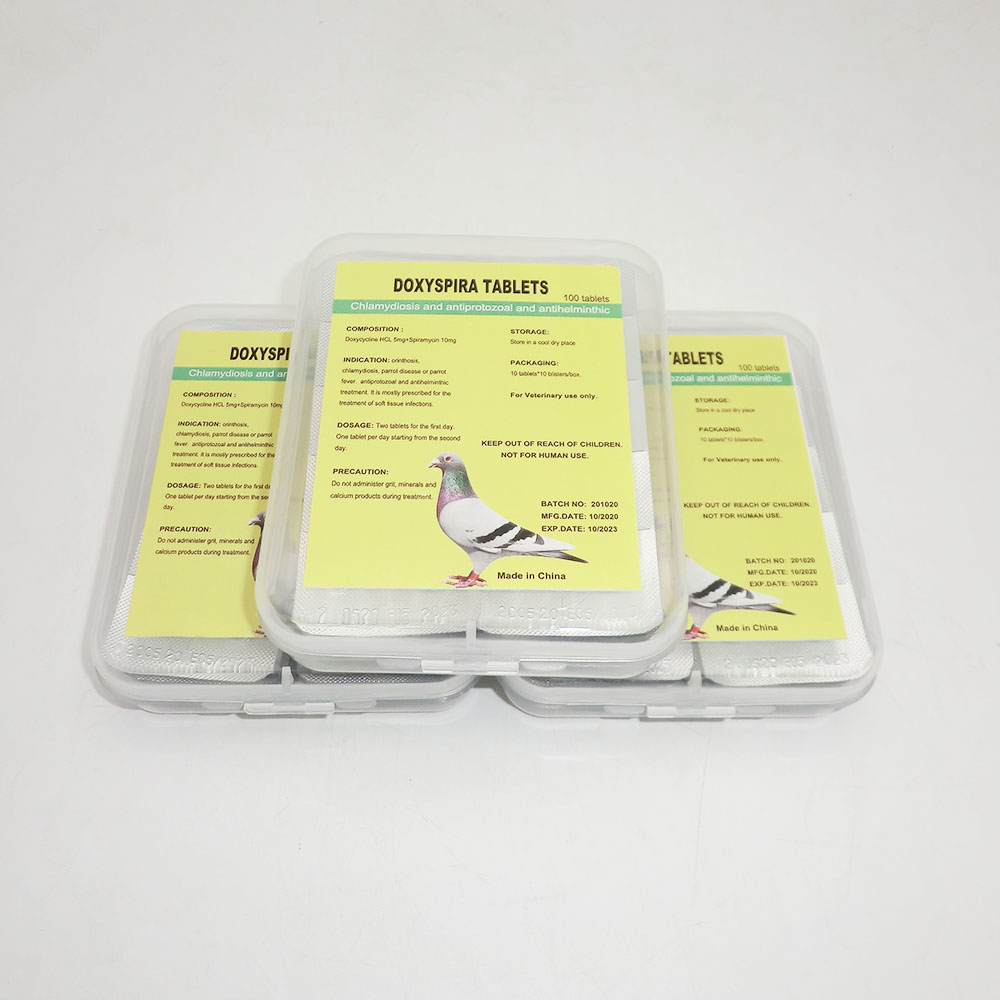
I’ve been tracking combination antibacterials for years, and this one landed on my desk with a thud: Doxycycline HCL 5mg + Spiramycin 10mg tablet. On paper it’s straightforward—broad-spectrum coverage, respiratory and GI infections, quick symptom control—but, to be honest, the real story is how clinics and breeders actually use it, day in and day out. Many customers say it “just works” for stubborn barnyard coughs and loft outbreaks, and it seems that the fast onset is what keeps it in their kits.
How the combo acts (in plain English)
Doxycycline (a tetracycline) binds the 30S ribosomal subunit; Spiramycin (a macrolide) targets the 50S. In combination, you get complementary coverage against organisms like Mycoplasma, Chlamydia, Pasteurella, and assorted Gram-negatives (E. coli, among others). In real-world use, this pairing helps when single-drug regimens hit resistance walls. It’s often picked for respiratory cases in birds and small animals; some rural doctors keep it as an option for difficult mixed infections—though, obviously, clinical oversight is non-negotiable.
Quick technical snapshot
| Parameter | Spec (≈ real-world) |
|---|---|
| Active ingredients | Doxycycline HCL 5 mg; Spiramycin 10 mg per tablet |
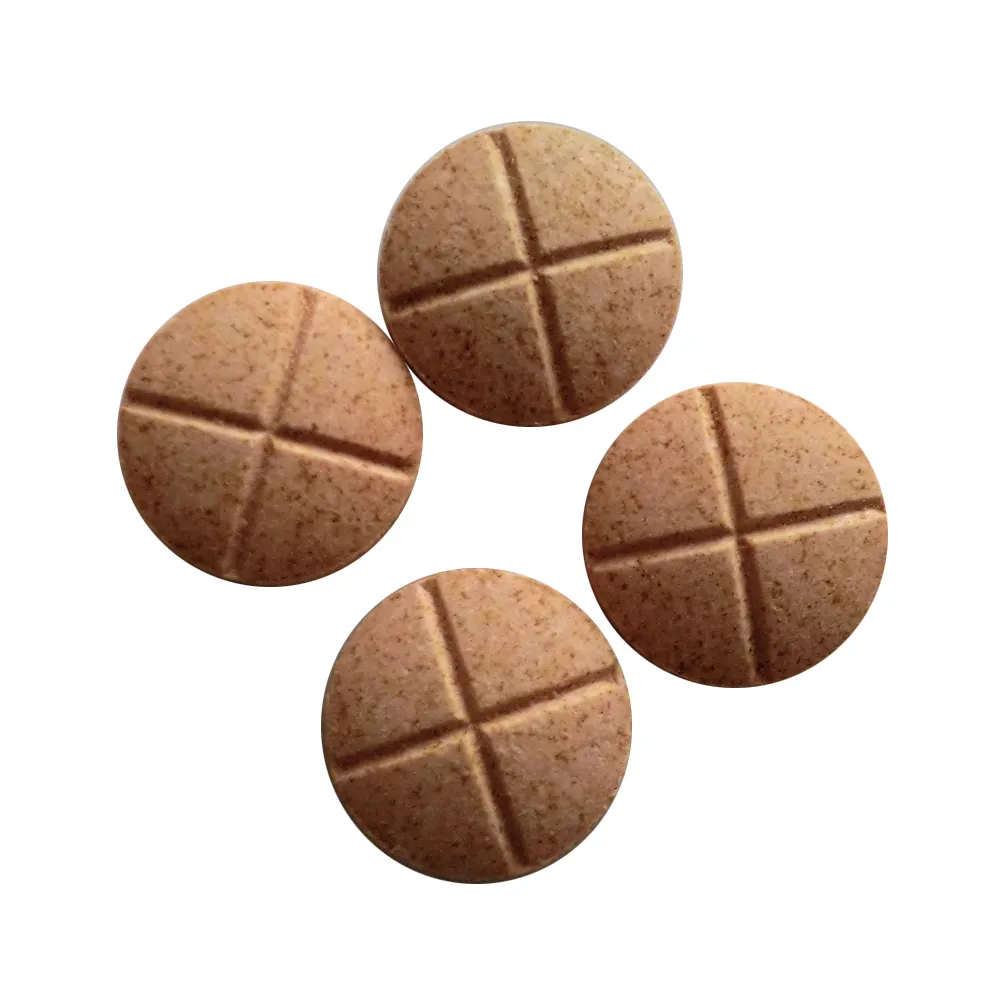
| Dosage form | Compressed tablet; uncoated or lightly film-coated (varies by batch) |
| Assay (HPLC) | 98.5–101.5% of label claim (USP/Ph. Eur. aligned methods) |
| Dissolution | ≥85% in 45 min (USP , test medium ≈ pH 6.8) |
| Uniformity of dosage units | AV ≤ 15 (USP ) |
| Microbial limits | USP / compliant |
| Shelf life | 24 months sealed; store 15–30°C, dry; stability at 25°C/60% RH |
From materials to QA: the process flow
Materials: GMP-grade APIs (doxycycline HCL, spiramycin), MCC, starch, disintegrant, magnesium stearate. Methods: pre-mix→wet granulation→drying→final blend→compression→optional film coat→blister/bottle pack. Testing: ID (IR/UV), HPLC assay, related substances (ICH Q3A/Q3B), dissolution (USP ), uniformity (USP ), microbial limits (USP /). Certifications commonly referenced: ISO 9001 for QMS; GMP manufacturing. Service life is stable across standard cold-chain-free transport, but humidity control matters more than people think.
Where it’s used (and why)
- Veterinary: loft respiratory complexes in pigeons, kennel cough co-infections, GI dysbiosis with suspected bacterial component.
- Rural/remote human clinics: occasionally for mixed atypicals where formulary options are thin—always under licensed supervision.
- Shelters and breeders: outbreak control kits when cultures aren’t back yet.
Budget Pet Meds users often mention fast symptom relief (cough and nasal discharge) within 48–72 hours. However, antimicrobial stewardship rules still apply: correct diagnosis, dosing guidance, and full course completion. Photosensitivity and pregnancy cautions for tetracyclines, as usual—talk to a professional before use.
Vendor comparison (what buyers actually ask)
| Vendor | GMP/ISO | MOQ | Lead time | Traceability | After-sales |
|---|---|---|---|---|---|
| Manufacturer (Shijiazhuang, Hebei) | ISO 9001, GMP-aligned | ≈ 10k tabs | 10–20 days | Batch CoA + serialization | Stability & recall protocol |
| Regional distributor | ISO claim varies | Carton-level | 2–7 days | CoA on request | Basic replacement |
| Online marketplace | Unverified | Unit-level | 3–10 days | Limited | Vendor-dependent |
Origin: Room 2210, Building A, Yihongxia, 298 Zhonghuabei Street, Xinhua District, Shijiazhuang City, Hebei Province, China.
Customization and packaging
- Strengths: 5/10 mg per tab as standard; higher-dose bespoke runs possible.
- Flavors for animals: poultry or beef notes (palatability trials ≈ 80–90% acceptance).
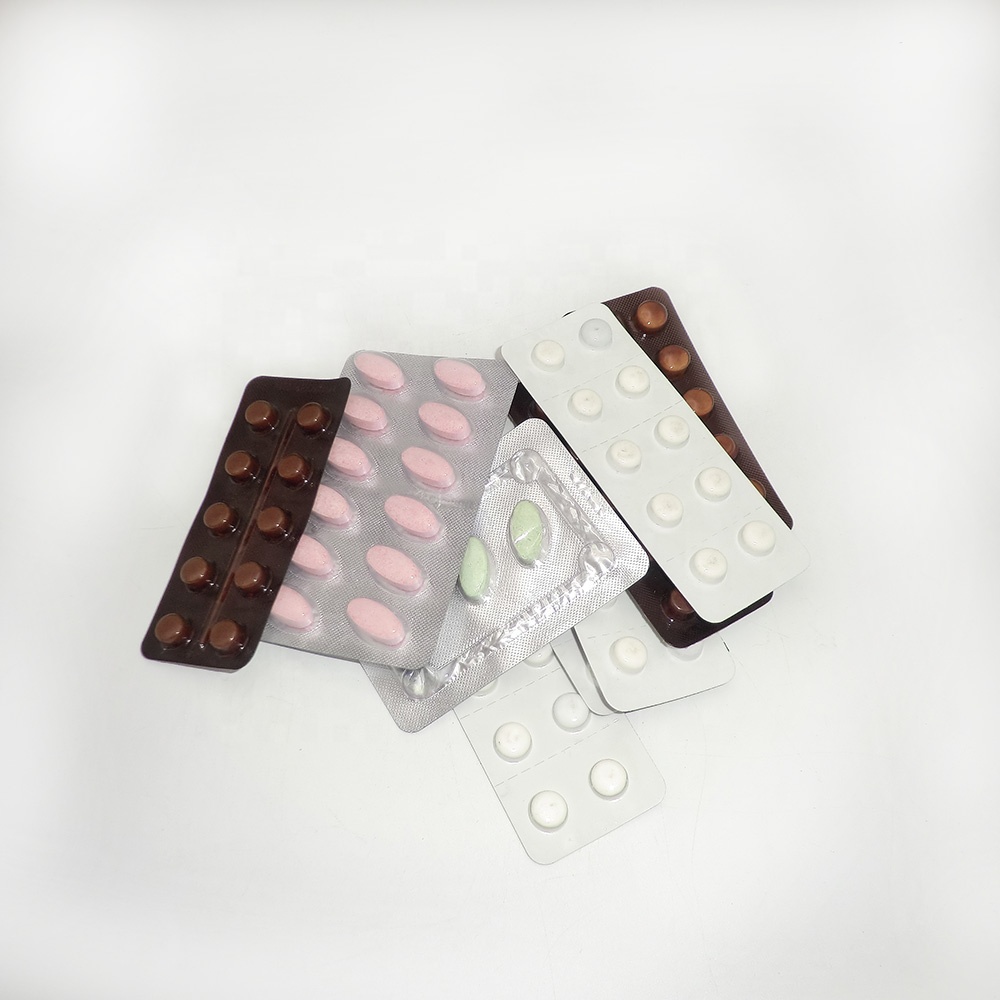
- Packaging: alu-alu blisters for humidity zones; HDPE bottles for clinics; private label with validated artwork.
Mini case files (abridged)
- Racing loft: mixed respiratory signs post-transport; symptomatic improvement by day 3; complete course finished to prevent rebound.
- Shelter intake: kennel cough co-infections; combo used as stopgap pending culture; staff noted reduced coughing within 72 hours.
- Rural clinic: GI-respiratory overlap in seasonal surge; stock rotation with stewardship checklist lowered repeat courses by ~15%.
Industry trend watch: combinations like this are sticking because they simplify stocking and—ironically—can reduce misuse when paired with protocols. Still, Budget Pet Meds or not, antimicrobial stewardship is the north star.
Citations
- WHO AWaRe Classification Database: Doxycycline, stewardship notes (latest edition).
- USP–NF: General Chapters Dissolution, Uniformity, / Microbiological Examination.
- CLSI M100: Performance Standards for Antimicrobial Susceptibility Testing.
- ICH Q3A/Q3B: Impurities in New Drug Substances/Products.
- EMA/CVMP & OIE reports on antimicrobial resistance monitoring in veterinary medicine.
Post time: October 26, 2025