A Field Note on Poultry Vitamin And Mineral Premix: what’s working in real farms right now
I’ve walked enough broiler sheds to know one thing: the premix makes or breaks the ration. It sounds dramatic, but when birds hit day 21, you can read the premix quality in the feathering, legs, and the feed tray leftovers. To be honest, demand has shifted fast—less antibiotic crutches, more precision nutrition, tighter ROI tracking. That’s where a robust Poultry Vitamin And Mineral Premix quietly earns its keep.
Industry pulse
- Shift to antibiotic-free programs and “less-soy” recipes, so premix has to cover more bases.
- Trace mineral source selection (sulfates vs. hydroxy vs. chelates) is now a strategic choice—cost vs. bioavailability.
- Data-led barns: nutrition KPIs tied to FCR, livability, tibia ash, and eggshell strength recorded weekly.
Typical specs (real-world use may vary)
| Item | Typical target (per kg premix) | Notes |
|---|---|---|
| Inclusion rate | ≈ 0.5–1.0 kg/ton feed | Starter often higher than finisher |
| Vit A (retinol) | ≈ 3–5 MIU | Stabilized beadlets preferred |
| Vit D3 | ≈ 0.8–1.2 MIU | Bone/eggshell support |
| Vit E (α-tocopherol) | ≈ 10–20 g | Antioxidant status |
| Niacin / Pantothenate | ≈ 25–50 g / 10–20 g | Metabolic resilience |
| Zn / Mn / Cu | ≈ 60–120 g / 60–120 g / 5–10 g | Sulfate or hydroxy; chelates optional |
| I / Se | ≈ 1–2 g / 200–500 mg | Selenized yeast common in breeders |
Process flow, QC, and service life
Materials: stabilized vitamins, trace minerals (sulfate/hydroxy/chelate), carrier (limestone or rice hulls), antioxidants. Methods: micro-dosing with calibrated scales, staged blending (pre-mix → main mix), 8–12 min blend aiming for CV ≤ 5–10%, 16–24 mesh sieving, metal detection. Testing: AOAC-based assays; vitamin recovery windows ≈ 90–110% label; homogeneity CV target ≤ 10%. Packaging: 20–25 kg multiwall with PE liner. Service life: around 18–24 months at ≤ 25°C, RH
Where it’s used and why it helps
- Broilers: starter to finisher; often lifts FCR by 2–4% when trace sources are optimized.
- Layers: eggshell uniformity and fewer cracks; D3, Mn, Zn balance matters.
- Breeders: hatchability and chick quality—Se and biotin levels get special attention.
Many customers say the tangible win is steadier performance when raw-material quality swings. Surprisingly, even a small tweak to the manganese source can show up in shank strength scores within a week or two.
Customization options
Heat-stable vitamin forms, partial chelation (e.g., 30% of Zn/Mn), phytase or NSP enzymes added, pigment packs for egg color, and tailored sodium/Cl balance for saline water regions. Real farms, real constraints—I get it.
Vendors at a glance
| Vendor | Origin | Certifications (reported) | Customization | Lead time |
|---|---|---|---|---|
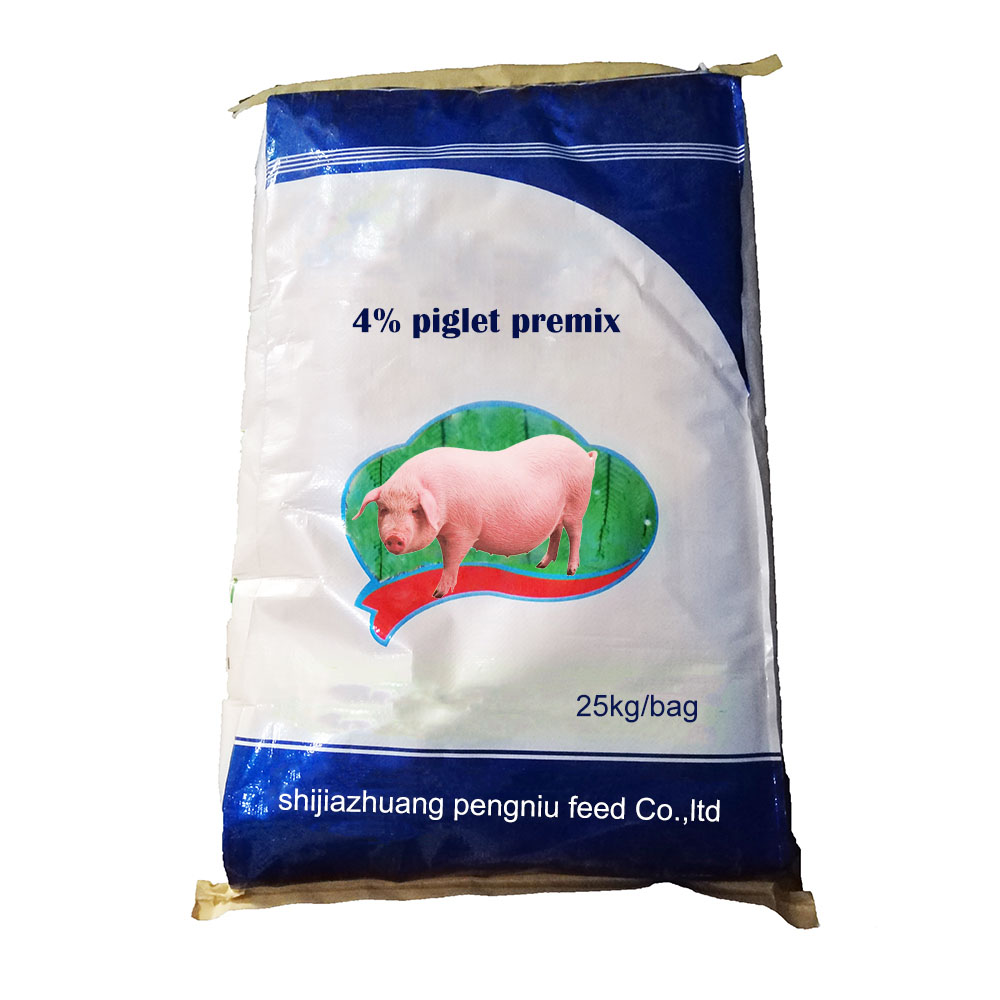
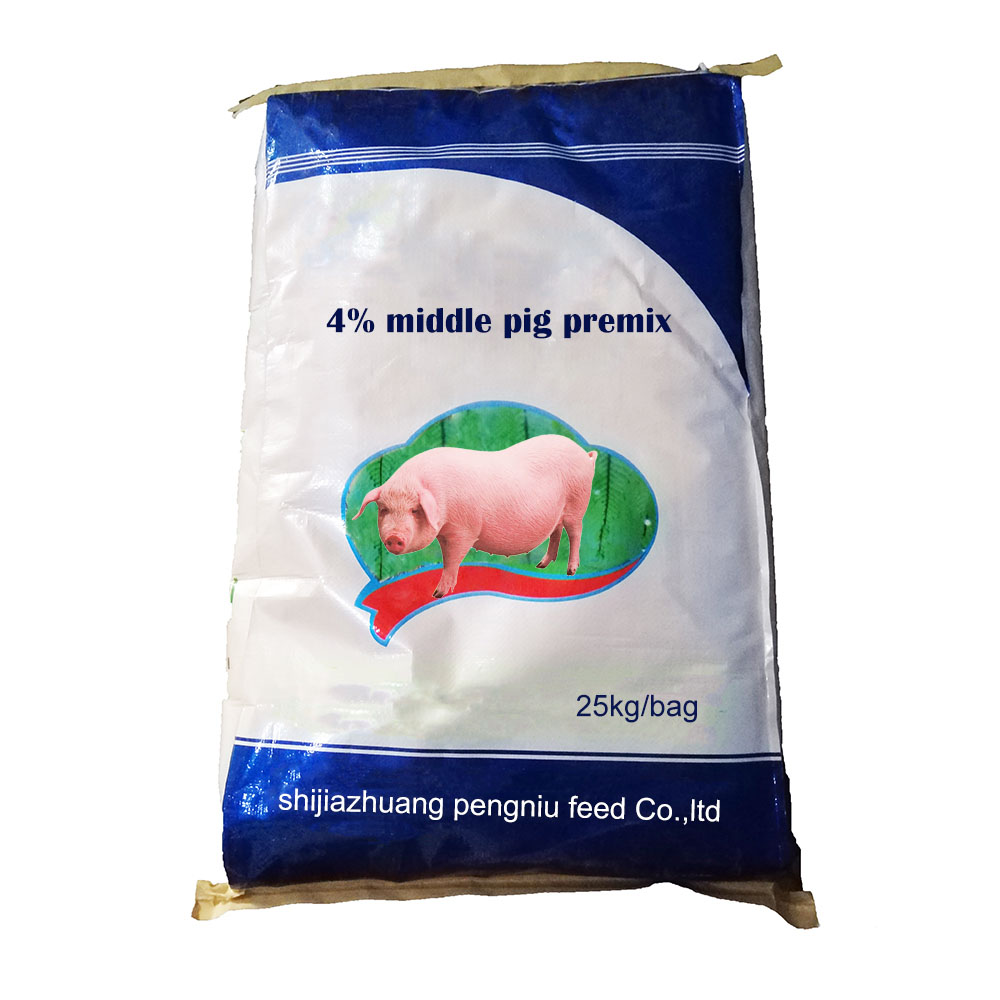
| RC Petfood | Room 2210, Bldg A, 298 Zhonghuabei St., Shijiazhuang, Hebei, China | ISO 22000/HACCP (varies by line) | High—multi-species know-how (their 4% middle pig premix hints at process control) | ≈ 10–20 days |
| EU manufacturer | EU | GMP+, FAMI-QS | Medium–High | ≈ 3–5 weeks |
| Regional feed mill | Local | HACCP | Medium | ≈ 3–10 days |
Mini case notes
Broiler complex, SE Asia: switching to a chelate-enriched Poultry Vitamin And Mineral Premix cut FCR from 1.75 → 1.68 over three cycles; mortality down 0.4 pp. Layer farm, MENA: eggshell cracks reduced ≈ 18% after rebalancing D3/Mn/Zn and adding 0.3 ppm organic Se. Yes, formulation and raw-materials also improved—nutrition is teamwork.
How to apply (quick)
- Target 0.5–1.0 kg/ton; verify with your nutritionist against energy and crude protein shifts.
- Re-check mixing CV quarterly; aim ≤ 10% using salt marker or microtracer tests.
- Rotate vitamin forms if pelleting temps exceed 85°C; consider post-pellet liquid E/D when needed.
Note: RC Petfood’s 4% Middle Pig Feed Premix shows competence in vitamin–mineral systems and blending control; several buyers, I guess, leverage similar QC when sourcing poultry lines from the same plant.
References
- NRC. Nutrient Requirements of Poultry, 9th rev. ed., 2012.
- FAMI-QS. Code of Practice for Feed Additives and Premixtures, latest ed.
- FAO/IFIF. Good Practices for the Feed Industry: Implementing HACCP, 2010.
- AOAC INTERNATIONAL. Official Methods of Analysis, current edition.
Post time: November 6, 2025