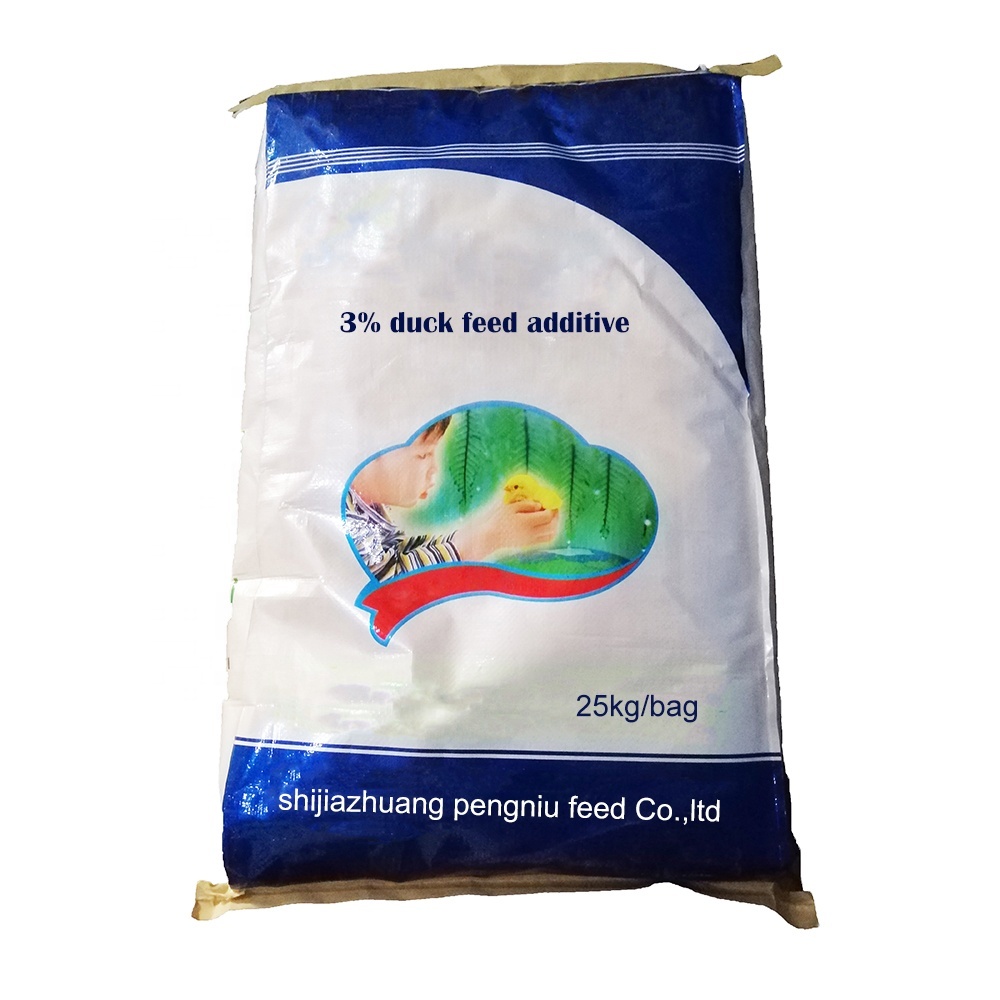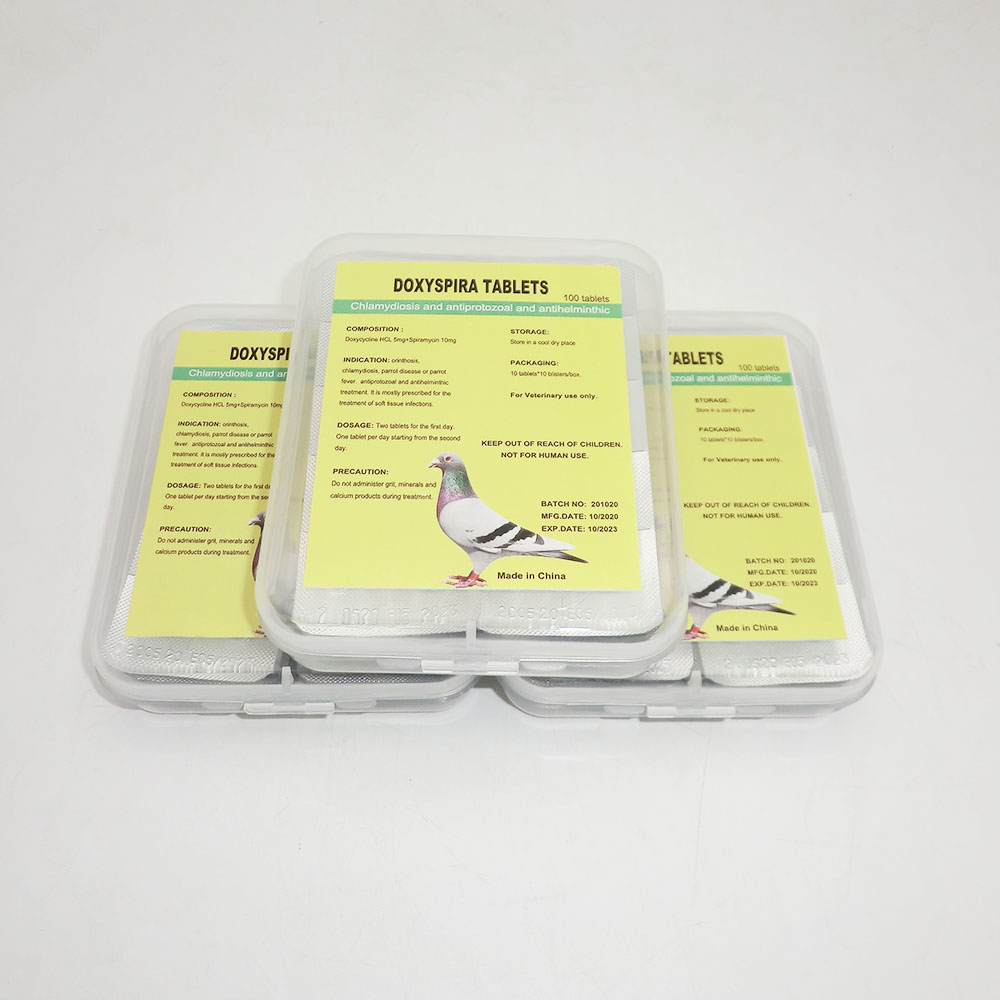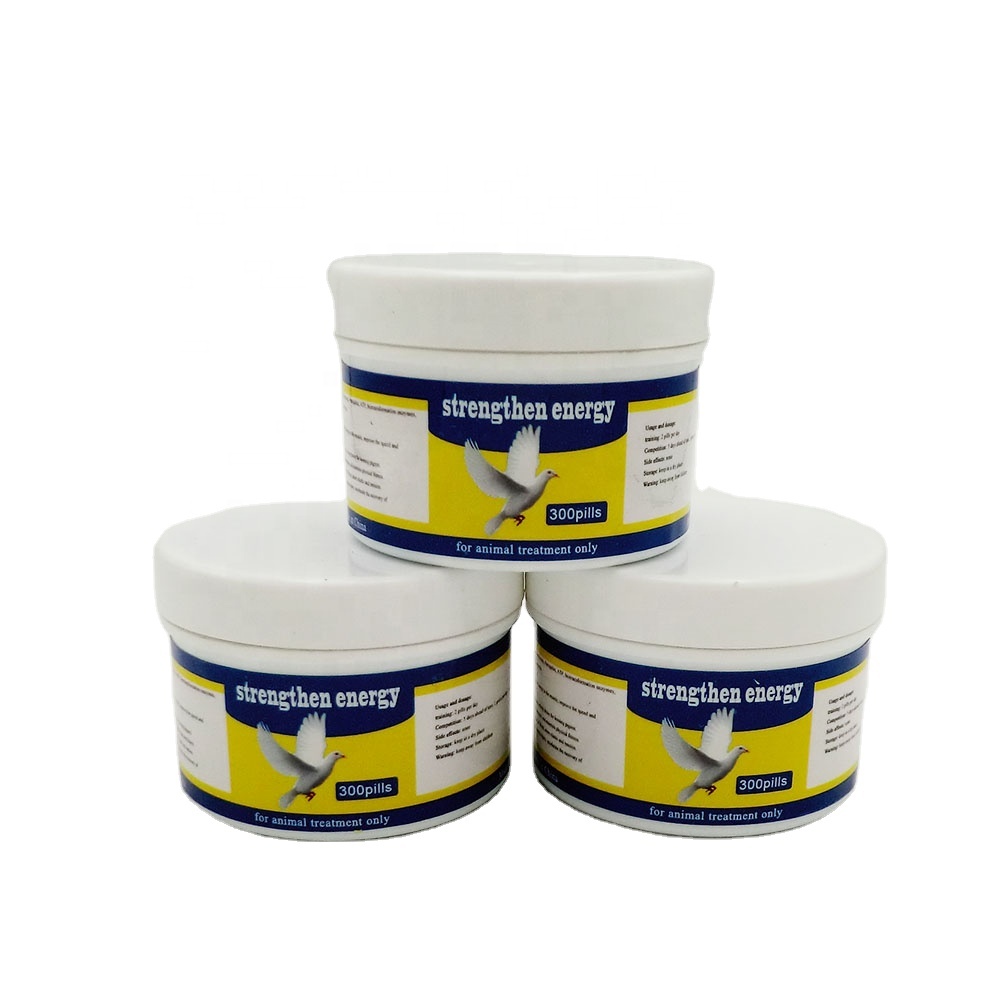
What Is Veterinary Premix and Why Does It Matter Globally?
At first glance, the term veterinary premix might sound a bit niche—just a technical phrase for animal nutrition or pharmaceuticals. But in reality, it represents a critical piece in the global animal health puzzle. Think of it as the vital blend of nutrients and additives formulated to keep livestock healthy, productive, and disease-free—whether on a sprawling farm in Iowa, a remote village in sub-Saharan Africa, or a disaster relief zone where livestock are essential for survival.
Understanding veterinary premix is not just about better animal feed; it’s about global food security, economies, and even human welfare. Healthy animals mean safer proteins, better livelihoods for millions, and a step toward sustainable farming practices worldwide.
The Global Context: Why Veterinary Premix Is Crucial Today
According to the Food and Agriculture Organization (FAO), nearly 70% of agricultural output globally depends on animal products. Healthy livestock are fundamental—and that’s where veterinary premix steps in. These premixes are specially designed blends of vitamins, minerals, enzymes, and pharmaceuticals added to animal feed.
The challenge? Feeding animals in a way that meets nutritional needs without overusing antibiotics or harmful additives. Globally, the livestock industry faces rising demands, limited natural resources, and increasing regulations. Veterinary premixes offer a practical solution to keep animals healthy, improve feed efficiency, and minimize environmental footprint.
Defining Veterinary Premix: What Exactly Is It?
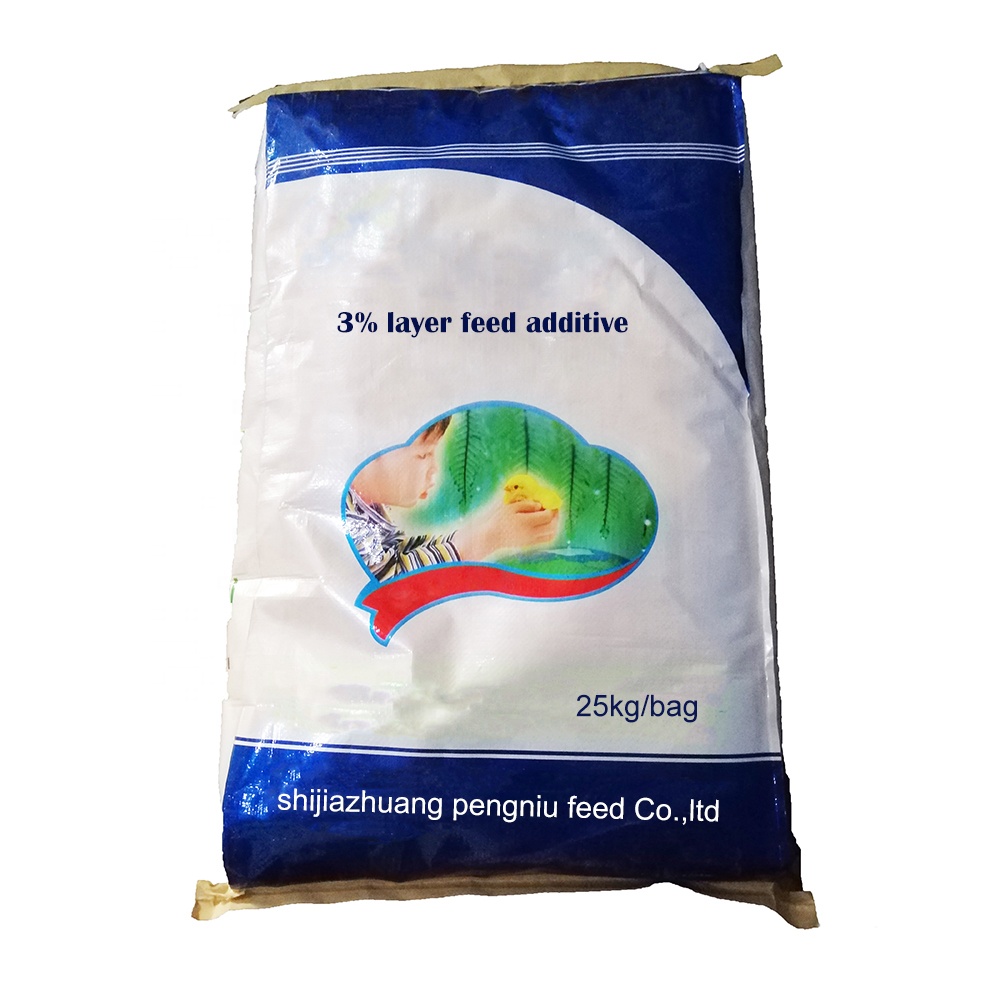
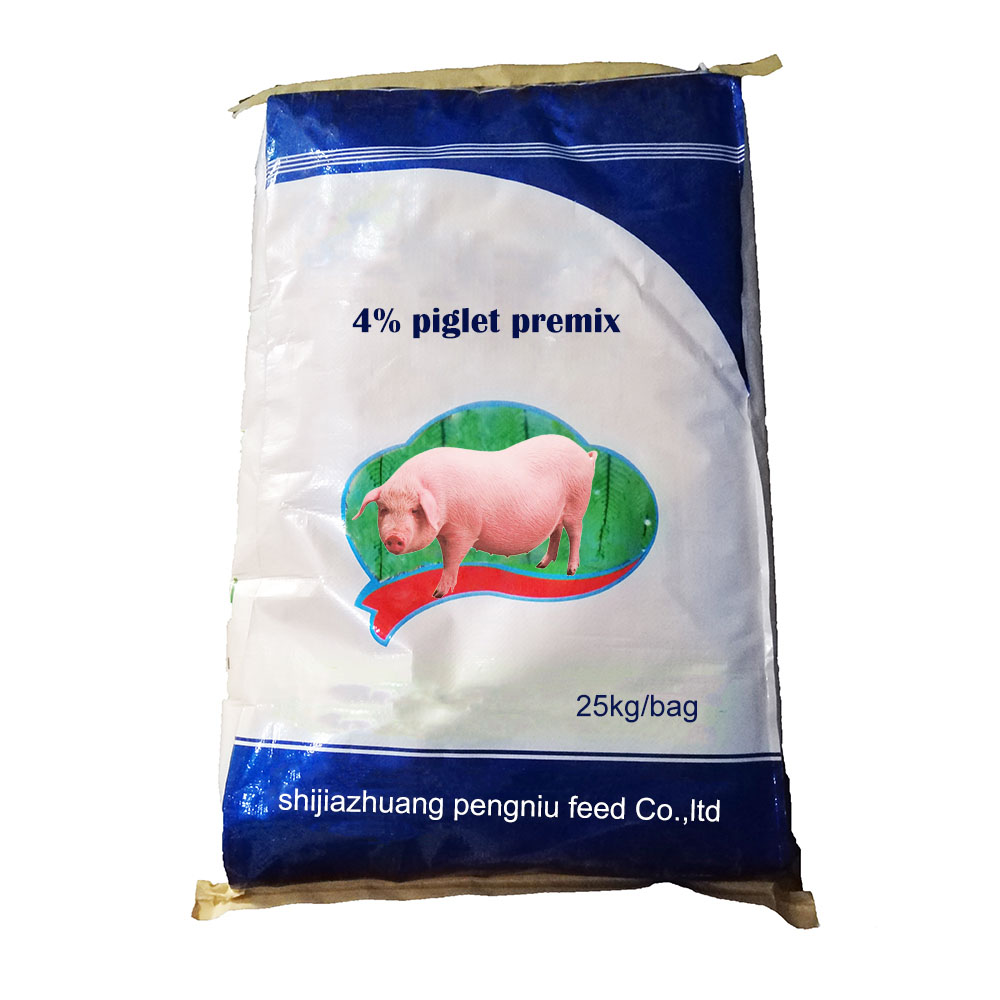
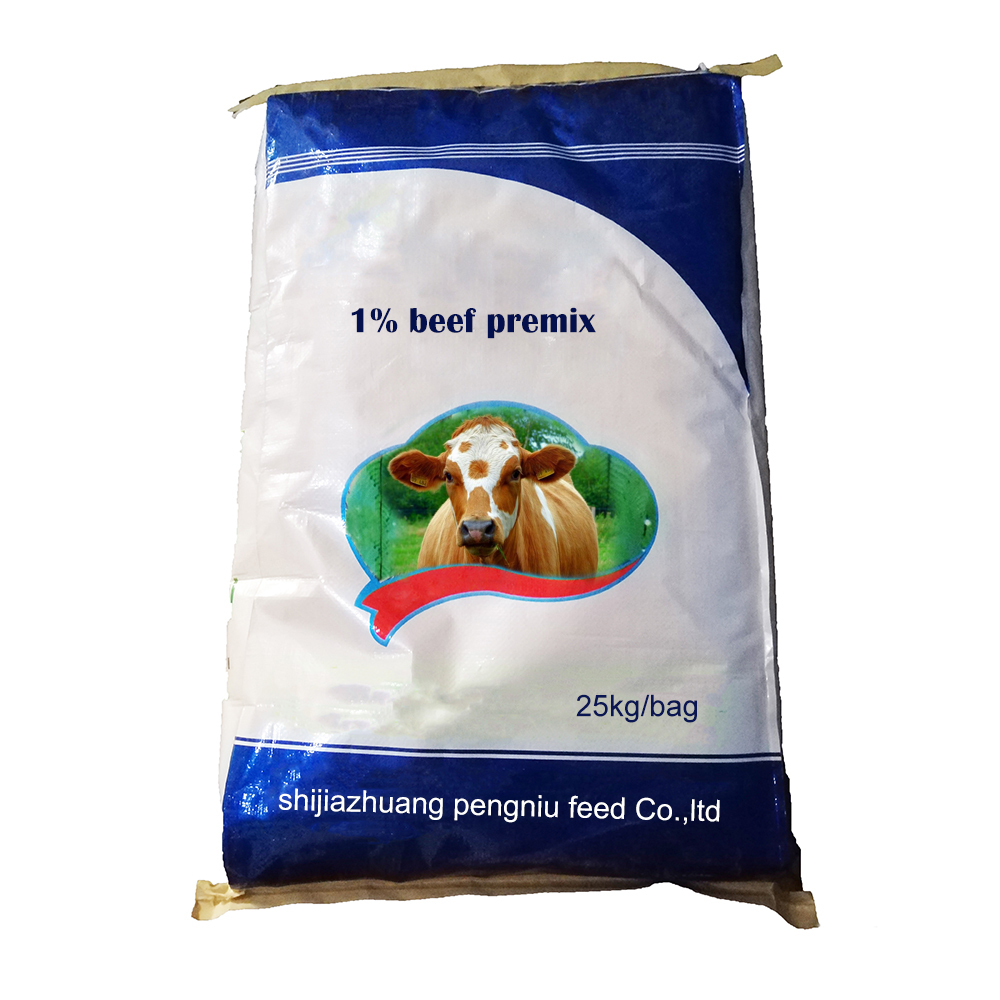
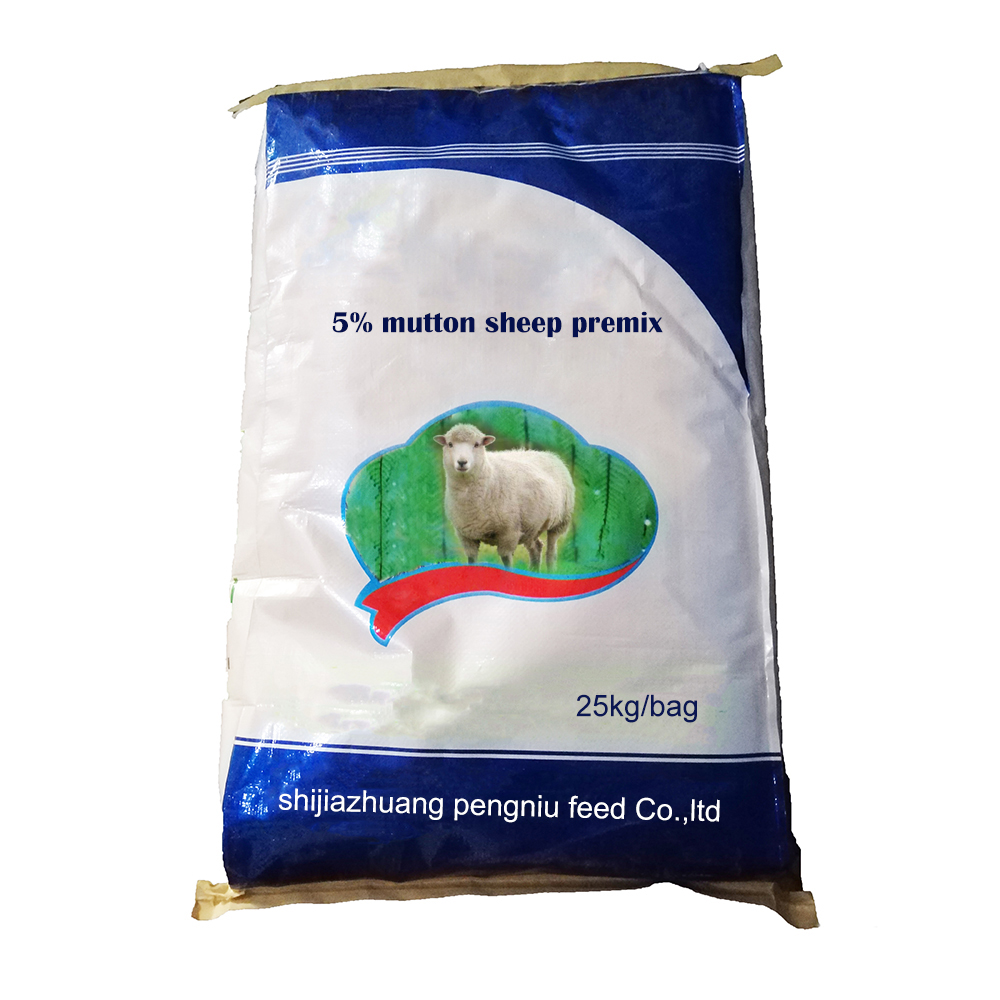
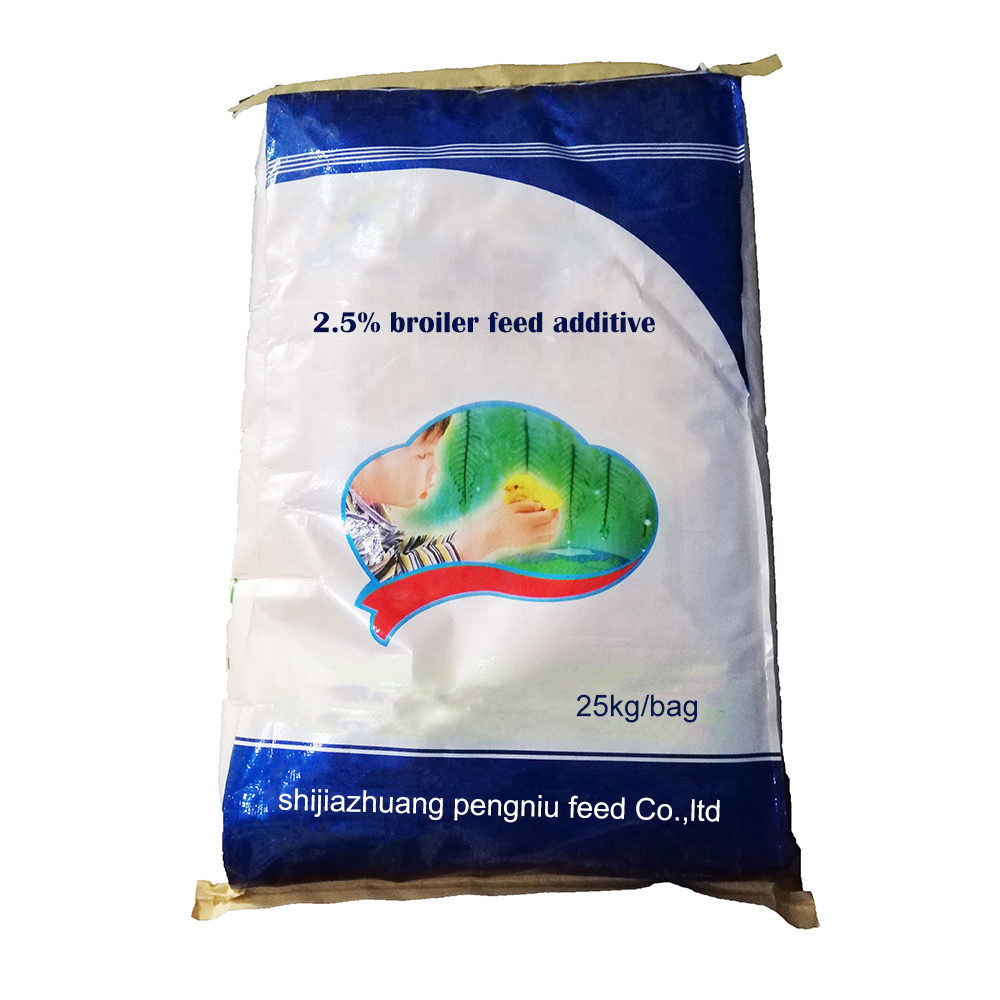
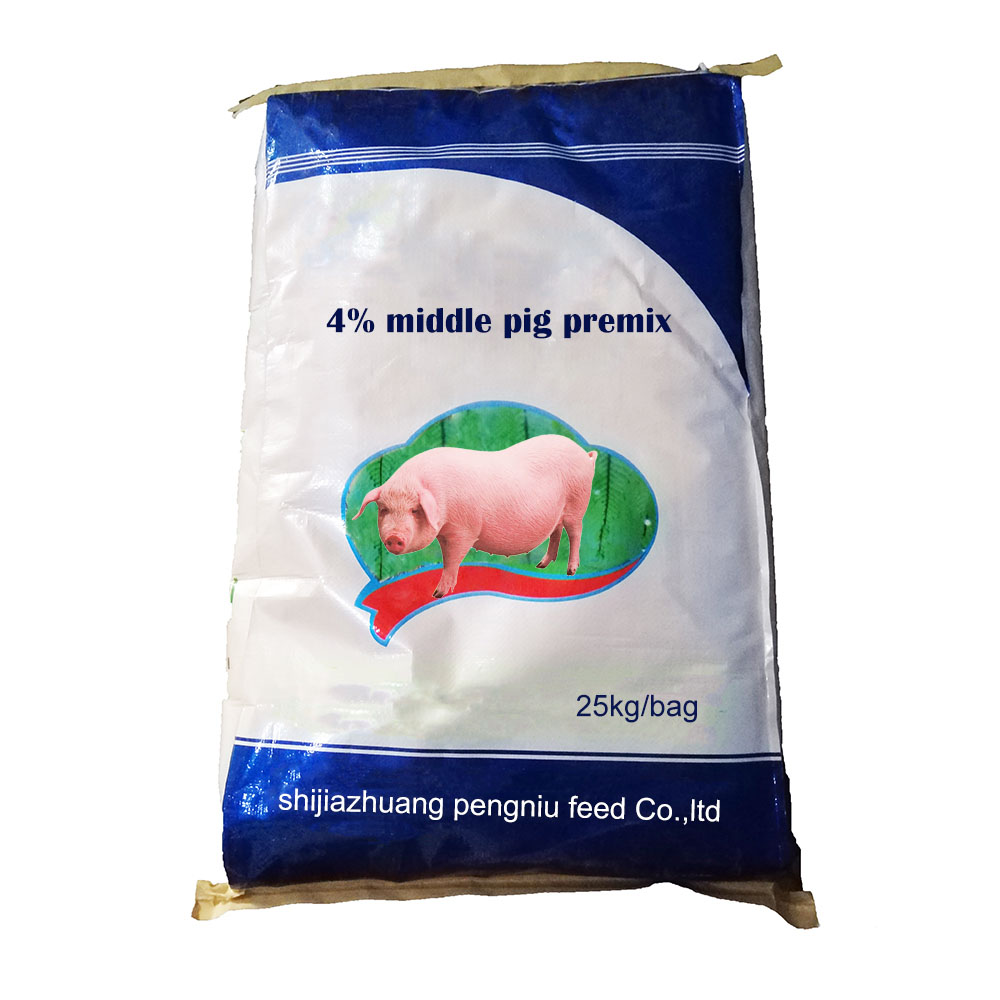
Simply put, veterinary premix is a carefully formulated blend of nutrients, minerals, sometimes pharmaceuticals, mixed before incorporation into animal feed. Think of it as a "nutritional toolkit" tailored for animal health.
These premixes ensure animals get the right balance of trace elements and vitamins vital to growth, immunity, and reproduction—things hard to achieve just by natural feed alone. From commercial farms to humanitarian efforts where livestock supports community subsistence, veterinary premixes serve as a bridge between science and practical animal nutrition.
Core Components That Make Veterinary Premix Work
1. Nutritional Balance
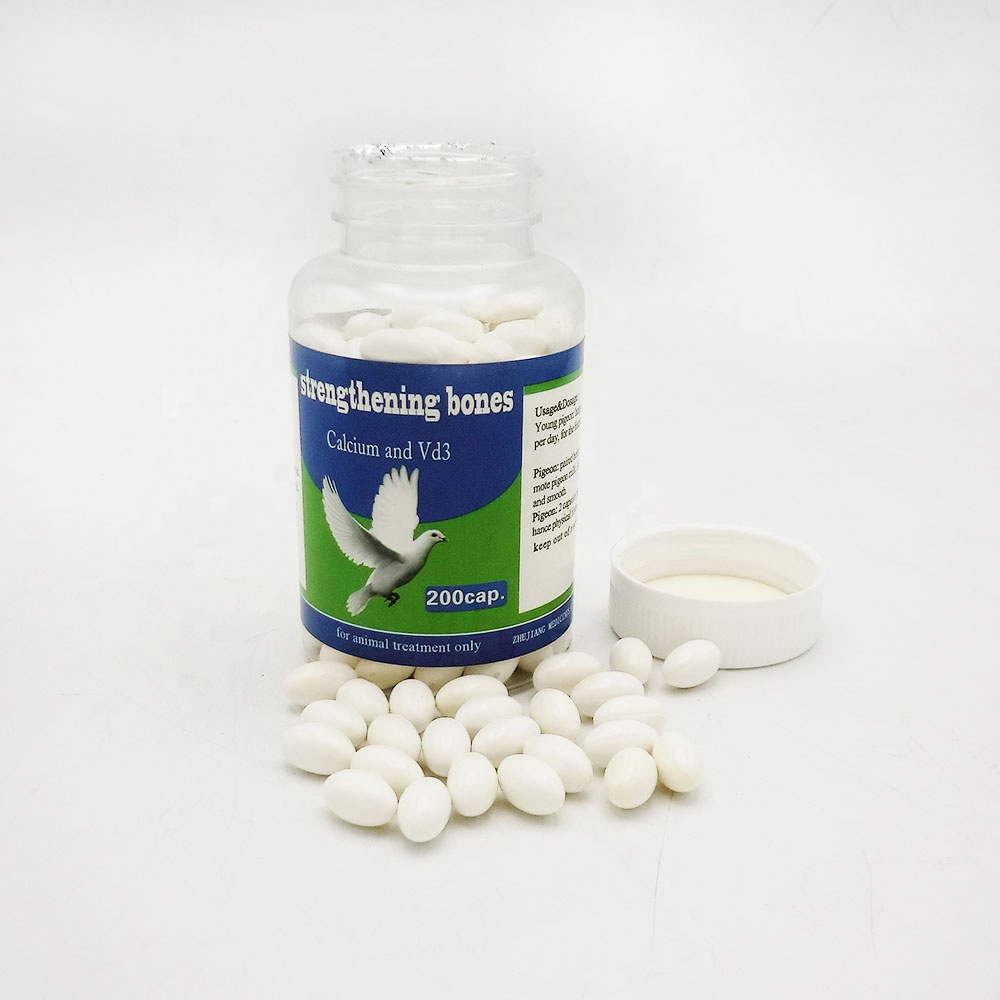
At its heart, veterinary premix provides essential vitamins like A, D3, E, and minerals such as zinc, selenium, and copper. These nutrients aid in metabolic functions and boost immune defenses.
2. Pharmaceutical Additives
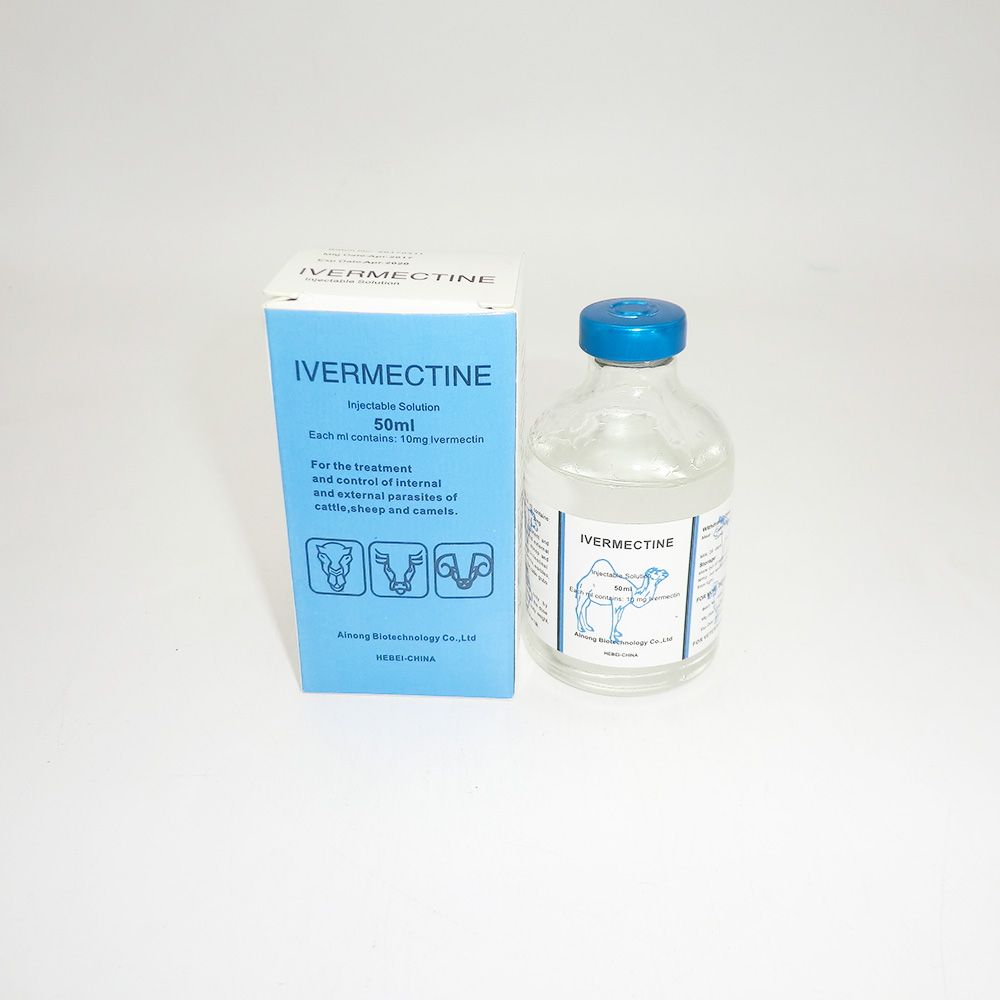
Some premixes include antibiotics or coccidiostats to prevent diseases common in intensive farming or poor sanitation areas—a sensitive topic with strict regulations to avoid resistance.
3. Palatability Enhancers
It's not just about nutrition; animals must eat the feed. Flavors or binders are added to encourage consumption and mix stability.
4. Manufacturing Quality & Safety
Given that premixes must blend perfectly into larger feed batches, manufacturers prioritize consistency, particle size control, and safety from contamination—vital for regulatory approval and animal health.
Mini Takeaway:
Veterinary premix works behind the scenes, balancing nutrition and health in every pellet fed to animals worldwide. Without it, farmers face unpredictable yields and increased risk.
Applications Across the Globe: More Than Just Feed
Veterinary premixes feature prominently in commercial livestock farms in North America and Europe, but they are equally crucial in smallholder farms across Asia and Africa, where animal health directly impacts poverty alleviation.
In humanitarian contexts, organizations delivering veterinary premix support emergency feeding programs to avert livestock deaths during droughts or conflict. These premixes improve feed efficiency, enhance growth rates, and help recover animals faster.
For example, South East Asian aquaculture increasingly uses specialized premixes to enhance fish health, improving yields while reducing antibiotic dependency—a growing sustainability trend.
Product Specification Table
| Specification | Typical Range | Notes |
|---|---|---|
| Vitamin A (IU/kg) | 10,000 - 50,000 | Supports vision & immune system |
| Zinc (mg/kg) | 50 - 150 | Essential for growth |
| Coccidiostats (%) | 0 - 0.2 | Disease prevention additive |
| Particle Size (microns) | 200 - 500 | Influences mixing & consumption |
Advantages and Long-Term Value of Veterinary Premixes
Anyone working with animals will stress how vital consistent health management is—and veterinary premixes provide that reliability, which translates directly to better productivity and animal welfare.
- Cost Efficiency: Prevents costly diseases, decreasing veterinary bills and mortality rates.
- Sustainability: Minimizes excess supplements and antibiotics by targeted delivery, supporting greener farming.
- Food Safety: Healthier animals produce higher quality meat, milk, or eggs, which consumers demand worldwide.
- Social Impact: In developing regions, livestock means livelihood—so premixes help sustain communities.
What the Future Holds: Innovations & Trends
The next generation of veterinary premixes is riding on tech waves—customized blends tailored through AI nutritional models, enhanced natural additives replacing synthetic ones, and integration with precision feeding systems that monitor animal health in real time.
Sustainability features heavily, with research pushing toward bio-based premixes and reduced environmental footprints. Even digital blockchain tech promises traceability—for consumers wanting to know exactly what their dairy cow ate.
Challenges and Smart Solutions in Veterinary Premix Use
Of course, not everything is smooth sailing. Some challenges include: ingredient sourcing fluctuations, regulatory hurdles around antibiotic use, and ensuring premixes reach remote areas without spoilage.
Industry leaders are responding with improved supply chains, natural antimicrobial alternatives, and smaller, modular premix production units for local use—reducing dependence on long-haul transport.
Vendor Comparison Table
| Vendor | Product Range | Global Reach | Sustainability Focus |
|---|---|---|---|
| AgriFeed Solutions | Wide (livestock, aquaculture) | North America, Asia | High – bio-based additives |
| VetNutra Corp | Specialized livestock blends | Europe, Africa | Medium – antibiotic reduction programs |
| EcoPremix Ltd | Organic and natural blends | Global | Very High – full eco certification |
FAQ: Your Veterinary Premix Questions Answered
- What exactly makes a veterinary premix different from regular feed supplements?
- Veterinary premix is a precisely blended mix of nutrients and additives designed to be incorporated into animal feed, ensuring consistent nutritional delivery tailored to species and life stages—more technical and concentrated than standard supplements.
- Are veterinary premixes safe for all types of livestock?
- Yes, but the formulation varies by animal—cattle, poultry, aquaculture, and swine each require specific vitamin and mineral profiles. It's crucial to choose premixes formulated for your particular livestock for safety and effectiveness.
- How does veterinary premix help reduce antibiotic use?
- By providing optimal nutrition and including natural additives that boost immunity, premixes can reduce the need for antibiotics as preventive medicine, aligning with global efforts to combat antimicrobial resistance.
- Can small farms in developing countries access quality veterinary premix?
- Access is improving with targeted NGO programs and modular premix production units tailored for smallholder use, but availability may vary by region. Always verify suppliers and certifications.
Conclusion and Next Steps
To wrap it up, veterinary premix is more than an ingredient—it's a global tool that supports healthier animals, better food sustainability, and economic empowerment. For farmers, processors, and humanitarian actors alike, understanding and integrating quality premixes can make the difference between struggling and thriving herds.
Ready to explore your options? Visit our website at https://www.rcpetfood.com to see how the latest veterinary premix innovations can support your livestock nutrition goals.
References
Post time: December 13, 2025