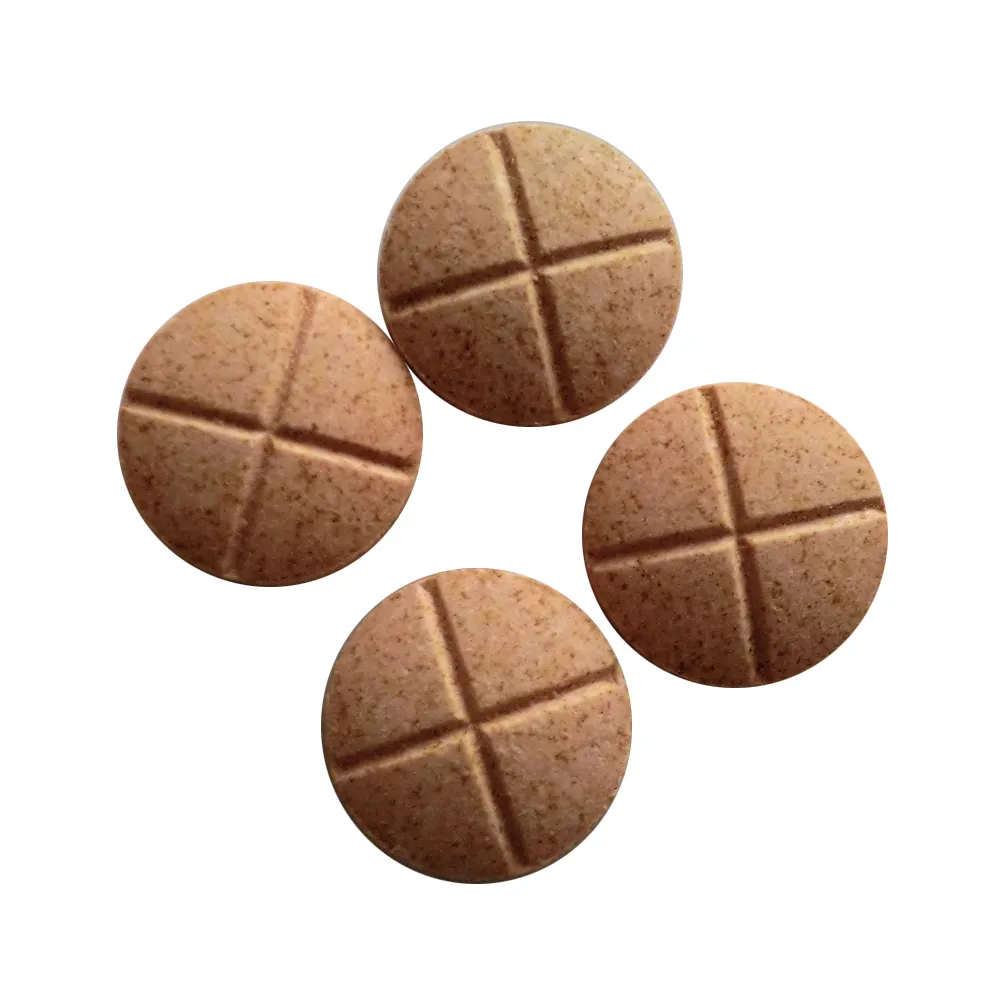
Understanding Animal Feed Enzymes: Why They Matter Globally
At first glance, the world of animal feed enzymes might sound like a niche scientific bubble. But upon closer inspection, these tiny biochemical catalysts are quietly revolutionizing global animal nutrition and sustainable agriculture. Why should anyone care? Well, with global meat and dairy demand soaring—it’s expected to grow roughly 70% by 2050 according to the Food and Agriculture Organization—feeding livestock efficiently and responsibly is vital.
Animal feed enzymes improve digestion, unlock nutrients locked inside plant fibers, and reduce the environmental footprint of livestock farming. Grasping their benefits isn’t just for industry insiders; it’s about securing future food systems, lowering feed costs, and supporting ethical farming worldwide.
The Global Context: Why Animal Feed Enzymes Are Becoming Essential
Across continents, whether in intensive farms of North America or smallholder livestock in sub-Saharan Africa, feed represents up to 70% of production costs. The World Bank estimates that feed inefficiencies cause billions in lost productivity annually. Moreover, excessive nitrogen and phosphorus excretion pollutes waterways—highlighted by EPA studies on livestock waste runoff.
Animal feed enzymes offer a solution to these pressing problems. They enhance feed utilization by breaking down complex carbohydrates, phytates, and proteins that animals can otherwise barely digest. This means less wasted feed, lower emissions, and more affordable animal products. Yet despite their promise, adoption varies widely due to awareness, cost perceptions, and supply chain gaps.
What Are Animal Feed Enzymes?
Simply put, animal feed enzymes are natural or engineered proteins added to livestock diets to catalyze the breakdown of feed components. Imagine the tough fibers and antinutritional factors in grains and by-products as locked doors; enzymes are the keys that unlock nutrients inside. Their main types include phytases, xylanases, proteases, and amylases, each targeting different feed elements.
These enzymes tie directly to modern agriculture’s quest for efficiency and environmental stewardship. For instance, phytase helps animals utilize phosphorus better, reducing the need for mineral supplements and mitigating phosphorus pollution. It’s a neat scientific hack that delivers tangible benefits to farmers and ecosystems alike.
Core Factors Defining Effective Animal Feed Enzymes
1. Stability and Durability
Enzymes must remain active through feed processing methods, such as pelleting where temperatures can exceed 80°C. Heat-stable enzymes ensure efficacy after production—something that many feed formulators look for carefully. Oddly enough, a slight drop in enzyme activity can mean big production losses down the line.
2. Specificity and Spectrum
Different animal species and diets require diverse enzyme types. A broiler chicken’s needs differ from a dairy cow’s. Many enzyme mixes combine multiple activities to broaden their effectiveness across feed ingredients—kind of like a Swiss Army knife for digestion.
3. Cost Efficiency
While enzymes add upfront costs, their contribution to feed conversion and nutrient availability pays off. The key is balancing price with performance to ensure farmers see clear returns. Some suppliers offer tailored enzyme formulations depending on region-specific feedstuffs, which can improve cost-effectiveness.
4. Regulatory Safety and Quality
Enzymes must meet rigorous safety standards set by authorities such as the FDA or the European Food Safety Authority (EFSA). Transparent quality control and traceability build trust among end users. This matters because the last thing anyone wants is feed supplements that compromise animal or human health.
5. Environmental Impact
One of the most compelling factors is how enzymes reduce nitrogen and phosphorus waste, thereby lowering pollution and eutrophication risks. This environmental benefit often drives policy interest and funding support for enzyme research and deployment.
Real-World Uses and Global Applications
Animal feed enzymes have found homes in many settings worldwide. In the European Union, stringent environmental regulations push farmers to use phytase and xylanase supplements to meet nutrient excretion targets. In Brazil, enzymes aid large-scale poultry operations reliant on corn and soybean meal.
In more challenging contexts, like post-natural-disaster relief efforts in Southeast Asia, animal feed enzymes help maximize limited feed resources for livestock essential to local livelihoods. Similarly, remote industrial zones with expensive feed imports leverage enzyme technology to extract maximum nutritional value.
Mini takeaway: The widespread yet tailored application of animal feed enzymes shows their vital role across diverse environments, underlining their global relevance.
Advantages and Long-Term Value
- Improved Feed Conversion Ratio (FCR): Better digestion means animals gain more weight per kilogram of feed, saving money and resources.
- Sustainability: Enzyme use cuts down phosphorus and nitrogen excretion, causing less environmental damage.
- Economic Benefits: Farmers see lower overall feed costs and more consistent production outputs.
- Animal Health & Welfare: Enhanced nutrient absorption supports animal well-being and productivity.
There’s also a subtle social value: enabling farmers to optimize local feed ingredients sustains rural economies and food security, fostering dignity and growth. And frankly, innovation like this builds trust in agriculture’s potential to meet future challenges without sacrificing the planet.
Animal Feed Enzymes: Technical Specifications at a Glance
| Enzyme Type | Target Substrate | Optimal pH Range | Temperature Stability | Typical Dosage |
|---|---|---|---|---|
| Phytase | Phytate-bound phosphorus | 3.5 - 5.5 | Stable up to 80°C | 500 - 1500 FTU/kg feed |
| Xylanase | Arabinoxylans | 5.0 - 6.5 | Stable up to 70°C | 1000 - 3000 U/kg feed |
| Protease | Proteins | 4.5 - 8.5 | Up to 80°C | 500 - 2500 USP/kg feed |
| Amylase | Starch | 4.0 - 6.0 | 80-90°C | 500 - 2000 U/kg feed |
Comparing Leading Vendors of Animal Feed Enzymes
| Vendor | Key Products | Regional Focus | Price Range (USD/ton) | R&D & Innovation |
|---|---|---|---|---|
| EnzyPro Ltd. | Phytase+, Xylanase Max | North America, Europe | $1200 - $1800 | High (enzyme engineering) |
| BioFeed Technologies | MultiEnz Blend, Protease Plus | Latin America, Asia | $1000 - $1600 | Moderate (formulation) |
| EcoEnzymes Corp. | EcoPhytase, Amylase Pro | Global | $1300 - $2000 | High (sustainability focus) |
Looking Ahead: Future Trends Shaping Animal Feed Enzymes
Innovation doesn’t stand still. Enzyme companies are racing to create even more robust, multi-functional enzymes that can withstand extreme feed processing conditions and perform across species. Genetic engineering and microbial fermentation techniques improve enzyme yields and sustainability, while digital tools enable real-time feed formulation optimization.
We’re also seeing increasingly green-driven policies encouraging enzyme use as a feed additive to cut emissions and land use. Imagine enzyme blends custom-formulated by AI analyzing farm-specific data—automation meets biology in a way that feels like science fiction but is within reach.
Challenges & Practical Solutions
Despite clear benefits, adoption barriers include perception of cost, variable enzyme stability in tropical climates, and inconsistent feed ingredient quality. Some farmers remain hesitant due to unclear ROI or lack of education on enzyme benefits.
Proven solutions include government subsidies to lower entry costs, improved supply chains offering tailored enzyme products, and comprehensive farmer training programs. Collaboration across the supply chain—from enzyme producers to animal nutritionists and feed manufacturers—is critical to break down these barriers.
FAQ: Common Questions About Animal Feed Enzymes
Q1: How do animal feed enzymes improve nutrient absorption?
Animal feed enzymes break down complex molecules like phytates and fibers that animals can’t digest naturally. This unlocking improves the bioavailability of phosphorus, proteins, and energy, leading to better growth and feed efficiency.
Q2: Are these enzymes safe for animals and humans?
Yes. Enzymes used in feed additives undergo strict safety evaluations by regulatory authorities like the FDA and EFSA. They are highly specific proteins that target feed ingredients without harming animals or entering the human food chain.
Q3: Can enzymes be used in all types of animal feeds?
Generally yes, but formulations vary. Different species and feed compositions require tailored enzyme blends. For example, poultry diets often need xylanase, while pig feeds benefit strongly from protease additions.
Q4: What’s the best way to store animal feed enzymes?
Enzymes should be stored in cool, dry places away from prolonged heat or moisture, which can degrade their activity. Most products specify ideal storage conditions on packaging.
Q5: How quickly do results appear after using enzyme supplements?
Typically within weeks, improvements in feed conversion and animal growth are observed. However, full impact depends on consistent use and overall diet management.
Conclusion: Why Animal Feed Enzymes Deserve a Spot at Your Farm’s Table
The future of efficient, sustainable livestock farming hinges on intelligent nutrition strategies, and animal feed enzymes stand out as a smart investment with environmental and economic payoffs. They optimize what animals eat, reduce pollution, and ultimately support food security globally.
If you want to learn more or explore tailored enzyme solutions, visit us at https://www.rcpetfood.com. It’s time to feed smarter, not harder.
Mini takeaway: Mastering animal feed enzymes unlocks a sustainable, profitable path for animal agriculture—and that really matters to our planet’s plate.
References
Post time: December 13, 2025