Understanding Veterinary Medicine Companies: Their Global Importance and Impact
Veterinarians aren’t just about pet checkups or farm animal care; behind the scenes, veterinary medicine companies form an integral backbone of global health. They develop, manufacture, and distribute essential medicines, vaccines, and diagnostics that protect animal wellbeing — which, in turn, affects human health, food security, and ecological balance worldwide. In a world that’s increasingly interconnected and faced with emerging zoonotic diseases, understanding how these companies operate and innovate is critical. Not only do they safeguard animal lives, but they also help secure livelihoods and food sources for millions.
Why Veterinary Medicine Companies Matter Globally
The global veterinary pharmaceuticals market was valued at over USD 12 billion in recent years — and it’s on the rise, with analysts projecting steady growth fueled by trends in animal protein consumption and pet ownership. As the World Health Organization highlights, controlling animal diseases is fundamental in preventing transmission to humans. Yet challenges abound — from antibiotic resistance to a shortage of affordable veterinary care in developing regions. That's where specialized companies step in, bridging innovation and accessibility.
Roughly 70% of emerging infectious diseases in humans come from animals, according to the CDC, underscoring the vital role veterinary medicine companies play beyond the obvious. They’re the silent sentinels in the One Health ecosystem.
What Exactly Are Veterinary Medicine Companies?
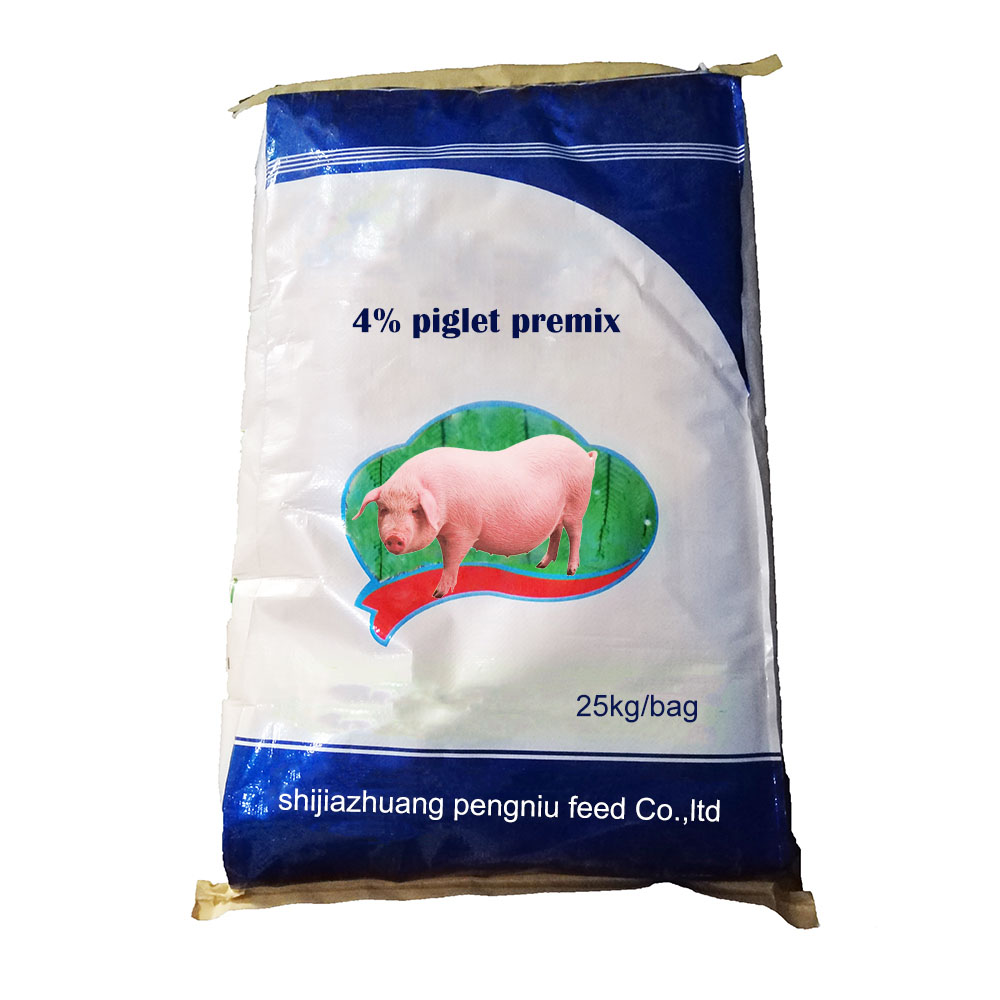
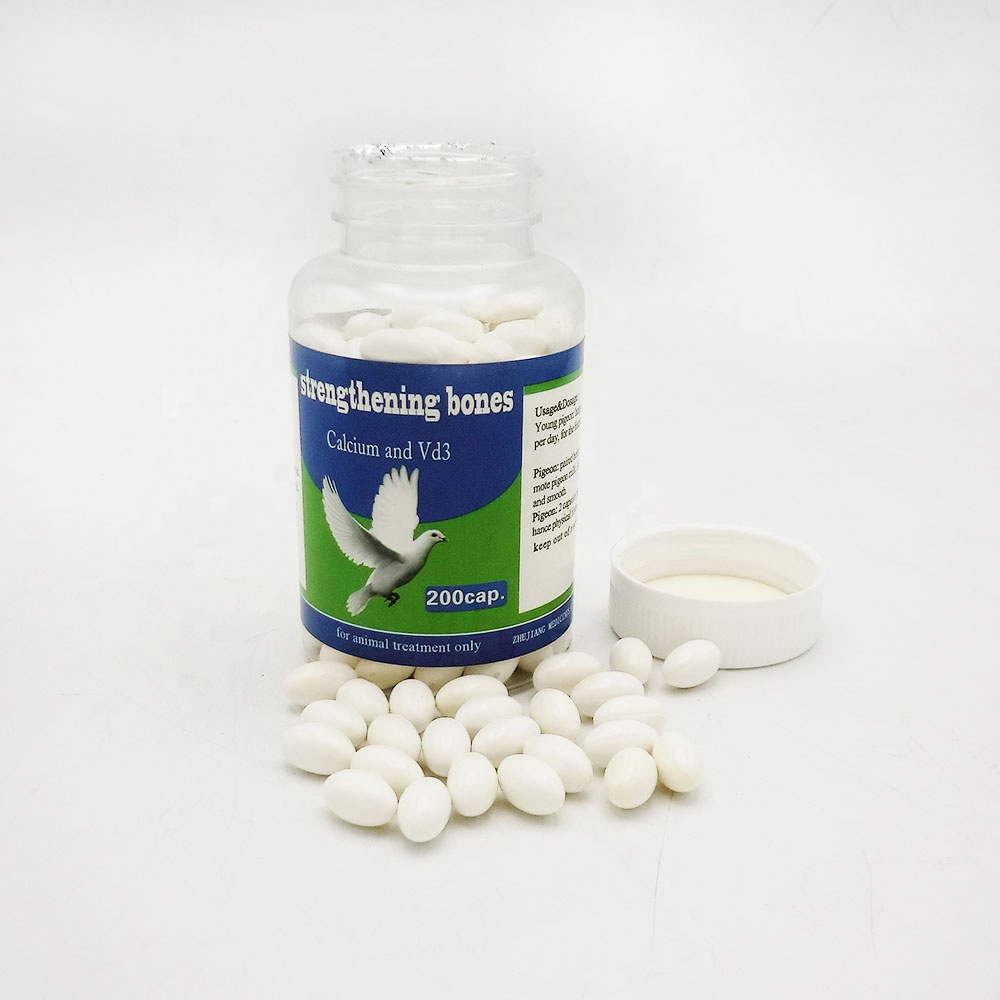
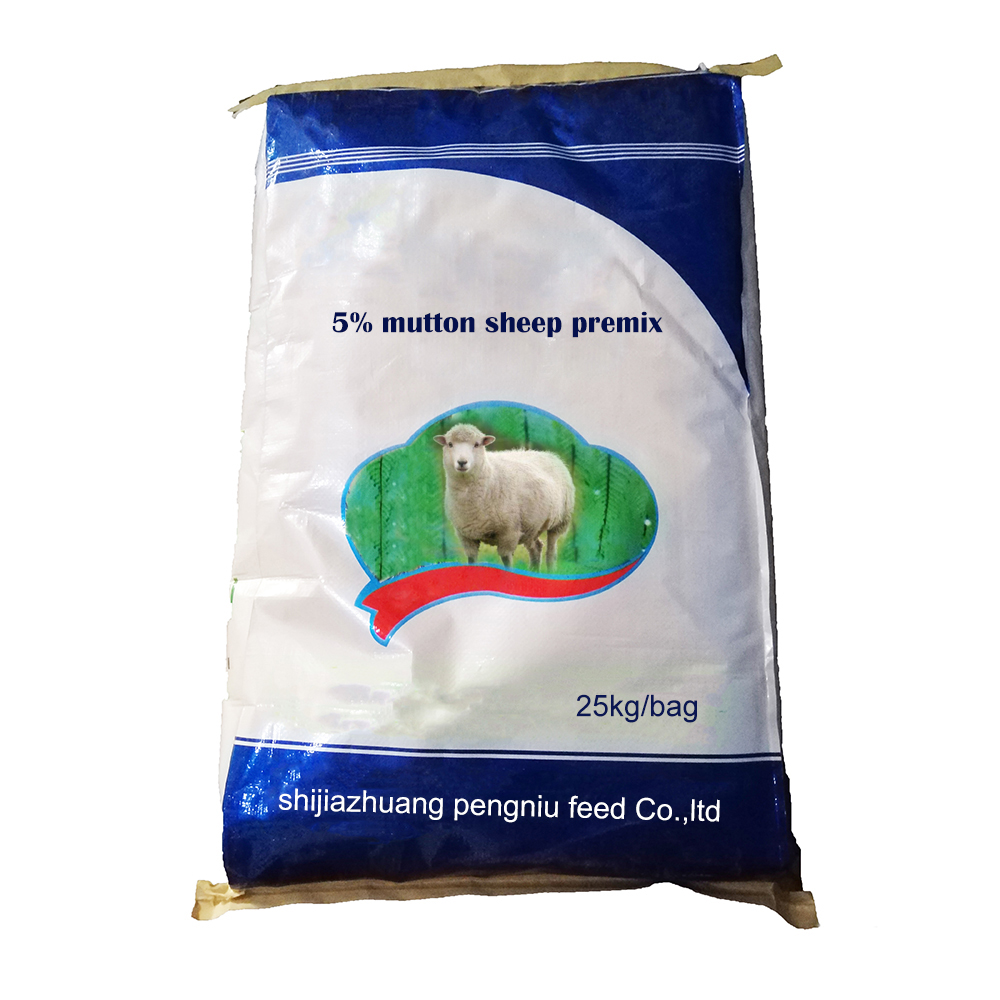
Simply put, these are businesses that research, develop, and produce medicinal products intended for animal health. This includes everything from vaccines that prevent common livestock diseases, to specialty pharmaceuticals for companion animals, to diagnostic tools that enable rapid disease detection. Often, these companies operate at the crossroads of cutting-edge biotechnology and practical field application.
They're not just about pills or injections — they often provide advisory services, training, and supply chain logistics to ensure that medicine reaches where it’s needed most, particularly in rural or underserved areas.
Core Components of Veterinary Medicine Companies
1. Research & Development
Investment in R&D is the lifeblood of any veterinary medicine company. Innovating new drugs or vaccines requires extensive clinical trials and regulatory approvals, often mirroring the rigour seen in human pharmaceuticals. It’s a long, costly endeavor but ultimately essential to respond to evolving pathogens or resistance issues.
2. Manufacturing & Quality Control
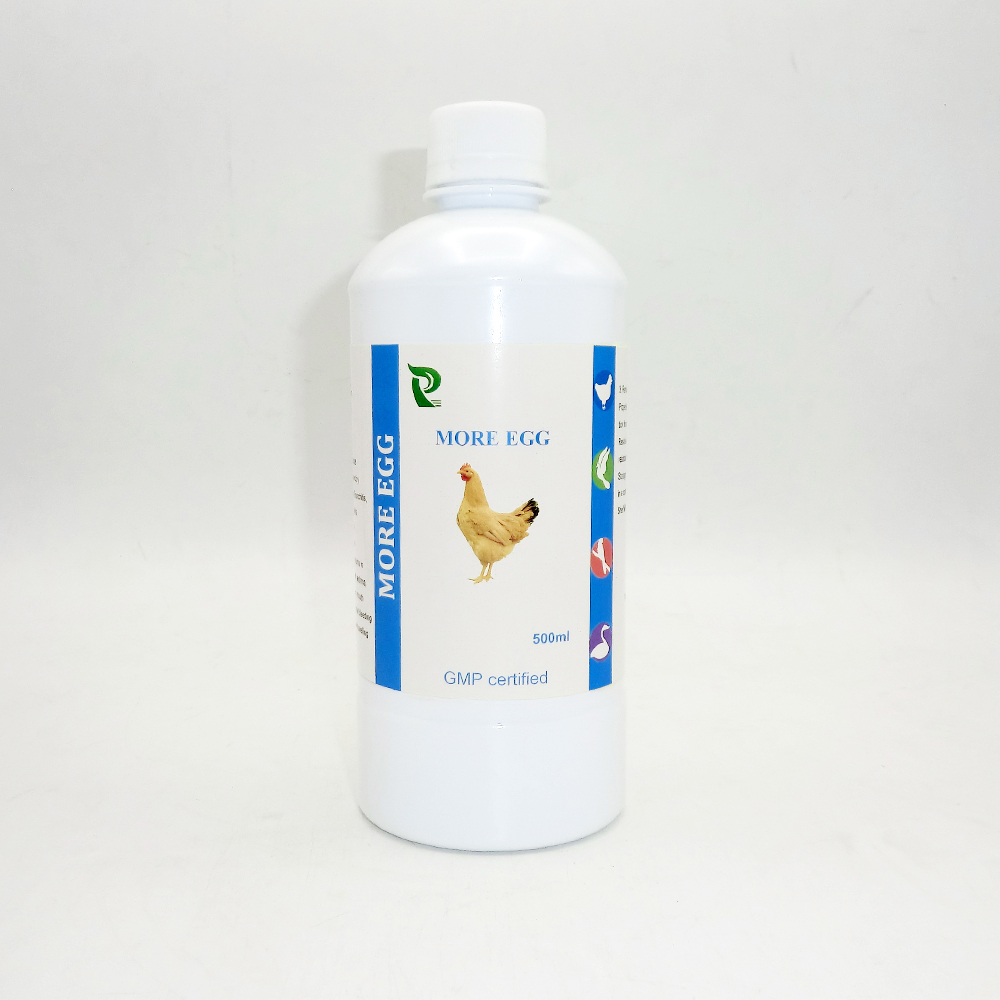
Consistency in product quality impacts effectiveness and safety. Many companies operate GMP-certified (Good Manufacturing Practices) facilities to meet stringent standards, ensuring that each vaccine dose or antibiotic batch is reliable.
3. Distribution & Supply Chain
Especially in remote parts of the world, getting medicines to farms and clinics can be a challenge. Leading players have developed cold chain logistics, digital tracking, and partnerships with local organizations to overcome infrastructure gaps.
4. Regulatory Compliance
Medical products must comply with local and international regulations — think FDA equivalents or EU directives — which vary widely. Navigating this patchwork requires specialized legal and scientific expertise.
5. Customer Support & Education
Veterinary professionals and farmers alike rely on ongoing support for correct product application, resistance monitoring, and compliance with withdrawal periods. Many companies run training programs and digital platforms to enhance knowledge and safety.
Mini Takeaway:
In essence, veterinary medicine companies are complex entities blending innovation, manufacturing savvy, and logistical expertise — all to protect animal and human health. Their reach and impact stretch far beyond a doctor’s office or a veterinarian’s clinic.
Global Applications & Real-World Use Cases
Take post-disaster relief as an example. After flooding or hurricanes, outbreaks of diseases like leptospirosis or foot-and-mouth disease can spike in livestock. Veterinary medicine companies spring into action, supplying emergency vaccines and antibiotics — sometimes under harsh conditions with limited electricity or road access.
In remote industrial zones, where migrant workers keep livestock, veterinary firms collaborate with NGOs and governments to monitor zoonotic threats and prevent outbreaks. In Europe and North America, companion animal pharmaceutical divisions innovate constantly — there’s a booming market for treatments addressing pet anxiety or cancer.
Regions like Sub-Saharan Africa or Southeast Asia benefit from affordable, heat-stable vaccines that don’t require refrigeration, which companies have developed in partnership with international agencies. Often, they tailor products for specific regional strains and species.
Advantages & Long-Term Value
- Cost Efficiency: By preventing disease outbreaks, these companies minimize losses in livestock productivity, saving farmers millions.
- Sustainability: Healthy animals mean less reliance on overusing antibiotics and lower environmental impact.
- Social Impact: Secure food supply chains contribute to community stability and economic development.
- Reliability & Trust: Veterinary medicine companies build reputations through consistent quality and transparency.
- Innovation-Driven: Constant research efforts keep these companies ahead of evolving diseases.
Product Specification Table: Example Vaccine Product
| Specification | Value |
|---|---|
| Product Name | VetGuard FMD Vaccine |
| Target Species | Cattle, Sheep, Goats |
| Dosage Form | Injectable suspension |
| Storage Conditions | 2°C - 8°C (Cold Chain Required) |
| Shelf Life | 12 months |
| Efficacy Rate | Over 92% |
How Do Top Veterinary Medicine Companies Compare?
| Company | Product Range | Global Reach | Innovation Focus | Sustainability Initiatives |
|---|---|---|---|---|
| VetMed Solutions | Vaccines, Antibiotics, Diagnostics | 150+ Countries | mRNA Vaccines R&D | Carbon Neutral Manufacturing |
| AgriVet Pharma | Animal Nutrition & Medicines | 90 Countries | Heat-Stable Vaccines | Sustainable Packaging |
| PetCare Innovators | Companion Animal Pharmaceuticals | 75 Countries | Digital Telemedicine Tools | Green Lab Initiatives |
Future Trends Shaping Veterinary Medicine Companies
Honestly, the future looks fascinating. Biotechnology advances like gene editing and personalized medicine are inching into veterinary practice. Digital transformation — think AI-driven diagnostics and blockchain-based supply chains — promises new levels of transparency and efficiency.
Sustainability is another buzzword that’s more than just corporate lip service. Companies are embracing eco-friendly manufacturing processes and renewable energy. Some have started developing biodegradable packaging to reduce the environmental footprint of veterinary medicines.
Oh, and let’s not forget the rise of telemedicine — remote consultations are making veterinary advice accessible to some of the world’s most isolated farmers and pet owners alike.
Challenges & Practical Solutions
It’s not all smooth sailing. Regulatory hurdles differ widely, making cross-border exports a headache. Developing vaccines that don’t require cold storage is ongoing research, but the need is urgent in tropical regions. Then there’s the thorny issue of antimicrobial resistance — many veterinary medicine companies are pivoting to develop alternatives to traditional antibiotics and promote stewardship.
One innovative solution is the deployment of solar-powered cold chain units for vaccine storage, particularly in developing nations. Another promising approach is the collaboration with local universities and governments to develop region-specific disease control programs.
FAQs About Veterinary Medicine Companies
Q1: How do veterinary medicine companies ensure safety across different species?
Safety is ensured through rigorous species-specific testing, regulatory approvals, and post-marketing surveillance. Each product undergoes clinical trials tailored to the physiology of target animals — be it cattle, horses, or cats — to minimize adverse effects and maximize efficacy.
Q2: Are veterinary pharmaceuticals accessible in rural or low-income areas?
Accessibility varies widely, but many leading companies partner with NGOs and government programs to improve distribution in underserved regions. Innovations like heat-stable vaccines also help overcome challenges associated with cold chain logistics in these areas.
Q3: What role do veterinary medicine companies play in combating zoonotic diseases?
They develop vaccines and diagnostics that identify and prevent animal diseases before they jump to humans. Additionally, they support surveillance, education, and outbreak response initiatives critical in managing zoonotic threats.
Q4: Can veterinary medicines contribute to sustainable farming?
Absolutely. By promoting animal health and reducing disease-related losses, veterinary medicines help optimize resource use, reduce waste, and minimize the need for antibiotics, aligning closely with the principles of sustainable agriculture.
In Closing: Why Veterinary Medicine Companies Should Matter to You
Whether you’re a farmer, pet owner, public health professional, or simply someone who appreciates the invisible networks keeping our food healthy and ecosystems balanced — veterinary medicine companies play a crucial role. Their innovations ripple through times of peace and crisis, securing health, economies, and trust across continents. To stay in the loop and explore specific products or partnerships, why not check out veterinary medicine companies specialized in this vital field? They’re definitely worth a closer look.
References
Post time: December 1, 2025