Understanding Veterinary Pharmaceutical Manufacturers: Why It Matters Globally
When you think about medicine, your mind probably jumps to pills or vaccines for humans. But what about animals? Veterinary pharmaceutical manufacturers play an essential role in producing medications that safeguard the health of our pets, livestock, and even wildlife. This industry isn’t just about keeping animals healthy – it impacts global food security, zoonotic disease control, and ecosystem balance. In a world where animals and humans coexist closely, having reliable veterinary drugs means healthier communities and safer economies. So understanding this sector better is not only interesting but vital from a global perspective.
Global Context: The Expanding Role of Veterinary Pharmaceutical Manufacturers
Globally, the livestock sector accounts for nearly 40% of the global agricultural economy, according to the World Bank. The United Nations Food and Agriculture Organization (FAO) also stresses that more than 70% of rural livelihoods in developing countries depend on livestock. This clearly shows why veterinary pharmaceutical manufacturers carry a huge responsibility. Whether it’s preventing diseases in dairy herds in Europe or controlling outbreaks in poultry farms across Southeast Asia, their products have ripple effects on food availability, public health, and global markets.
But it’s not without challenges. Drug resistance, supply chain complexities, and regulatory hurdles often complicate the production and distribution of veterinary medicines. Moreover, emerging zoonotic diseases remind us how intertwined animal and human health truly are — blurring boundaries and demanding proactive pharmaceutical solutions across borders.
Mini takeaway: Veterinary pharmaceutical manufacturers help maintain global food security and public health by providing essential animal medicines worldwide, yet face evolving challenges demanding innovative solutions.
What Exactly Are Veterinary Pharmaceutical Manufacturers?
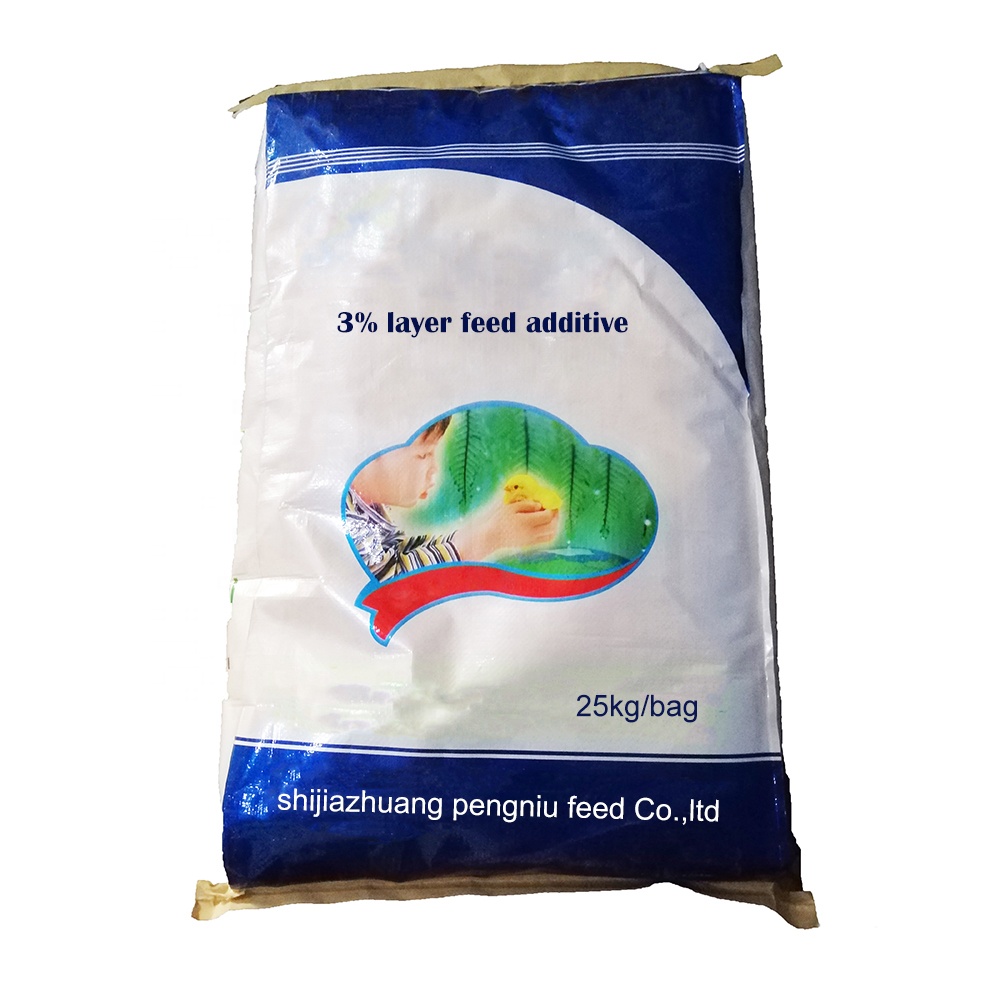
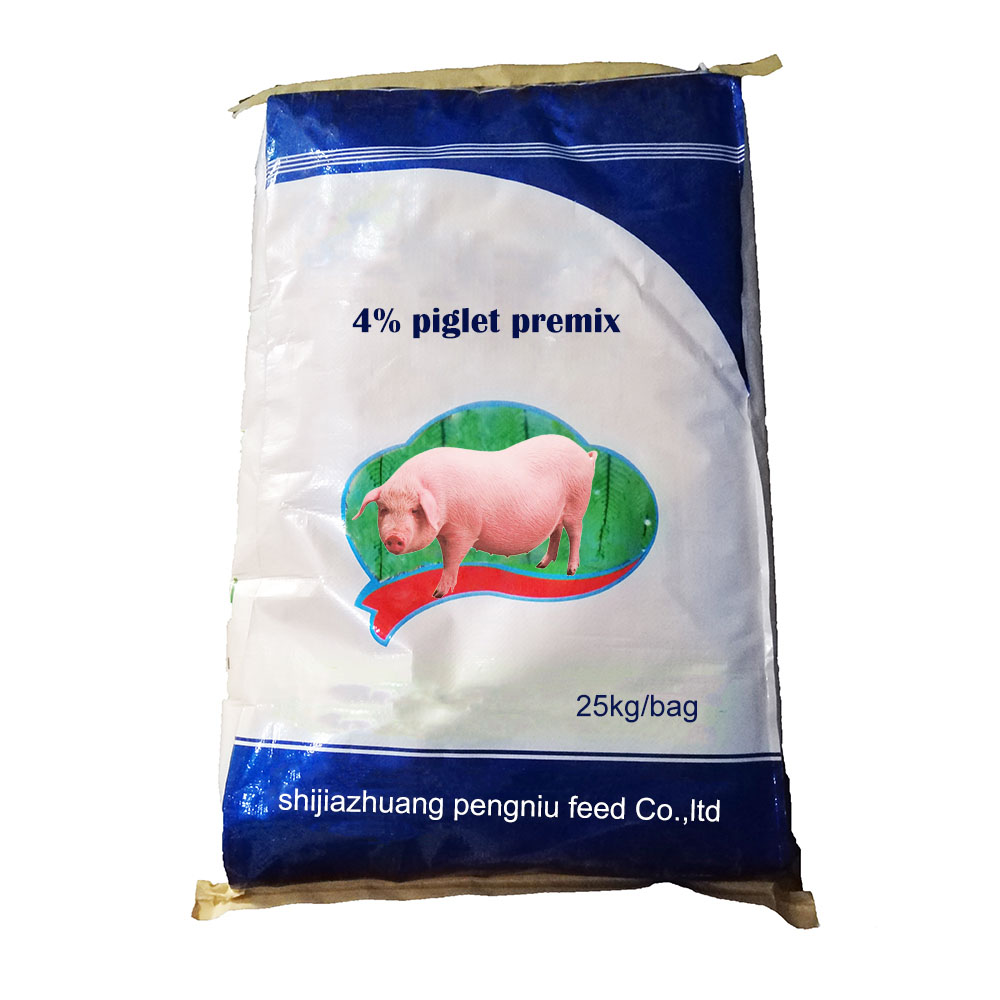
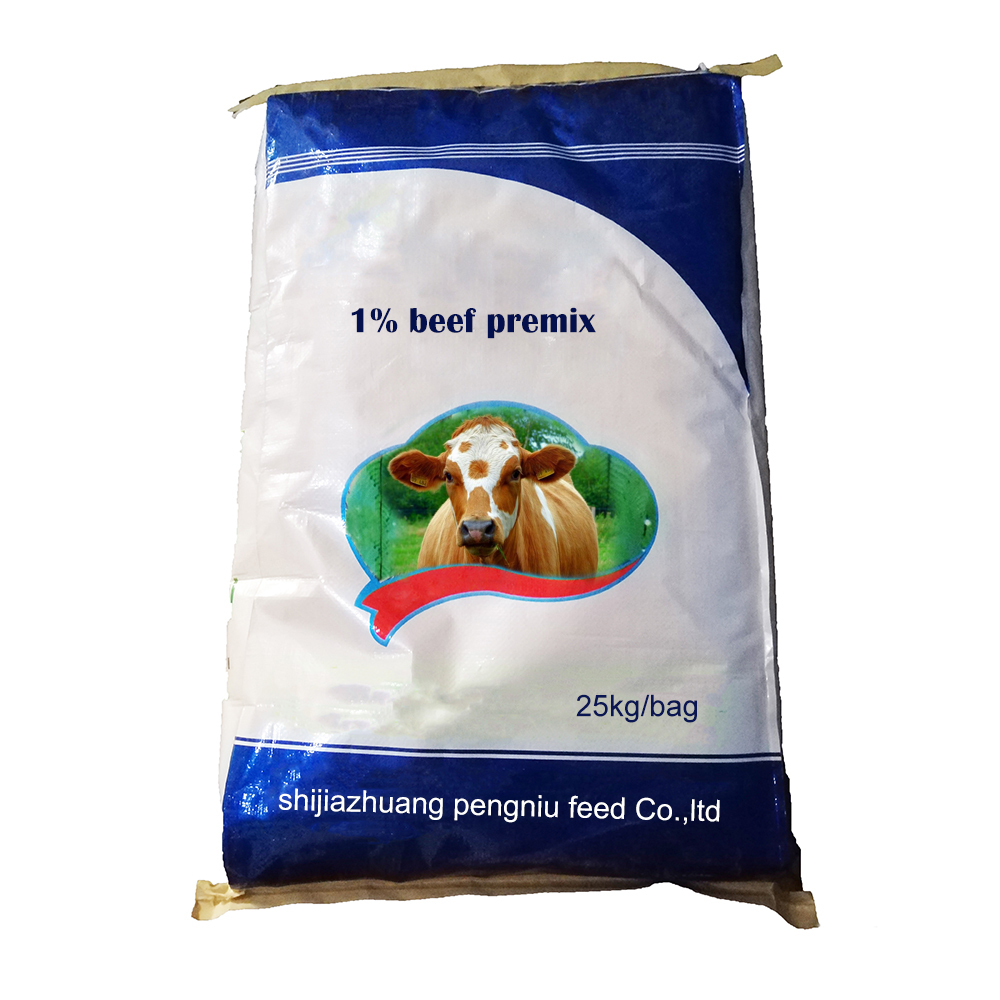
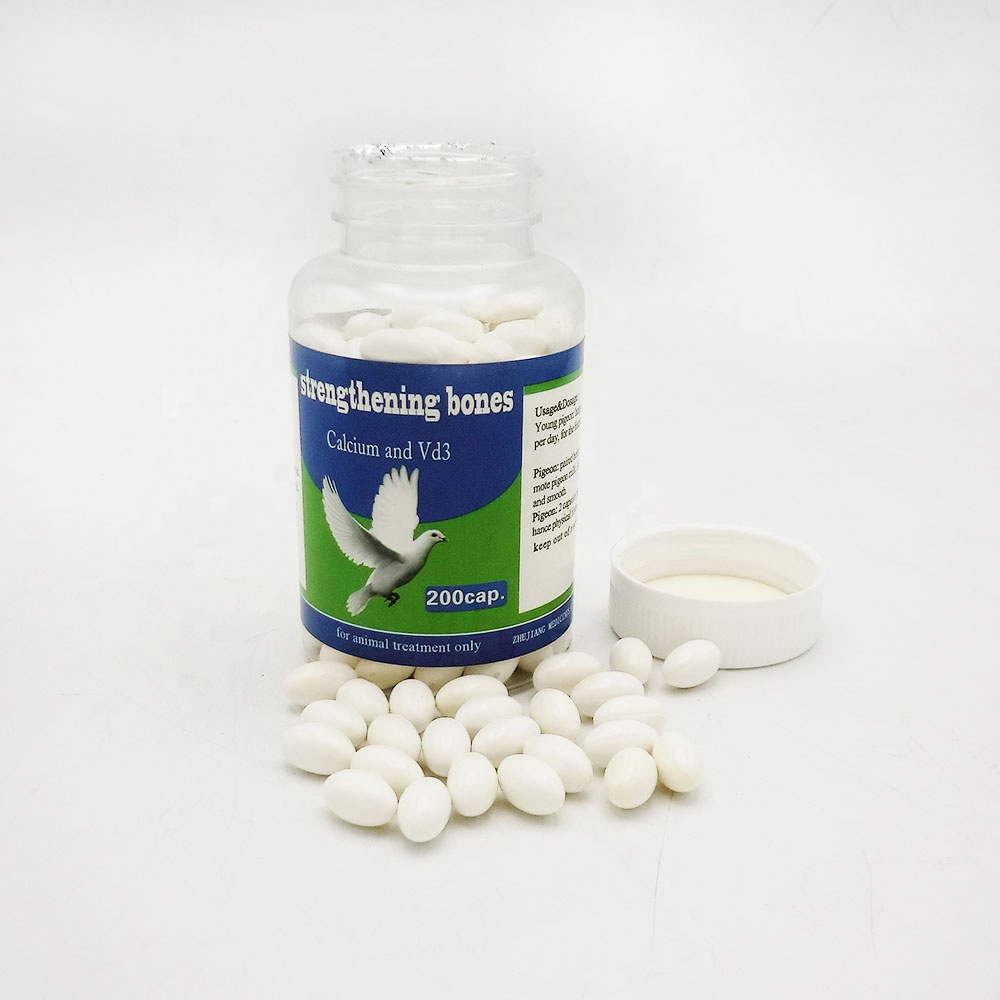
Simply put, veterinary pharmaceutical manufacturers are companies that research, develop, produce, and distribute medicinal products specifically for animals. These products include antibiotics, vaccines, parasiticides, hormones, and nutritional supplements targeted at various species from household pets to livestock.
This sector intersects heavily with both agricultural industries and the veterinary healthcare system. In humanitarian or emergency contexts, such as disaster relief operations involving livestock preservation, these medicines save not just animals but livelihoods.
Core Components of Veterinary Pharmaceutical Manufacturing
1. Research & Development
New veterinary drugs don’t just appear overnight. R&D involves extensive laboratory testing, clinical trials on animals, and regulatory approvals. Innovations, particularly around vaccine development and biosecurity products, are key drivers.
2. Regulatory Compliance
Vet pharmaceutical products undergo rigorous standards by bodies like the FDA, EMA, or regional authorities. Ensuring drug safety and efficacy across diverse species means navigating complex, ever-changing regulations.
3. Manufacturing Quality & Scalability
Producing medicines at scale requires reliable facilities, good manufacturing practices (GMP), and quality assurance to meet demand without compromising standards.
4. Supply Chain Management
Drugs must reach farms, clinics, and distributors worldwide — often crossing multiple borders. Maintaining cold chains for vaccines and managing logistics efficiently poses ongoing challenges.
5. Sustainability Efforts
More manufacturers now emphasize eco-friendly practices, reducing chemical waste, and adopting green chemistry to minimize environmental impact.
Mini takeaway: From R&D to logistics, veterinary pharmaceutical manufacturing is a complex but vital process demanding innovation, compliance, and sustainability.
Global Applications and Use Cases for Veterinary Pharmaceuticals
Around the world, veterinary pharmaceutical products have vast applications. In growing industrial livestock operations in South America, antibiotics and vaccines prevent devastating epidemics. In African wildlife conservancies, anti-parasitic drugs protect keystone species against disease outbreaks. And in Europe and North America, specialized medicines target companion animals—dogs, cats, horses—with precision, improving welfare and longevity.
An interesting example: In the aftermath of natural disasters, organizations deploy veterinary medicines urgently to save livestock critical to local economies. The veterinary pharmaceutical manufacturers supporting these missions often collaborate with NGOs to ensure supply chains remain unbroken, especially in remote or conflict-affected zones.
Advantages and Long-Term Value of Veterinary Pharmaceutical Manufacturers
- Economic Stability: Healthy livestock means secure incomes for millions of smallholder farmers.
- Food Security: Medicines reduce disease-induced animal loss, stabilizing meat, milk, and egg supply.
- One Health Approach: Managing animal diseases helps curb zoonotic transmissions, enhancing public safety.
- Innovation and Trust: Advances bolster farmers’ trust in medicines that are both effective and safe for animals.
Frankly, the emotional aspect can’t be overlooked: nobody likes to see suffering animals, whether a beloved pet or a family’s livelihood resting on a herd of cattle. Reliable veterinary pharmaceuticals thus deliver both peace of mind and tangible results.
Product Specification Table: Typical Veterinary Pharmaceutical Product
| Feature | Specification |
|---|---|
| Medication Type | Broad-spectrum antibiotic |
| Target Species | Cattle, Swine, Sheep |
| Formulation | Injectable solution |
| Shelf Life | 24 months (2 years) at 2-8°C |
| Packaging Options | Vials (10 ml, 50 ml), multi-dose |
| Regulatory Approval | FDA & EMA approved |
Vendor Comparison Table: Leading Veterinary Pharmaceutical Manufacturers
| Company | Global Reach | Product Range | Sustainability Programs | Innovation Focus |
|---|---|---|---|---|
| VetPharma Inc. | 100+ countries | Vaccines, Antibiotics, Nutritional Supplements | Waste Reduction & Green Chemistry | mRNA vaccines, AI in R&D |
| AgriVet Solutions | Asia, Africa, South America | Antiparasitic, Pain Relief | Solar-Powered Production Plants | Biodegradable Packaging |
| GlobalVet Pharma | Worldwide | Comprehensive Veterinary Pharmaceuticals | Carbon Neutral Initiatives | Digital Supply Chain Tracking |
Looking Ahead: Trends and Innovations Transforming Veterinary Pharmaceutical Manufacturers
The future feels incredibly dynamic. Many manufacturers are experimenting with genetic-based vaccines, including mRNA technology that rose to fame recently during the COVID-19 pandemic. Others are focused on digitalization, applying blockchain and IoT to enhance supply chain transparency — which frankly is overdue given the global nature of livestock trading.
Sustainability initiatives are front and center too. From green manufacturing plants to biodegradable packaging and minimized antibiotic overuse, the industry's pivot toward eco-responsible practices is clear. Emerging regulations may also push for stricter controls on antimicrobial usage to combat resistance, changing how pharmaceuticals are designed and deployed.
Common Challenges and Practical Solutions
- Drug Resistance: Overuse of antibiotics in animals risks resistance. Solution: Develop alternative therapies like probiotics or immunomodulators.
- Supply Chain Vulnerabilities: Complex cross-border logistics can break cold chains. Solution: Local manufacturing hubs and enhanced tracking tech like RFID.
- Regulatory Fragmentation: Different nations’ policies complicate approvals. Solution: International harmonization efforts through bodies like the International Cooperation on Harmonisation of Technical Requirements for Registration of Veterinary Medicinal Products (VICH).
FAQ: Practical Questions About Veterinary Pharmaceutical Manufacturers
Q: How do veterinary pharmaceutical manufacturers ensure drug safety for different species?
A: Drugs go through species-specific testing during R&D, including dosage trials and side-effect monitoring. Regulatory bodies require rigorous multi-step approvals to verify safety across all targeted animals before commercialization.
Q: Can veterinary medicines for livestock affect human food safety?
A: Absolutely, and that’s why withdrawal periods (the time between last medication and slaughter) are mandated to ensure drug residues don’t reach consumers. Manufacturers and farmers must comply strictly with these to protect public health.
Q: Are there veterinary pharmaceutical products tailored for rare or exotic animals?
A: Yes. Some manufacturers collaborate with zoological institutions and wildlife organizations to develop specialized medicines for exotic pets, zoo animals, and endangered species, addressing unique health needs.
Q: How is digital transformation influencing veterinary pharmaceutical manufacturing?
A: Digital tools improve R&D through AI modeling and speed up regulatory documentation via electronic submissions. On the supply side, IoT sensors track temperature and location during shipment, enhancing product reliability and transparency.
Q: What role do veterinary pharmaceutical manufacturers play in global disease outbreaks?
A: They are frontline contributors, quickly developing vaccines or treatments to curb zoonotic and livestock diseases, collaborating internationally with health organizations to contain outbreaks.
Conclusion: Why Investing in Veterinary Pharmaceutical Manufacturers Matters
To wrap up, veterinary pharmaceutical manufacturers are unsung champions of global health and economic resilience. Their work not only protects animals but indirectly shields humans from disease risks, supports sustainable agriculture, and fosters food security on every continent.
If you want to dive deeper into this vital sector and explore trusted solutions, visit our partners at veterinary pharmaceutical manufacturers. There’s plenty to discover, and frankly, it’s a field that’s only going to grow in significance as global challenges evolve.
References
Post time: December 1, 2025