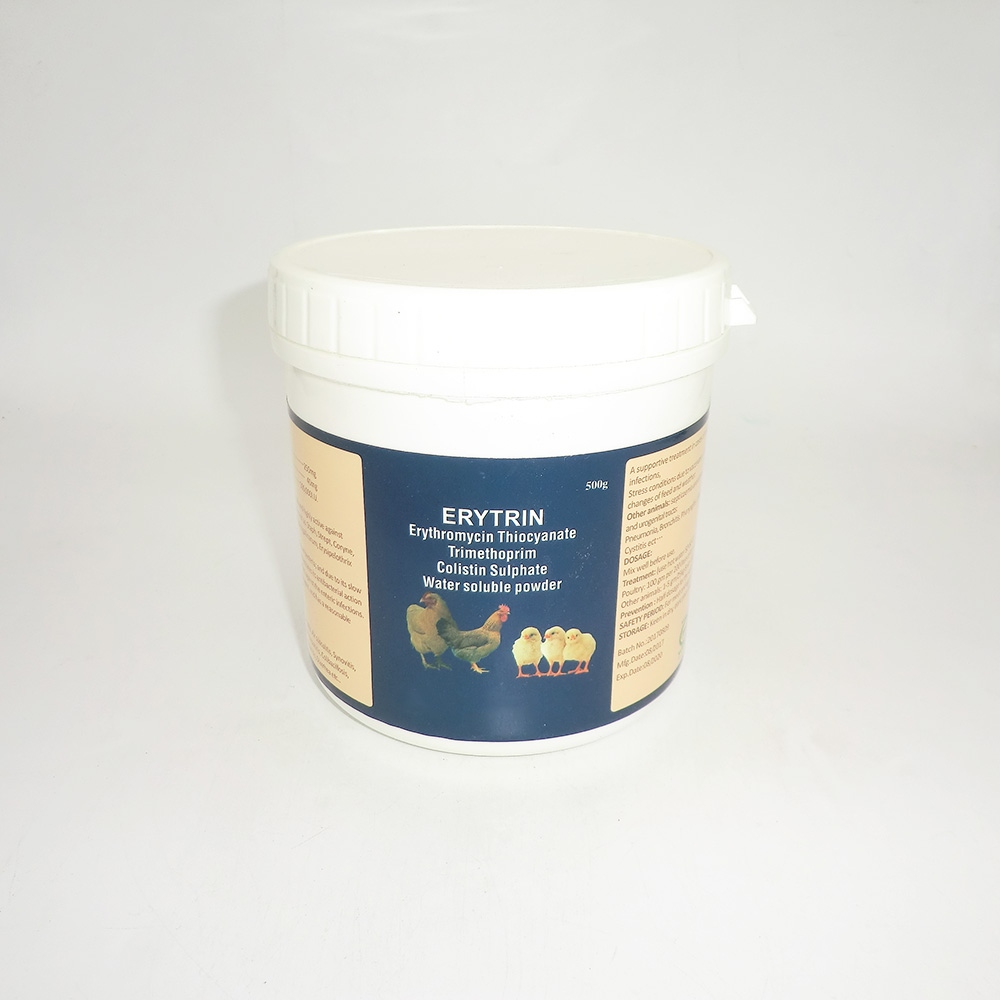
Understanding Veterinary Medicine for Chickens: Why It Matters Globally
When we talk about veterinary medicine for chickens, it's more than just treating flocks or farms. Globally, millions rely on poultry—not only as a source of nutrition but also as an economic backbone. The Food and Agriculture Organization (FAO) estimates that chickens account for over 35% of total global meat production, a staggering figure demonstrating their importance.
1
But there's a catch: poultry diseases can decimate flocks overnight, devastating livelihoods and threatening food security worldwide. Effective veterinary medicines help prevent, diagnose, and treat these illnesses, creating healthier flocks and stronger communities. In places like Sub-Saharan Africa and parts of Asia, where small-scale farming is widespread, accessible and affordable chicken health care is, frankly, a game changer.
Mini takeaway: Veterinary medicine for chickens isn’t just a clinical discipline—it’s a pivotal factor supporting global nutrition and economic resilience.
The Global Context: Challenges and Opportunities in Poultry Health
It's 2024, and poultry farming is more widespread and industrialized than ever, yet we face complex challenges in maintaining flock health. According to the World Bank, emerging economies have seen a 20% increase in poultry demand in the past decade, but disease outbreaks still cause approximately 15-20% production losses annually.
2 That’s a big, persistent headache.
Not to mention, zoonotic diseases—those transmissible from animals to humans—like avian influenza have raised alarm bells for both public health and trade restrictions. So, veterinary medicine for chickens doesn’t just help farmers; it’s a critical line of defense in global health security.
In essence, as poultry farming scales up worldwide, the need for sophisticated yet accessible veterinary solutions rises in equal measure.
What is Veterinary Medicine for Chickens? Breaking It Down
Veterinary medicine for chickens involves diagnosing, preventing, and treating diseases and health issues within poultry populations. Think vaccinations, antibiotics, nutritional supplements, and biosecurity measures tailored specifically for chickens.
Unlike general veterinary care, this field demands a very specific understanding of chicken biology, viral profiles, and environmental conditions. It’s a niche with mighty implications, especially when you consider the tight integration between poultry health and food system stability.
Moreover, it's not just about curing sick birds. It also means implementing husbandry practices and medicines that promote overall flock welfare, preventing problems from the start.
Mini takeaway: It’s not just “animal medicine”; it’s a specialized practice safeguarding a food resource critical to billions.
Key Components of Effective Veterinary Medicine for Chickens
1. Diagnostic Tools
From rapid on-site tests to precise lab analyses, good diagnostics help farmers quickly identify illnesses like Newcastle disease or coccidiosis before they spread.
2. Vaccination Programs
Vaccines are frontline heroes. They protect flocks from viruses and bacteria that can cause massive mortality rates if unchecked.
3. Medications and Therapeutics
Antibiotics, antiparasitics, and feed additives provide essential treatment options—but must be used wisely to avoid resistance.
4. Nutritional Supplements
Optimal nutrition strengthens immune responses, improving recovery rates and disease prevention.
5. Biosecurity Measures
Preventing disease introduction through sanitation, controlled access, and proper waste management is vital.
6. Training & Education
Empowering farmers and vets with knowledge about medicine administration ensures practices are effective and safe.
Mini takeaway: A holistic approach combining diagnostics, vaccines, medicines, nutrition, and education creates the foundation for resilient poultry health care.
Real-World Applications of Veterinary Medicine for Chickens
Whether it’s industrial poultry complexes in Europe, backyard farmers in Southeast Asia, or emergency relief operations in disaster-stricken regions of Africa, veterinary medicine for chickens plays a tangible role.
- In remote rural villages: Often, veterinary resources are scarce, but NGOs deploy mobile clinics offering vaccines and vital medicines, improving flock survival rates dramatically.
- In commercial hatcheries in North America: Timely vaccinations and automated diagnostic tools ensure the health of thousands of chicks daily.
- Post-disaster relief: After floods or droughts, veterinary teams work to prevent outbreaks in vulnerable poultry populations, preserving a key source of protein for affected communities.
Such diversity in application shows how medicine for chickens is adaptable across environments and scales—one size does not fit all.
Advantages and Long-Term Value of Specialized Poultry Medicine
The benefits stretch beyond improving chicken health:
- Cost Efficiency: Reduced mortality and higher productivity translate to better returns for farmers.
- Sustainability: Healthy flocks require fewer resources overall, minimizing feed waste and environmental impact.
- Food Security: Consistent poultry availability supports nutritional needs globally.
- Public Health: Reduced disease transmission risk strengthens community well-being.
- Innovation & Trust: Continued research fosters advancements that farmers feel confident in adopting.
In short, strong veterinary medicine programs empower entire agricultural ecosystems, boosting both economic and social outcomes.
Future Trends Shaping Veterinary Medicine for Chickens
It’s an exciting time. Here are some innovations on the horizon:
- Digital diagnostics: Apps and IoT devices enabling real-time health monitoring.
- Genetic vaccines: More targeted, effective, and faster to produce.
- Sustainable formulations: Reduced antibiotic use with natural alternatives, aligned with global antimicrobial stewardship.
- Automation: Robots helping with vaccination and hygiene in large-scale farms.
- Data-driven disease surveillance: Supporting early outbreak detection at regional and national levels.
Such advances promise to make veterinary medicine more precise, accessible, and eco-friendly.
Common Challenges & Clever Solutions in Poultry Health Care
While veterinary medicine for chickens is vital, hurdles remain:
- Antimicrobial resistance (AMR): Overuse of antibiotics risks creating resistant strains. Solution? More vaccines and natural alternatives.
- Access in low-income areas: Remote farming communities often lack access to veterinary care. Mobile clinics and community training programs help bridge this gap.
- Regulatory inconsistencies: Varying standards worldwide can slow medicine availability. Harmonized policies could help.
- Farmer education: Without proper training, medications may be misused. Partnerships between governments, NGOs, and vendors improve outreach.
Addressing these challenges keeps the industry moving forward more sustainably.
Frequently Asked Questions About Veterinary Medicine for Chickens
- What are the most common diseases treated by veterinary medicine in chickens?
- Diseases like Newcastle disease, avian influenza, Marek's disease, and coccidiosis are commonly targeted. Appropriate vaccinations and medications help control these effectively.
- How often should chickens be vaccinated?
- Vaccination schedules vary by region and flock type, but typically initial vaccinations occur in the first few weeks of life, followed by boosters as needed. Always follow veterinary recommendations.
- Can small-scale farmers access affordable veterinary medicines?
- Yes, many NGOs and governmental programs provide subsidized vaccines and medicines. Mobile veterinary services and training also improve accessibility.
- Is antibiotic use in poultry safe for consumers?
- When used properly and following withdrawal periods, antibiotics do not pose risks. However, reducing their use is important for combating antimicrobial resistance.
- How can technology improve veterinary medicine distribution to rural farmers?
- Digital platforms and mobile apps allow farmers to order medicines, get reminders, and receive advice remotely, overcoming logistical barriers.
Comparison of Popular Veterinary Medicine Suppliers for Chickens
| Supplier |
Product Range |
Geographical Reach |
Price Range |
Special Features |
| AgriVet Solutions |
Vaccines, antibiotics, supplements |
Global |
Medium |
Mobile app support, farmer education |
| PoultryMed Inc. |
Diagnostics, natural products |
USA, Europe |
High |
Advanced diagnostics devices |
| FarmVet Supplies |
Broad range, generic medicines |
Asia, Africa |
Low |
Local-language support |
Product Specification Table: Common Veterinary Medicines for Chickens
| Medicine |
Purpose |
Formulation |
Dosage |
Common Use Cases |
| Newcastle Disease Vaccine |
Virus Prevention |
Live attenuated |
Single dose, early life |
Routine flock vaccination |
| Amprolium |
Coccidiosis Control |
Oral solution |
Mixed in drinking water for 5 days |
Infected or at-risk flocks |
| Oxytetracycline |
Bacterial infections |
Injectable or oral |
Dosage varies by weight and infection |
Respiratory & systemic infections |
| Probiotics |
Gut health & immunity |
Feed additive |
Daily in feed |
General flock health |
Final Thoughts on Veterinary Medicine for Chickens
In real terms, veterinary medicine for chickens is quietly underpinning a vast and diverse global industry—and it often flies under the radar when we discuss food security or agriculture. Its impacts ripple through public health, economics, and sustainability. The ability to maintain healthy flocks amidst ever-changing threats is, frankly, a monument to scientific progress and dedicated fieldwork.
For anyone involved in poultry farming, veterinary medicine is an indispensable partner, not just a “nice to have.” Its future is bright, shaped by passion, innovation, and a growing recognition of its global significance.
Curious to learn more or find trusted veterinary products? Visit
our website for expert resources and solutions.
References
- Food and Agriculture Organization. Poultry Production and Products.
- World Bank. Poultry Sector and Economic Development.
- International Organization for Standardization. Animal Health Standards.