Understanding Veterinary Medicine for Buffalo: Why It Matters Worldwide
Veterinary medicine for buffalo isn’t just a niche specialty—it’s a critical field impacting food security, rural livelihoods, and even global trade. Buffaloes, essential lauded work and dairy animals in parts of Asia, Africa, and South America, require specialized veterinary care to keep them healthy and productive. Beyond that, better veterinary practices enhance disease control, improve milk and meat yield, and ultimately bolster economic resilience for millions of farmers. Globally, buffalo populations exceed 195 million (FAO, 2023), concentrated mostly in India, Pakistan, China, and Egypt. These animals often face threats from infectious diseases, parasitic infestations, and nutritional imbalances. Effective veterinary medicine for buffalo is therefore not just an animal health issue, but a pillar of sustainable agriculture and rural development. Mini takeaway: With more than 10% of the world’s large ruminants belonging to buffalo, prioritizing their veterinary care leads to better food security and rural income, especially in developing countries.Global Context: The Growing Importance of Veterinary Medicine for Buffalo
Why should anyone outside rural Asia or Africa care about buffalo health? Because the buffalo industry intersects with pressing global challenges like poverty alleviation, climate change, and zoonotic disease control. According to the United Nations Food and Agriculture Organization (FAO), buffalo milk accounts for roughly 70% of the world's milk production from buffaloes, supporting millions of dairy farmers. However, disease outbreaks like hemorrhagic septicemia and tuberculosis still threaten herds, leading to devastating losses. According to World Bank livestock reports, these losses can reduce household incomes by as much as 30%, pushing vulnerable families deeper into poverty. The challenge, frankly, is making state-of-the-art veterinary care accessible and affordable in rural, often remote, regions. Veterinary medicine for buffalo thus acts as a frontline guardian not only for animal health but also for family livelihoods and food systems worldwide.What Exactly is Veterinary Medicine for Buffalo?
Simply put, veterinary medicine for buffalo involves the prevention, diagnosis, and treatment of diseases and injuries in buffalo species (Bubalus bubalis). It encompasses everything from vaccines and parasite control to nutritional counseling and reproductive management specifically tailored to these animals. Buffaloes have unique physiological characteristics—thick skin, distinctive digestive tracts, and different disease susceptibilities compared to cattle—meaning their veterinary care can’t be a one-size-fits-all approach. Specialists in this field combine traditional veterinary concepts with modern research to optimize health outcomes that align with local farming realities. Today, veterinary medicine for buffalo also melds with global efforts for zoonotic disease monitoring and sustainable livestock management, illustrating how deep the connection goes between this practice and both public health and global industry needs.Core Components of Veterinary Medicine for Buffalo
Disease Prevention & Vaccination
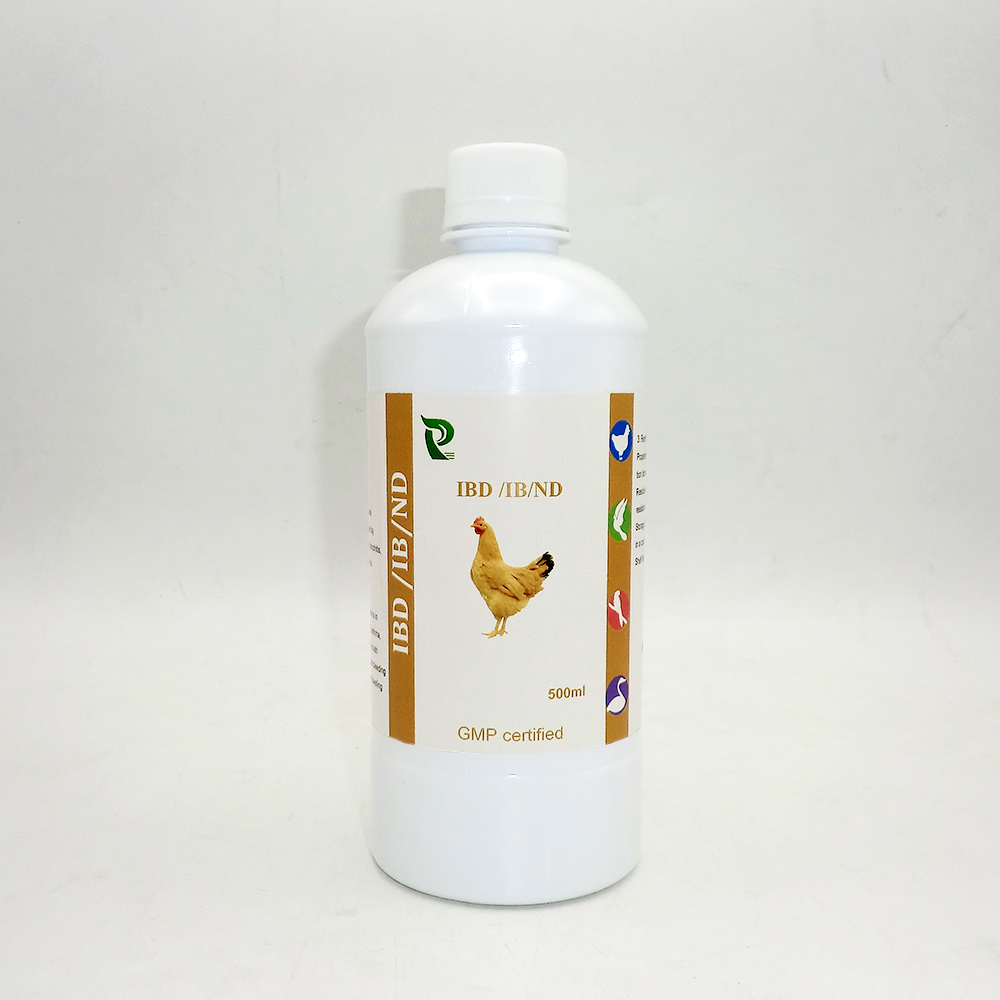
Vaccinations against foot-and-mouth disease, hemorrhagic septicemia, and brucellosis remain essential. Regional outbreaks have urged governments and NGOs to implement community-wide immunization programs, which significantly reduce mortality.Nutritional Management
Buffalo thrive on fibrous, low-quality forage but require vital micronutrients to prevent metabolic disorders. Supplementation protocols adapted to local feed resources can boost immunity and milk production.Reproductive Health
Fertility management includes estrus detection, artificial insemination (AI), and treatment of reproductive infections, which ensure steady herd growth and productivity.Parasite Control
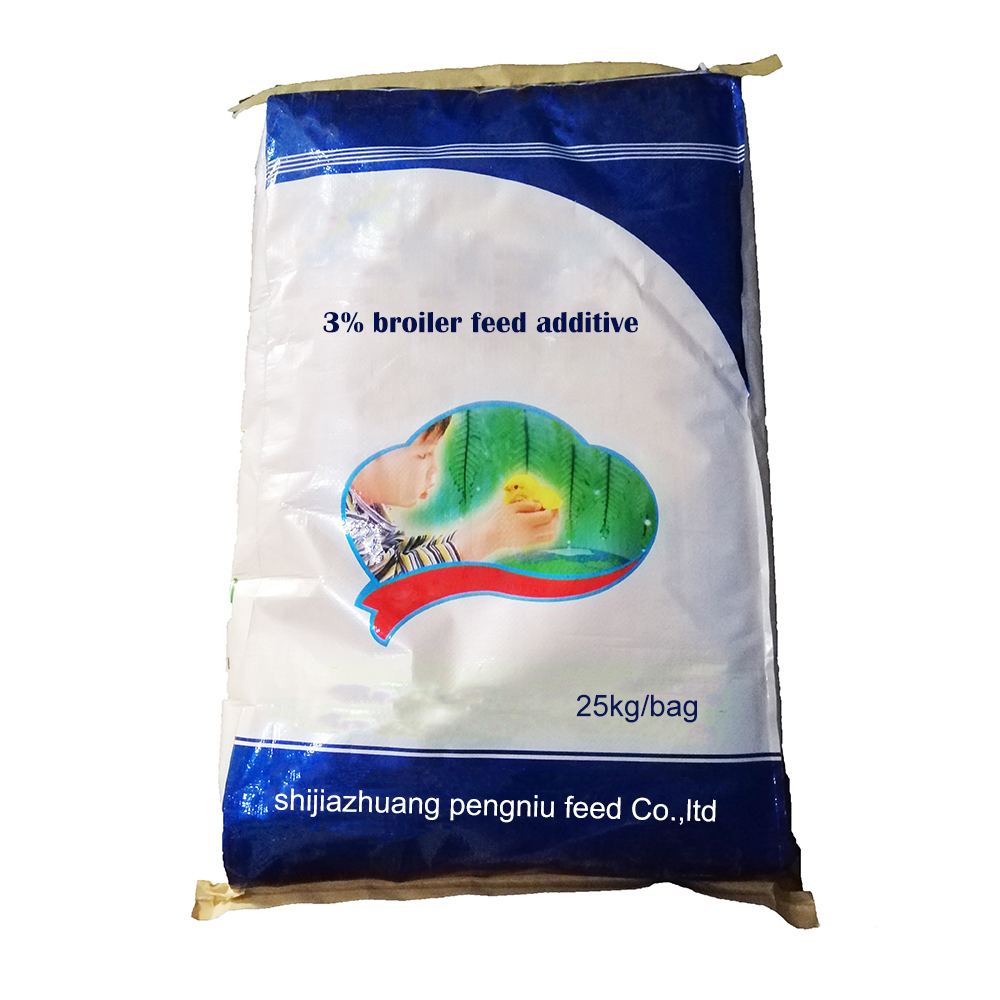
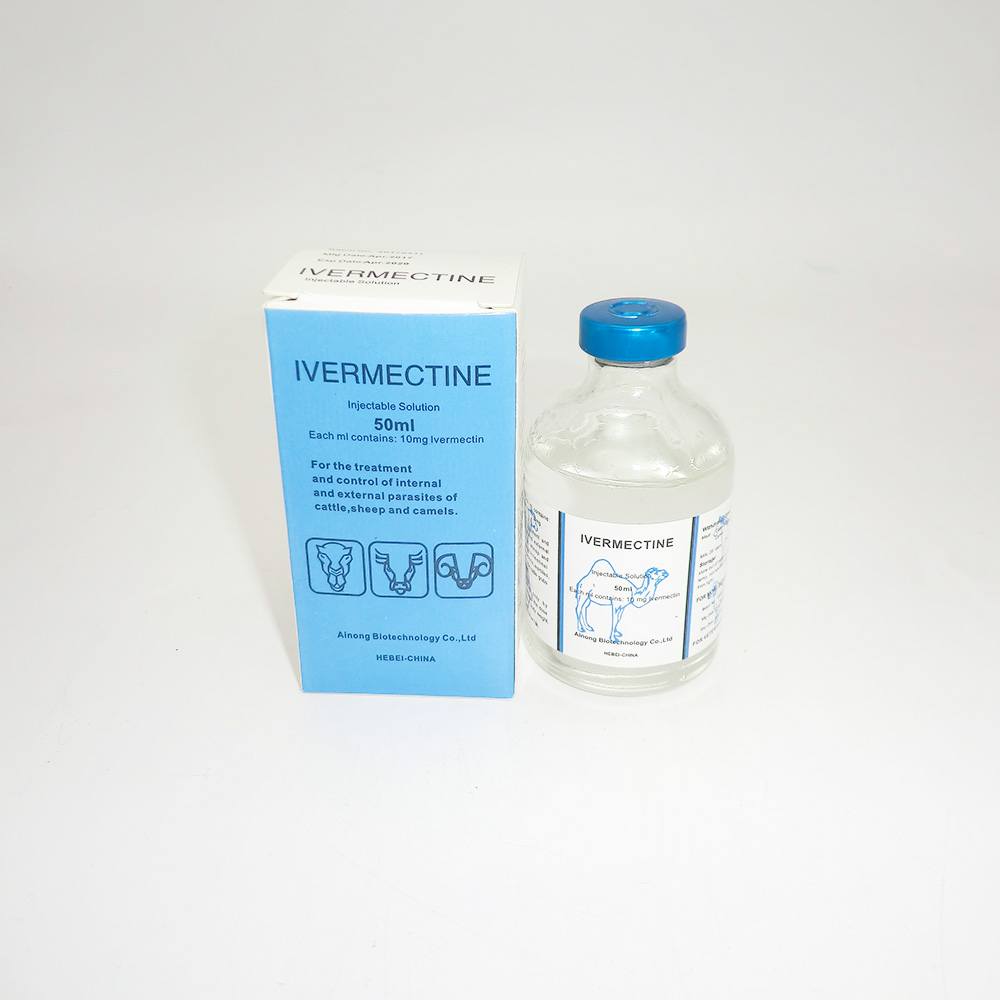
Internal and external parasites, such as ticks and liver flukes, undermine buffalo health. Integrated parasite management using periodic deworming and pasture rotation helps limit these threats.Diagnostic & Therapeutic Tools
Modern tools—ultrasound, blood tests, antibiotic regimens—are increasingly deployed, though access can be limited by geography and cost. Training local vets and para-veterinarians remains critical. Mini takeaway: Vet care for buffalo hinges on tailored disease protection, nutrition, reproduction, and parasite control, all adapted to buffalo’s biological and environmental needs.Vet Medicine for Buffalo in the Real World
Countries with large buffalo populations, like India and Pakistan, lead development programs investing heavily in veterinary infrastructure. Remote Himalayan areas use mobile veterinary clinics equipped to vaccinate and treat herds on-site, sometimes in brutally cold conditions. Meanwhile, international agencies such as the FAO and World Organisation for Animal Health (WOAH) provide technical assistance and policy frameworks to minimize disease spread, particularly for transboundary diseases. Post-disaster relief operations increasingly acknowledge buffalo’s economic importance—distributing veterinary kits and vaccines alongside feed supplies helps farmers rebuild faster. Even livestock companies specialize in buffalo genetics and health products now, underscoring the commercial industry's role in advancing veterinary medicine for buffalo health.Advantages & Long-Term Benefits of Veterinary Medicine in Buffalo Health
A robust veterinary care system for buffalo yields multiple benefits:- Economic Stability: Healthy buffalo produce more milk and meat, directly improving farmers’ income.
- Food Security: Buffalo products fulfill dietary needs in many regions.
- Sustainability: Integrated care reduces disease outbreaks, lowering antibiotic overuse and environmental harm.
- Community Well-being: Preventing zoonoses protects entire households.
- Dignity and Trust: Farmers feel empowered providing proper animal care, preserving treasured livestock traditions.
Future Trends Shaping Veterinary Medicine for Buffalo
Innovations are bubbling beneath the surface. Digital diagnostics using AI can identify diseases from sounds or images. Genomic research promises better breeds resistant to diseases and adapted to climate challenges. Automated, solar-powered cold chain storage ensures vaccines maintain potency in remote areas. Green energy is especially important. Solar-powered mobile veterinary units reduce carbon footprints while expanding reach. Workforce training via virtual reality enhances skills without costly travel. Policy-wise, increased emphasis on One Health (integrating animal, human, and environmental health) will boost funding and collaboration between veterinary medicine for buffalo and wider public health sectors.Challenges & Practical Solutions in Buffalo Veterinary Care
Despite progress, certain obstacles persist:- Logistics: Difficult terrain hinders vaccine delivery.
- Cost Barriers: Smallholder farmers often can’t afford full vet services.
- Knowledge Gaps: Few trained buffalo vets exist in many regions.
- Drug Resistance: Overuse of antibiotics threatens future treatment efficacy.
Frequently Asked Questions about Veterinary Medicine for Buffalo
Q1: What are the most common diseases affecting buffalo globally?A: Diseases such as foot-and-mouth, hemorrhagic septicemia, brucellosis, and parasitic infections top the list. Vaccination and good management practices greatly reduce incidence. Q2: How can small farmers access affordable veterinary care for buffalo?
A: Community-based veterinary programs, mobile clinics, and subsidized vaccines can help. Farmers can also participate in cooperative health schemes to share costs. Q3: Are buffalo vaccines different from those used in cattle?
A: Yes, some vaccines are species-specific or formulated to address buffalo’s unique immunity and disease profiles. Using the correct vaccines enhances protection. Q4: Can veterinary medicine for buffalo help prevent zoonotic diseases?
A: Absolutely. Proper disease control in buffalo reduces transmission risks to humans, promoting overall public health. Q5: What role do government policies play in buffalo veterinary services?
A: Governments help by regulating vet practices, funding disease control campaigns, and ensuring vaccine availability, especially in rural regions.
Product Specification Table: Veterinary Essentials for Buffalo Care
| Product | Category | Usage | Shelf Life | Storage |
|---|---|---|---|---|
| HS Vaccination Dose | Vaccine | Intramuscular injection | 1 Year | 2-8°C refrigeration |
| Anti-parasitic Dewormer | Medication | Oral paste/syrup | 2 Years | Room temperature, dry |
| Buffalo Nutritional Supplement | Feed Additive | Mixed in daily feed | 6 Months | Store in cool, dry place |
Vendor Comparison: Leading Providers of Buffalo Veterinary Products
| Vendor | Product Range | Geographical Reach | Pricing | Customer Support |
|---|---|---|---|---|
| BuffaVax Ltd. | Vaccines, Supplements | India, SE Asia | Moderate | 24/7 Helpline, Field Agents |
| AgriVet Global | Parasite Control, Diagnostics | Global (Emerging Markets) | Premium | Online Support, Training |
| RuralVet Supplies | Basic Drugs, Vaccines | Africa, Latin America | Low | Local Partners, Workshops |
Wrapping It Up: The Path Forward
The long-term benefits of veterinary medicine for buffalo extend far beyond animal health alone. They touch food security, rural economies, environmental sustainability, and community dignity. Taking care of buffalo is, in many ways, about taking care of the vulnerable people who depend on them. If you want to explore more on how veterinary medicine transforms buffalo farming, or discover products tailored for this unique field, visit our website: veterinary medicine for buffalo. Because sometimes, a healthy buffalo means a healthy future for us all.References
- UN Food and Agriculture Organization statistics - FAO Livestock Data
- World Bank Livestock and Poverty Analysis - World Bank Livestock
- World Organisation for Animal Health (WOAH) - WOAH Official Site
Post time: November 30, 2025