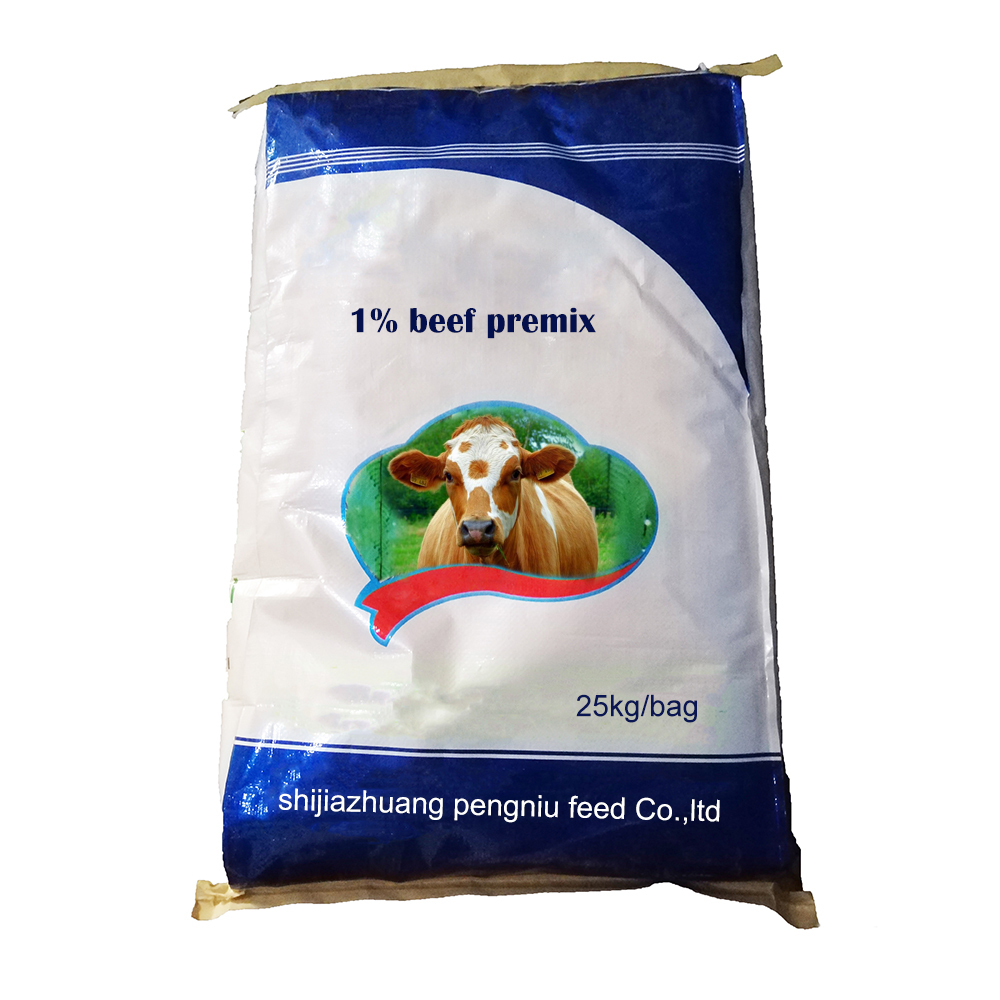
Understanding Veterinary Science: A Global Perspective
Veterinary science might seem like a niche field at first glance, but its impact truly resonates on a global scale. At its core, it's the multidisciplinary branch of biology that deals with the prevention, diagnosis, and treatment of animal diseases. Why does that matter so much worldwide? Because the health of animals intricately links to human wellbeing, food security, environmental sustainability, and even economic stability. Recognizing this connection offers key benefits, from safeguarding public health to preserving biodiversity and ensuring sustainable agriculture.
Introduction: Global Relevance of Veterinary Science
Look around: with over 20 billion farm animals worldwide and millions of pets, veterinary science plays a critical role in global health. According to the World Bank, livestock contributes more than $1.4 trillion annually to the global economy, making animal health a cornerstone of economic resilience, especially in developing regions. The World Health Organization (WHO) highlights veterinary science as fundamental in preventing zoonotic diseases—those that can jump from animals to humans—like rabies, avian influenza, and more recently, diseases with pandemic potential.
Challenges abound. For example, emerging infectious diseases often originate in animals. Addressing this requires a One Health approach, integrating veterinary science with human and environmental health disciplines. Without robust veterinary systems, outbreaks can spiral quickly, affecting food supplies, livelihoods, and human safety.
What is Veterinary Science?
In simple terms, veterinary science encompasses the study and medical care of animals. It goes beyond treating pets; it includes livestock health management, wildlife conservation, food safety inspection, and research on diseases that affect animal populations. It sits at the crossroads of biology, medicine, ecology, and even public policy.
Frankly, veterinary science isn’t just about animals themselves. It’s about the connectedness between humans, animals, and the environment—recognizing that healthy animals often indicate healthy ecosystems and communities.
Core Components of Veterinary Science
1. Animal Health Diagnostics
This involves tools and techniques to detect diseases early—using laboratory testing, imaging, and field assessments. Accurate diagnostics are the foundation for effective treatment and disease control.
2. Disease Prevention and Control
Vaccination, biosecurity, and surveillance programs help keep outbreaks at bay. This is especially critical in industries like poultry and cattle farming, where epidemic zoonoses can devastate production.
3. Nutrition and Welfare Management
Proper diets and welfare standards improve animal growth and productivity while ensuring humane treatment. Nutrition directly influences immune response and disease resistance.
4. Epidemiology and Public Health Integration
Tracking disease patterns and understanding transmission pathways supports One Health initiatives, bridging veterinary and human health systems effectively.
5. Research and Innovation
Developing new vaccines, antimicrobials, and diagnostic tools requires continual research. Veterinary science pushes the envelope with biotechnology and digital health technologies.
Mini Takeaway:
Veterinary science is a multifaceted field, blending diagnostics, prevention, nutrition, public health, and research to support animal and human wellbeing worldwide.
Global Applications & Use Cases
Across continents, the applications of veterinary science demonstrate its scope. In Sub-Saharan Africa, for instance, controlling Rift Valley fever and foot-and-mouth disease is essential to sustaining the livelihoods of pastoralist communities. Meanwhile, North America invests heavily in companion animal medicine and pet health technology.
In remote industrial zones like the Australian outback, veterinary services are often mobile, tackling livestock health under challenging conditions. NGOs often deploy veterinary expertise in post-disaster relief efforts, addressing livestock and wildlife health to stabilize food production and ecosystems.
Popular Veterinary Diagnostic Devices: Product Specs
| Device | Function | Portability | Power Source | Approx. Cost (USD) |
|---|---|---|---|---|
| Handheld Ultrasound | Imaging for diagnosis | High | Rechargeable Battery | $5,000 - $8,000 |
| PCR Analyzers | Molecular diagnosis | Medium | AC Power | $20,000 - $50,000 |
| Rapid Test Kits | On-site disease detection | Very High | None (Disposable) | $5 - $50 per kit |
Advantages & Long-Term Value
Investing in veterinary science isn’t just a technical or economic decision—it touches on emotional and ethical values, too. Animal welfare creates trust in communities depending on livestock, securing their dignity and livelihoods. Cost savings arise from preventing outbreaks instead of reacting to crises. Plus, healthier animals mean safer food supplies, aligning with consumer demands for sustainable sourcing.
In real terms, veterinary programs strengthen rural economies, enhance food safety, and reduce antibiotic resistance through better disease management protocols. That mix of social impact and innovation creates a virtuous cycle of trust and progress.
Vendor Insights: Diagnostic Solutions Comparison
| Vendor | Product Range | Pricing Model | Customer Support | Global Reach |
|---|---|---|---|---|
| VetTech Solutions | Diagnostic devices, software tools | Subscription & Purchase | 24/7 Live Support | North America, Europe |
| BioVetTech Inc. | Lab equipment, rapid kits | One-Time Purchase | Email & Phone Support | Global (incl. Asia, Africa) |
| AgriVet Innovations | Mobile units, field diagnostics | Leasing & Purchase | On-site Training | Emerging Markets Focused |
Emerging Trends and Innovations in Veterinary Science
Oddly enough, veterinary science is embracing groundbreaking technologies like AI-powered diagnostics, blockchain for traceability, and telemedicine for remote consultations. These innovations pave the way for greener, more sustainable animal healthcare—examples include solar-powered mobile clinics and biodegradable test kits.
Further, policy shifts towards antimicrobial stewardship are reshaping treatment protocols, ensuring that both animals and humans benefit from reduced resistance risks. Such efforts align closely with ISO and WHO guidelines on global health and sustainability.
Challenges and Expert Solutions
Despite successes, veterinary science faces hurdles—lack of infrastructure in rural areas, insufficient funding, and slow technology adoption being chief among them. However, community-driven approaches, public-private partnerships, and capacity building have shown promise in overcoming these barriers.
Experts often emphasize tailored solutions, like adaptable mobile labs or training local paraprofessionals, to amplify impact sustainably.
FAQ: Frequently Asked Questions About Veterinary Science
- What role does veterinary science play in preventing pandemics?
Veterinary science monitors animal health to detect emerging diseases early, preventing zoonoses from spreading to human populations. Integrated surveillance systems are key here. - How accessible are veterinary services in remote areas?
Access varies widely. Mobile clinics, telemedicine, and NGO-led initiatives are improving reach, but infrastructure gaps remain a challenge. - Is veterinary science only relevant for pets and livestock?
No, it covers wildlife, ecosystem health, food safety, and research that benefits broader public health and environmental sustainability. - How can new technologies improve veterinary diagnostics?
Technologies like AI imaging, rapid molecular tests, and connected devices enable faster, more accurate diagnoses even in field conditions.
Conclusion: Embracing Veterinary Science for a Better Tomorrow
Clearly, veterinary science isn’t just about animals—it's a vital pillar supporting global health, socioeconomic stability, and ecological balance. By investing in its advancement and dissemination, we enable safer food systems, protect natural biodiversity, and improve lives. If you want to dive deeper into how veterinary science shapes modern biology and care, visit our website at https://www.rcpetfood.com. The future of interconnected health depends on it.
Final Thought
Understanding veterinary science feels like peeking behind the curtain at a complex, essential machinery that quietly keeps our world healthier and more stable. Not glamorous perhaps, but utterly crucial.
References
Post time: December 2, 2025