The Importance of Veterinary Medicine: Healing Beyond Humans
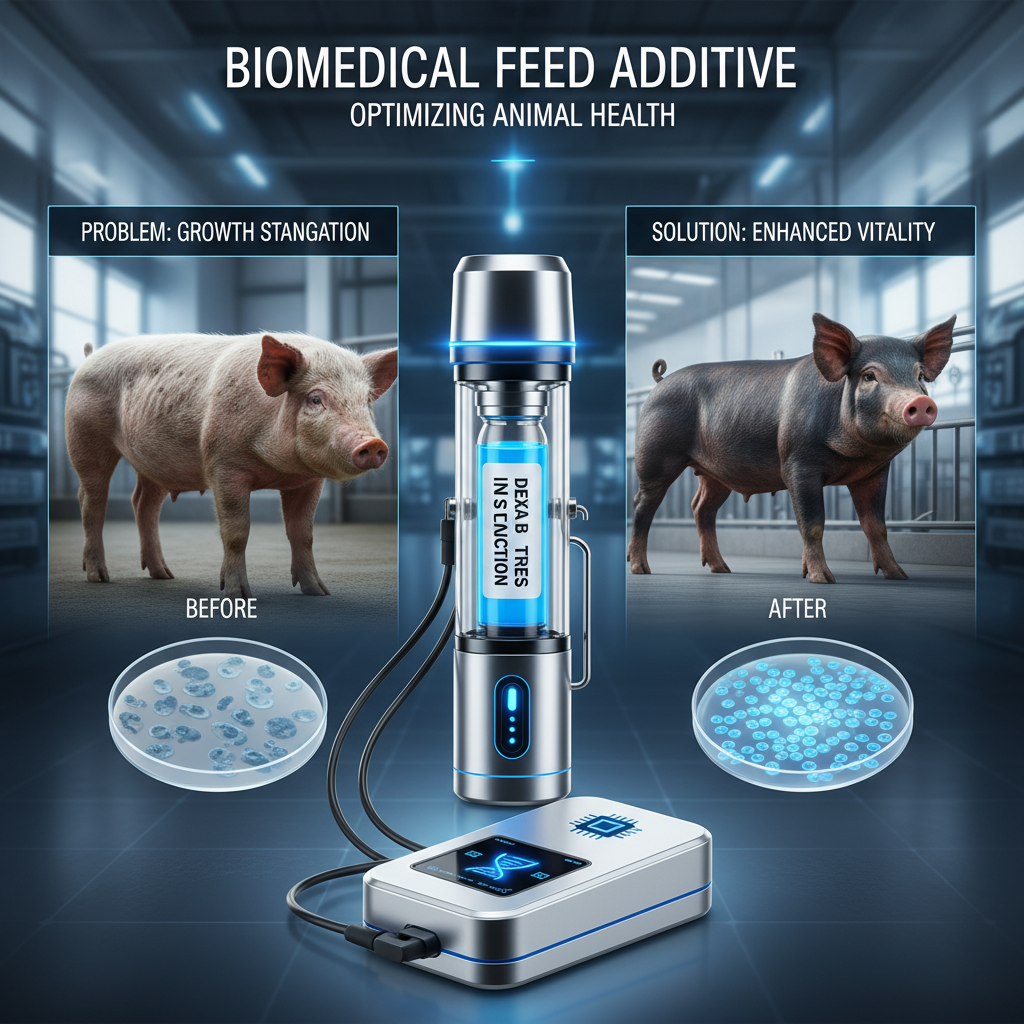
When most people hear "medicine," they naturally think about doctors, hospitals, and humans. Yet, veterinary medicine plays an outsized role in not only animal health but also global food security, public health, environmental conservation, and even economic stability. It’s a fascinating, complex field that might get overlooked, but understanding it holds key benefits worldwide.
Veterinary medicine is, at its heart, the branch of health science dedicated to diagnosing, treating, and preventing diseases in animals. But that’s just the surface. It also intersects with modern industries such as agriculture, pharmaceutical development, and zoonotic disease control—meaning diseases that jump from animals to humans. Oddly enough, you're often eating the results of veterinary science without even realizing it.
Global Context: Why Veterinary Medicine Matters Everywhere
Globally, the World Organisation for Animal Health (WOAH) estimates there are over a billion livestock animals under regular care, whose health directly impacts billions of people’s livelihoods and food supplies. The United Nations Food and Agriculture Organization (FAO) notes that livestock contributes to 40% of the global agricultural GDP. Diseases affecting animals can ripple out, affecting economies, trade, and even human health — consider pandemics like avian influenza. So, the question emerges: how do we maintain animal welfare while addressing these global challenges?
Veterinary medicine supplies the tools and knowledge we need. From rural African farms to high-tech labs in North America, these practices protect against disease outbreaks, improve animal nutrition, and support sustainable farming. Yet challenges remain — access to veterinary care, antibiotic resistance, and funding. Understanding these issues is crucial for policymakers, farmers, and pet owners alike.
What Exactly Is Veterinary Medicine?
In simple terms, veterinary medicine is like human medicine’s parallel for animals — encompassing everything from routine vaccinations to surgical interventions, from diagnostic tests to disease prevention campaigns. It’s a science and art combined, aiming to promote animal health and welfare, ensuring that livestock, pets, and wildlife remain healthy and productive.
Its relevance stretches beyond traditional clinics: veterinarians work in food safety inspections, wildlife conservation, pharmaceutical research, and even public health surveillance. In humanitarian efforts, vets help manage animal diseases that could threaten entire communities. So, it’s pretty much a vital linchpin in many industries and social causes.
Core Components of Veterinary Medicine
1. Diagnostic Techniques
From physical exams to high-tech imaging like ultrasound and MRI, diagnostics allow vets to identify issues early. Accurate diagnosis is critical, especially when dealing with infectious diseases or zoonoses.
2. Therapeutic Practices
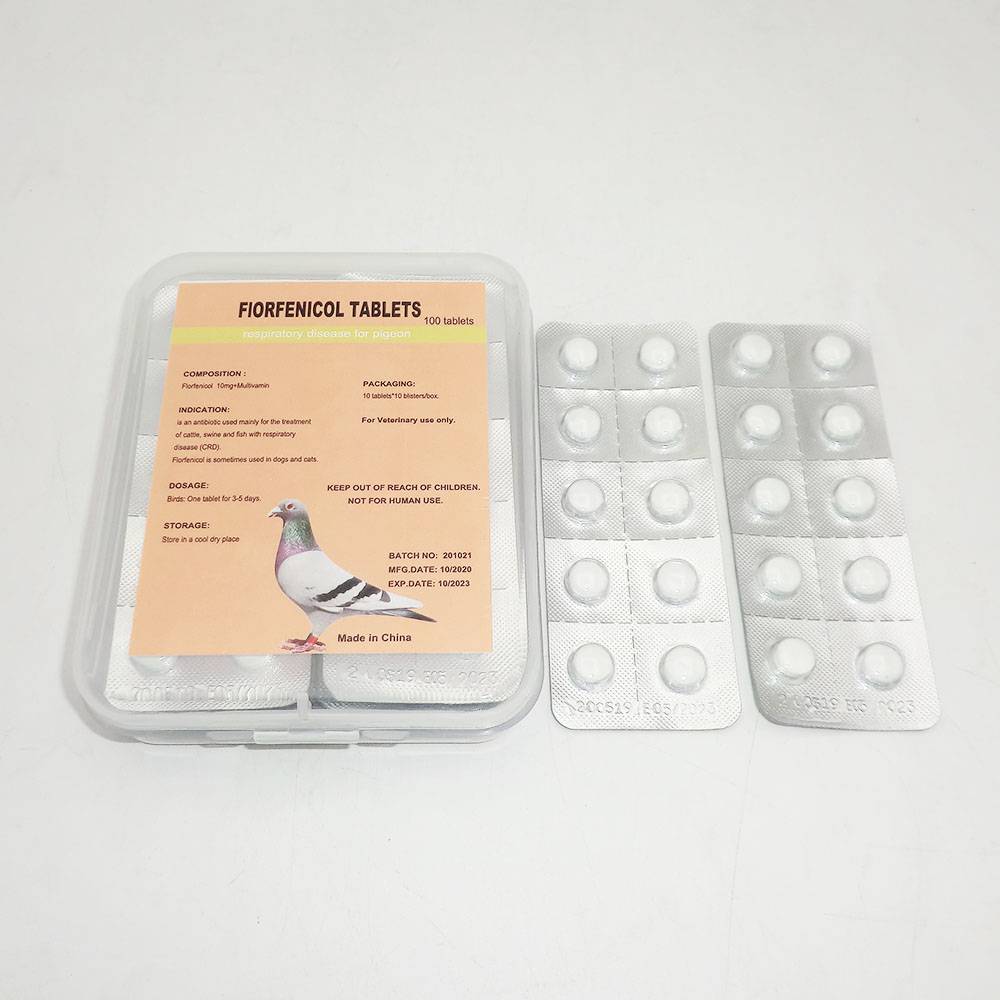
This covers a wide range — drug therapies, surgeries, physical rehabilitation, even alternative treatments. Effective therapy promotes recovery and reduces disease spread.
3. Preventive Medicine
Vaccinations, parasite control, nutrition management, and biosecurity measures fall here. Prevention is often cheaper and more effective than cure, especially in large herds or endangered species.
4. Public Health Interface
Monitoring and controlling zoonotic diseases protects population health. Vets act as frontline sentinels for illnesses like rabies, brucellosis, or new emerging threats.
5. Regulatory and Food Safety Roles
Inspecting meat, milk, and other animal products for safety and quality ensures that the food chain remains healthy and compliant with national and international standards.
Global Applications & Real-World Use Cases
Veterinary medicine doesn’t have borders. In Sub-Saharan Africa, vets help control outbreaks of livestock diseases like foot-and-mouth disease, which can devastate rural communities. In Europe and North America, advanced veterinary clinics offer specialized surgeries for companion animals, even cancer treatments. Post-disaster, vets assist with rescue and rehabilitation of injured animals, such as following hurricanes.
One remarkable example involves wildlife conservation in the Amazon, where veterinary interventions support endangered species recovery programs. Meanwhile, industrial-scale farms rely on veterinary oversight to ensure sustainable animal husbandry practices that meet environmental regulations.
| Veterinary Medicine Product | Purpose | Typical Use | Key Feature |
|---|---|---|---|
| Canine Rabies Vaccine | Prevent rabies infection | Pet and stray dog immunization programs | Long-lasting immunity (1-3 years) |
| Bovine Tuberculosis Test Kit | Early diagnosis of bovine TB | Routine herd screening | Rapid results (~48 hours) |
| Equine Joint Supplement | Joint health and mobility support | Performance horses, older animals | Contains glucosamine and chondroitin |
Advantages and Long-Term Value of Veterinary Medicine
Veterinary medicine safeguards not only animal welfare but also the economic backbone of many communities. When farms lose livestock to preventable diseases, the impact is immediate and severe—livelihoods collapse, food becomes scarce, prices spike. Preventive medicine reduces these risks, making production more sustainable and reliable.
Moreover, it promotes ethical treatment of animals, which connects to social values around safety and dignity—something many pet owners and farmers deeply care about. It’s a field continuously embracing innovation, whether through updated vaccines, genetic research, or digital tracking of animal health. There’s a growing trust in veterinary science, which frankly isn’t something to take lightly in our increasingly interconnected world.
Upcoming Trends and Innovations in Veterinary Medicine
- Digital Diagnostics: AI-powered tools help vets analyze images and lab data faster and with higher accuracy.
- Telemedicine: Remote consultations expand veterinary access, especially in rural areas.
- Green Pharmaceuticals: Development of eco-friendly drugs that reduce antibiotic residues in the environment.
- Wearable Tech: Fitness trackers for livestock monitor health and behavior in real time.
- Genomic Medicine: Genetic profiling enables personalized care and breeding decisions.
Challenges and How They’re Being Addressed
Despite its advances, veterinary medicine faces hurdles such as antibiotic resistance, limited access in developing countries, and funding gaps. Experts advocate for integrated “One Health” approaches, which unite human, animal, and environmental health sectors. Also, widespread education and capacity building aim to improve rural veterinary services. Innovation continues to focus on cost-effective solutions, like mobile clinics or drone delivery of medicines, to reach hard-to-access communities.
| Vendor | Service Range | Strengths | Weaknesses |
|---|---|---|---|
| VetGlobal Solutions | Diagnostics, vaccines, telemedicine | Strong R&D, global reach | Higher costs |
| FarmCare Vet Supplies | Preventive products, herd management | Affordable, excellent farmer support | Limited urban services |
| AniMed Technologies | Wearables, genetic testing | Innovative tech, personalized solutions | Niche market, specialized products |
FAQ: Frequently Asked Questions About Veterinary Medicine
- What are the most common zoonotic diseases vets monitor?
- Vets frequently monitor diseases like rabies, avian influenza, brucellosis, and leptospirosis, as these can transmit from animals to humans and cause serious outbreaks. Vigilance helps protect both animal and human populations.
- How can rural farms access veterinary services affordably?
- Affordable options include mobile clinics, community animal health workers, and subsidized vaccination campaigns. Increasing telemedicine offerings also help bridge distance barriers.
- Are veterinary medicines regulated globally?
- Regulations differ by country but often adhere to international guidelines set by bodies like WOAH and the World Health Organization to ensure safety and efficacy in veterinary pharmaceuticals.
- Why is preventive care so emphasized in veterinary medicine?
- Preventive care, such as vaccinations and biosecurity, reduces disease outbreaks, cuts treatment costs, and promotes animal welfare, which benefits both owners and the environment in the long run.
Conclusion: Why Understanding Veterinary Medicine Matters
To sum up, veterinary medicine is far more than tending to our furry friends — it’s a vital global service ensuring health, safety, and sustainability across agriculture, environment, and communities. Its benefits ripple across economies and ecosystems, making it indispensable for future resilience.
If you want to explore more about how veterinary science shapes modern living and supports animal care, visit our website and dive deeper into the world of veterinary medicine.
It feels like veterinary medicine quietly holds the health of multiple worlds in balance — maybe it’s time we all pay a little more attention.
References:
Post time: December 2, 2025