A Field Note on vitamin e with selenium Tablets: What Buyers in Nutrition and Feed Really Ask
I’ve toured enough contract labs and feed mills to know one thing: antioxidant systems either work, or everything else gets harder. That’s why the combo of vitamin e with selenium keeps cropping up in procurement conversations—across veterinary, companion-animal, and certain specialty nutrition channels. Not hype. Just chemistry meeting logistics.
Product Snapshot
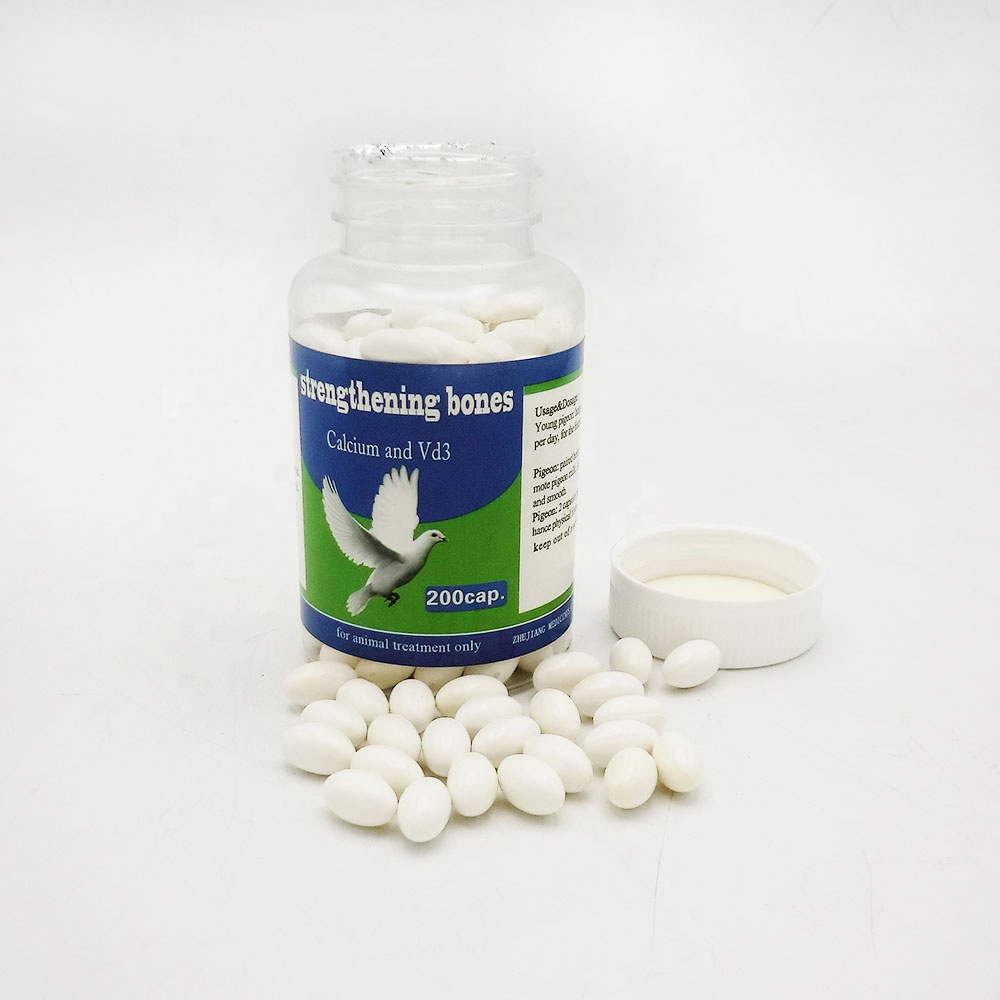
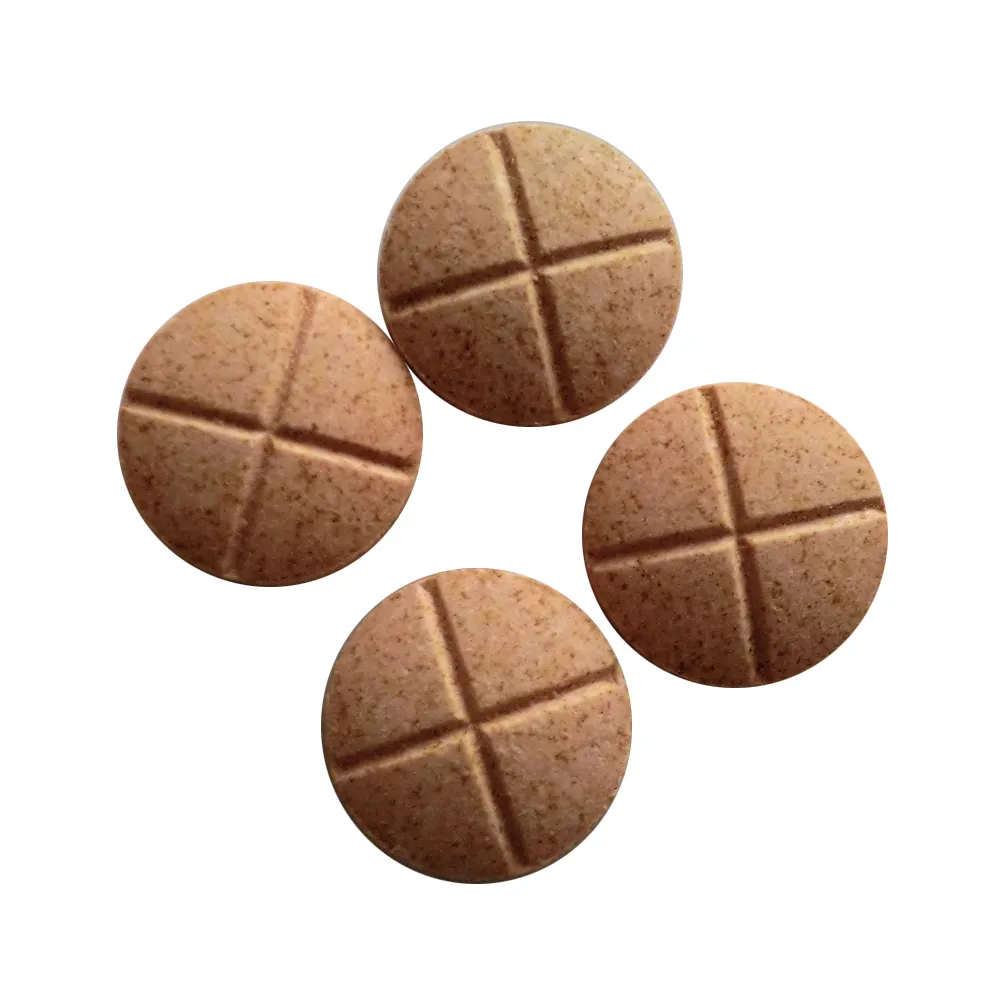
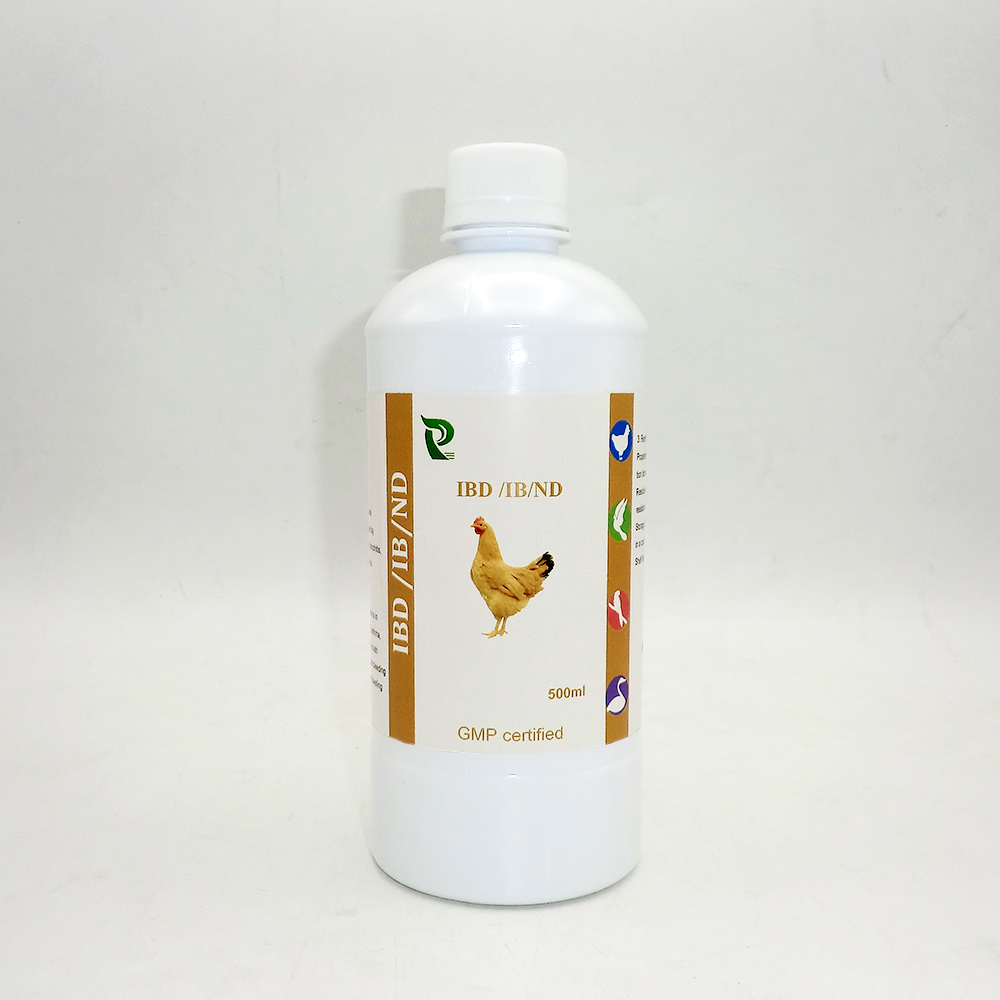
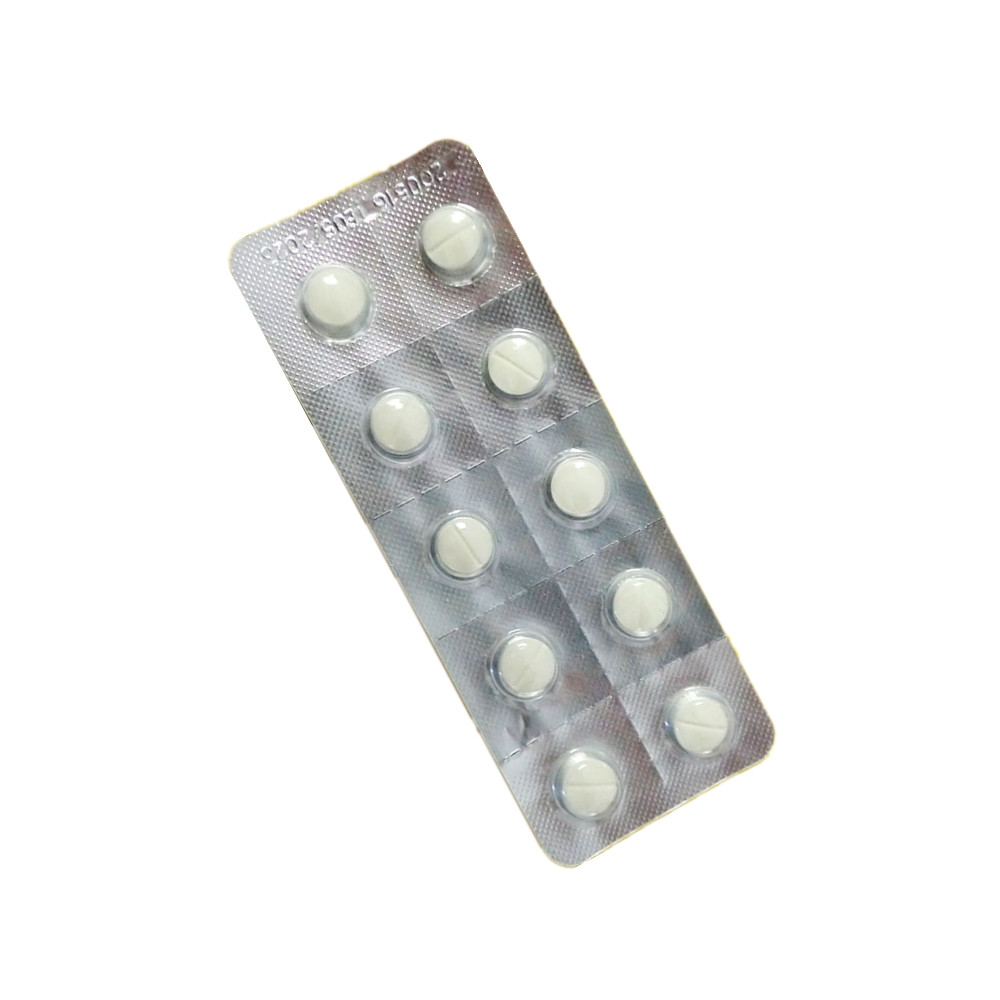
Product: Vitamin E 2mg + Selenium 10mg Tablet, manufactured in Room 2210, Building A, Yihongxia, 298 Zhonghuabei Street, Xinhua District, Shijiazhuang, Hebei, China. It’s positioned to help manage oxidative stress, support immune readiness, muscle function, and reproductive performance—primarily for B2B buyers who know exactly where it fits in their formulation roadmap. To be honest, dosage strategies vary widely by species and application, so buyers typically integrate it under veterinary or regulatory guidance.
Industry Trends (Quick read)
- Shift to targeted antioxidant stacks: vitamin e with selenium for lipid-rich diets and high-stress grow-out phases.
- Audit-heavy buyers prefer validated methods (HPLC for α-tocopherol; ICP-MS for selenium) and traceable origin.
- More inquiries for GMP+/ISO 22000 and FAMI-QS alignment, even if final products are region-specific.
Technical Specifications (Core)
| Parameter | Spec (≈/typical; real-world use may vary) |
|---|---|
| Active composition | Vitamin E 2 mg/tablet (as α-tocopherol); Selenium 10 mg/tablet (as declared, compound form as per COA) |
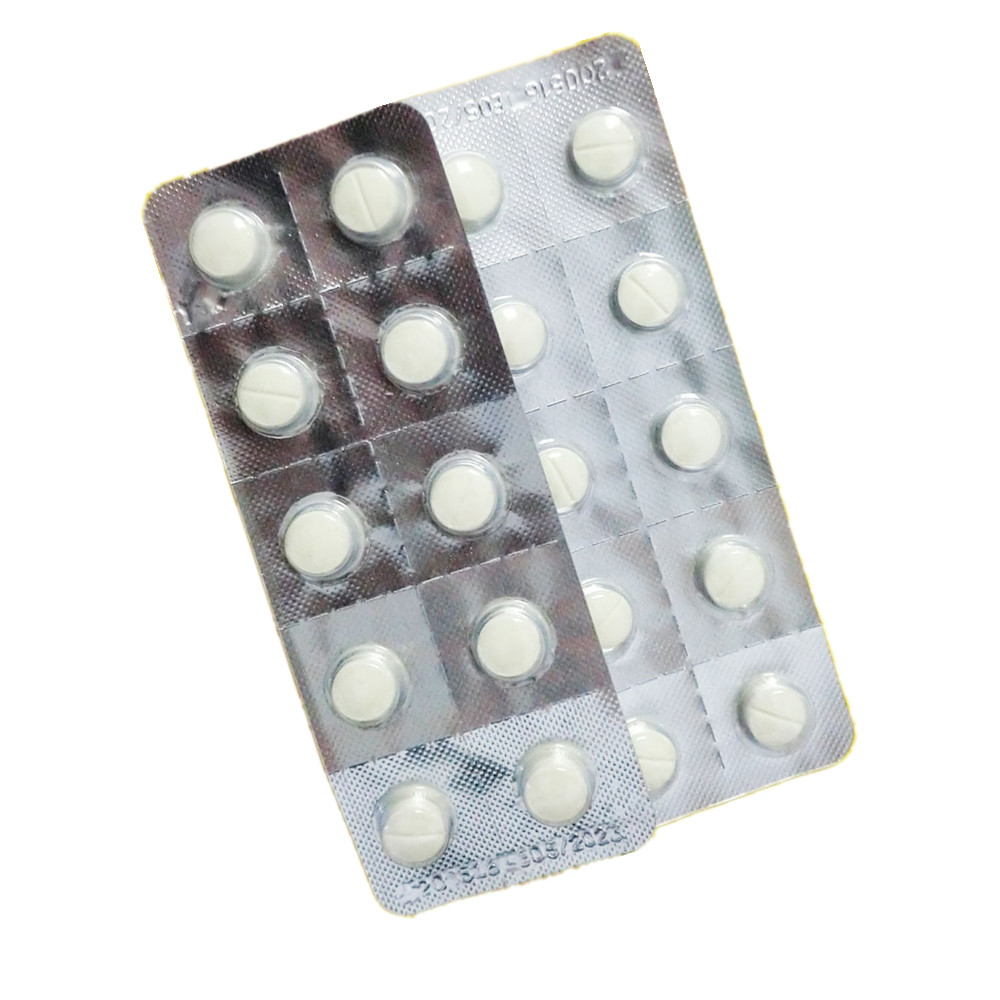
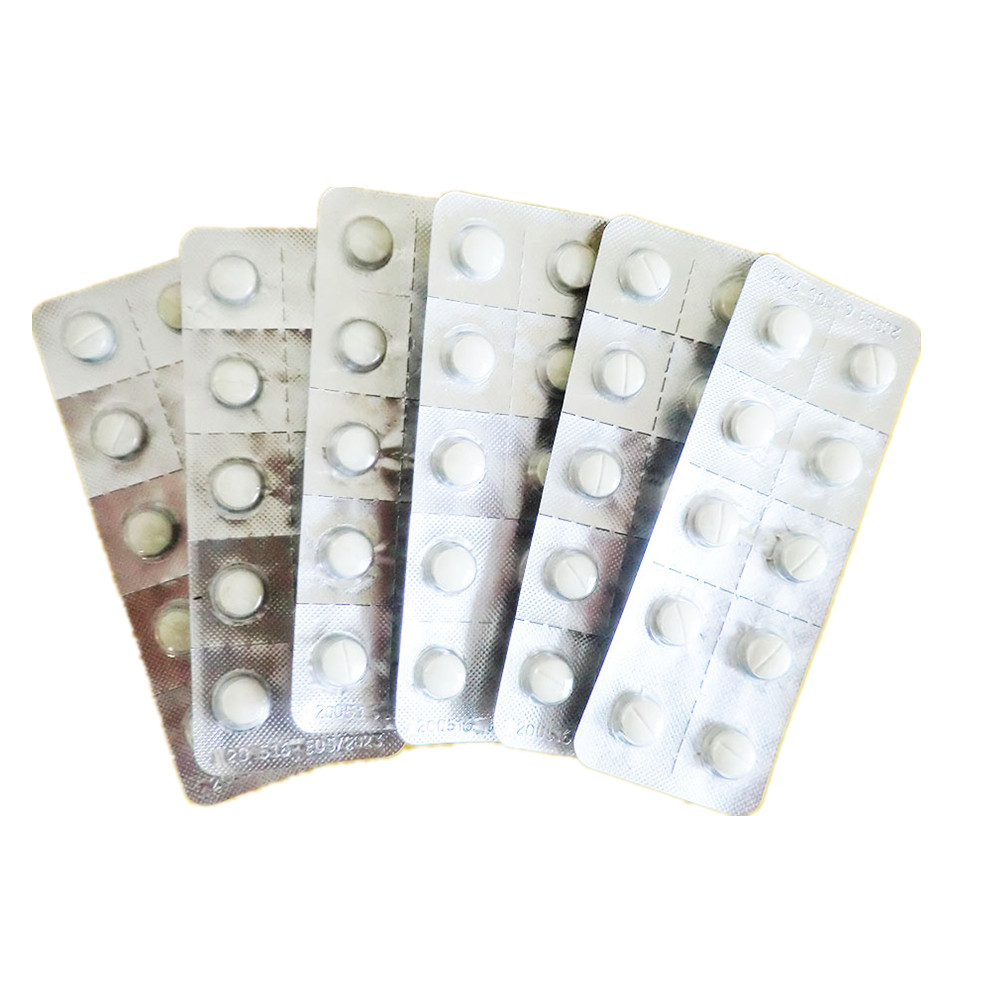
| Format | Compressed tablet; option for film coating (OEM) |
| Assay methods | Vitamin E by HPLC; Selenium by ICP-MS/ICP-OES (AOAC/ISO aligned) |
| Micro/contaminants | TPC/Yeast-Mold within GB/ISO thresholds; heavy metals per GB 5009 series |
| Shelf life | 24 months, unopened, cool/dry conditions |
| Packaging | Bulk jars or foil packs; palletized export cartons; OEM labeling available |
Application scenarios? Companion-animal maintenance diets, breeder programs, and select veterinary protocols where antioxidant capacity matters. Some formulators test vitamin e with selenium during heat/humidity seasons to stabilize outcomes. Honestly, the feedback I hear most: “steadier performance and fewer rancidity complaints.”
Process Flow & QA Notes
- Materials: qualified α-tocopherol source; selenium salt verified for identity and purity.
- Methods: blending under low-humidity; compression with flow aids; optional film coat for stability.
- Testing standards: ID by FTIR/ICP; potency by HPLC/ICP-MS; uniformity and dissolution per in-house SOPs aligned to pharmacopeial concepts.
- Service life: validated real-time stability; accelerated data used for release in some cases.
- Certifications (typical): ISO 22000/HACCP; supplier can align with FAMI-QS/GMP+ where required (request certificates).
Vendor Comparison (indicative)
| Vendor | Certs (claimed) | Analytical | MOQ/Lead | Customization |
|---|---|---|---|---|
| RC Pet Nutrition (origin: Hebei) | ISO 22000; HACCP (verify current docs) | HPLC + ICP-MS; COA per lot | Flexible; ≈15–25 days | Dose, coating, label, pack |
| Trader A (multi-origin) | Variable by plant | Third-party on request | Fast if in stock | White-label only |
| OEM Lab B | GMP+ / FAMI-QS (select lines) | In-house + ISO17025 partner | Made-to-order, longer | Broad formulation control |
Case Notes and Test Data (illustrative)
A poultry integrator reported that adding a vitamin e with selenium tablet program to breeder diets coincided with improved oxidative stability of stored feed: TBARS dropped ≈18% vs. prior quarter baselines (internal QC logs; n=12 composite samples). I’ll say it plainly: results hinge on diet fat quality, storage, and handling.
Customization & Compliance Tips
- Adjust actives per species plan; confirm whether selenium is declared as elemental or compound-equivalent.
- Request stability data under your climate profile. Heat and humidity can get sneaky, actually.
- Align labels with local rules (feed vs. veterinary vs. dietary categories). Not for individual consumer use unless compliant with your market’s limits.
Disclaimer: Potency and use must follow regional regulations and professional guidance. Human DRVs/ULs differ from veterinary requirements; always verify formulation intent.
References
- NIH ODS. Vitamin E Fact Sheet for Health Professionals. https://ods.od.nih.gov/factsheets/VitaminE-Consumer/
- NIH ODS. Selenium Fact Sheet for Health Professionals. https://ods.od.nih.gov/factsheets/Selenium-Consumer/
- EFSA NDA Panel. Dietary Reference Values for vitamin E and selenium. https://efsa.onlinelibrary.wiley.com/
- USP. General Chapters and Dietary Supplements Verification Program. https://www.usp.org/
- AOAC/ISO. Methods for vitamin E (HPLC) and selenium (ICP). https://www.aoac.org/
Post time: October 18, 2025