What a modern vitamin premix for broilers really needs in 2025
If you’ve ever stood in a pelleting room at 4 a.m. wondering whether your birds are getting the right balance of micronutrients, you’re not alone. Choosing the right vitamin premix for poultry feed is half science, half pragmatism. I’ve visited plants from Hebei to Hyderabad, and, to be honest, the programs that work best are the ones that blend precise specs with real-world flexibility.
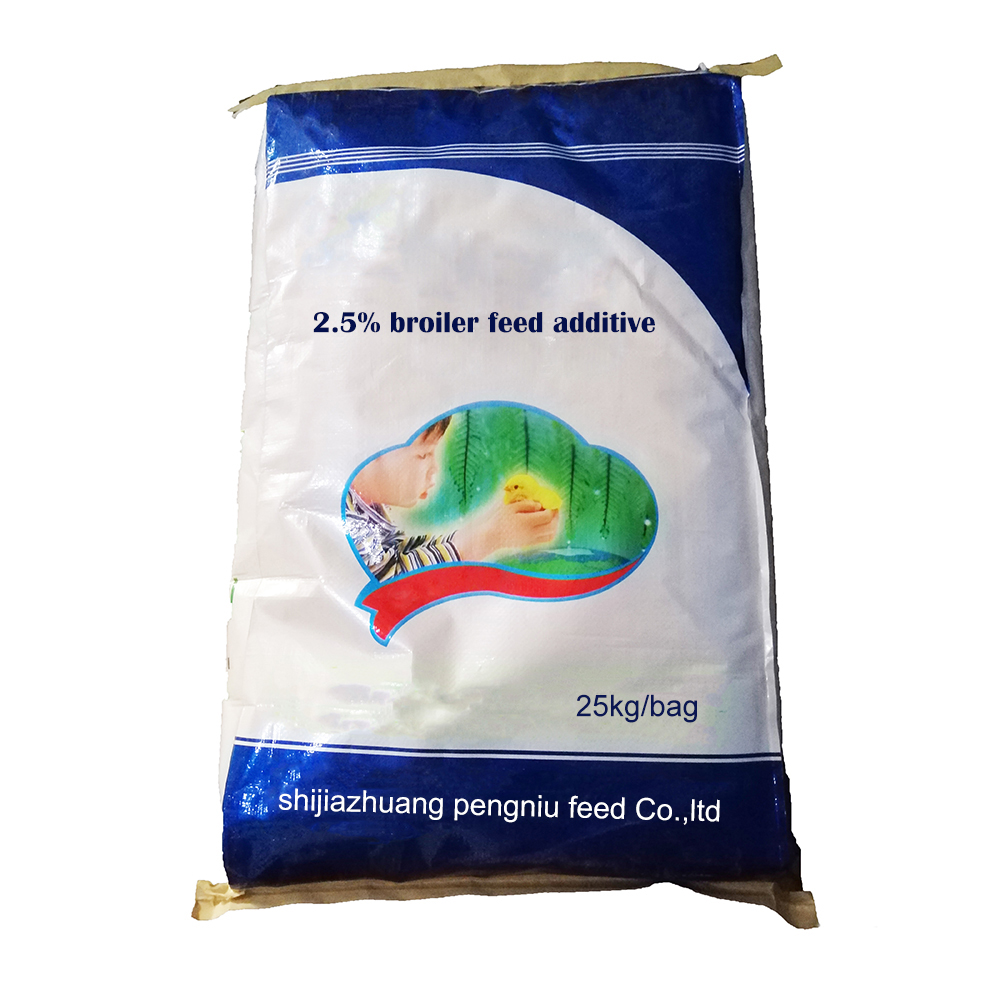
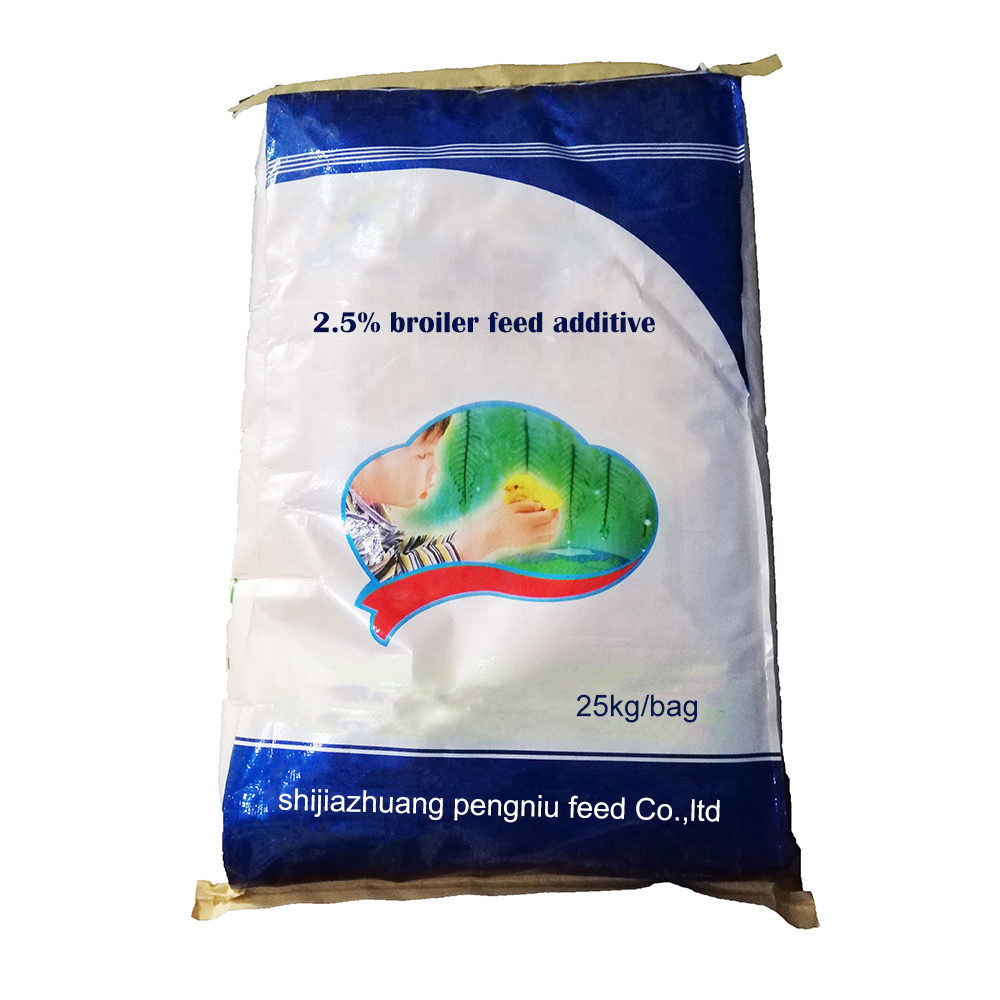
Product snapshot: 2.5% grower broiler feed premix
Designed for the grower phase, this blend supplies vitamins, trace minerals, and key amino acids to support steady gains, robust immunity, and tidy feed conversion. It aims for uniform frames so finishing is smoother. Origin: Room 2210, Building A, Yihongxia, 298 Zhonghuabei Street, Xinhua District, Shijiazhuang, Hebei, China. Many customers say birds “fill out more evenly,” especially under heat stress.
Why now: industry trends
- Antibiotic-free and NAE programs pushing precision micronutrition.
- Heat-stable vitamins and protected choline to survive pelleting.
- Trace mineral bioavailability (chelated vs. inorganic) for gut integrity.
- Data-led fortification to offset variable grain quality—actually crucial this season.
Typical specifications (real-world may vary)
| Inclusion rate | 2.5% of finished feed (grower phase) |
| Vitamin A | ≈ 10,000–13,000 IU/kg finished feed |
| Vitamin D3 / E | ≈ 2,000 IU / 60–80 mg per kg finished feed |
| B-complex & K3 | Balanced to NRC/guide specs; stability-optimized |
| Trace minerals | Zn, Mn, Cu, Fe, Se (mix of inorganic/chelate as specified) |
| Amino acids | DL-Met, L-Lys as safety net for variable grains |
| Carrier / Additives | CaCO3 base, antioxidant, flow agent |
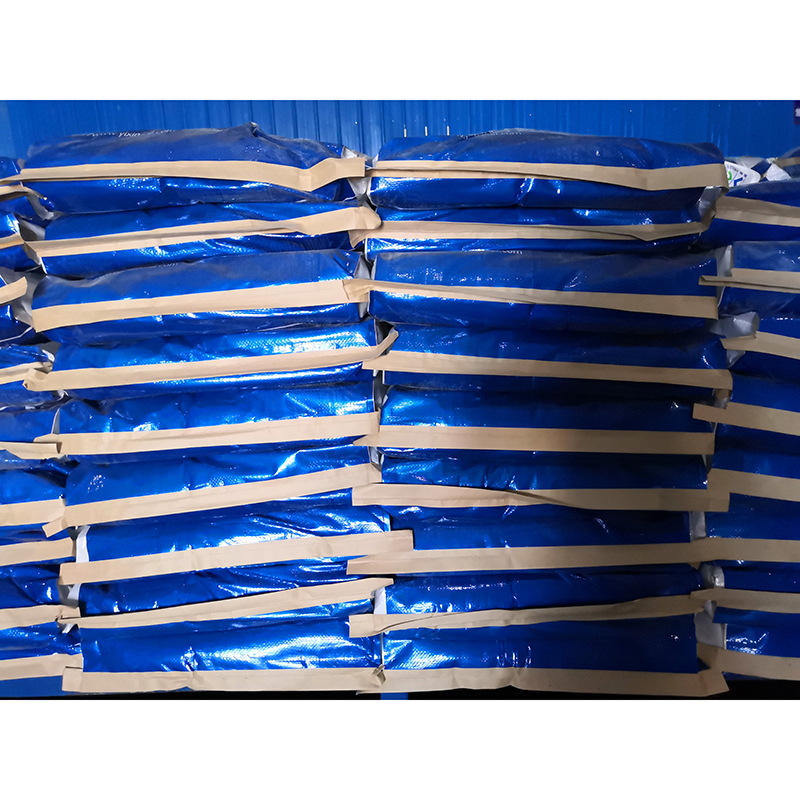
| Packaging / Shelf life | 25 kg bags; 18–24 months sealed, cool & dry |
| Certifications | ISO 22000, HACCP, FAMI-QS (vendor supplied) |
Process & quality flow
Materials: pharma-grade vitamins, food-grade carriers, screened minerals. Methods: micro-dosing → ribbon/double-cone blending → sieve (0.8–1.0 mm) → metal check → N2 flush (where available). Testing: homogeneity CV ≤ 5%; vitamin assay vs. label; sieve profile; moisture; heavy metals within feed-code limits. Heat recovery (pelleting 80–85°C): vitamin E ≈ 85–92%, A ≈ 80–88% (plant-dependent). Service life: up to 24 months sealed; after opening, use within 30–45 days.
Application scenarios
- Grower diets (~14–28 days), all strains; also workable to 35 days in warm climates.
- Pellet or crumble; add vitamin premix for poultry feed post-grind for best uniformity.
- Do: premix with 10× carrier, then back-add. Don’t: store near steam or acids.
Case notes (field)
- North China integrator, 20k birds/house: FCR improved from 1.65 → 1.58; uniformity +4.1% (farm records, 3 cycles).
- SEA contract farm: heat-wave month; mortality down ≈0.6%, breast yield +0.3% (in-house QA, n≈120k birds).
Feedback heard on site: “Chicks came out of grower tighter and calmer at catch.”
Customization options
Heat-stress vitamin E/selenium boost; coccidial-challenge B-complex uplift; partial chelation (Zn/Mn) for gut robustness; pigment add-ons for skin color; pellet-guarded choline; sodium reduction packages. I guess the best move is matching to your pelleting profile and raw-material volatility.
Vendor snapshot comparison
| Vendor | Certs | Customization | Lead time | Heat-stable package | Price |
|---|---|---|---|---|---|
| RC Petfood (Hebei) | ISO 22000, HACCP, FAMI-QS | High (farm/plant profiling) | ≈ 10–18 days | Yes (A/E stabilized) | $$ |
| Local BlendCo | GMP+ | Medium | ≈ 7–12 days | Partial | $ |
| Global Premix Inc. | ISO/FSSC | High | ≈ 20–30 days | Yes (advanced) | $$$ |
Quick testing checklist
- Homogeneity CV: target ≤ 5%.
- Pellet recovery assays (A, E, D3) post-line.
- Heavy metals per AAFCO/EFSA feed limits.
- Micro: Salmonella absent; APC within spec.
If you need a practical, grower-phase vitamin premix for poultry feed that survives pelleting and keeps birds on a steady curve, this 2.5% package is a sensible starting point—then tweak to your house, season, and mill.
Authoritative references
- NRC. Nutrient Requirements of Poultry. National Academies Press.
- AAFCO Official Publication. Feed Ingredient Definitions & Limits.
- FAMI-QS Code of Practice, Version 6.
- ISO 22000:2018 Food Safety Management Systems.
- Ross/Cobb Broiler Management & Nutrition Guides (latest editions).
- EFSA Guidance on the assessment of feed additives safety and efficacy.
Post time: October 19, 2025