What Is Layer Concentrate and Why It Matters Globally
If you’re stepping into the world of industrial nutrition, poultry farming, or specialized feed production, the term layer concentrate will likely pop up more than a few times. But what exactly is it, and why does it sound like something that only big agribusinesses care about? In reality, understanding layer concentrate touches on broad themes affecting livestock productivity, food security, and even global economic sustainability.
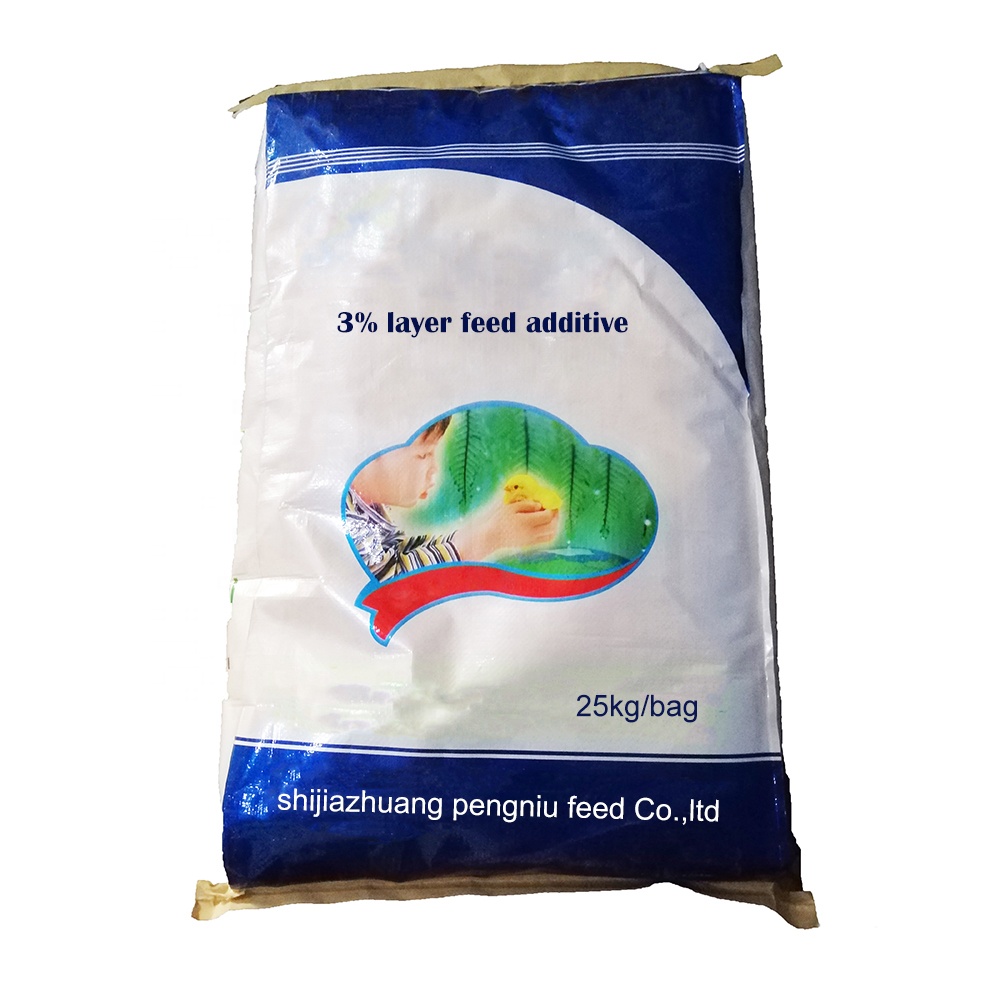
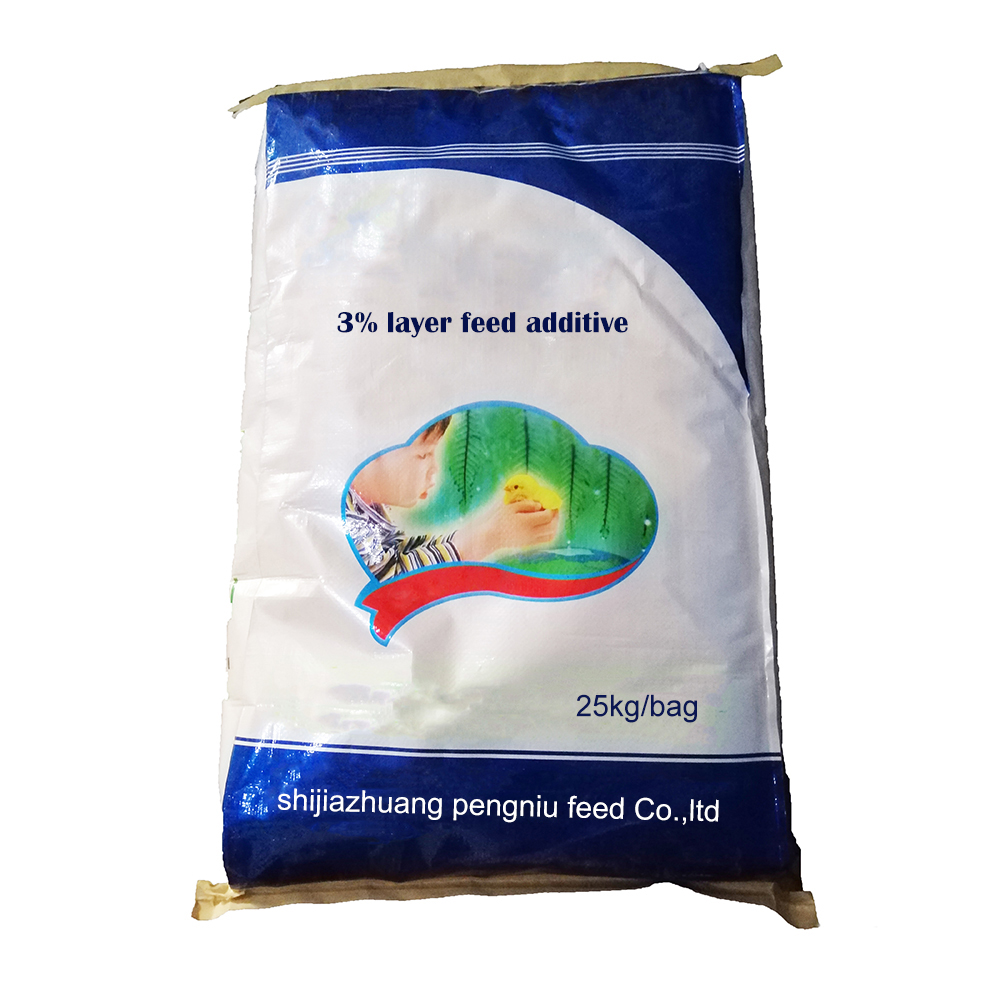
Simply put, layer concentrate is a nutrient-rich feed supplement designed specifically for laying hens. Its importance spans both small-scale farmers aiming to maximize egg yield and large-scale commercial operations keeping up with the world's rising protein demand. With global poultry production growing steadily (the FAO reports a 2.7% annual growth rate in egg production over the last decade), feeding innovation like layer concentrates isn’t just about better eggs—it’s about stable livelihoods and food availability worldwide.
Mini takeaway: Layer concentrate is more than feed—it's a pillar in sustainable food systems and animal agriculture.
Global Context: The Role of Layer Concentrate in Modern Industry
Globally, consumers eat roughly 76 million tons of eggs annually, and layer concentrate plays a subtle yet pivotal role in making that possible. According to the UN’s Food and Agriculture Organization (FAO), efficient feed conversion in layers improves production output without exerting extra environmental pressure like excessive land or water use. This aligns with the growing demand for eco-friendly agriculture to tackle climate change challenges.
Nevertheless, feeding layer hens consistently with the right nutrition remains a challenge in many developing regions, where feed quality can be inconsistent, and farmers lack access to scientific knowledge. This gap threatens food security and farmers’ incomes—a problem layer concentrate aims to solve by providing balanced, concentrated nutrients in a manageable form.
Mini takeaway: Layer concentrate is a solution to global food production challenges—improving nutrition, reducing resource waste, and supporting farmers worldwide.
Breaking It Down: What Exactly Is Layer Concentrate?
At its base, layer concentrate is a formulated feed mix, optimized to supply essential vitamins, minerals, amino acids, and energy sources for laying hens. Unlike ordinary grain or mash feed, this concentrate usually contains a higher density of active nutrients, intended to be blended with other feed ingredients to meet a hen’s dietary needs precisely.
Think of it as the “vitamin pill” of poultry diets. It’s designed to maintain strong eggshell quality, boost egg productivity, and ensure hen health, especially during peak laying periods. For industries and humanitarian aid projects alike, reliable layer concentrate mixes create the backbone of consistent egg production.
Key Ingredients in Layer Concentrate
- Calcium and Phosphorus: Critical for eggshell strength and bone health.
- Protein Sources: Often from soybean meal or fishmeal to support egg formation.
- Vitamins (A, D3, E, B-complex): For metabolic functions and immune support.
- Trace Minerals (zinc, manganese, iron): Vital cofactors in enzymatic reactions.
Mini takeaway: Layer concentrate is a smart, efficient way to supply hens exactly what they need—nothing more, nothing less.
Core Components Affecting Layer Concentrate Performance
1. Nutrient Density
Since layer concentrate is typically mixed at about 10–15% with base feed, its nutrients must be highly concentrated. Many nutritionists emphasize proper balance—not too much, not too little—which can be tricky. Overfeeding minerals, for instance, can be wasteful and potentially harmful, while underfeeding reduces egg quality.
2. Palatability and Storage Stability
It needs to be tasty enough to encourage hens to eat but stable enough to last in warehouses without spoilage. Modern formulations use natural binders or preservatives to maintain freshness, which helps farmers reduce losses in tricky climates.
3. Cost Efficiency
The economics are clear: layer concentrate must provide maximum nutritional benefit per unit cost. I’ve seen farms switch suppliers just because a few cents saved per kilogram added up hugely over time.
4. Adaptability to Local Resources
Great layer concentrate blends can often be customized to use local protein or energy sources, making them more sustainable and supporting regional agricultural economies.
5. Compliance and Safety
Regulatory standards vary by country, but safety—from contaminant control to ingredient sourcing—is non-negotiable. This ensures no residues or toxins risk consumer health.
| Specification | Typical Value |
|---|---|
| Protein Content | 18–22% |
| Calcium | 3.5–4.5% |
| Phosphorus | 0.35–0.45% |
| Energy (kcal/kg) | 2800–3200 |
| Vitamins & Minerals | See formula specifics |
Where Layer Concentrate Really Makes a Difference
Practical applications of layer concentrate are as diverse as the poultry farmers who use it:
- In developing countries: NGOs and cooperatives often distribute layer concentrate as part of smallholder egg production programs, boosting both nutrition and income.
- Commercial poultry farms: Layer concentrate ensures scale and consistency in egg production, catering to global demands for affordable protein.
- Disaster relief scenarios: Post-crisis agriculture rebuild efforts sometimes include layer concentrate supplies to quickly restore household food sources and livelihoods.
- Organic and specialty producers: Some layer concentrates are specifically formulated with non-GMO or organic ingredients, appealing to niche markets.
Oddly enough, even in cold climates where indoor poultry systems predominate, layer concentrate still holds a pivotal role in optimizing productivity.
Mini takeaway: Layer concentrate's flexibility makes it a uniquely powerful tool across the globe—from the poorest farms to hi-tech poultry operations.
Advantages and Long-Term Value of Using Layer Concentrate
Why bother with layer concentrate instead of just feeding hens plain grains or leftovers? The benefits boil down to reliability, health, and economics:
- Improved Egg Quality: Better nutrient supply results in stronger shells and higher yields.
- Cost Savings: Precision feeding reduces waste and prevents costly health problems.
- Environmental Sustainability: Optimized feed reduces runoff pollution and resource depletion.
- Animal Welfare & Farmer Trust: Healthy hens mean less stress and better farm morale.
- Innovation Edge: Using scientifically formulated concentrates keeps farms competitive.
There’s something oddly satisfying about seeing a well-fed hen lay a perfect egg. It’s a reminder that even small innovations matter greatly in our food chains.
Looking Ahead: Future Trends in Layer Concentrate
The industry's horizon is bright with emerging trends:
- Green Ingredients: Incorporating insect protein or algae for eco-friendly nutrition.
- Precision Nutrition: Digital feed formulation adjusted via AI to individual farm needs.
- Sustainability Certification: Greater demand for traceability in feed ingredients.
- Biotechnological Advances: Enzyme additives and probiotics improving nutrient absorption.
These innovations promise to make layer concentrate smarter, cheaper, and greener—all good news for farmers and consumers alike.
Common Challenges and How Experts Tackle Them
Like any product, layer concentrate isn’t perfect. Problems can include:
- Ingredient Variability: Sourcing consistent raw materials is tough. Solution? Local sourcing combined with lab testing.
- Cost Volatility: Price spikes in protein meals affect affordability. Solution? Blending alternative proteins and better market forecasting.
- Storage and Spoilage: Moisture and heat can ruin feed. Solution? Advances in packaging and storage tech.
Industry experts constantly work on these fronts, advocating partnerships between suppliers and farmers to share risks and improve overall outcomes.
| Vendor | Price Range (per kg) | Feed Quality | Customization Options | Global Shipping |
|---|---|---|---|---|
| NutriPoultry Co. | $0.50 - $0.65 | Premium | Yes | Yes |
| AgroFeed Global | $0.40 - $0.55 | Standard | Limited | Yes |
| LocalFeeds Inc. | $0.30 - $0.45 | Eco-Friendly | Yes | Regional Only |
FAQ: Common Questions About Layer Concentrate
Q1: How does layer concentrate improve egg production quality compared to regular feed?
Layer concentrate contains precisely balanced nutrients tailored for laying hens, particularly calcium and essential vitamins, which strengthen eggshells and improve yolk quality. Unlike plain grain feed that might lack specific micronutrients, the concentrate ensures hens get everything they need to sustain high egg yield and health.
Q2: Can small-scale farmers benefit from using layer concentrate?
Absolutely. Layer concentrate is scalable—farmers can mix small batches with local feed, improving productivity without huge investment. Many NGOs support smallholder farmers by providing access to quality concentrates, helping improve income and food security in rural areas.
Q3: What storage conditions work best to keep layer concentrate fresh?
Layer concentrate should be stored in a cool, dry place away from direct sunlight to avoid nutrient degradation and fungal growth. Airtight containers or sealed bags with moisture barriers help maintain shelf life for several months.
Q4: How do feed manufacturers customize layer concentrate for different regions?
Manufacturers typically adjust ingredient composition based on local raw material availability (such as maize or soy variants), climate considerations, and regional poultry breeds. This customization improves feed efficiency and lowers costs.
Q5: Is layer concentrate costly compared to traditional feed?
While layer concentrate is pricier per kilogram due to higher nutrient density, it often reduces overall feeding costs through improved feed conversion ratios and egg yield. Thus, many producers see a good return on investment.
Final Thoughts on Layer Concentrate
Layer concentrate isn’t just a feed supplement—it’s a gateway to stronger, more sustainable poultry production. Its global relevance, from small farms in Asia to commercial operations in Europe, makes it a quiet yet significant contributor toward meeting the world's growing protein needs.
If you’re interested in exploring how layer concentrate can elevate your poultry business or agricultural projects, don’t hesitate to reach out or dive deeper into specialized formulations and products.
After all, sometimes it’s the small layers of innovation — no pun intended — that build the strongest foundations for global food security.
References
Post time: November 28, 2025