Understanding the Role of Animal Feed Additives Companies in Modern Agriculture
If you’ve ever wondered what powers the leaps in livestock productivity or how farmers keep animals healthy and nutrient-rich, animal feed additives companies are often the unsung heroes. Globally, these companies are pivotal in securing food supply chains, improving animal welfare, and advancing sustainable farming. In essence, they develop specialized compounds added to animal feed to boost nutrition, disease resistance, and growth—thus impacting everything from your morning omelet to global food security.
The Global Context: Why Animal Feed Additives Companies Matter Today
Today’s world faces soaring demands for animal protein, driven by a growing population expected to top nearly 8.5 billion by 2030 (UN Food and Agriculture Organization). This surge pressures livestock industries worldwide, especially in developing regions. Animal feed additives companies tackle challenges such as nutrient deficiencies, environmental impact, and disease threats that can cripple livestock health. In fact, the global animal feed additives market was valued at over $28 billion in 2023 and is projected to grow steadily (source: Statista).
Yet despite these figures, many farmers still face challenges ensuring feed quality and cost-effectiveness, particularly in regions where resources are scarce or supply chains fragile. This highlights why having reliable, innovative animal feed additives companies is crucial—not just commercially, but ethically.
What Exactly Are Animal Feed Additives Companies?
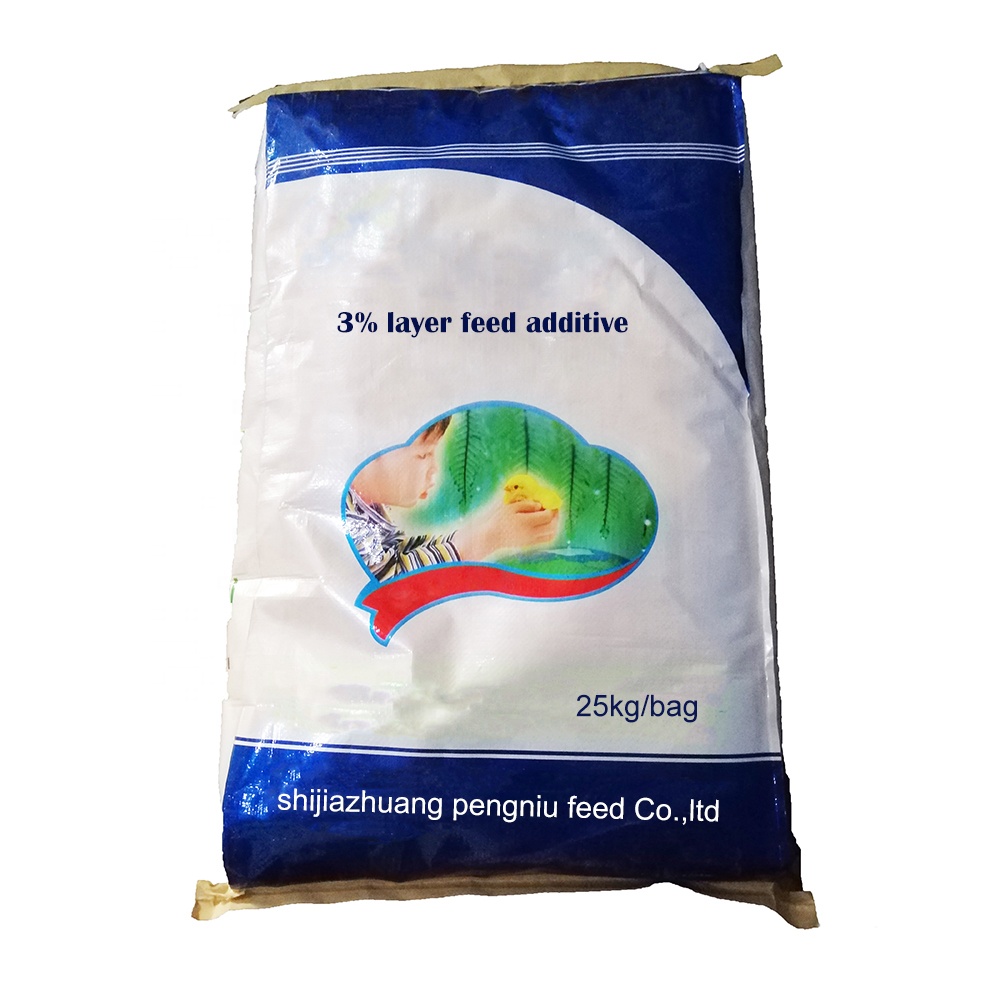
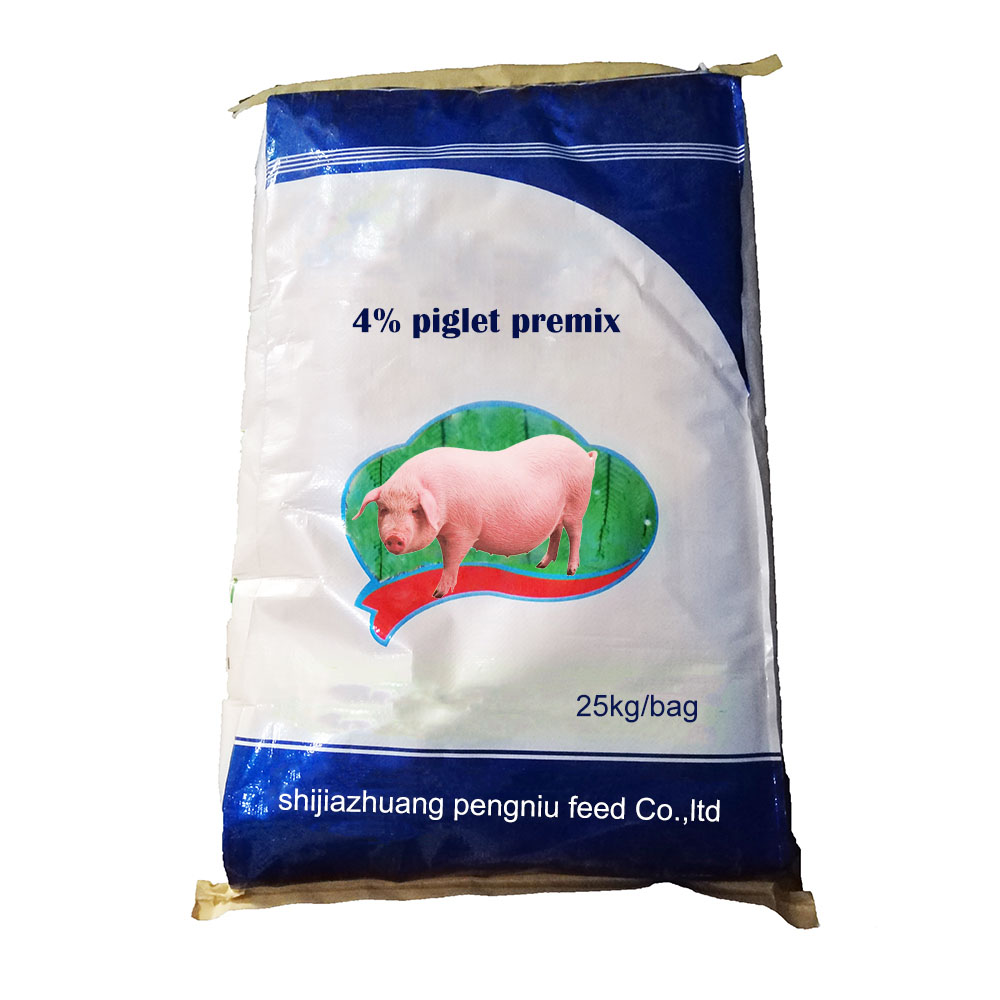
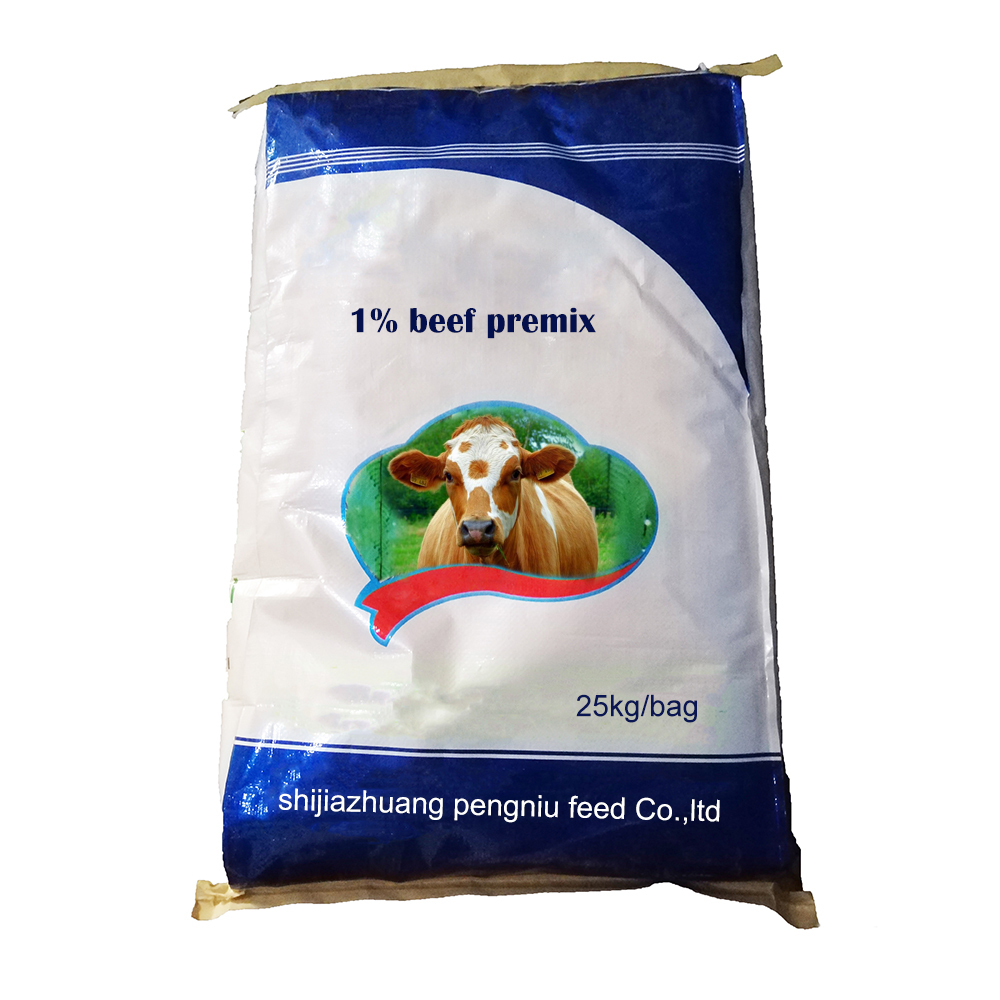
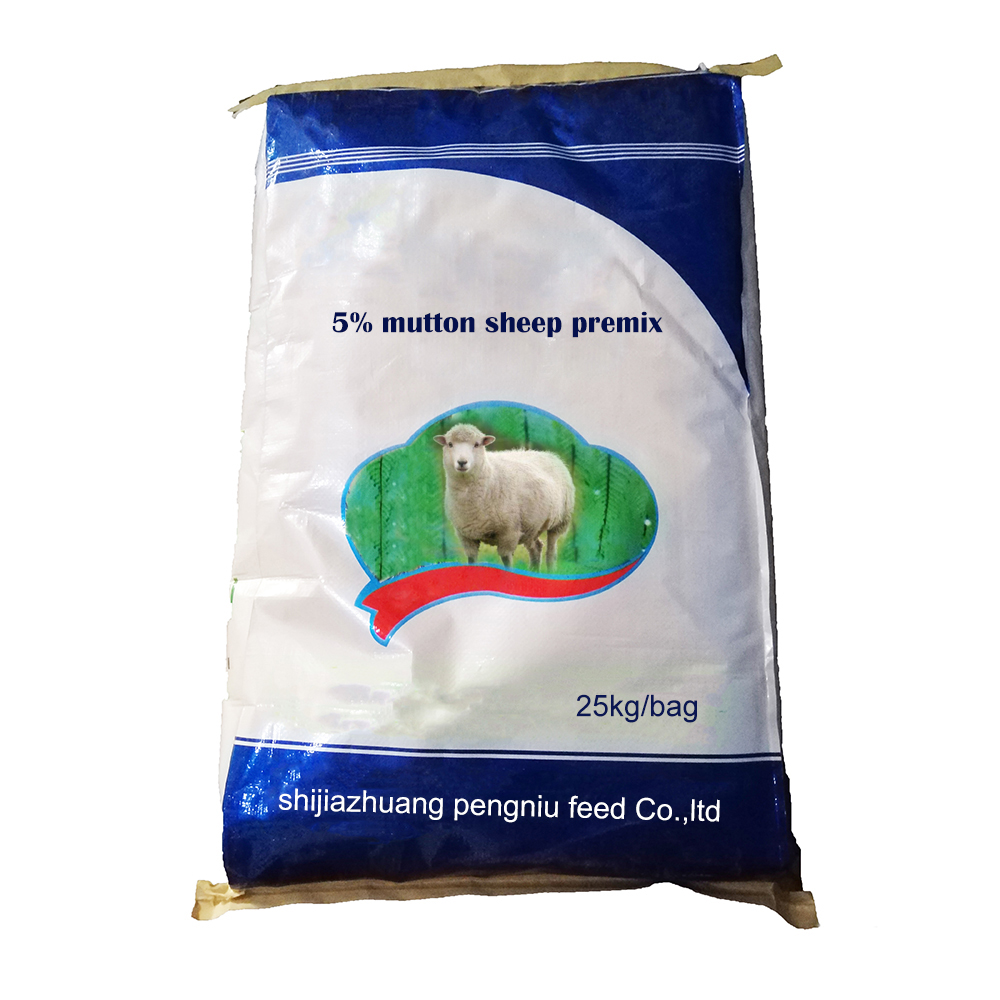
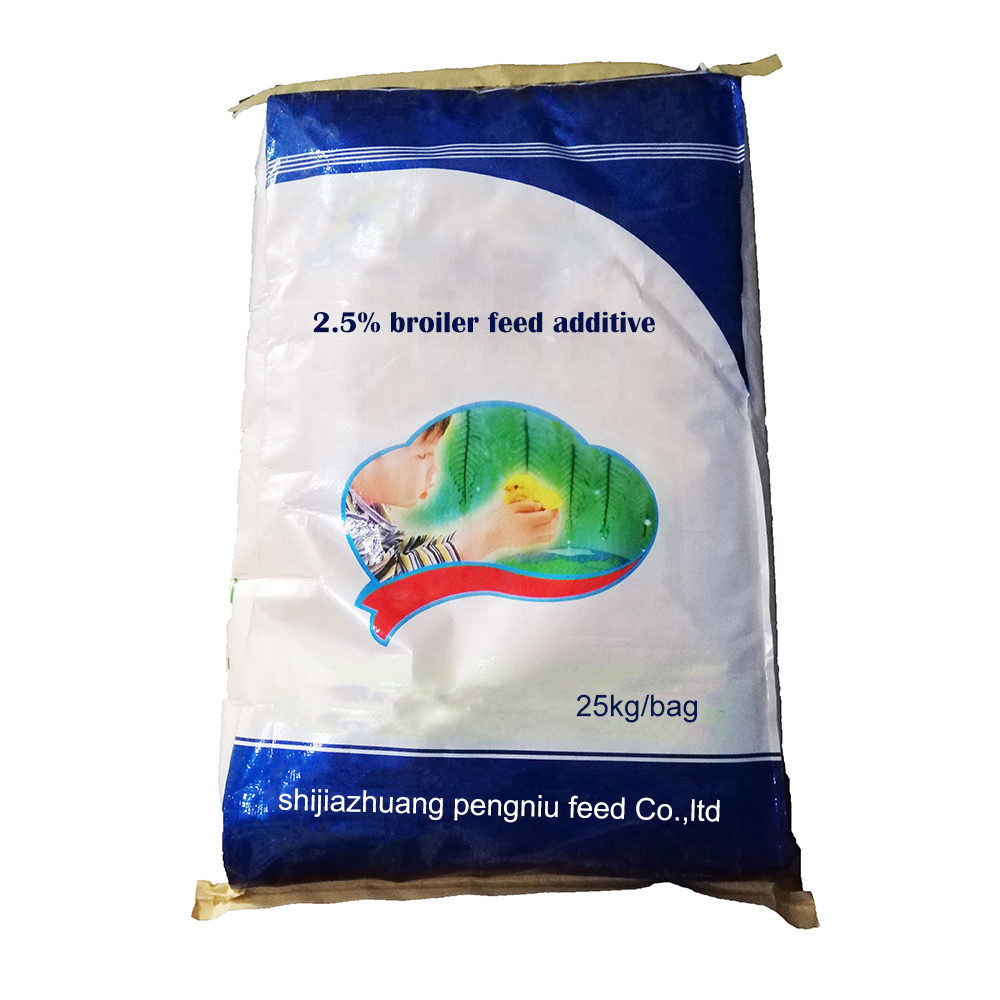
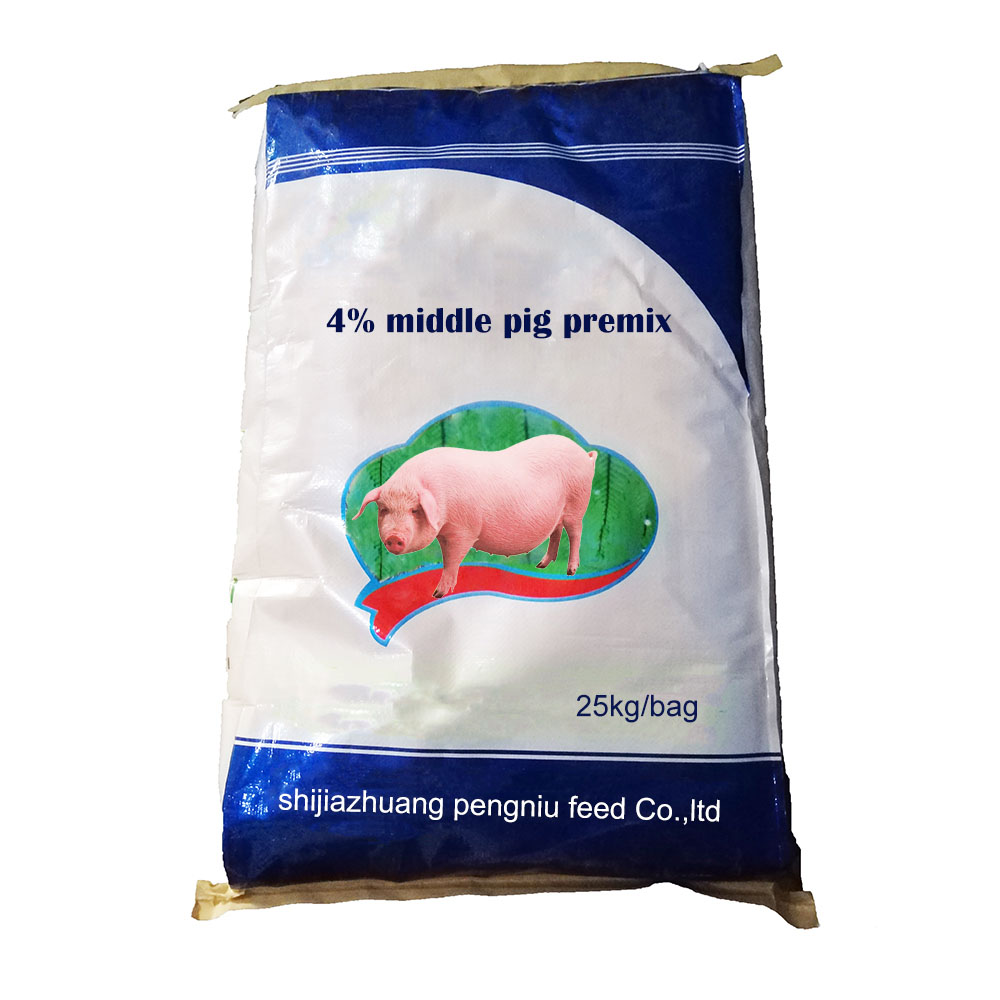
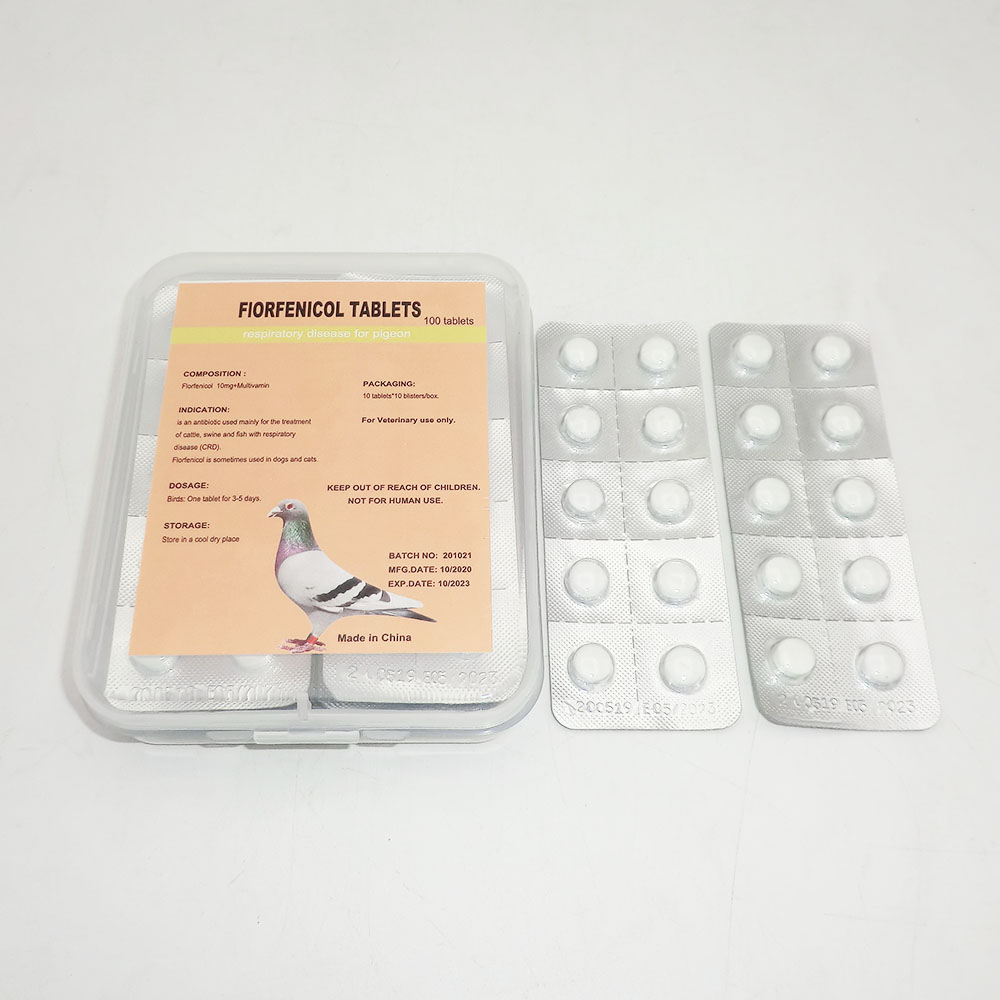
So, what do we mean by “animal feed additives companies”? Simply put, they are businesses that manufacture and supply substances added to animal feed to improve its quality and the animals’ performance. These additives range from vitamins, minerals, enzymes, probiotics, antioxidants, to growth promoters and preservatives.
Their presence is vital in modern agriculture and animal husbandry, as the natural feed alone often falls short in meeting all nutritional or health needs. These companies often operate at the intersection of biotechnology, chemistry, and nutrition science, innovating to make livestock healthier and more productive.
Core Components of Animal Feed Additives
1. Nutritional Enhancement
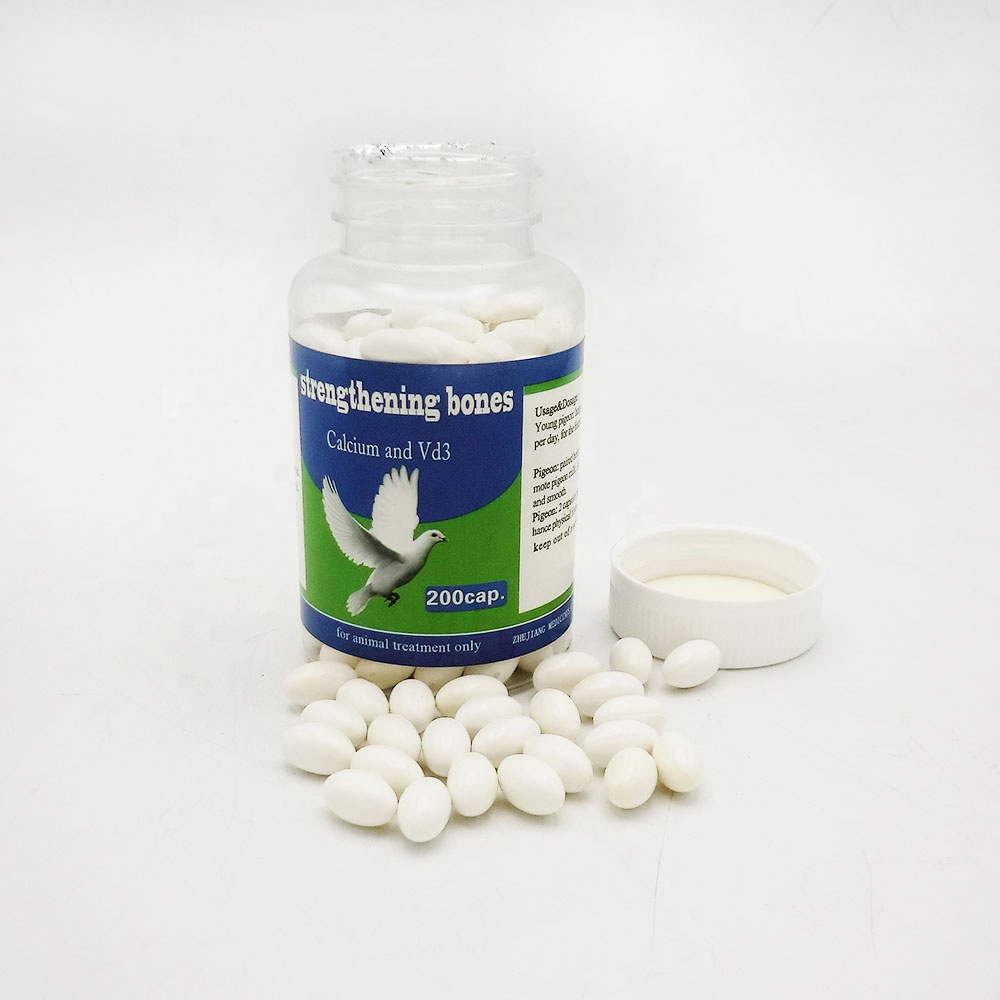
Supplying essential vitamins (A, D, E), minerals (calcium, zinc), and amino acids that naturally might be missing or insufficient in feed ingredients.
2. Digestive Health Aids
Probiotics and enzymes supporting better nutrient absorption and gut flora balance—basically, making sure the feed isn’t wasted but efficiently converted into energy.
3. Growth Promotion and Immunity Boosters
Additives, often natural or synthetic, that help animals grow faster while strengthening their immune systems to better resist diseases.
4. Preservation & Feed Safety
Antioxidants and mold inhibitors prevent spoilage and toxin formation—particularly crucial in humid, tropical climates.
5. Environmental Impact Reduction
Compounds that reduce methane emissions or improve nitrogen utilization, thus making livestock farming greener and more sustainable.
Where and How Are These Solutions Used Globally?
Let’s take a quick world tour. In Europe and North America, regulations are strict, pushing companies to innovate safe, high-quality additives, often using natural or organic ingredients. Meanwhile, in Asia and Africa, these additives address urgent needs of smallholder farms — boosting productivity in challenging environments.
For example, in post-disaster zones like parts of Southeast Asia, feed additives companies provide nutrient-dense supplements to ensure livestock survive when regular feed sources are scarce. In large-scale industrial farms in the U.S., additives optimize feed efficiency to reduce costs and environmental footprint.
Organizations like the FAO increasingly partner with animal feed additive suppliers to promote sustainable livestock farming practices in developing countries.
Typical Product Specification Table
| Additive Type | Key Benefits | Common Usage | Typical Dosage |
|---|---|---|---|
| Vitamin Premixes | Improves immunity, growth | All livestock types | 0.5% - 2% of feed weight |
| Enzymes | Enhances nutrient digestibility | Ruminants, poultry | 1000 - 4000 U/kg feed |
| Probiotics | Gut health, disease resistance | All farm animals | 1x10⁶ – 1x10⁹ CFU/g feed |
| Antioxidants | Prevents rancidity, spoilage | Stored feed/feed ingredients | 50 – 200 ppm |
Advantages and Value of Partnering With Animal Feed Additives Companies
On the surface, it’s about improving animal health and farm productivity. But dig a little deeper and you find benefits ripple into sustainability—less waste, reduced emissions, and safer food products downstream. There’s also a strong human dignity component: better animal welfare often correlates with ethical farming, which consumers increasingly demand.
Plus, many farmers testify to how reliable additives help stabilize costs over unpredictable market swings — a small comfort in uncertain times. Oddly enough, when farmers see their animals thriving, it often renews their sense of pride and hope for the future.
A Quick Vendor Comparison of Leading Animal Feed Additives Companies
| Company | Product Range | Global Reach | Specialties | Sustainability Efforts |
|---|---|---|---|---|
| AddiFeed Inc. | Vitamins, enzymes, probiotics | Americas, Europe, Asia | R&D in bio-based additives | Zero waste manufacturing |
| NutroVet Solutions | Growth promoters, antioxidants | Global (50+ countries) | Focus on poultry health | Sustainable sourcing |
| EcoFeed Corp. | Natural preservatives, enzymes | Europe, Africa | Green chemistry innovation | Carbon-neutral plants |
What’s Next? Future Trends in Animal Feed Additives
If you think feed additives are stuck in the past, think again. The next wave involves digital precision nutrition—think smart additives designed using big data to fit animals’ exact needs and environmental conditions. There’s also a growing surge in synbiotics (combining probiotics and prebiotics), alongside gene-editing techniques to tailor enzymes and bacteria even further.
Sustainability remains a huge driver. Expect more additives that reduce methane emissions (ISO environmental standards), plus plant-based alternatives as fossil fuel prices push companies to innovate new, greener production methods.
Common Challenges—and How Industry Is Facing Them
Challenges range from regulatory hurdles to high R&D costs and the tricky matter of convincing farmers to switch to new, often slightly pricier products. Additive efficacy can vary due to feed quality or animal species differences, which causes frustration.
But companies are tackling this with more transparent testing, user education, and flexible product ranges. Partnerships with local distributors and pilot farms help build trust and show real-world results before full-scale adoption.
FAQ: Frequently Asked Questions About Animal Feed Additives Companies
Q1: What should I look for when choosing an animal feed additive supplier?
A reliable supplier should offer transparent product specs, certifications, broad technical support, and have proven efficacy in your animal species and feed type. Local distribution and ongoing education are also great pluses.
Q2: Are animal feed additives safe and regulated?
Yes, reputable companies comply with strict local and international regulations such as those from the EFSA or FDA. Choosing certified products reduces risk. Always check for independent testing results.
Q3: Can feed additives really improve sustainability on farms?
Absolutely. Additives that enhance digestion and nutrient absorption reduce feed waste and emissions. Some target methane reduction directly, which helps carbon footprints.
Q4: How long does it take to see results after switching additives?
Usually within weeks, farmers report better feed conversion ratios, improved health, or growth rates. But changes depend on farm conditions and additive types.
In Conclusion: Why Animal Feed Additives Companies Deserve Your Attention
From enhancing animal health to championing global sustainability, animal feed additives companies play a crucial, though often overlooked, role in modern agriculture. They make farming smarter, safer, and more ethical—exactly what the future demands. So, whether you’re a farmer, feed producer, or simply a curious consumer, understanding these companies and their products is a worthwhile investment in our shared food future. Curious to learn more or ready to connect with experts? Visit our website for the latest insights and trusted suppliers: animal feed additives companies.
References
Post time: November 19, 2025