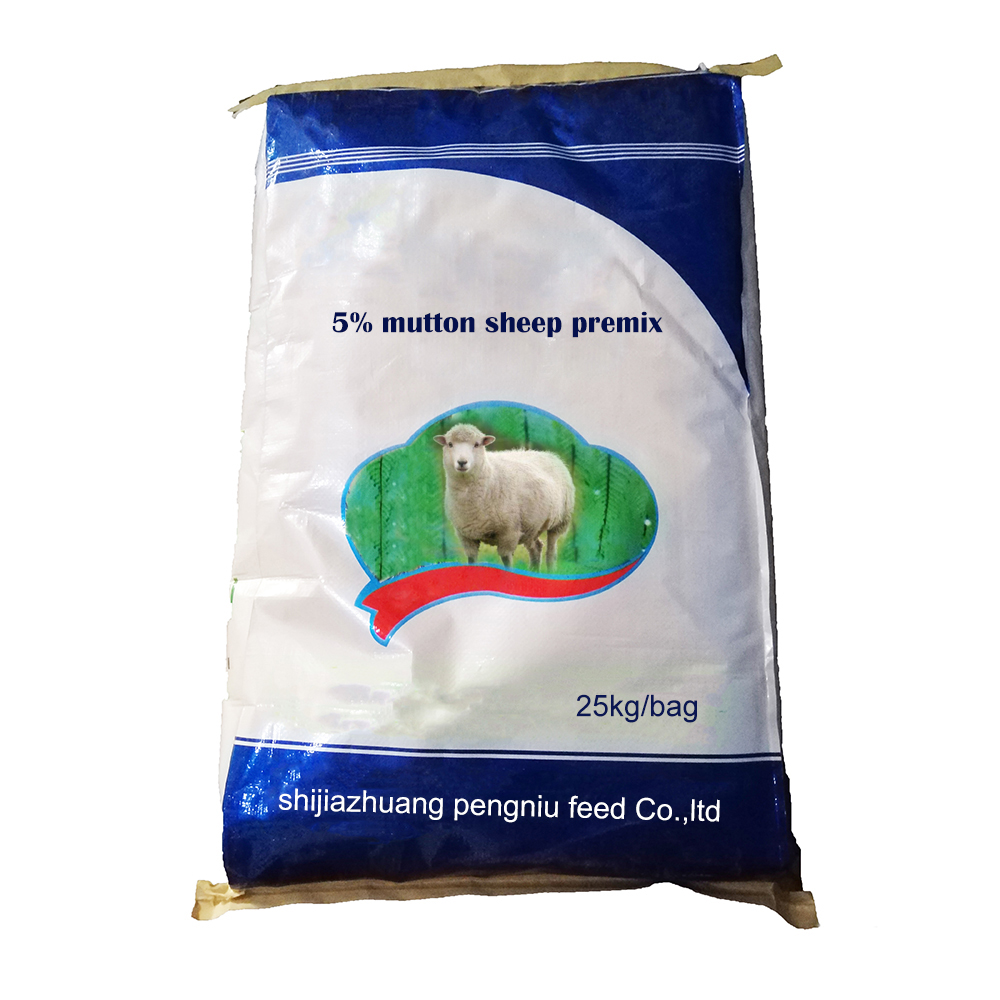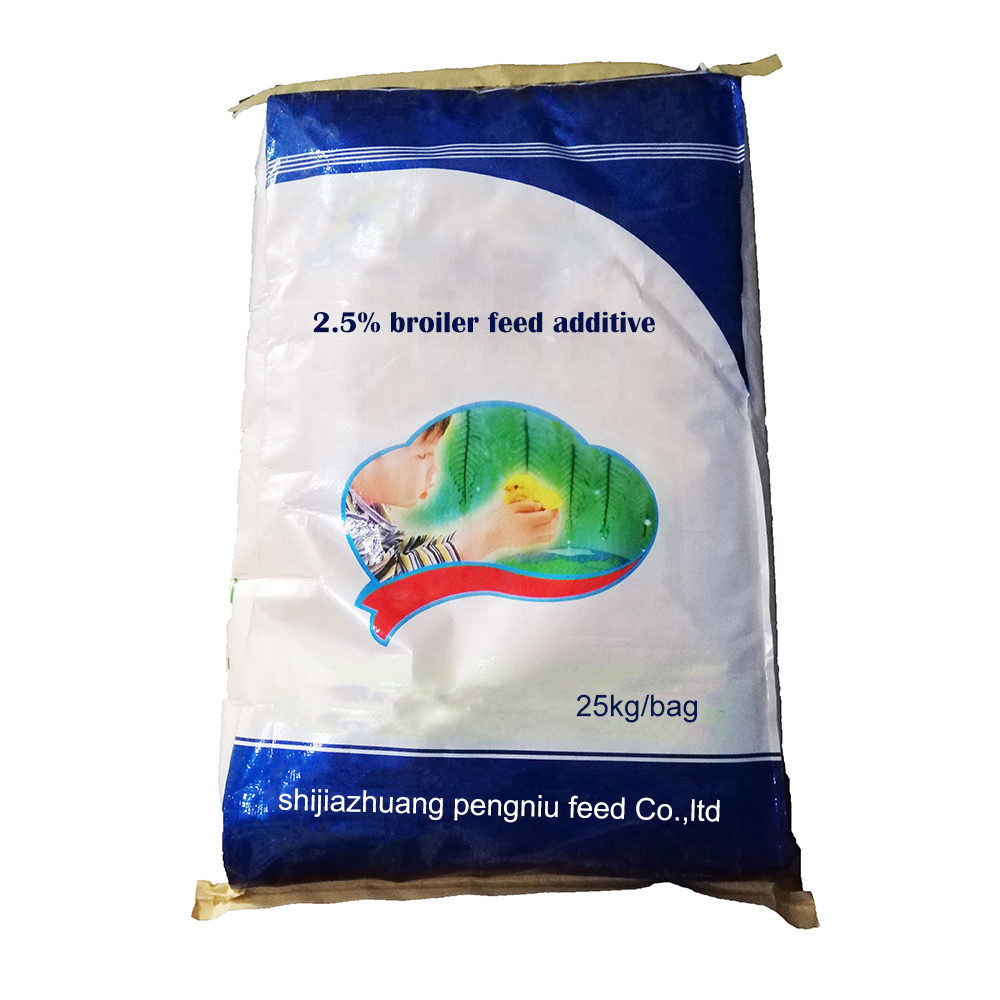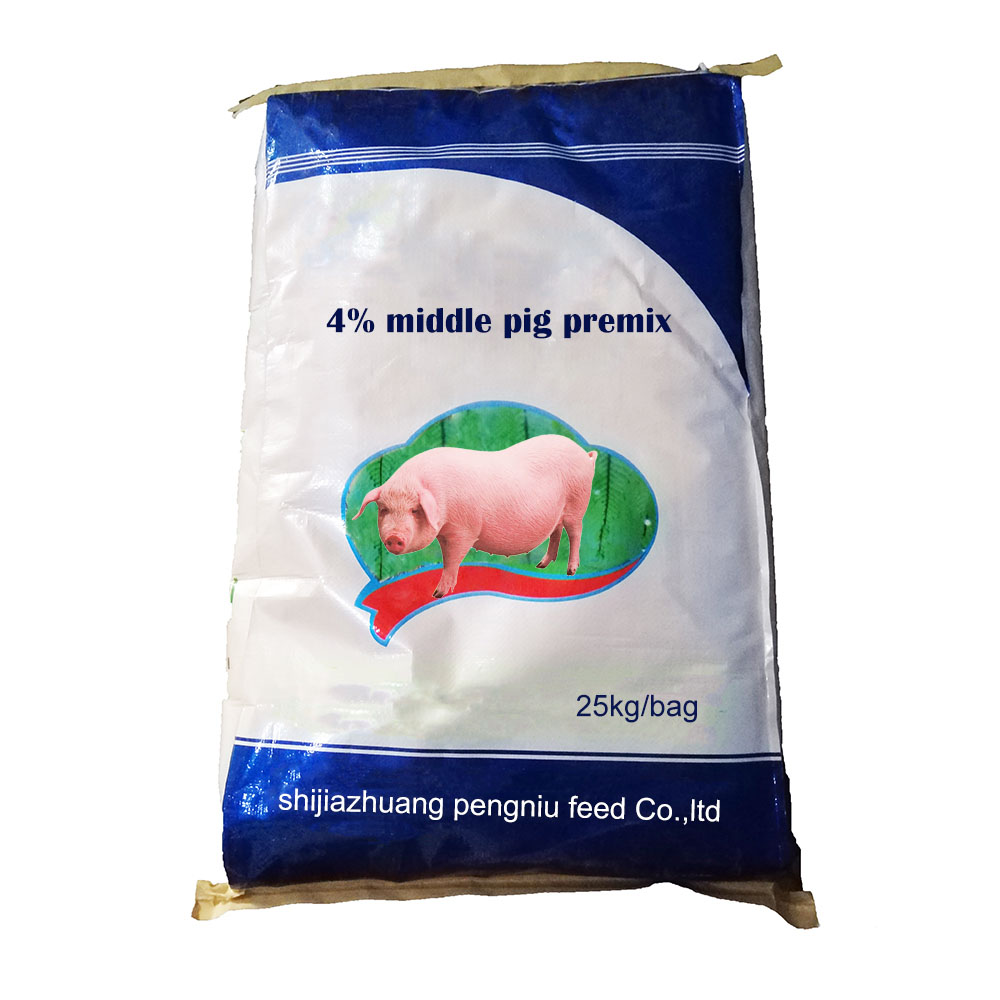
Understanding Veterinary Feed Additives and Their Global Importance
What exactly are veterinary feed additives, and why should anyone outside the livestock or pet food industry care? At its core, these additives are substances added to animal feed to improve nutrition, health, and productivity. But the stakes are far higher than just better milk or meat yield. With a growing global population and increasing pressure on sustainable food production, veterinary feed additives play a surprisingly pivotal role in ensuring food security, animal welfare, and even public health. By diving into this topic, manufacturers, veterinarians, and policymakers gain not just incremental efficiency but a foothold in addressing worldwide challenges — from antibiotic resistance to environmentally conscious farming practices.
Let’s unpack this complex world, explore how these additives work, and why their relevance is soaring in farms, labs, and beyond.
The Global Context: Why Veterinary Feed Additives Matter Now More Than Ever
According to the Food and Agriculture Organization of the United Nations (FAO), nearly 70% of all agricultural land worldwide is used for livestock production—supporting a significant chunk of global protein supply. But producing animal protein efficiently isn’t just about quantity. It's about optimizing animal health, reducing waste, and enhancing resilience against diseases.
Here’s a striking figure: the global animal feed market was valued at over $400 billion in 2022, with veterinary feed additives representing a critical growth segment, partly spurred by tightening regulations around antibiotic use in animals. Why is that important? Because >70% of antibiotics worldwide are given to livestock, often leading to resistance threats.
This challenge has pushed farmers and feed producers to seek alternatives that improve animal growth and immunity without relying solely on antibiotics. Enter veterinary feed additives—a toolset that can enhance feed digestibility, boost immune response, and even reduce environmental waste.
Mini Takeaway:
- Veterinary feed additives intersect crucial issues: food security, antibiotic resistance, and sustainable farming.
- Global demand for these additives reflects evolving agricultural practices and stricter health standards.
What Are Veterinary Feed Additives? A Simple Definition
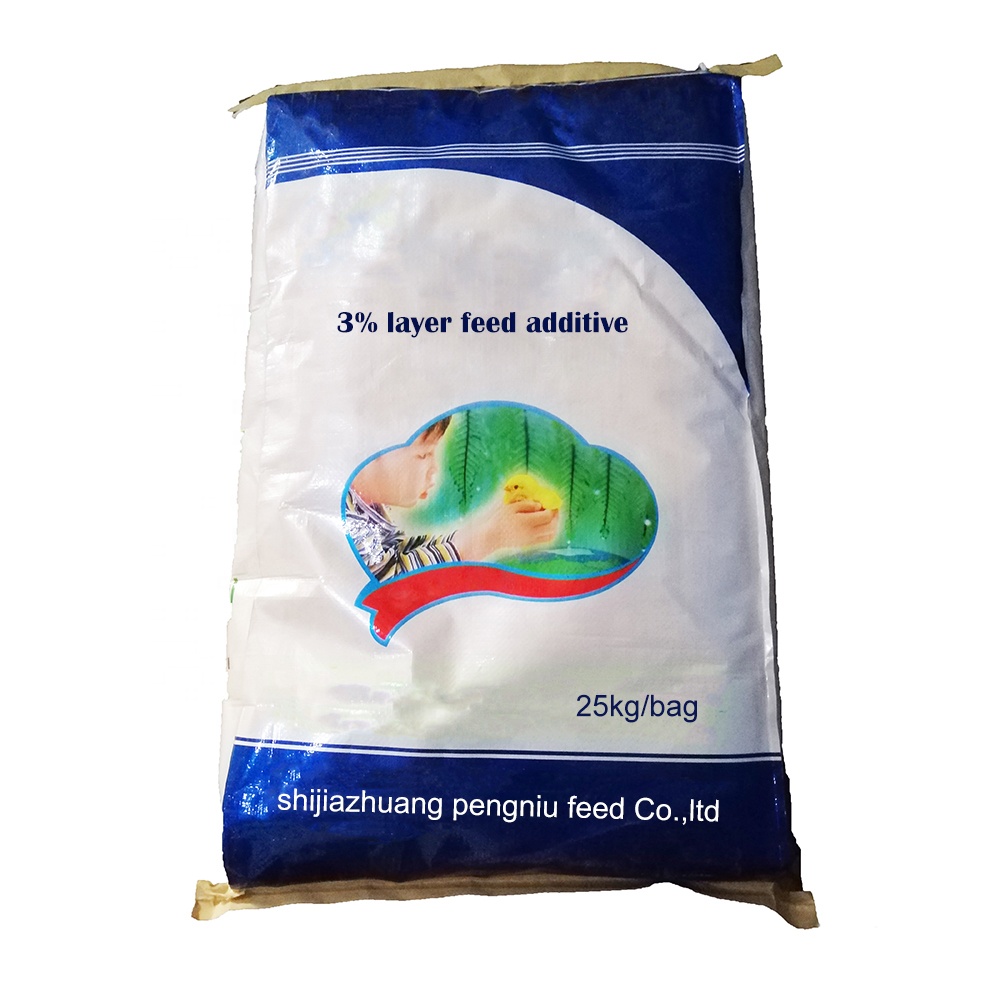
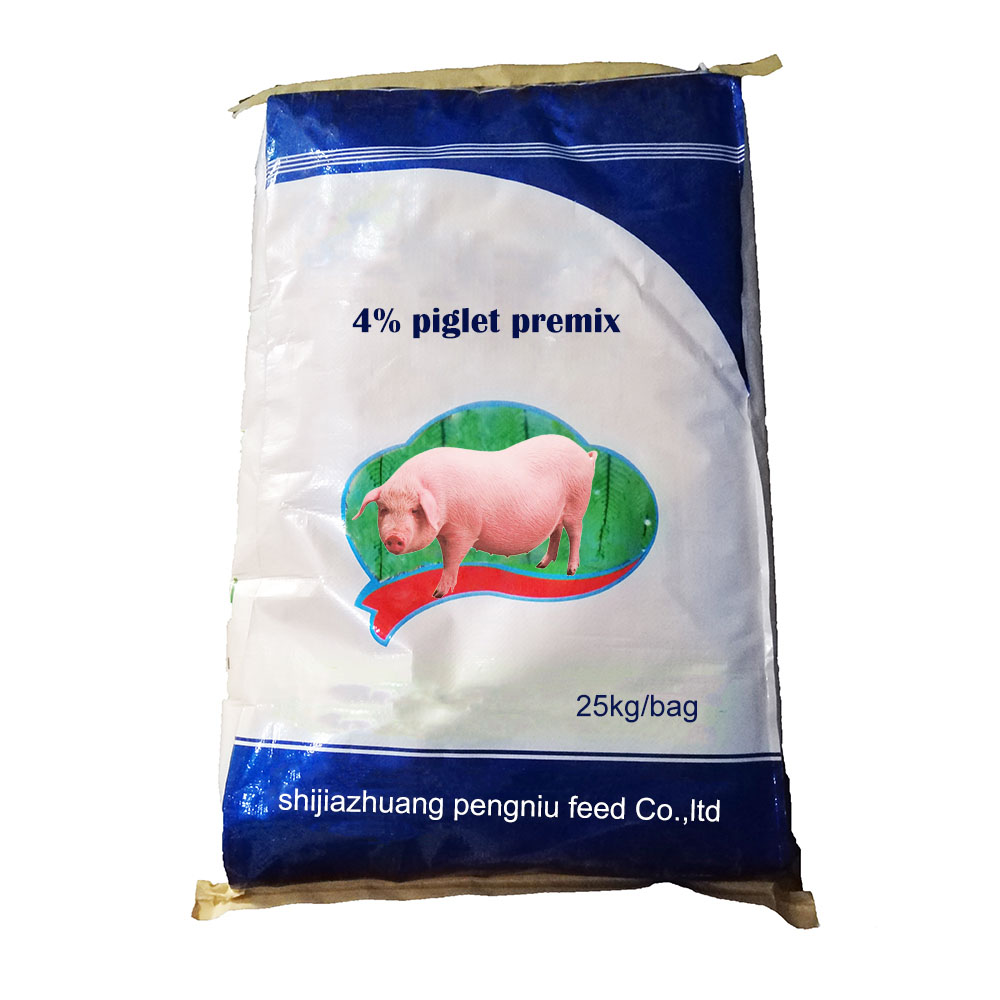
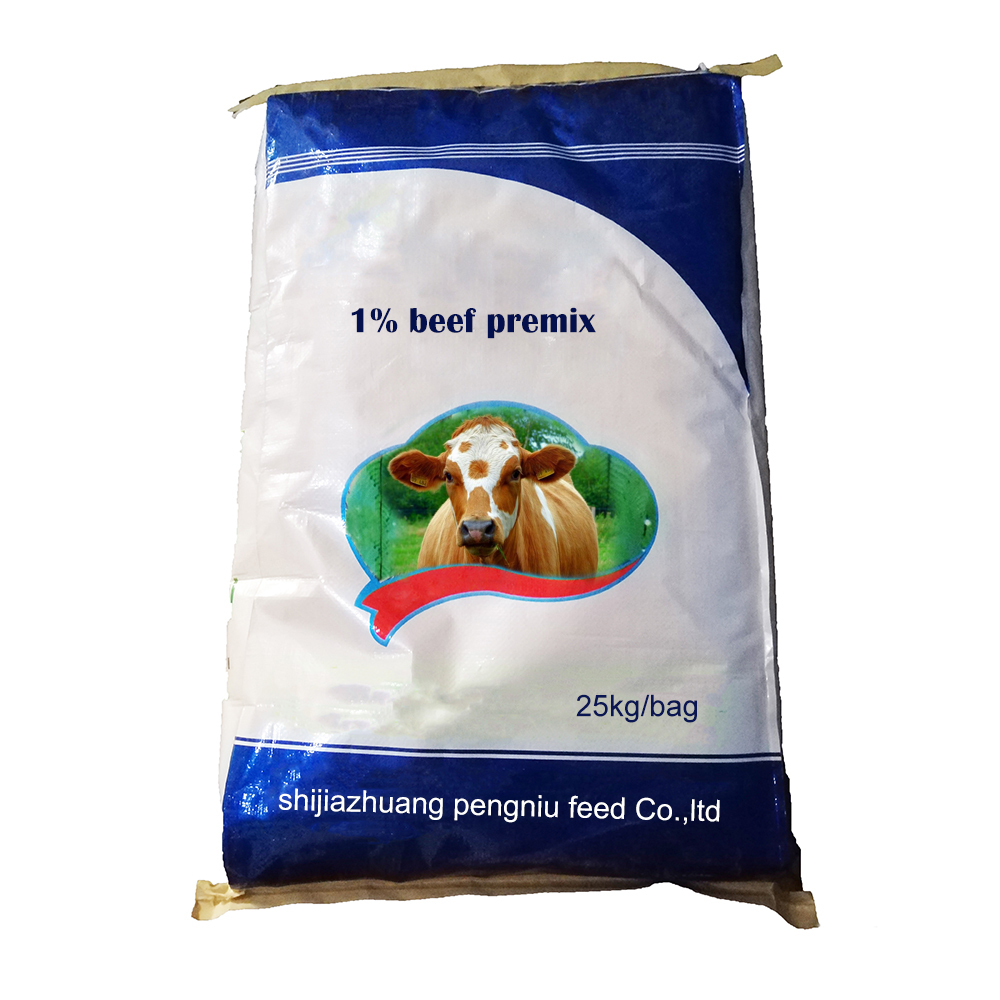
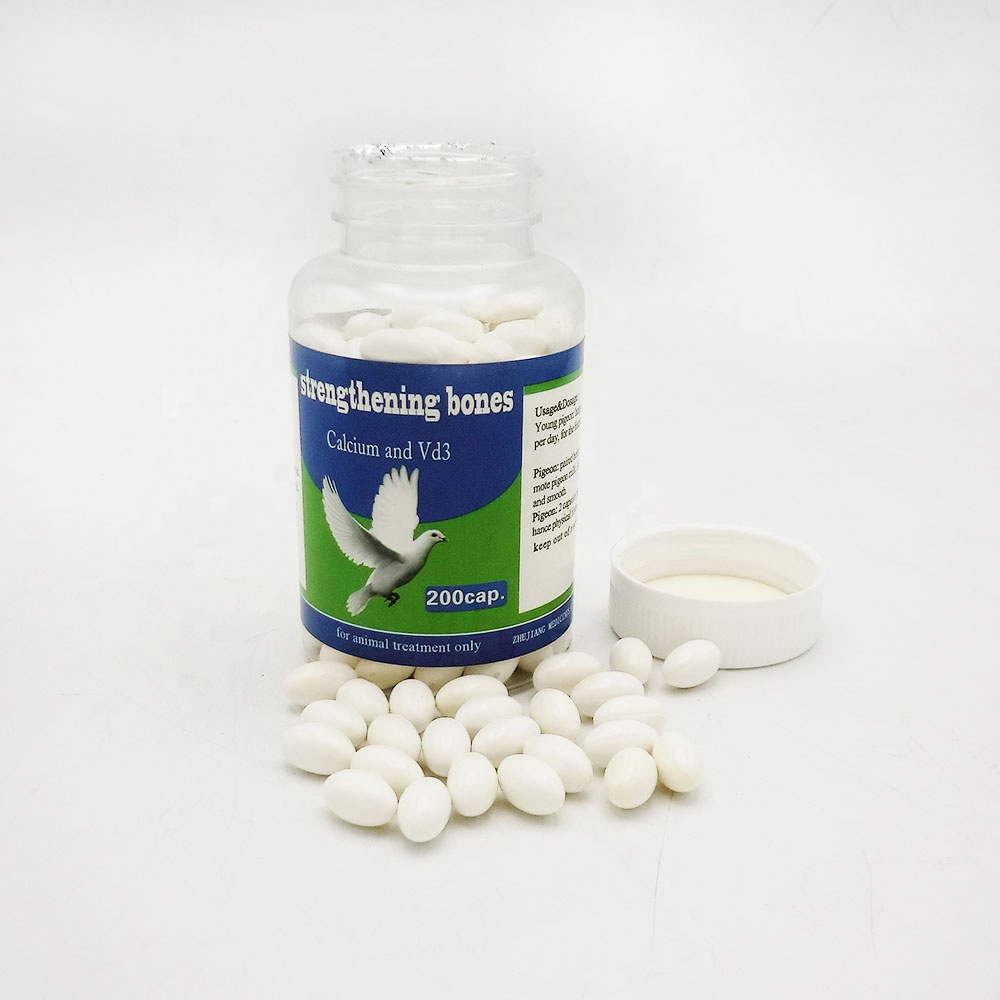
Put simply, veterinary feed additives are ingredients incorporated into animal feed to enhance its quality, improve animal performance, or safeguard health. These can range from vitamins and minerals to enzymes, probiotics, or natural extracts — basically little helpers that optimize nutrition or ward off disease.
They’re essential in modern farming systems where maximizing yield needs to go hand-in-hand with animal welfare and environmental sustainability. Oddly enough, they also resonate with humanitarian concerns, such as improving nutrition in low-resource communities relying on livestock.
Key Components and Factors Defining Veterinary Feed Additives
1. Nutritional Enhancement
The primary function is to fill nutritional gaps. Vitamins, trace minerals, and amino acids support vital bodily functions, ensuring animals grow strong and healthy.
2. Growth Promotion
Some additives help improve feed conversion ratios — meaning animals produce more meat, milk, or eggs per unit of feed consumed, which is critical for efficiency.
3. Disease Resistance and Immunity
Natural additives like probiotics and prebiotics promote gut health and strengthen immune systems, reducing reliance on antibiotics.
4. Digestive Improvement
Enzymes such as phytase break down anti-nutritional factors in feed, aiding absorption and reducing manure pollutant load.
5. Environmental Sustainability
Some additives reduce methane emissions or nitrogen waste, addressing the livestock sector's environmental footprint.
6. Safety and Compliance
Strict regulations around additives ensure they meet safety standards — minimizing risks to animals, humans, and ecosystems.
Mini Takeaway:
These factors combine to make veterinary feed additives a multifaceted tool—balancing productivity, ethics, and environmental care.
Real-World Applications: Where Veterinary Feed Additives Shine
Vet feed additives are everywhere — from vast industrial farms in North America and Europe to smallholder farms across Africa and Asia. Their applications vary but tend to center on:
- Food animal production: Enhancing growth rates in poultry, swine, and cattle.
- Aquaculture: Promoting fish health and feed efficiency.
- Dairy farming: Increasing milk yield and quality without compromising animal health.
- Disaster and humanitarian relief: In regions recovering from conflict or natural disasters, veterinary feed additives help rebuild livestock resilience and nutrition rapidly.
For example, after the 2010 earthquake in Haiti, NGOs used fortified feed supplements containing mineral additives to restore weakened cattle herds faster, providing crucial protein and economic support to farmers.
Advantages and Long-Term Value of Veterinary Feed Additives
Using veterinary feed additives isn’t just about numbers on a balance sheet. It’s about safety, dignity, and trust—towards animals, farmers, and consumers alike.
- Cost Savings: By improving feed efficiency, fewer resources are wasted.
- Sustainability: Lower methane and nitrogen emissions contribute to greener farming.
- Animal Welfare: Healthier animals means fewer illnesses and lower mortality.
- Food Quality: Better animal health leads to higher quality meat, milk, and eggs.
Many farmers say the peace of mind gained from reducing antibiotic use and seeing their livestock thrive is priceless. It’s not just a transactional benefit but a subtle, ongoing trust in the system that produces their food.
Innovations and Trends Shaping the Future of Veterinary Feed Additives
Technology is racing ahead. From precision nutrition tailored via artificial intelligence to biodegradable encapsulated additives that deliver over time — innovation is rife.
Other exciting trends include:
- Plant-based and fermented bioactive compounds replacing synthetic additives.
- Digital traceability to certify and track additive origin and compliance.
- Integration with sustainable farming policies promoting circular agriculture.
Oddly enough, the rise of veterinary feed additives dovetails perfectly with global “green” agendas aiming for low-carbon, minimal-waste food systems. It’s like science and policy shook hands at last.
Common Challenges and How Industry Experts Are Tackling Them
Despite the bright outlook, hurdles remain:
- Regulatory complexity: Different countries have varying standards, complicating international trade.
- Cost barriers: High-quality additives can be expensive, limiting access for small-scale farmers.
- Consumer perception: Misinformation about “additives” sometimes clouds public opinion.
Solutions? Collaborative standardization efforts across regions, subsidies or microfinancing for smaller farmers, and transparent communication campaigns help bridge these gaps.
Product Specification Table: Typical Veterinary Feed Additive Example
| Specification | Details |
|---|---|
| Main Component | Probiotics (Lactobacillus spp.) |
| Form | Powder or granules |
| Recommended Dose | 0.2 – 0.5 g/kg of feed |
| Shelf Life | 12 months (stored below 25°C) |
| Target Species | Poultry, Swine, Cattle |
| Regulatory Compliance | FDA, EFSA, Codex Alimentarius |
Vendor Comparison: Leading Veterinary Feed Additives Suppliers
| Vendor | Product Range | Global Reach | Certification | Innovations |
|---|---|---|---|---|
| VetAdd Co. | Probiotics, Enzymes, Minerals | Worldwide (50+ countries) | ISO 22000, GMP | Nano-encapsulation methods |
| NutriVet Solutions | Phytogenics, Organic Acids | Europe, Asia | EFSA, FDA Approved | Fermentation-based additives |
| Global Feed Additives | Vitamins, Trace Minerals, Antioxidants | Americas, Africa | Codex Alimentarius Certified | Green additive formulations |
Frequently Asked Questions About Veterinary Feed Additives
Q1: Are veterinary feed additives safe for all animal species?
A1: Most veterinary feed additives are formulated for specific species, and it’s important to follow recommended dosage and guidelines. Regulatory bodies like FDA and EFSA ensure safety standards are met, but always consult a veterinarian before introducing new additives to your animals.
Q2: Can veterinary feed additives replace antibiotics entirely?
A2: While some additives, such as probiotics and phytogenics, help reduce antibiotic reliance by boosting animal immunity, they are not complete substitutes in disease treatment. They’re better seen as complementary tools supporting sustainable animal health management.
Q3: How do veterinary feed additives improve environmental sustainability?
A3: Certain additives improve nutrient digestibility, reducing nitrogen and phosphorus excretion, which lowers pollution risks. Others reduce methane emissions from ruminants, contributing to lower greenhouse gas outputs.
Q4: Is it cost-effective for small farmers to use veterinary feed additives?
A4: Although upfront costs can be a concern, many farmers find long-term savings in feed efficiency, fewer health issues, and better product quality offset the expenses. Microcredit programs or cooperatives often help smallholders access these tools.
Q5: Where can I find reliable veterinary feed additives suppliers?
A5: Trusted suppliers typically have international certifications and transparent sourcing. Vendors like those featured here offer verified products meeting global standards. Always verify credentials before purchasing.
Conclusion: Why Veterinary Feed Additives Deserve Your Attention
To wrap it up, veterinary feed additives are quietly but crucially shaping the future of animal agriculture worldwide. They improve productivity, enhance animal welfare, and help tackle environmental and health challenges all at once. They’re part science, part care, and part economics — a blend not everyone outside agriculture may appreciate fully.
If you’re interested in improving your herd’s health and sustainability outcomes, I encourage you to explore the latest in veterinary feed additives. These products aren’t just feed extras; they're investments in longevity, resilience, and food security.
References
Post time: November 18, 2025