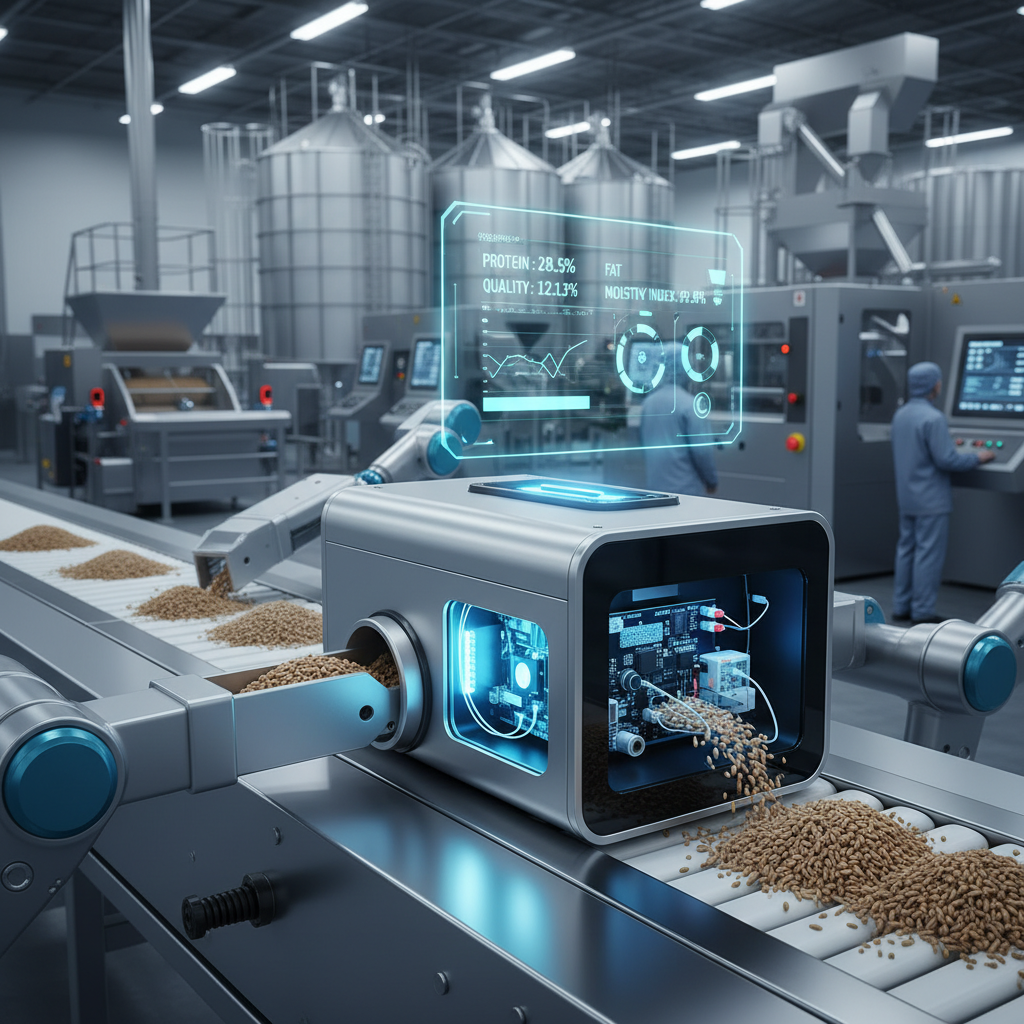
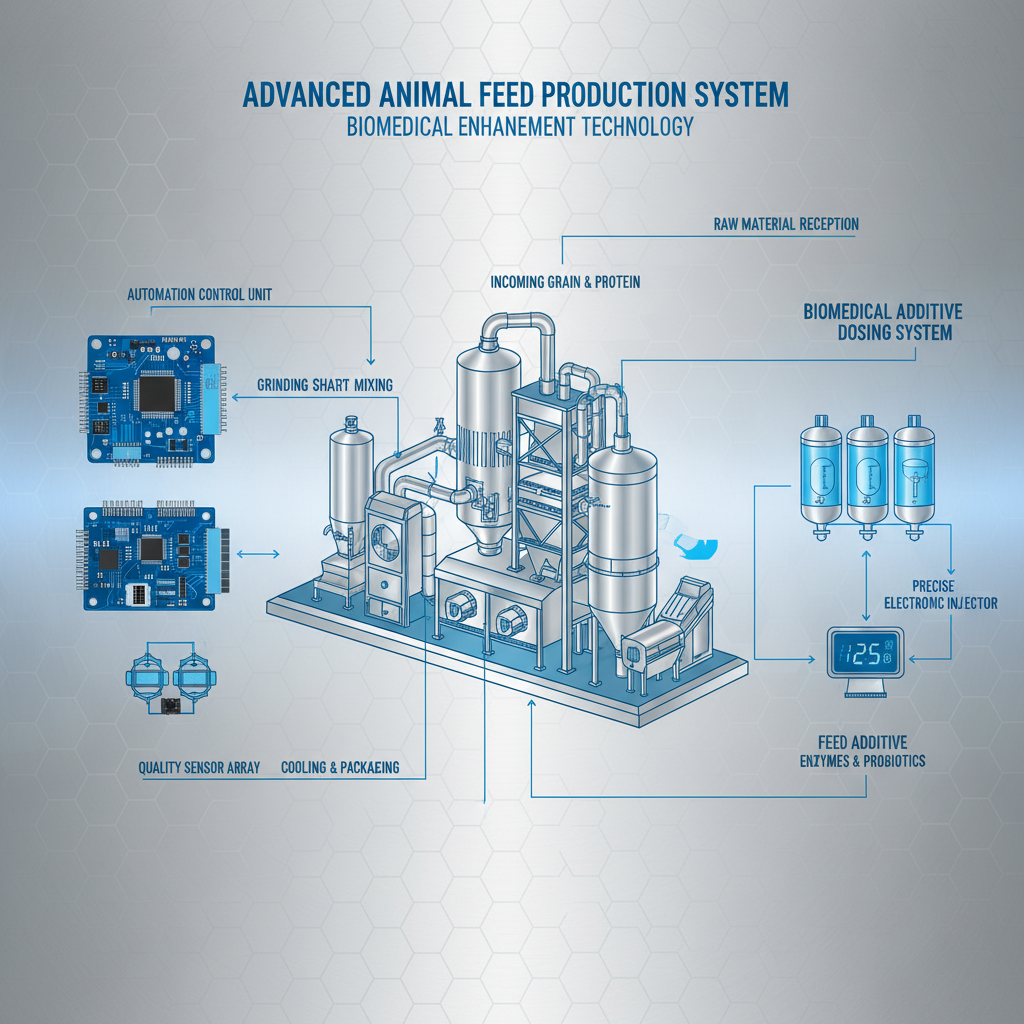
Animal feed concentrates are a cornerstone of modern animal agriculture, playing a vital role in ensuring efficient and sustainable food production globally. These concentrates, typically formulated from processed grains, proteins, and essential nutrients, provide a balanced and cost-effective diet for livestock, poultry, and aquaculture. Understanding their composition, applications, and future trends is crucial for stakeholders across the food supply chain, from farmers and feed manufacturers to policymakers and consumers.
The global demand for animal protein continues to rise, driven by population growth and changing dietary preferences. This increasing demand necessitates optimized feed formulations, and animal feed concentrates are essential for meeting this challenge. They allow for greater control over nutrient intake, improved animal health and productivity, and reduced reliance on land and resources for traditional feed production. The economic impact of efficient animal feed concentrates is significant, contributing to lower food prices and increased agricultural profitability.
Furthermore, advancements in feed concentrate technology are addressing concerns around environmental sustainability and animal welfare. Research into alternative protein sources, enzymatic improvements, and precision feeding techniques are reshaping the industry, promising more responsible and efficient animal production systems.
The Importance of Animal Feed Concentrates
Animal feed concentrates are fundamentally important to global food security. Without them, the current levels of animal production would be unsustainable, requiring significantly more land, water, and labor. Their concentrated nutrient profile allows for efficient growth and development, optimizing resource utilization and minimizing environmental impact. animal feed concentrates are crucial for maintaining affordable and accessible protein sources.
The modern livestock industry relies heavily on the precision offered by feed concentrates. They enable producers to tailor diets to the specific needs of different animal species and life stages, maximizing productivity and minimizing waste. This targeted approach contributes significantly to improved animal health and welfare, reducing the need for preventative medications and promoting overall farm efficiency.
Defining Animal Feed Concentrates
Animal feed concentrates are processed feedstuffs designed to provide a high density of nutrients in a relatively small volume. Unlike complete feeds, which are formulated to be the sole source of nutrition for an animal, concentrates are typically blended with other ingredients – such as roughages or forages – to create a balanced diet. These concentrates usually comprise grains (corn, barley, wheat), protein sources (soybean meal, fishmeal), vitamins, minerals, and sometimes additives to enhance digestibility or health.
The development of animal feed concentrates is directly linked to the intensification of agricultural practices. As demand for animal products increased, the need for efficient and reliable feed sources grew. Concentrates allow for consistent nutrient delivery, regardless of seasonal variations in forage availability, and enable farmers to achieve higher stocking densities and faster growth rates.
Ultimately, the core purpose of animal feed concentrates is to optimize the nutritional intake of livestock, leading to improved animal performance and enhanced productivity. They represent a vital link between agricultural production and the availability of affordable food for a growing global population.
Core Components of Animal Feed Concentrates
A typical animal feed concentrate comprises several key components working synergistically to provide complete nutrition. These include energy sources, primarily carbohydrates and fats, which fuel growth and bodily functions. Protein sources, such as soybean meal or fishmeal, are essential for building and repairing tissues. animal feed concentrates also include essential vitamins and minerals, playing critical roles in metabolic processes and overall health.
Fiber, although present in smaller amounts in concentrates than in roughages, contributes to digestive health and can influence nutrient absorption. Additives, such as enzymes, probiotics, and antioxidants, are increasingly used to enhance feed efficiency, improve gut health, and boost the immune system. The precise formulation of a concentrate depends on the target animal species, its age and physiological state, and the desired production outcome.
The quality and source of these components are paramount. Contamination, nutrient imbalances, and poor digestibility can significantly compromise the effectiveness of a concentrate. Therefore, rigorous quality control measures and sourcing from reputable suppliers are essential for ensuring optimal animal health and performance.
Key Factors Influencing Concentrate Effectiveness
Several factors determine how effectively animal feed concentrates contribute to animal health and productivity. Digestibility is paramount; concentrates must be formulated to maximize nutrient absorption. The physical form of the concentrate—whether as pellets, meal, or liquid—can also impact intake and digestibility. Palatability, or how appealing the concentrate is to the animal, is another critical factor, influencing voluntary feed consumption.
Storage conditions are also important. Improper storage can lead to nutrient degradation, mold growth, and the formation of harmful toxins. Furthermore, the balance of nutrients within the concentrate must be carefully tailored to the specific needs of the target animal, taking into account its age, weight, and production stage.
Comparative Effectiveness of Different Concentrate Methods
Global Applications and Industry Impact
Animal feed concentrates are utilized globally across diverse livestock sectors, including beef cattle, dairy cows, poultry, swine, and aquaculture. In regions with limited arable land or challenging climates, concentrates are particularly crucial for supporting animal production. Major feed concentrate producing and consuming countries include the United States, China, Brazil, and the European Union.
The industry’s impact extends beyond simply providing animal nutrition. It creates employment opportunities in feed manufacturing, transportation, and related services. Furthermore, advancements in concentrate technology often spur innovation in other agricultural sectors, such as crop breeding and precision farming.
In post-disaster relief operations, rapidly deployable animal feed concentrates can be vital for maintaining livestock populations, providing a crucial source of sustenance for affected communities. Similarly, in remote industrial zones and large-scale farming operations, reliable concentrate supply chains are essential for ensuring consistent animal production.
Advantages & Long-Term Value Proposition
The advantages of using animal feed concentrates are multifaceted. From a cost perspective, concentrates can offer significant savings compared to relying solely on pasture or forages, particularly in regions with limited grazing land. They promote faster growth rates and improved feed conversion ratios, leading to higher yields and reduced production costs. Sustainability is also a key benefit, as concentrates can reduce the land footprint required for animal production.
Beyond the tangible economic and environmental benefits, the long-term value proposition includes enhanced animal welfare. Optimized nutrition contributes to stronger immune systems, reduced disease incidence, and improved overall animal health. This translates to greater trust and acceptance among consumers, who are increasingly concerned about the ethical and sustainable aspects of food production.
Future Trends and Innovative Approaches
The future of animal feed concentrates is being shaped by several emerging trends. The exploration of alternative protein sources – such as insect meal, algae, and single-cell proteins – is gaining momentum as a sustainable alternative to traditional feed ingredients. Precision feeding technologies, utilizing sensors and data analytics, are enabling farmers to tailor diets to the individual needs of each animal.
Furthermore, advancements in enzymatic improvements and feed additives are enhancing nutrient digestibility and reducing environmental impact. Digital transformation is also playing a role, with the development of smart feed management systems that optimize feed delivery and monitor animal health. These innovations promise a more efficient, sustainable, and resilient animal feed industry.
Policy changes promoting sustainable agriculture and circular economy principles will likely drive further innovation in concentrate formulation and production. The demand for traceable and transparent supply chains will also influence the industry, with consumers increasingly seeking information about the origin and quality of their food.
Future Trends and Innovative Approaches
The future of animal feed concentrates is being shaped by several emerging trends. The exploration of alternative protein sources – such as insect meal, algae, and single-cell proteins – is gaining momentum as a sustainable alternative to traditional feed ingredients. Precision feeding technologies, utilizing sensors and data analytics, are enabling farmers to tailor diets to the individual needs of each animal.
Furthermore, advancements in enzymatic improvements and feed additives are enhancing nutrient digestibility and reducing environmental impact. Digital transformation is also playing a role, with the development of smart feed management systems that optimize feed delivery and monitor animal health. These innovations promise a more efficient, sustainable, and resilient animal feed industry.
Policy changes promoting sustainable agriculture and circular economy principles will likely drive further innovation in concentrate formulation and production. The demand for traceable and transparent supply chains will also influence the industry, with consumers increasingly seeking information about the origin and quality of their food.
Key Challenges & Potential Solutions for Optimizing Animal Feed Concentrate Production
| Challenge Area |
Impact on Concentrate Quality |
Potential Solutions |
Implementation Cost (1-10) |
| Raw Material Sourcing |
Variable nutrient content & contamination risks |
Establish stringent supplier quality control programs & diversification |
6 |
| Digestibility Concerns |
Reduced nutrient absorption & increased waste |
Utilize enzymes & optimize particle size |
4 |
| Feed Storage & Preservation |
Mold growth, nutrient degradation & toxin formation |
Improved ventilation, temperature control & preservative use |
5 |
| Nutrient Imbalances |
Reduced animal performance & health issues |
Implement precise formulation & regular nutrient analysis |
7 |
| Environmental Impact |
Greenhouse gas emissions & resource depletion |
Adopt sustainable ingredient sourcing & optimize feed efficiency |
8 |
| Traceability & Transparency |
Lack of consumer confidence & potential food safety concerns |
Implement blockchain technology & robust tracking systems |
9 |
FAQS
Animal feed concentrates are designed to be blended with other ingredients like roughages or forages to create a balanced diet, while complete feeds are formulated to provide all the necessary nutrients in a single product. Concentrates offer more flexibility for adjusting diets based on specific animal needs and resource availability, making them ideal for situations where forage quality or quantity is variable. Complete feeds are generally more convenient but offer less customization.
The protein source significantly impacts animal performance. Different protein sources have varying amino acid profiles, digestibility, and bioavailability. For example, soybean meal is highly digestible and provides a complete amino acid profile, while other sources like cottonseed meal may require supplementation. Choosing the right protein source ensures animals receive the essential amino acids needed for optimal growth, muscle development, and overall health.
Vitamins and minerals are essential micronutrients that play vital roles in numerous metabolic processes within an animal's body. They contribute to immune function, bone health, reproduction, and overall vitality. Deficiencies in these nutrients can lead to reduced growth rates, impaired health, and decreased productivity. Animal feed concentrates are fortified with specific vitamins and minerals to ensure animals receive adequate levels.
Farmers should prioritize purchasing concentrates from reputable suppliers with established quality control programs. Look for certifications that verify the product meets industry standards. Regularly inspect concentrates for signs of spoilage, mold, or contamination. Proper storage in a cool, dry, and pest-free environment is also crucial for maintaining quality and preventing safety hazards.
Sustainable practices include utilizing alternative protein sources like insect meal or algae, reducing reliance on land-intensive crops, optimizing feed efficiency through precision feeding, and minimizing waste throughout the production process. Implementing circular economy principles, such as utilizing by-products from other industries as feed ingredients, can further enhance sustainability.
Increasingly stringent regulations regarding food safety, environmental sustainability, and animal welfare are likely to impact the industry. These may include restrictions on certain ingredients, requirements for traceability and transparency, and mandates for reducing greenhouse gas emissions. Companies will need to proactively adapt to these changing regulations to remain competitive and ensure responsible production practices.
Conclusion
In conclusion, animal feed concentrates represent a critical component of modern agriculture, enabling efficient and sustainable animal production to meet the growing global demand for protein. Understanding their core components, key influencing factors, and emerging trends is crucial for optimizing animal health, improving resource utilization, and minimizing environmental impact. Continuous innovation in areas such as alternative protein sources and precision feeding technologies will further enhance the value proposition of animal feed concentrates.
Looking ahead, collaboration between researchers, producers, and policymakers will be essential to address the challenges and unlock the full potential of this vital industry. By embracing sustainable practices, adopting innovative technologies, and prioritizing transparency, we can ensure that animal feed concentrates continue to play a pivotal role in ensuring food security and promoting responsible animal agriculture for generations to come. Visit our website for advancedanimal feed concentrates