You know, been running around construction sites all year, getting dust in my teeth and smelling concrete. These days, everyone’s talking about prefabrication, modular builds. Not exactly new, but it’s really picking up steam. Seems like everyone's trying to build things faster, cheaper, you know? It's all about speed to market, squeezing every penny. To be honest, I’m seeing a lot of corners cut.
And that’s where things get tricky. It’s easy to think you can just slap some parts together, but it's never that simple. Design-wise, the biggest trap? Ignoring how things actually get assembled. Engineers draw beautiful plans, but they haven’t spent a day wrestling with a wrench on a windy scaffold. They often forget about accessibility, sequence of assembly, or, strangely, the sheer weight of some of these components. It's the little things, right?
Now, when we're talking about the core of these modular structures, it's mostly steel - C-sections, H-beams. I encountered this at a factory in Foshan last time, the smell of welding was…intense. Steel feels solid, dependable. But it needs proper treatment. Rust is the enemy. Then you’ve got composite panels – a sandwich of materials. Some feel cheap and flimsy, others have a nice weight to them, almost like a solid core. You can tell a lot just by tapping on them. We've been using a lot of expanded polystyrene (EPS) cores, though I'm starting to see more rockwool for fire resistance. Anyway, I think the choice of materials depends a lot on the budget, but you get what you pay for.
Global Relevance of vet medicine manufacturers
The global need for reliable and rapidly deployable medical solutions is constantly increasing, driven by factors like increasing global populations, aging demographics, and rising healthcare demands. According to the World Health Organization, access to essential medicines is a fundamental human right, yet remains a significant challenge in many parts of the world. vet medicine manufacturers are key to addressing this gap.
Essentially, vet medicine manufacturers aren't just about creating medicines, they are about creating access, stability, and quality in the face of global health challenges. It’s about ensuring that life-saving treatments reach those who need them, even in remote or crisis-stricken areas. That is where it differs from, let’s say, producing cosmetics. The stakes are much, much higher.
Defining vet medicine manufacturers
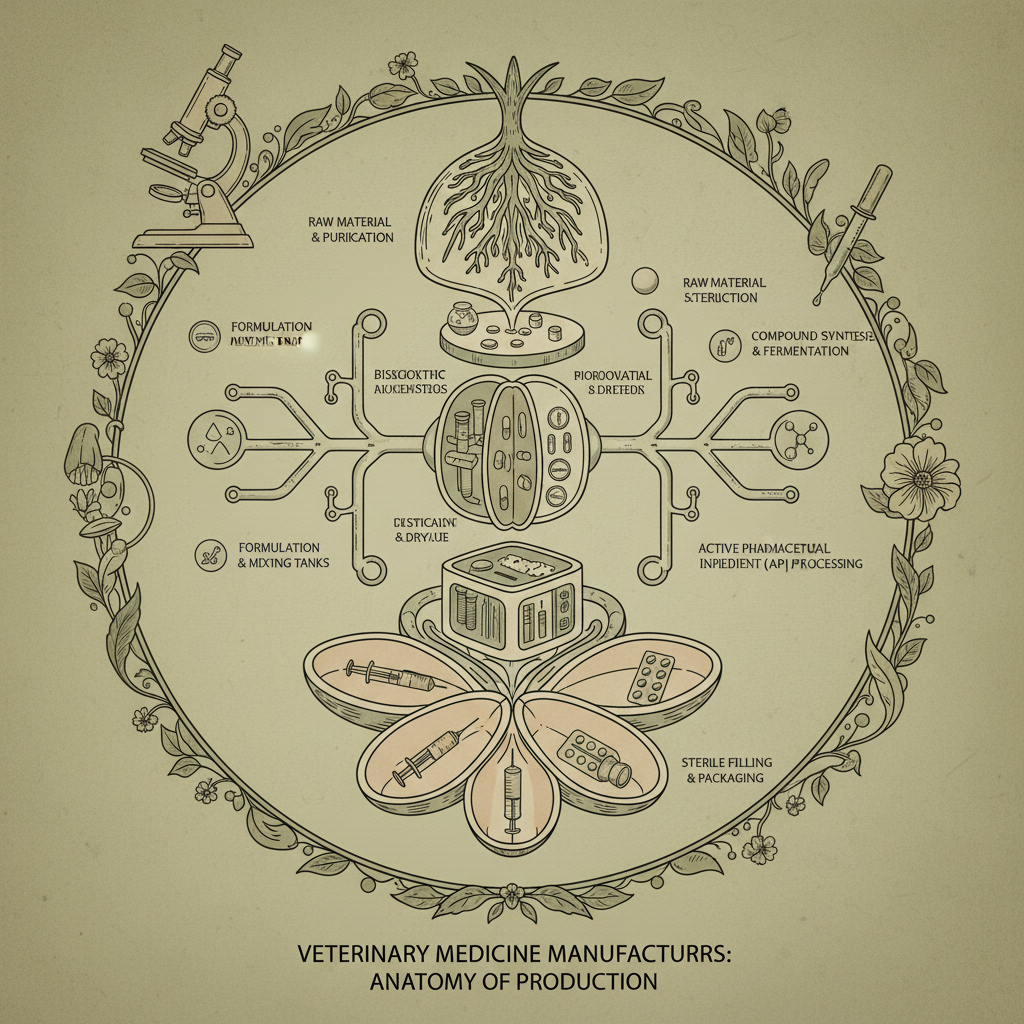
At its core, a vet medicine manufacturer is a company involved in the entire lifecycle of veterinary pharmaceutical products – from research and development to formulation, production, quality control, and distribution. They’re the folks who make the drugs, vaccines, and other medical products used to treat animals. It's a highly regulated industry, naturally.
This isn’t just about pet medicines, mind you. It encompasses livestock, poultry, equine, and even exotic animals. It's a critical component of modern animal healthcare, impacting everything from food safety to public health. Without them, controlling animal diseases would be a nightmare.
Essentially, they're a crucial link in the chain ensuring animal wellbeing and, consequently, human wellbeing. Have you noticed how many new zoonotic diseases are emerging? That's why responsible vet medicine manufacturing is more important than ever.
Key Factors of vet medicine manufacturers
One of the biggest factors is Regulatory Compliance. These companies operate under extremely strict guidelines set by organizations like the FDA and EMA. Meeting these standards isn’t cheap, but it’s non-negotiable. It's not about wanting to follow rules, it’s about being allowed to operate at all.
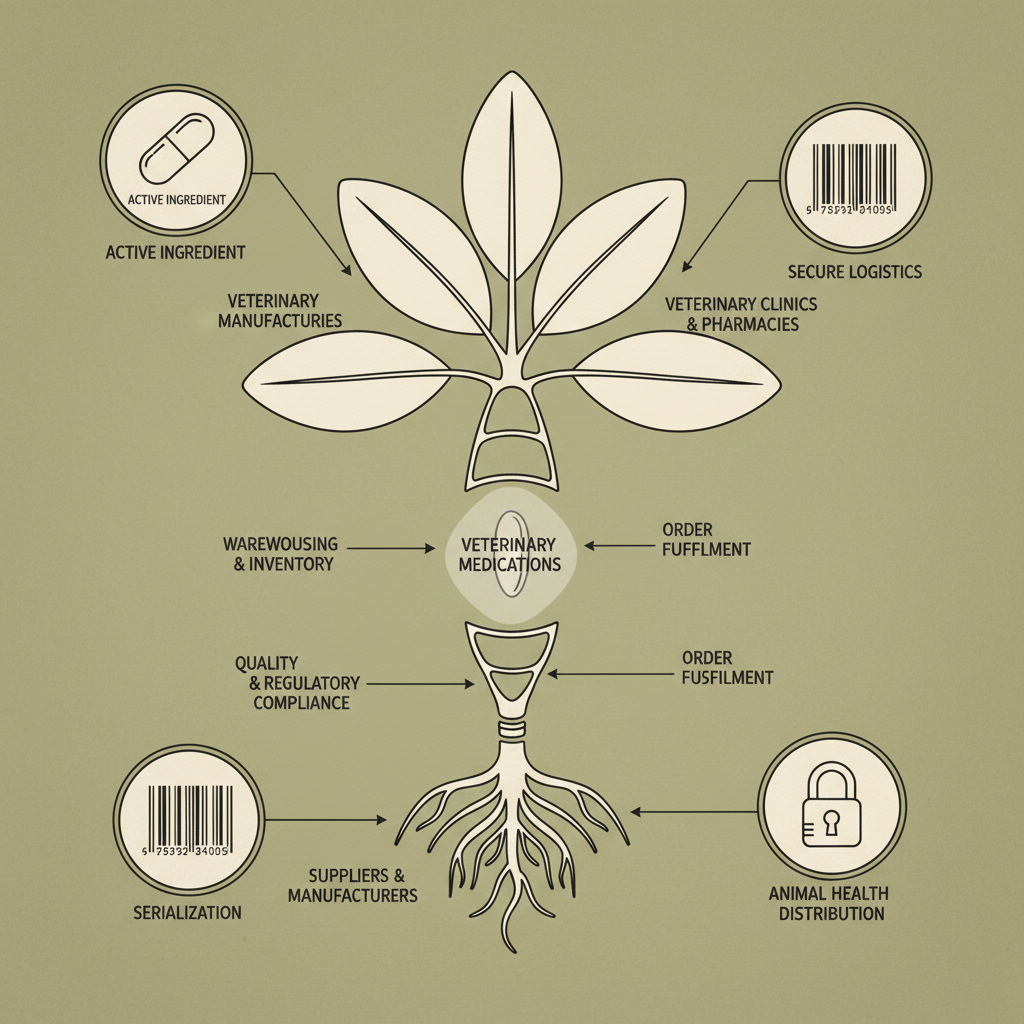
Then you have Supply Chain Management. Sourcing raw materials, ensuring their quality, and maintaining a consistent supply is a huge undertaking. A disruption in the supply of even one ingredient can halt production. It's a constant balancing act, believe me.
Quality Control is paramount. Every batch of medicine has to be rigorously tested for purity, potency, and safety. It's not just about meeting specifications; it's about protecting animal health and preventing adverse reactions. The slightest error can have serious consequences.
Global Applications of vet medicine manufacturers
You see vet medicine manufacturers at work everywhere. In developed countries, they support advanced veterinary practices, specialized treatments, and preventative care. In developing countries, they are often vital in controlling livestock diseases, improving food security, and preventing the spread of zoonotic illnesses.
In post-disaster relief operations, they provide essential medicines to treat injured animals, helping communities recover. In remote agricultural regions, they enable farmers to protect their livelihoods and ensure a sustainable food supply. I was down in Argentina a few years back, helping with a foot-and-mouth disease outbreak. Without those manufacturers, it would have been a disaster.
Organizations like the World Organization for Animal Health (WOAH) rely heavily on vet medicine manufacturers to implement global disease control programs. Their contributions are absolutely critical.
vet medicine manufacturers Production Capacity by Region
Advantages and Long-Term Value
The advantages are clear. Reliable vet medicine manufacturers contribute to healthier animal populations, which translates to improved food security, reduced disease transmission, and economic stability for farmers and communities. That's the logical side.
But there's an emotional side, too. Knowing you're helping to prevent animal suffering, to keep pets healthy and families together… it’s a good feeling. And, from a business perspective, a strong reputation for quality and reliability builds trust with customers and strengthens brand loyalty.
Future Trends in vet medicine manufacturers
I think we're going to see a lot more focus on personalized medicine for animals. Genomics and diagnostics are getting more sophisticated, allowing for tailored treatments based on an animal's individual genetic makeup. It's happening already, but it’s going to become mainstream.
Digital technologies – AI, machine learning, blockchain – will play a bigger role in supply chain management, quality control, and disease surveillance. And sustainability is becoming increasingly important. Companies are looking for ways to reduce their environmental footprint and develop more eco-friendly products. It’s not just about doing good; it's about staying competitive.
Challenges and Solutions
One of the biggest challenges is counterfeiting. Fake veterinary medicines are a serious problem, especially in developing countries. Solutions involve improved traceability, stricter regulations, and public awareness campaigns. It's a constant battle.
Another challenge is the rising cost of drug development. Bringing a new veterinary medicine to market can take years and cost millions of dollars. Encouraging innovation requires incentives and streamlining the regulatory process.
And, of course, there’s the ongoing issue of antimicrobial resistance. Responsible use of antibiotics and the development of alternative therapies are crucial. Last month, a small boss in Shenzhen who makes smart home devices insisted on changing the interface to for a new medicine dispenser... and the result was a complete redesign because the existing power supplies wouldn’t work. It was a mess. But sometimes you learn the hard way.
Core Challenges and Potential Solutions for Vet Medicine Manufacturers
| Challenge |
Impact |
Potential Solution |
Implementation Difficulty (1-10) |
| Counterfeit Drugs |
Animal Health Risks, Brand Damage |
Blockchain-based Traceability |
7 |
| Rising Development Costs |
Reduced Innovation |
Government Incentives for R&D |
8 |
| Antimicrobial Resistance |
Treatment Failures, Public Health Risks |
Development of Alternative Therapies |
9 |
| Supply Chain Disruptions |
Medicine Shortages |
Diversification of Suppliers |
5 |
| Regulatory Compliance |
High Costs, Time Delays |
Harmonization of Global Regulations |
6 |
| Lack of Skilled Workforce |
Quality Control Issues |
Investment in Training Programs |
4 |
FAQS
The biggest hurdles are typically demonstrating bioequivalence, meeting stringent quality control standards, and navigating the complex approval processes of agencies like the FDA and EMA. Data requirements are extensive, and the process can be lengthy and costly. It's not a walk in the park, that's for sure. Plus, regulations vary significantly between countries, requiring manufacturers to tailor their applications accordingly. It’s a lot of paperwork and validation testing, believe me.
Sustainability is becoming increasingly vital. Consumers and regulators are demanding more eco-friendly practices. This includes reducing waste, minimizing energy consumption, and sourcing sustainable materials. Companies are exploring green chemistry principles, investing in renewable energy, and implementing circular economy models. It's not just about being environmentally responsible; it's about future-proofing the business. Frankly, the pressure is only going to increase.
Technology is a game-changer. Automation, AI, and machine learning are being used to optimize production processes, improve quality control, and predict equipment failures. Digital twins are allowing manufacturers to simulate and test new processes before implementing them in the real world. Data analytics are providing insights into supply chain performance and demand forecasting. Honestly, if you’re not embracing technology, you’re falling behind.
Counterfeiting is a major concern. Manufacturers are using a variety of strategies, including serialization, tamper-evident packaging, and blockchain technology to track and trace products. They're also working with law enforcement agencies to identify and prosecute counterfeiters. Public awareness campaigns are crucial to educate consumers about the risks of buying fake medicines. It's a constant cat-and-mouse game, unfortunately.
Scaling up production can be tricky. You need to ensure that you can maintain quality and consistency while increasing output. This requires careful planning, investment in new equipment, and training of personnel. Supply chain constraints can also be a major issue. It's not as simple as just pressing a button and doubling production. There are always unforeseen challenges that pop up.
Choosing a CMO is a big decision. You need to carefully assess their capabilities, quality systems, regulatory compliance, and track record. It’s also important to consider their location, cost structure, and communication protocols. Due diligence is essential. A bad CMO can ruin a product launch. Trust me, I’ve seen it happen more than once. Finding a partner you can really rely on is critical.
Conclusion
Ultimately, vet medicine manufacturers are the backbone of animal healthcare, driving innovation, ensuring quality, and expanding access to essential medicines. They face significant challenges – regulatory hurdles, supply chain disruptions, counterfeiting – but they are also adapting and embracing new technologies to overcome them.
Looking ahead, sustainability, personalization, and digital transformation will be key trends. But at the end of the day, whether this thing works or not, the worker will know the moment he tightens the screw. That’s the truth of it.